

Summer evenings ask for easy wins in the kitchen. You want something light, fresh, and quick, but you also don’t want to waste what’s in the fridge. This guide shows you how to turn last night’s grilled chicken, roasted veggies, or rice into a brand-new dinner that feels intentional, not leftover.
Think crisp salads, skillet tosses, and loaded flatbreads with bright sauces. No fuss, minimal heat, and big flavor—perfect for warm nights when you’d rather be outside than at the stove.

Summer Dinner Ideas — Leftover Dinner One More Meal Hiding - A Fresh, Easy Way to Stretch Tonight’s Meal
Ingredients
Method
- Pick Your Path: Decide on a format: loaded salad bowl, warm skillet toss, flatbread pizza, or lettuce wraps. Choosing the form first makes the rest easy.
- Refresh the Leftovers: If using protein or grains, warm them lightly in a skillet with a splash of water or broth. This brings moisture back and loosens texture. For roasted veggies, reheat just until warm, not mushy.
- Build Crunch: Chop fresh vegetables into bite-size pieces. Add a handful of greens or herbs. The fresh layer is what makes it feel like a new meal.
- Make a Quick Sauce: Whisk 2 tablespoons olive oil, 1 tablespoon lemon juice, 1 teaspoon Dijon, a pinch of salt, and pepper. Or stir together 2 tablespoons yogurt, 1 teaspoon olive oil, a squeeze of lime, grated garlic, and a bit of honey. Sauce = new flavor identity.
- Layer With Intention: Go for contrast. Place warm items over cool greens, then add creamy pieces (avocado or cheese). Drizzle sauce, then add herbs and a pinch of chili flakes.
- Add Crunch Last: Sprinkle nuts, seeds, or croutons right before serving so they stay crisp.
- Season at the End: Taste and finish with a squeeze of lemon, a drizzle of olive oil, flaky salt, and pepper. Small touches make leftovers taste restaurant-level.
What Makes This Special
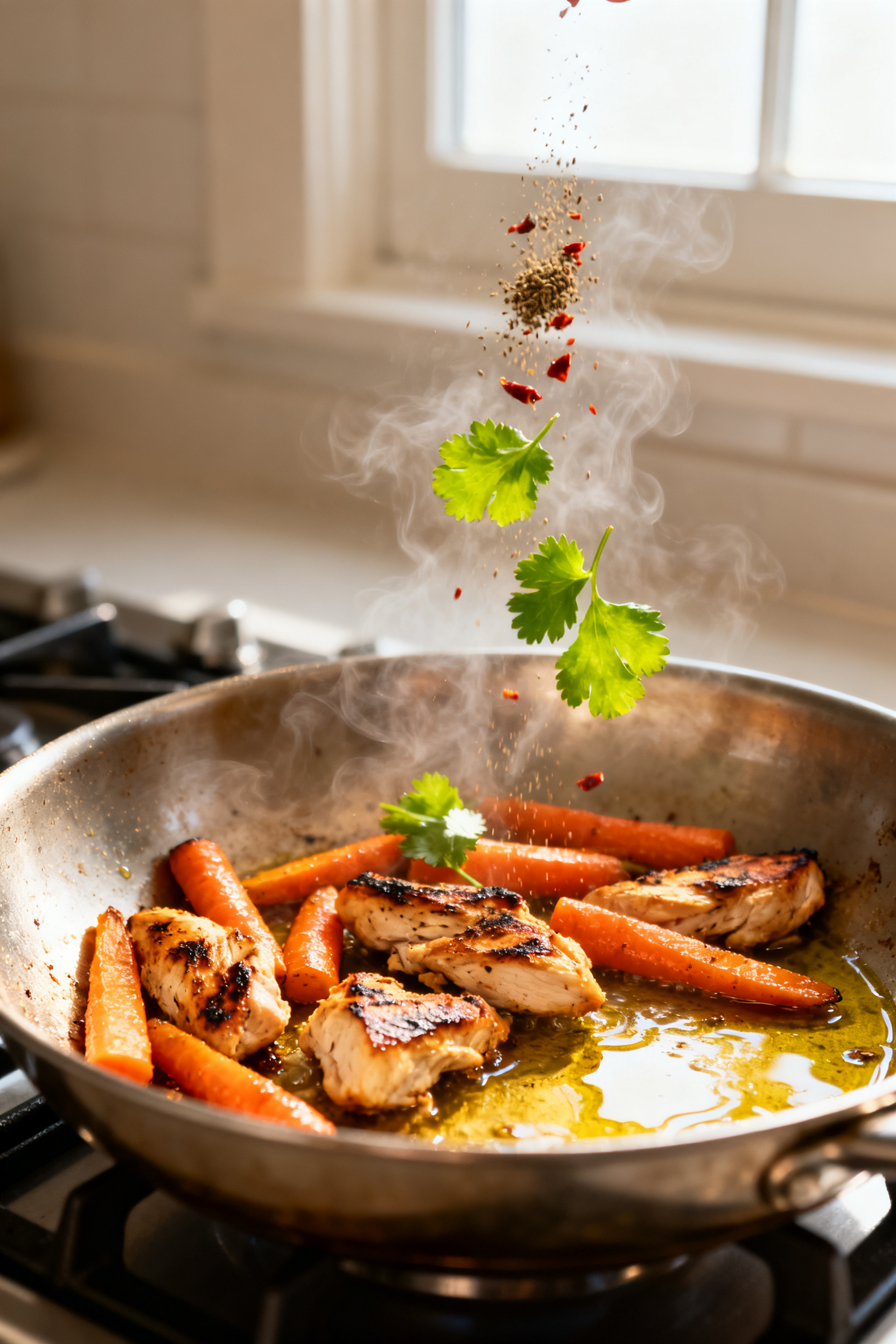
This isn’t just reheating food—it’s a strategy to rebuild what you have into something that tastes fresh. It focuses on contrasts: warm and cool, crunchy and creamy, herby and savory.
You’ll layer cooked proteins or grains with crisp produce, punchy dressings, and a quick-heat element for comfort. The result is a true second act, not a repeat.
Best of all, it’s flexible. Use what you have, scale it for one or for a crowd, and keep your kitchen cool.
It’s a practical way to save money, reduce waste, and still eat well.
What You’ll Need
- Leftover base (choose 1–2): grilled chicken, steak, salmon, tofu, roasted vegetables, cooked beans, cooked pasta, quinoa, rice, or farro
- Fresh crunch: cherry tomatoes, cucumber, bell pepper, corn (raw or grilled), radishes, red onion, arugula, romaine, or mixed greens
- Herbs and flavor boosters: basil, cilantro, mint, parsley, green onions, dill, olives, capers, pickled onions
- Creamy element: feta, mozzarella, goat cheese, ricotta, avocado, or a dollop of Greek yogurt
- Something saucy: lemon vinaigrette, balsamic glaze, pesto, chimichurri, tahini dressing, tzatziki, or a quick garlic-lime mayo
- Carb or carrier: naan, flatbreads, tortillas, sturdy lettuce for wraps, or crusty bread
- Pantry extras: olive oil, red wine vinegar, lemon or lime, honey or maple syrup, Dijon mustard, salt, pepper, chili flakes
- Optional crunch: toasted nuts or seeds (almonds, pepitas), croutons, or crispy chickpeas
How to Make It
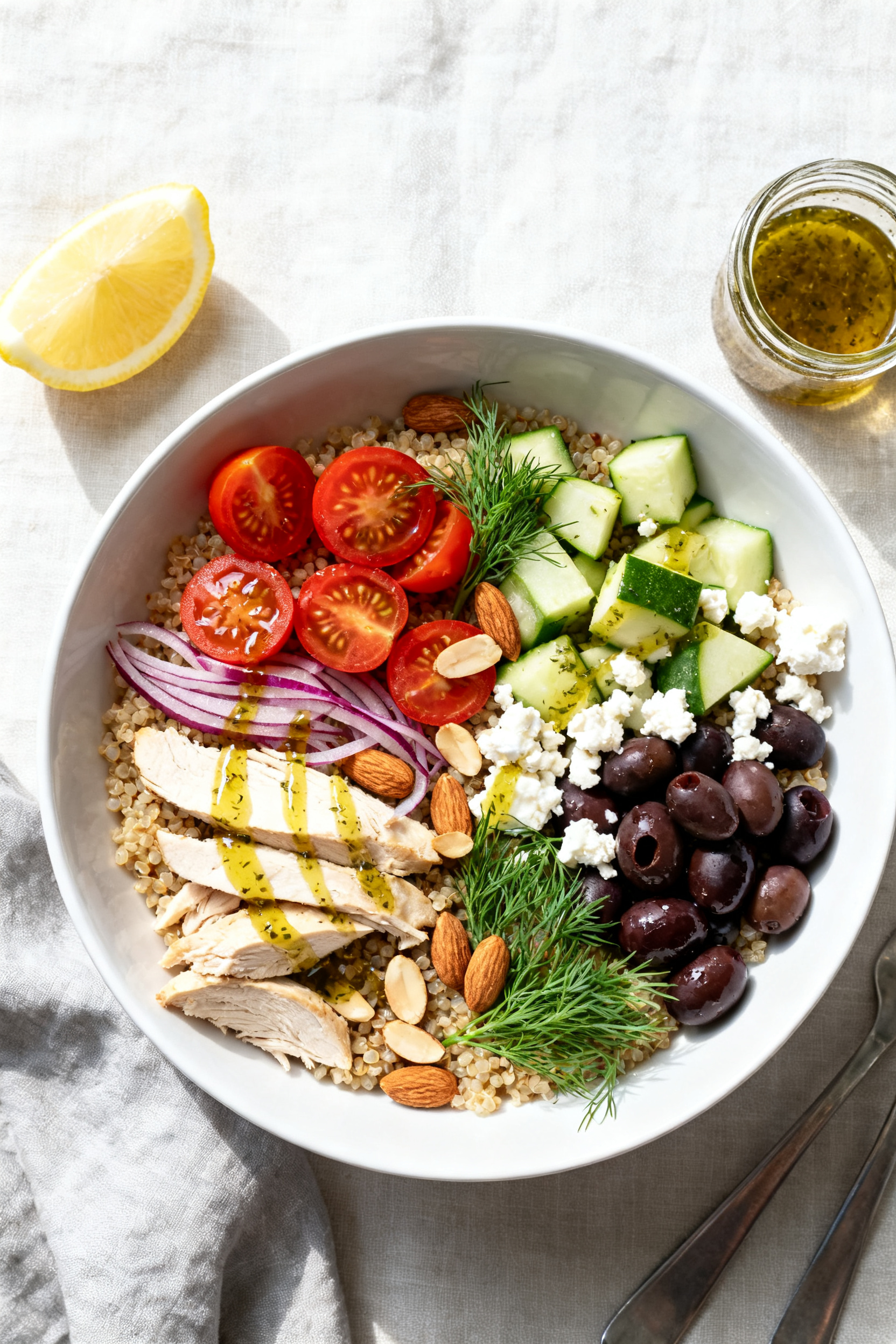
- Pick Your Path: Decide on a format: loaded salad bowl, warm skillet toss, flatbread pizza, or lettuce wraps. Choosing the form first makes the rest easy.
- Refresh the Leftovers: If using protein or grains, warm them lightly in a skillet with a splash of water or broth. This brings moisture back and loosens texture.
For roasted veggies, reheat just until warm, not mushy.
- Build Crunch: Chop fresh vegetables into bite-size pieces. Add a handful of greens or herbs. The fresh layer is what makes it feel like a new meal.
- Make a Quick Sauce: Whisk 2 tablespoons olive oil, 1 tablespoon lemon juice, 1 teaspoon Dijon, a pinch of salt, and pepper.
Or stir together 2 tablespoons yogurt, 1 teaspoon olive oil, a squeeze of lime, grated garlic, and a bit of honey. Sauce = new flavor identity.
- Layer With Intention: Go for contrast. Place warm items over cool greens, then add creamy pieces (avocado or cheese). Drizzle sauce, then add herbs and a pinch of chili flakes.
- Add Crunch Last: Sprinkle nuts, seeds, or croutons right before serving so they stay crisp.
- Season at the End: Taste and finish with a squeeze of lemon, a drizzle of olive oil, flaky salt, and pepper.
Small touches make leftovers taste restaurant-level.
Keeping It Fresh
Store components separately when possible. Greens and herbs in one container with a paper towel to absorb moisture; proteins and grains in another; sauces in a small jar. This keeps textures crisp and flavors bright.
When reheating, add a tablespoon of water or broth to grains and proteins to prevent dryness. Use low heat and stop as soon as they’re warm.
If something seems flat, revive it with acid (lemon, lime, or vinegar) and fresh herbs.
Why This is Good for You
- Balanced plate: You can easily hit protein, fiber, and healthy fats in one bowl.
- Reduced food waste: Giving leftovers new life is good for your wallet and the planet.
- Summer-friendly: Minimal cooking, more raw produce, and hydrating veggies keep meals light.
- Customizable: Adjust sodium, carbs, or dairy based on your needs without making a separate meal.
Common Mistakes to Avoid
- Overheating leftovers: High heat dries out proteins and turns veggies mushy. Warm gently.
- Skipping seasoning: Leftovers lose brightness. Always finish with salt, pepper, and acid.
- Soggy layers: Don’t dress greens too early.
Keep sauces separate until serving.
- Flavor monotony: If last night’s meal had one flavor profile, change it up with a new sauce or fresh herbs.
- Too many soft things: Balance textures—add something crunchy to keep each bite interesting.
Variations You Can Try
- Mediterranean Bowl: Leftover chicken + cherry tomatoes + cucumber + olives + red onion + feta + lemon-oregano vinaigrette over quinoa. Finish with dill.
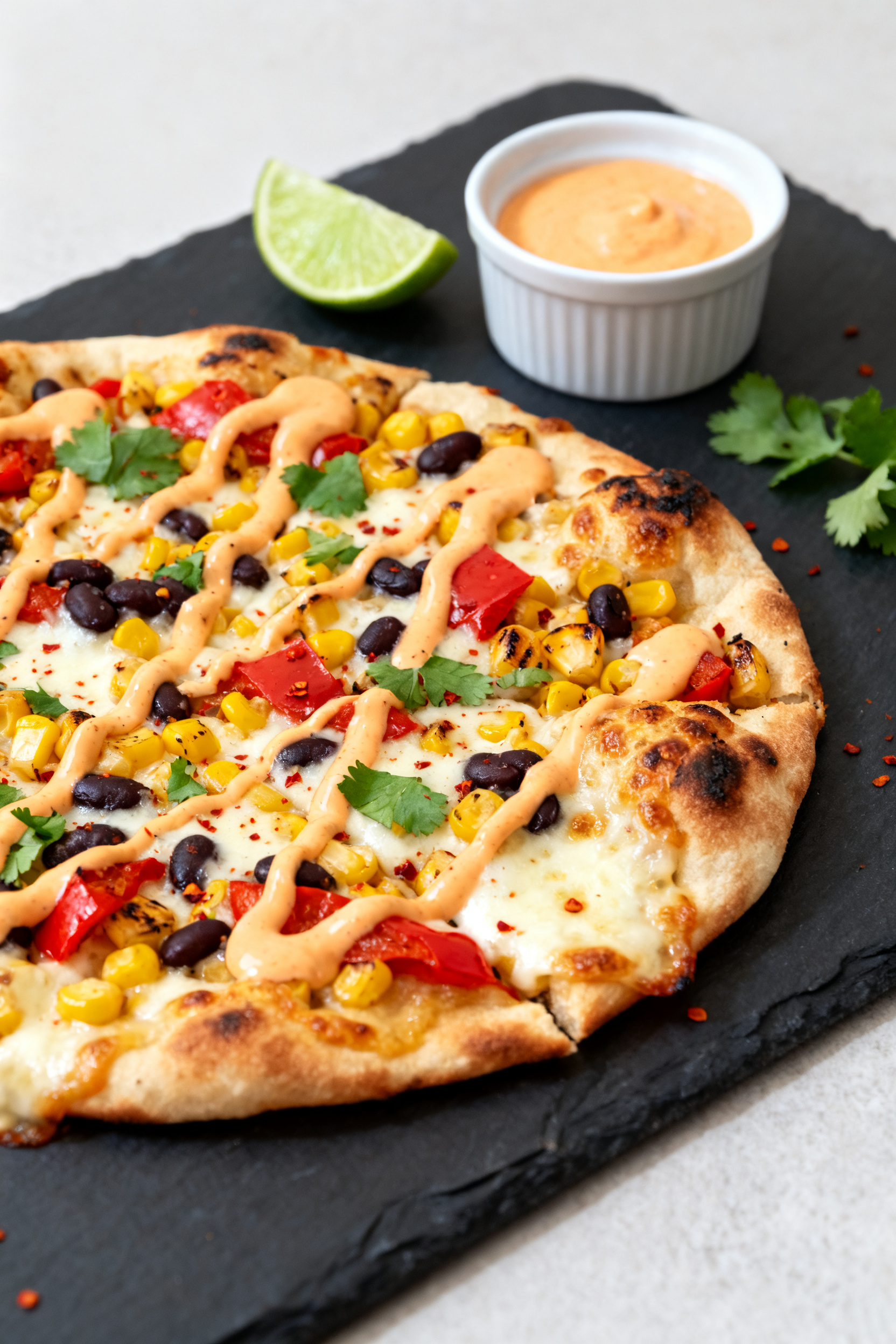
- Street Corn Flatbread: Leftover grilled corn + roasted peppers + black beans + mozzarella on naan. Bake until melty, then drizzle chili-lime crema and sprinkle cilantro.
- Summer Nicoise Twist: Leftover salmon + green beans + baby potatoes + tomatoes + olives on arugula with Dijon-lemon dressing.
Add soft-boiled eggs if you have them.
- Pesto Pasta Salad Upgrade: Leftover pasta + pesto + halved tomatoes + mozzarella pearls + torn basil. Add grilled zucchini for extra veg.
- Spiced Lettuce Wraps: Leftover steak or tofu warmed with a pinch of cumin and chili powder. Serve in butter lettuce with pickled onions, avocado, and yogurt-lime sauce.
- Chimichurri Grain Bowl: Leftover rice or farro + grilled chicken or mushrooms + roasted carrots + chimichurri + toasted almonds.
Squeeze of lemon to finish.
- Tzatziki Veggie Skillet: Warm roasted veggies with a touch of olive oil, pile over greens, and add a big spoon of tzatziki and crushed pita chips.
FAQ
How long are leftovers safe to use?
Most cooked leftovers are safe for 3–4 days in the fridge when stored properly in airtight containers. If something smells off or looks questionable, toss it. When in doubt, go by the earliest prepared item in the mix.
What’s the best way to reheat without drying out?
Use low to medium heat with a splash of water or broth and cover the pan briefly to steam.
For the microwave, cover loosely and heat in short bursts, stirring between rounds.
Can I serve everything cold?
Absolutely. Cold grain bowls and salads are perfect for hot nights. Just season well and add a flavorful dressing or herb-packed sauce to keep it lively.
What if my leftovers are bland?
Add acid and salt first, then fresh herbs.
A drizzle of olive oil and a sprinkle of chili flakes can also wake things up fast. A new sauce changes the entire vibe.
How do I keep salads from getting soggy for lunch tomorrow?
Pack components separately: greens and herbs in one container, wet ingredients (tomatoes, cucumbers) in another, protein and grains on the side, and the dressing in a small jar. Combine right before eating.
What proteins work best?
Grilled chicken, salmon, shrimp, steak, tofu, tempeh, and beans all work.
Go for items that reheat gently or taste great cold. Shred, slice, or flake for easy layering.
Any kid-friendly ideas?
Try flatbread “pizzas” with mozzarella and chopped leftovers, or build-your-own wraps with mild sauces. Keep veggies crunchy and sauces on the side so kids can dip.
Final Thoughts
Summer cooking should feel relaxed, not rigid.
With a few fresh ingredients and a bright sauce, last night’s dinner turns into a new meal that’s colorful, satisfying, and fast. Keep your pantry stocked with lemons, good olive oil, herbs, and a couple of go-to sauces, and you’ll always have one more meal hiding in the fridge. Waste less, eat better, and enjoy your evening—no extra heat required.
Printable Recipe Card
Want just the essential recipe details without scrolling through the article? Get our printable recipe card with just the ingredients and instructions.