
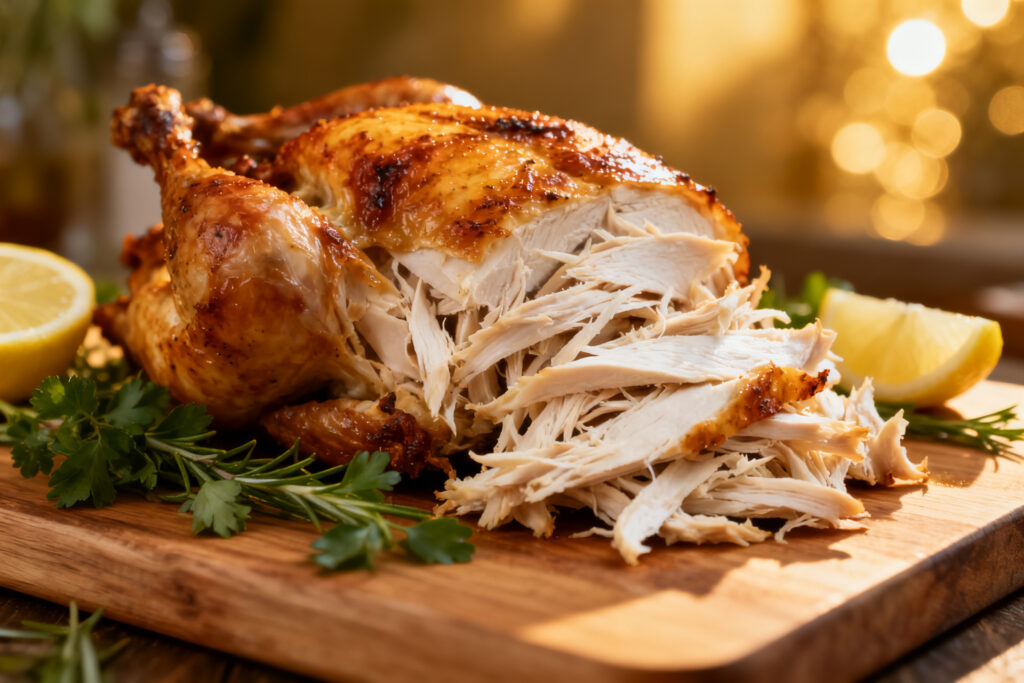
Rotisserie chicken is the weeknight hero many of us rely on, but the real magic happens the next day. That tender, seasoned meat is a head start on countless meals, and it saves you time without sacrificing flavor. With a few pantry staples, leftover rotisserie chicken turns into soups, salads, tacos, or a cozy skillet dinner.
This guide walks you through simple ways to use it well, how to store it safely, and smart tips to keep it juicy and satisfying.
Ingredients
Method
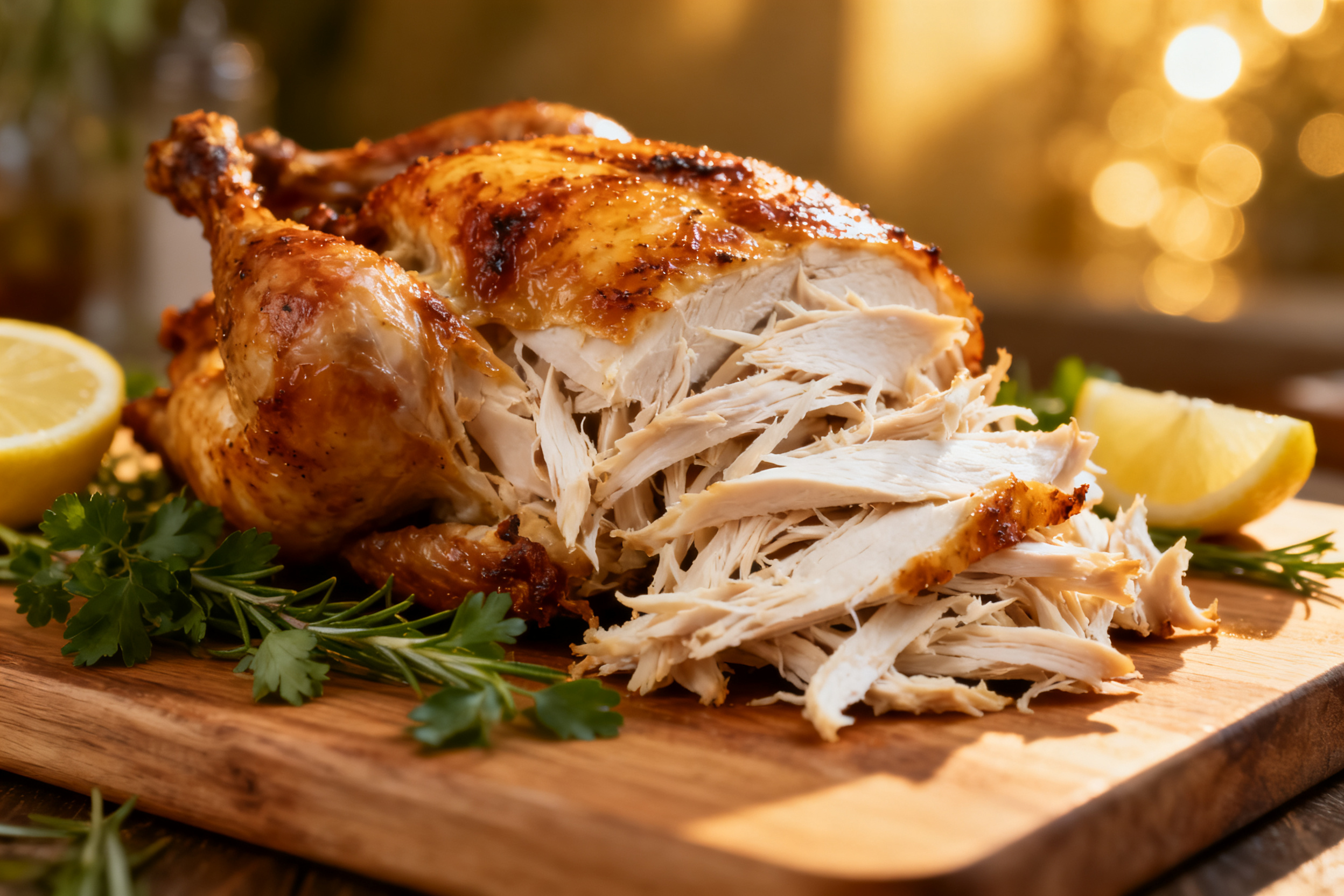
- Prep the chicken. Remove skin if you prefer, then shred or chop the meat into bite-size pieces. Keep it in a bowl, ready to go.
- Choose your path. Decide on a quick dish: soup, salad, tacos, pasta, rice bowl, quesadillas, or a creamy skillet. Picking a theme helps guide your flavors.
- Build a flavor base. Warm a splash of olive oil or a pat of butter in a skillet. Sauté chopped onion and garlic with a pinch of salt until soft and fragrant.
- Add vegetables. Toss in quick-cooking veggies like bell peppers or spinach. Sauté until just tender to keep color and crunch.
- Season smartly. Sprinkle spices that match your theme—cumin and chili powder for tacos, Italian seasoning for pasta, curry powder for a creamy curry. Toast spices for 30 seconds to wake them up.
- Stir in the chicken. Add the shredded chicken and warm gently. Since it’s already cooked, avoid high heat or long cook times to prevent dryness.
- Choose a sauce or liquid. For soup, add broth. For pasta, add a splash of pasta water and a bit of cream or tomato sauce. For stir-fries, try soy sauce and a little cornstarch slurry to thicken.
- Balance the flavors. Finish with acid—lemon juice, lime, or a dash of vinegar—and fresh herbs. Taste and adjust salt, pepper, and heat.
- Serve with a base. Spoon it over rice or quinoa, tuck into tortillas, fold into a quesadilla, or toss with pasta. Top with cheese, yogurt, or hot sauce if you like.
- Keep it simple. The best leftover chicken meals are fast and unfussy. Focus on fresh add-ins and bright finishes rather than long simmer times.
What Makes This Special
Leftover rotisserie chicken isn’t just convenient—it’s a flavor base that speeds up cooking by half. You get seasoned, ready-to-use protein that works in everything from light lunches to hearty dinners. It’s budget-friendly because you stretch one bird into multiple meals.
And since the seasoning is subtle, it plays nicely with bold spices, fresh herbs, creamy sauces, or bright citrus.
Shopping List
- Leftover rotisserie chicken (shredded or chopped; white and dark meat)
- Aromatics: onion, garlic, green onion, or shallot
- Fresh produce: bell peppers, cherry tomatoes, spinach or kale, lemon or lime
- Herbs: cilantro, parsley, dill, or basil
- Carbs: rice, pasta, tortillas, bread, or quinoa
- Broth or stock (chicken or vegetable)
- Canned goods: beans (black, white, or chickpeas), diced tomatoes, coconut milk (optional)
- Dairy: shredded cheese, Parmesan, sour cream, plain yogurt, or cream
- Pantry staples: olive oil, butter, flour or cornstarch, soy sauce, hot sauce
- Spices: salt, pepper, paprika, cumin, chili powder, Italian seasoning, curry powder
- Extras (optional): pesto, salsa, BBQ sauce, buffalo sauce, or teriyaki sauce
How to Make It
- Prep the chicken. Remove skin if you prefer, then shred or chop the meat into bite-size pieces. Keep it in a bowl, ready to go.
- Choose your path. Decide on a quick dish: soup, salad, tacos, pasta, rice bowl, quesadillas, or a creamy skillet. Picking a theme helps guide your flavors.
- Build a flavor base. Warm a splash of olive oil or a pat of butter in a skillet.
Sauté chopped onion and garlic with a pinch of salt until soft and fragrant.
- Add vegetables. Toss in quick-cooking veggies like bell peppers or spinach. Sauté until just tender to keep color and crunch.
- Season smartly. Sprinkle spices that match your theme—cumin and chili powder for tacos, Italian seasoning for pasta, curry powder for a creamy curry. Toast spices for 30 seconds to wake them up.
- Stir in the chicken. Add the shredded chicken and warm gently.
Since it’s already cooked, avoid high heat or long cook times to prevent dryness.
- Choose a sauce or liquid. For soup, add broth. For pasta, add a splash of pasta water and a bit of cream or tomato sauce. For stir-fries, try soy sauce and a little cornstarch slurry to thicken.
- Balance the flavors. Finish with acid—lemon juice, lime, or a dash of vinegar—and fresh herbs.
Taste and adjust salt, pepper, and heat.
- Serve with a base. Spoon it over rice or quinoa, tuck into tortillas, fold into a quesadilla, or toss with pasta. Top with cheese, yogurt, or hot sauce if you like.
- Keep it simple. The best leftover chicken meals are fast and unfussy. Focus on fresh add-ins and bright finishes rather than long simmer times.
How to Store
Strip the meat from the bones as soon as you can and store it in an airtight container. Refrigerate within 2 hours of cooking or buying the rotisserie chicken.
It will keep in the fridge for 3–4 days. For longer storage, portion chicken into freezer bags, press out excess air, and freeze for up to 3 months. Label with the date.
Reheat gently on the stove with a splash of broth or water, or in the microwave covered with a damp paper towel. Warm just until hot to avoid drying out.
If frozen, thaw overnight in the fridge for best texture.
Health Benefits
- Lean protein: Rotisserie chicken delivers high-quality protein to support muscle health and keep you full.
- Customizable nutrition: Pair with vegetables, whole grains, and beans for balanced fiber, vitamins, and minerals.
- Lower waste: Using leftovers reduces food waste and encourages mindful eating.
- Control the extras: You decide the sodium and sauces, so you can keep things lighter or richer as needed.
- Collagen potential: If you keep the bones, simmer them for stock, which adds flavor and nutrients to soups.
Common Mistakes to Avoid
- Overcooking the chicken. It’s already done—just warm it through to keep it juicy.
- Skipping acidity. A squeeze of lemon or splash of vinegar brightens flavors and balances richness.
- Letting it dry out. Use a little broth, sauce, or oil when reheating, and cover to trap steam.
- Not tasting as you go. Rotisserie seasoning varies. Taste and adjust salt and spices to match.
- Ignoring texture. Add crunch with fresh veggies, nuts, or toasted breadcrumbs to avoid a flat, soft dish.
Variations You Can Try
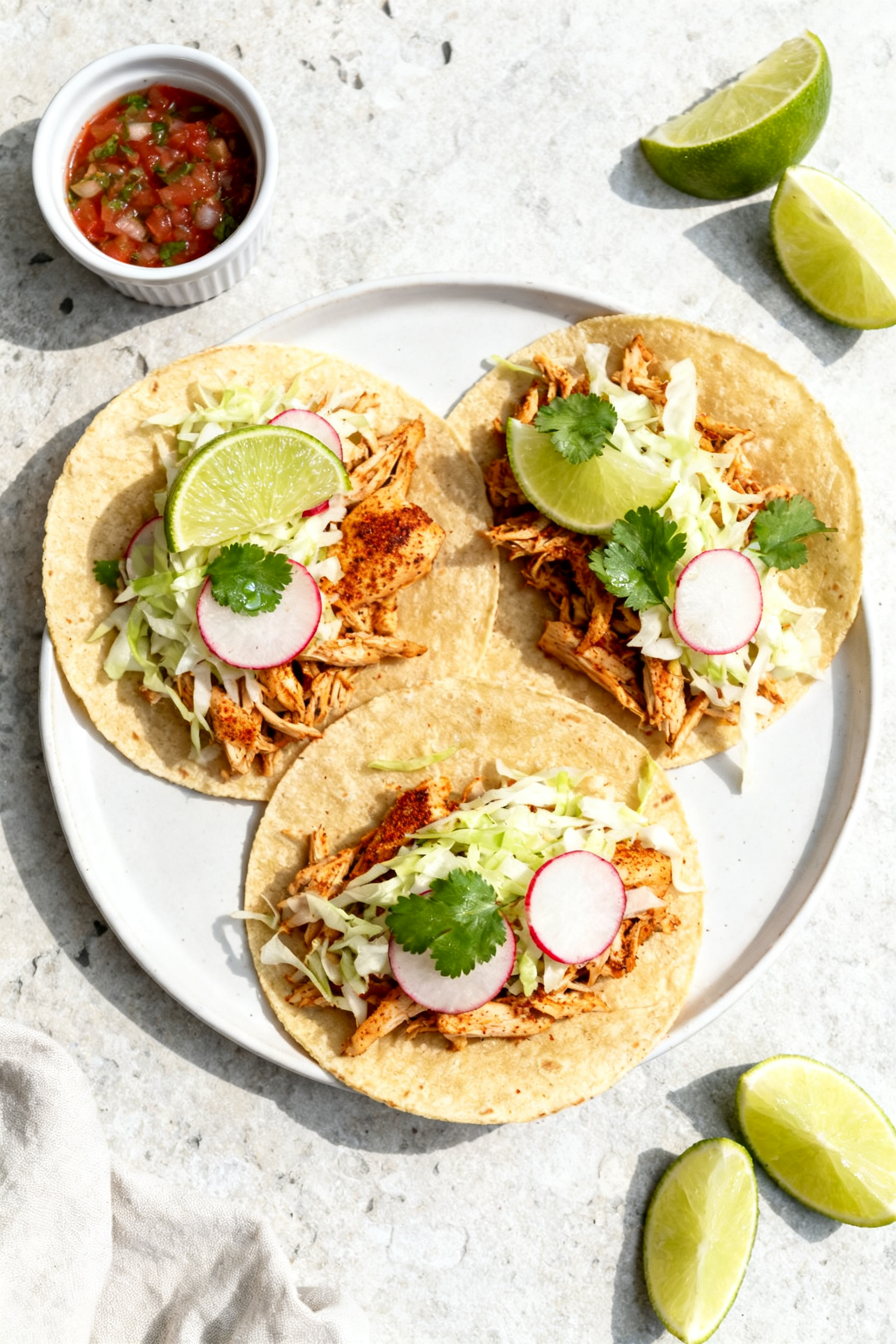
- Weeknight Chicken Tacos: Warm chicken with chili powder, cumin, and a little salsa. Serve in tortillas with lime, cilantro, and shredded cabbage.
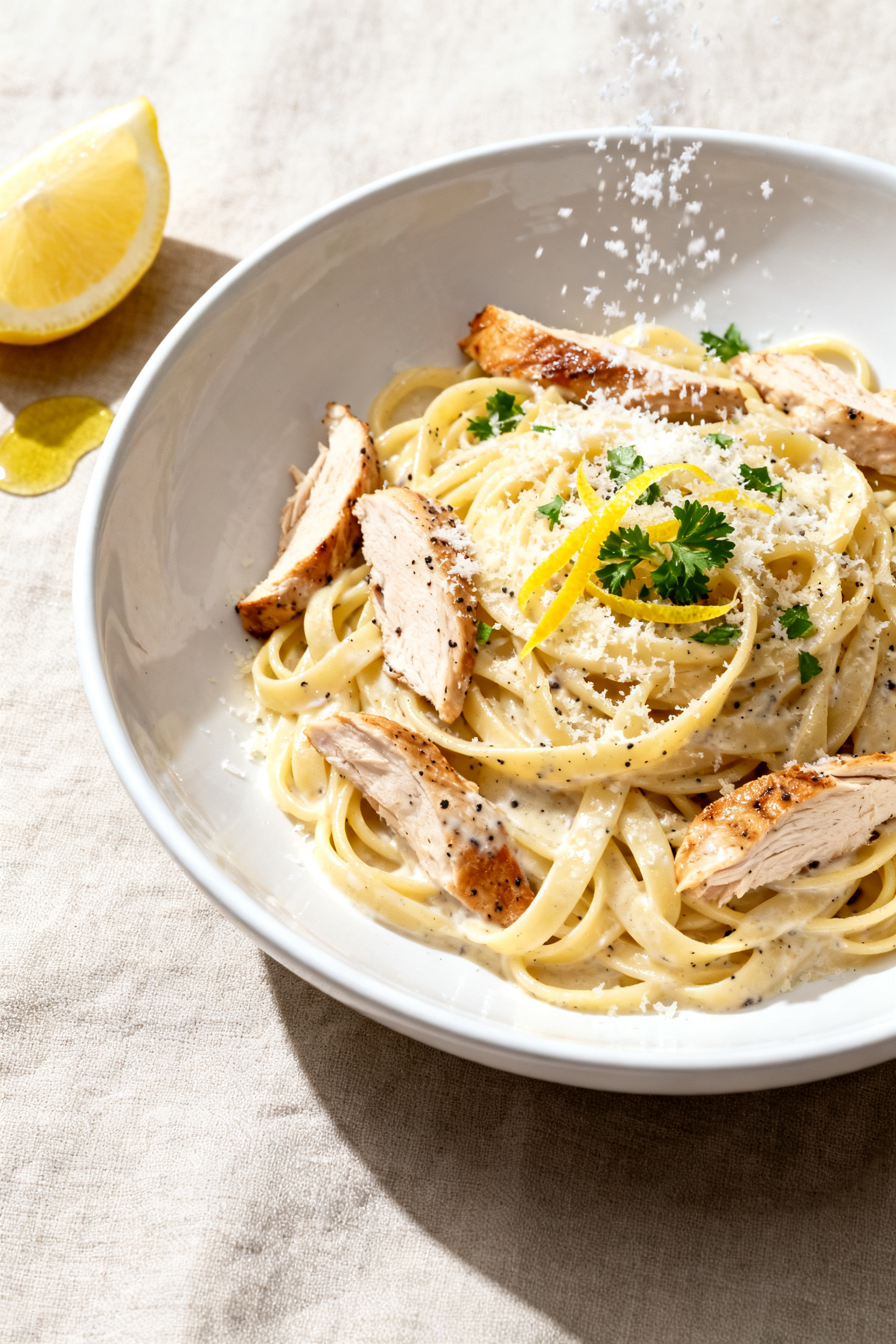
- Creamy Lemon Pasta: Sauté garlic, add cream or half-and-half, a splash of pasta water, Parmesan, lemon zest, and chicken.
Toss with spaghetti and parsley.
- Hearty Chicken Soup: Simmer onion, carrots, and celery in broth. Add chicken, a handful of noodles or rice, and finish with dill and lemon.
- Chicken Fried Rice: Stir-fry day-old rice with peas, carrots, soy sauce, sesame oil, scrambled egg, and chicken. Top with scallions.
- Buffalo Chicken Quesadillas: Toss chicken with buffalo sauce, layer with cheese in a tortilla, and griddle until crisp.
Serve with ranch or blue cheese.
- Mediterranean Salad Bowl: Combine chicken with cucumber, tomato, olives, feta, and a lemon-olive oil dressing. Serve over greens or quinoa.
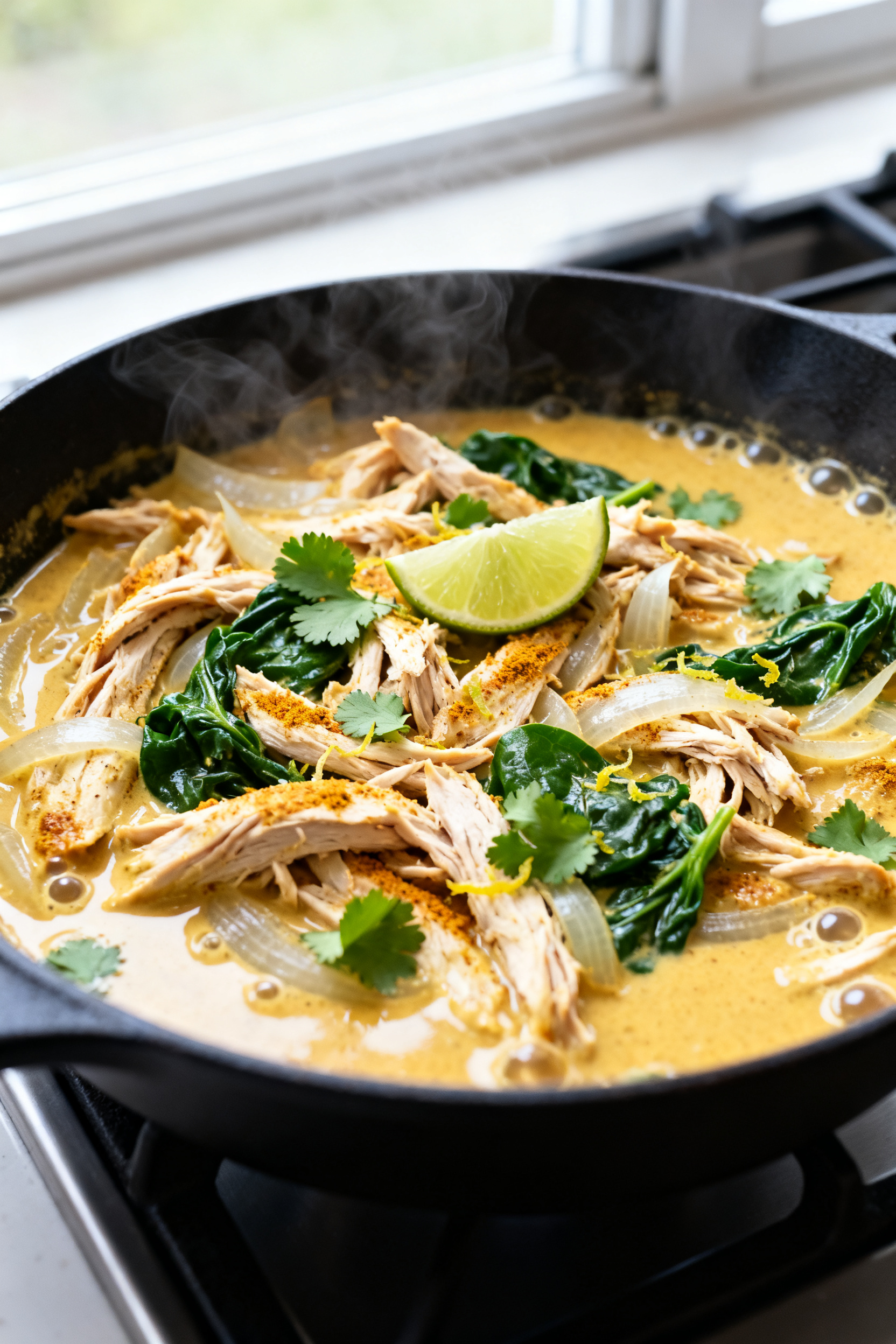
- Curry Coconut Skillet: Sauté onion with curry powder, add coconut milk and chicken, simmer briefly, and serve with rice and lime.
- BBQ Chicken Flatbread: Spread BBQ sauce on flatbread, top with chicken, red onion, and cheese. Bake until bubbly; finish with cilantro.
FAQ
How long is leftover rotisserie chicken safe to eat?
It’s best within 3–4 days when stored in an airtight container in the fridge.
If you won’t use it in that window, freeze it for up to 3 months.
Can I freeze rotisserie chicken with the skin on?
Yes, but the skin won’t stay crisp after thawing. If you like the flavor, freeze it; otherwise, remove it before freezing to save space and reduce grease.
What’s the best way to keep it from drying out when reheating?
Reheat with a little broth or water and cover to trap steam. Use low to medium heat and stop as soon as it’s hot.
Is the dark meat better than the white meat?
It depends on your preference.
Dark meat is more forgiving and stays juicier; white meat is leaner and mild. Mix both for the best texture and flavor.
Can I use the bones and carcass?
Absolutely. Simmer with onion, carrot, celery, garlic, peppercorns, and bay leaves for 2–3 hours to make rich homemade stock.
Strain and refrigerate or freeze.
What if my rotisserie chicken is heavily seasoned?
Balance bold seasoning with neutral add-ins like plain rice, pasta, or yogurt-based sauces. Taste before salting to avoid overseasoning.
How do I make it work for meal prep?
Portion chicken into containers with grains and veggies, keep dressings or sauces separate, and add fresh herbs right before eating. Rotate flavors through the week.
Can I make it kid-friendly?
Yes—try quesadillas, simple pasta with butter and Parmesan, mild chicken noodle soup, or BBQ chicken sandwiches.
Keep spices gentle and offer toppings on the side.
Final Thoughts
Leftover rotisserie chicken is the shortcut that never feels like a shortcut. With a few fresh ingredients and a clear plan, you can turn it into satisfying meals in minutes. Keep the heat low, season with intention, and finish with something bright.
Whether you go cozy with soup or bold with tacos, it’s a reliable way to eat well without fuss.
Printable Recipe Card
Want just the essential recipe details without scrolling through the article? Get our printable recipe card with just the ingredients and instructions.