
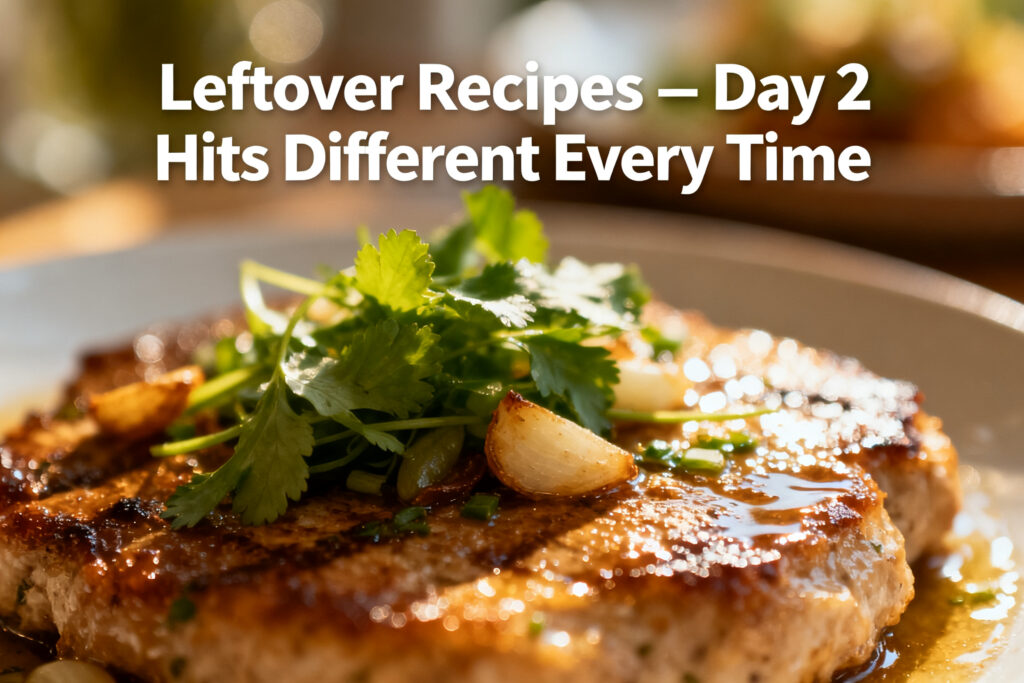
Leftovers aren’t a punishment; they’re a head start. Day 2 flavors mellow, deepen, and get cozy in a way fresh-cooked food just can’t match. The trick is giving them a new shape without turning dinner into a second job.
Think bowls, quesadillas, fried rice, and soups that come together fast and taste like you planned it all along. This guide gives you a flexible formula so whatever you’ve got in the fridge can become something you’re excited to eat.
Leftover Recipes — Day 2 Hits Different Every Time - Simple, Practical Ways to Love Your Leftovers
Ingredients
Method
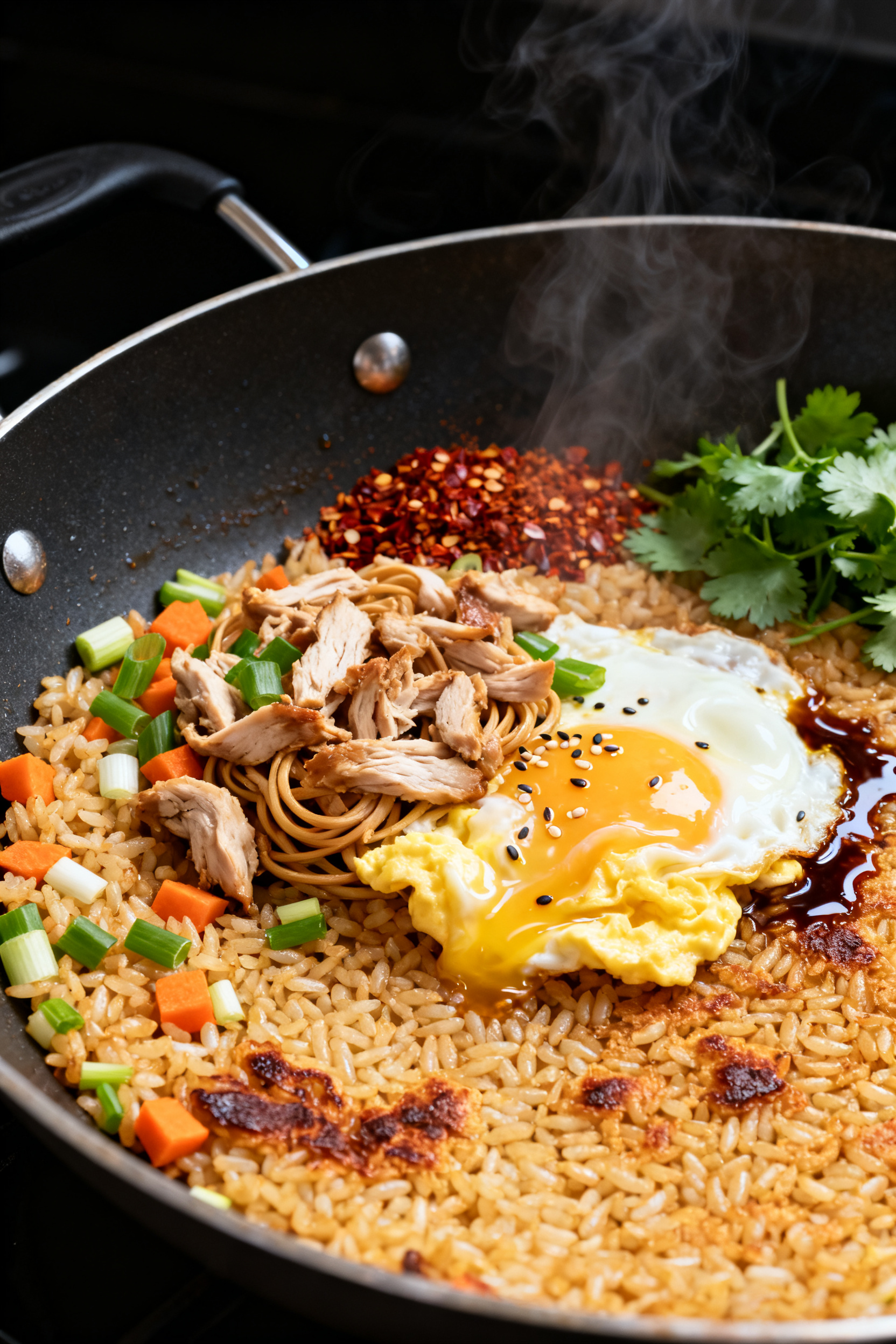
- Pan-Fried Rice or Grain Bowl Heat a large skillet over medium-high with 1–2 tablespoons of oil.
- Add chopped onions or scallions and any firm veggies; cook until lightly browned.
- Stir in leftover rice or grains and press down; let it crisp for 1–2 minutes.
- Add chopped protein. Push to the side, scramble an egg in the empty space (optional), then mix together.
- Season with soy sauce, a splash of vinegar or lime, and a few drops of sesame oil. Finish with chili flakes and herbs.
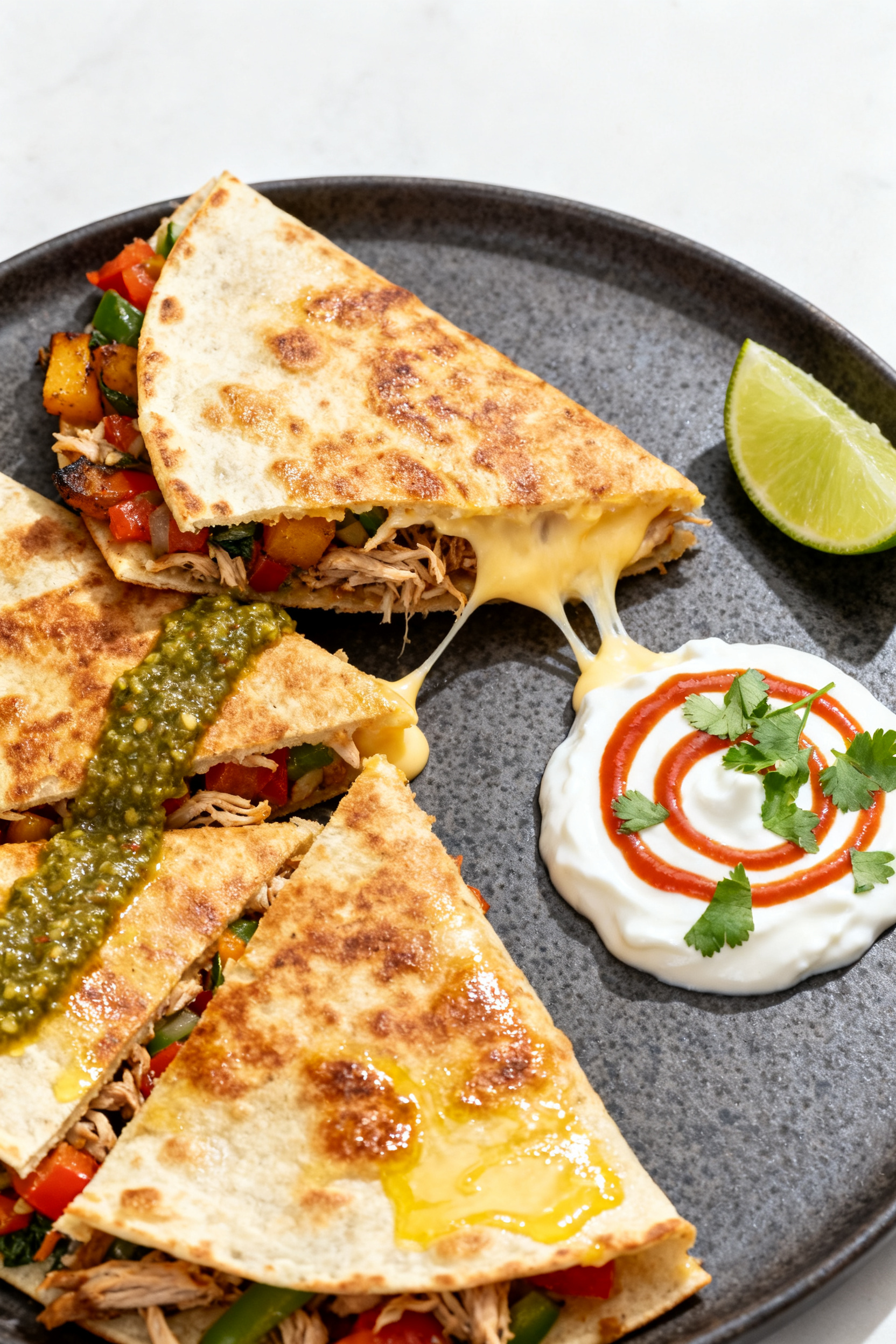
- Quesadilla or Wrap Flip Warm a tortilla in a skillet with a thin layer of oil or butter.
- Layer cheese, chopped leftovers, and a spoon of salsa or pesto.
- Fold and cook until crisp on both sides. Rest 1 minute, slice, and add a dollop of yogurt or hot sauce.
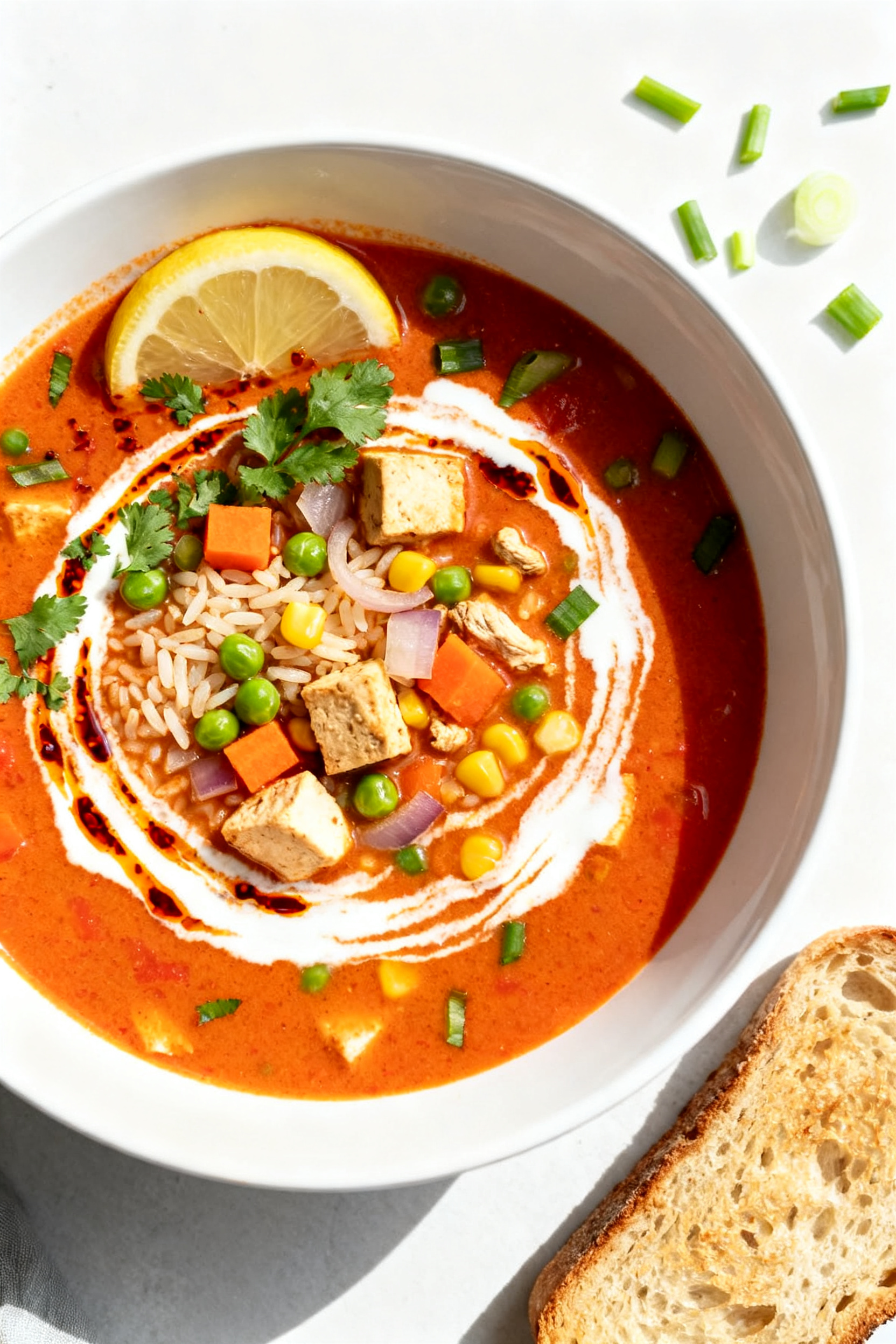
- Soup Stretch Sauté aromatics (onion, garlic, celery, or ginger) in a pot with oil.
- Add chopped veggies and a tablespoon of tomato paste or curry paste; cook 1 minute.
- Pour in broth or water, then add your cooked grains and protein.
- Simmer 8–10 minutes. Finish with lemon juice or vinegar, and a swirl of coconut milk or yogurt if you like.
- Loaded Salad or Bowl Toss sturdy greens or shredded cabbage with olive oil, lemon juice, salt, and pepper.
- Add warmed leftovers, roasted veggies, and a grain if you have it.
- Top with nuts or seeds for crunch and a spoonful of hummus, tahini, or feta for richness.
- Pasta Reinvention Warm a pan with olive oil, garlic, and chili flakes.
- Add chopped veggies and protein. Stir in leftover pasta and a splash of pasta water or broth.
- Finish with pesto, a squeeze of lemon, and grated cheese.
- Sheet-Pan Melt Spread leftovers on a baking sheet. Top with cheese or drizzle with a quick sauce.
- Broil 3–5 minutes until hot and bubbly. Serve over toast, rice, or greens.
- Breakfast Hash Chop leftover potatoes or roasted veg. Fry in a skillet until crisp at the edges.
- Add protein, herbs, and a splash of hot sauce.
- Top with a fried or poached egg for a complete meal.
What Makes This Special
Day 2 isn’t about reheating; it’s about remixing. You take a cooked protein, a grain or starch, a vegetable, and a flavor base, then match them to a quick method that brings it all back to life.
The result feels new, but it’s still low-effort and budget-friendly.
It’s also a smart way to reduce food waste. Instead of watching a mystery container die a slow fridge death, you’re turning it into lunch or dinner you’ll actually finish. With a few pantry staples, you can stretch small portions into a full meal that feels intentional.
What You’ll Need
Pick and mix from these categories based on what you already have:
- Leftover Protein: Chicken, steak, pork, tofu, tempeh, beans, lentils, shrimp, roasted chickpeas.
- Leftover Base: Rice, quinoa, pasta, roasted potatoes, tortillas, bread, couscous, farro.
- Veggies (Cooked or Fresh): Roasted vegetables, salad greens, cabbage, carrots, bell peppers, onions, scallions, spinach, frozen peas, corn.
- Flavor Makers: Garlic, ginger, onions, chili flakes, curry paste, soy sauce, salsa, pesto, miso, lemon/lime, vinegar, hot sauce, sesame oil.
- Binders and Boosters: Eggs, cheese, yogurt, coconut milk, broth, tomato paste, butter or oil, tahini, mayonnaise.
- Crunch and Herbs: Nuts, seeds, crushed chips, breadcrumbs, cilantro, parsley, basil, green onions.
- Optional Toppers: Pickles, kimchi, olives, avocado, sour cream, lime wedges.
Step-by-Step Instructions
Choose one of these quick formats to turn your leftovers into a new meal.
- Pan-Fried Rice or Grain Bowl
- Heat a large skillet over medium-high with 1–2 tablespoons of oil.
- Add chopped onions or scallions and any firm veggies; cook until lightly browned.
- Stir in leftover rice or grains and press down; let it crisp for 1–2 minutes.
- Add chopped protein.
Push to the side, scramble an egg in the empty space (optional), then mix together.
- Season with soy sauce, a splash of vinegar or lime, and a few drops of sesame oil. Finish with chili flakes and herbs.
- Quesadilla or Wrap Flip
- Warm a tortilla in a skillet with a thin layer of oil or butter.
- Layer cheese, chopped leftovers, and a spoon of salsa or pesto.
- Fold and cook until crisp on both sides. Rest 1 minute, slice, and add a dollop of yogurt or hot sauce.
- Soup Stretch
- Sauté aromatics (onion, garlic, celery, or ginger) in a pot with oil.
- Add chopped veggies and a tablespoon of tomato paste or curry paste; cook 1 minute.
- Pour in broth or water, then add your cooked grains and protein.
- Simmer 8–10 minutes.
Finish with lemon juice or vinegar, and a swirl of coconut milk or yogurt if you like.
- Loaded Salad or Bowl
- Toss sturdy greens or shredded cabbage with olive oil, lemon juice, salt, and pepper.
- Add warmed leftovers, roasted veggies, and a grain if you have it.
- Top with nuts or seeds for crunch and a spoonful of hummus, tahini, or feta for richness.
- Pasta Reinvention
- Warm a pan with olive oil, garlic, and chili flakes.
- Add chopped veggies and protein. Stir in leftover pasta and a splash of pasta water or broth.
- Finish with pesto, a squeeze of lemon, and grated cheese.
- Sheet-Pan Melt
- Spread leftovers on a baking sheet. Top with cheese or drizzle with a quick sauce.
- Broil 3–5 minutes until hot and bubbly.
Serve over toast, rice, or greens.
- Breakfast Hash
- Chop leftover potatoes or roasted veg. Fry in a skillet until crisp at the edges.
- Add protein, herbs, and a splash of hot sauce.
- Top with a fried or poached egg for a complete meal.
Storage Instructions
- Cool fast: Transfer hot food to shallow containers within 2 hours of cooking.
- Label and date: Most cooked leftovers keep 3–4 days in the fridge.
- Freeze smart: Grains, cooked meats, soups, and stews freeze well for up to 2–3 months. Wrap tightly and remove air.
- Reheat safely: Get food to 165°F (74°C).
Stir halfway for even heating.
- Smell check: If it smells off, looks slimy, or you’re unsure, throw it out.
Health Benefits
- Balanced meals, fast: Remixing lets you pair protein, fiber, and healthy fats without cooking from scratch.
- Portion control: Leftovers naturally limit excess; you’re working with what’s there.
- More fiber and micronutrients: Adding greens, beans, or whole grains boosts gut health and keeps you full.
- Lower food waste: Good for your wallet and the planet.
- Starch bonuses: Chilled and reheated grains can increase resistant starch, which may support gut health and stable energy.
What Not to Do
- Don’t reheat delicate greens the same way: Lettuce or soft herbs turn mushy. Add them fresh at the end.
- Don’t microwave breaded or crispy items uncovered: They’ll go soggy. Re-crisp in a skillet or oven.
- Don’t stack flavors without balance: Rich leftovers need acid (lemon, vinegar) or heat (chili) to wake up.
- Don’t mix seafood with long-stored meats: Keep proteins simple; seafood has a shorter safe window (1–2 days).
- Don’t forget moisture: A splash of broth, water, or sauce keeps reheated meals from drying out.
Alternatives
- No grains? Use cauliflower rice, zoodles, or shredded cabbage for bowls and stir-fries.
- Dairy-free? Swap cheese for avocado, tahini, or a cashew-based sauce.
- Gluten-free? Choose corn tortillas, rice, quinoa, or polenta instead of wheat-based options.
- Vegetarian? Beans, tofu, tempeh, and eggs carry flavor beautifully and reheat well.
- Low effort? Turn leftovers into a toast topper: spread hummus or ricotta, add warmed leftovers, finish with herbs.
- High-protein? Add an egg, Greek yogurt sauce, or extra legumes to stretch moderate portions.
FAQ
How long are leftovers safe to eat?
Most cooked leftovers are safe for 3–4 days in the refrigerator when stored in sealed containers.
If you won’t use them in time, freeze within 1–2 days. When reheating, make sure the food is steaming hot throughout.
What if my leftovers are dry?
Add moisture. A splash of broth, water, coconut milk, or even a little butter or olive oil can revive dryness.
Acid like lemon or vinegar helps, too, making flavors pop so the dish doesn’t taste flat.
Can I mix different cuisines?
Yes, but give them a bridge. Use a neutral base (rice, tortillas, noodles) and one unifying flavor like soy sauce, pesto, or yogurt sauce. Keep it simple to avoid clashing spices.
What’s the best way to re-crisp food?
Use heat and air.
A hot skillet, oven, or air fryer will bring back crunch. Avoid sealing steam in; spread food out and give it space. Add a tiny bit of oil if needed.
Are reheated carbs unhealthy?
Reheated carbs are fine as part of a balanced diet.
In fact, cooling and reheating some starches can increase resistant starch, which may support gut health. Pair with protein, veggies, and healthy fats for steady energy.
How do I fix bland leftovers?
Use the trifecta: salt, acid, and heat. A pinch of salt, a squeeze of lemon or splash of vinegar, and a hit of chili or pepper can wake up almost anything.
Fresh herbs at the end make a big difference.
What if I only have a tiny amount?
Stretch it. Add an egg, beans, or frozen veggies; fold into a quesadilla; or top a bowl of greens and grains. Tiny portions become a full meal with a smart base and a quick sauce.
Can I reheat seafood safely?
Yes, but be gentle.
Seafood dries out fast, so reheat over low heat with a splash of liquid, or eat it cold in a salad with a bright dressing. Aim to use it within 1–2 days.
What sauces should I keep on hand?
Soy sauce, hot sauce, vinegar (rice, apple cider), lemon or lime, pesto, salsa, tahini, and a neutral oil cover most bases. These give you salty, spicy, tangy, creamy, and rich options in seconds.
How do I avoid soggy microwave results?
Spread food in a thin layer, cover loosely, and reheat in short bursts, stirring in between.
Add a little liquid for steam, then finish on the stove or in the oven if you want crisp edges.
In Conclusion
Day 2 isn’t leftovers; it’s leverage. With a few reliable formats and pantry helpers, last night’s dinner becomes today’s best meal. Keep the method simple, balance flavors with acid and heat, and store food safely.
Once you get the hang of it, you’ll start cooking with tomorrow in mind—and every day will taste a little better.
Printable Recipe Card
Want just the essential recipe details without scrolling through the article? Get our printable recipe card with just the ingredients and instructions.