
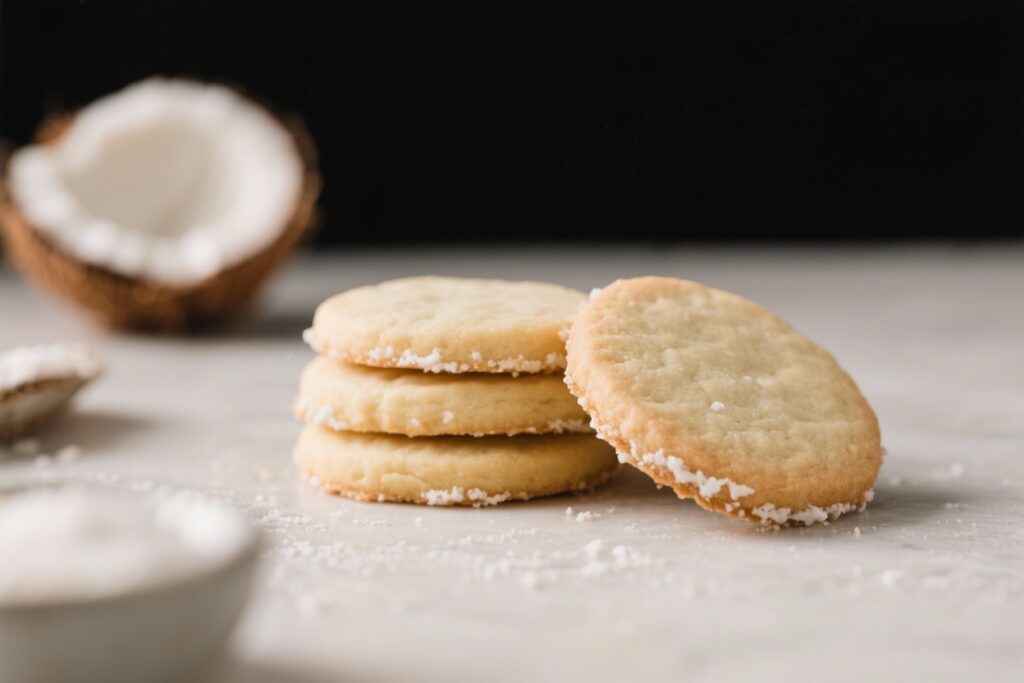
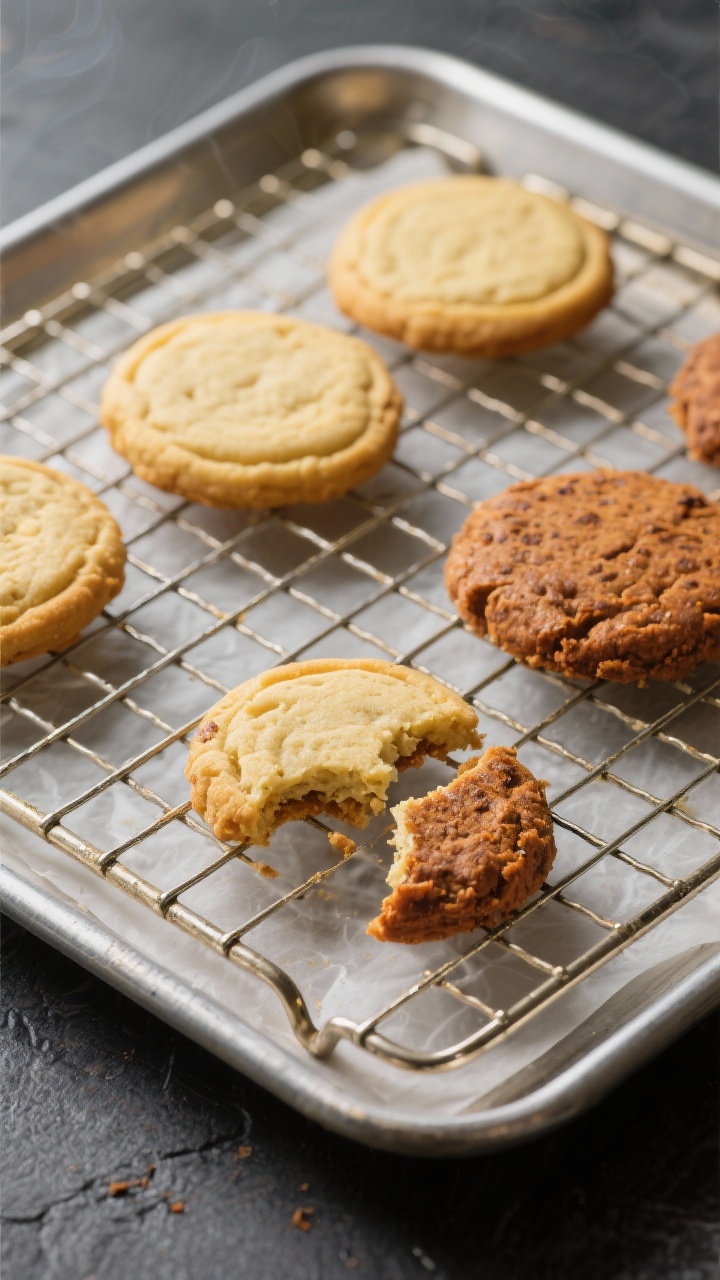
These cookies don’t just taste good—they’re the kind you bake once and suddenly become “the cookie person” in your group chat. We’re talking crisp, golden edges with soft, plush centers that hold their shape like champs. No butter, no eggs, no drama.
Just coconut oil, smart technique, and a flavor that smacks. If you want bakery-level results without a culinary diploma, this is your new flex.
The Secret Behind This Recipe
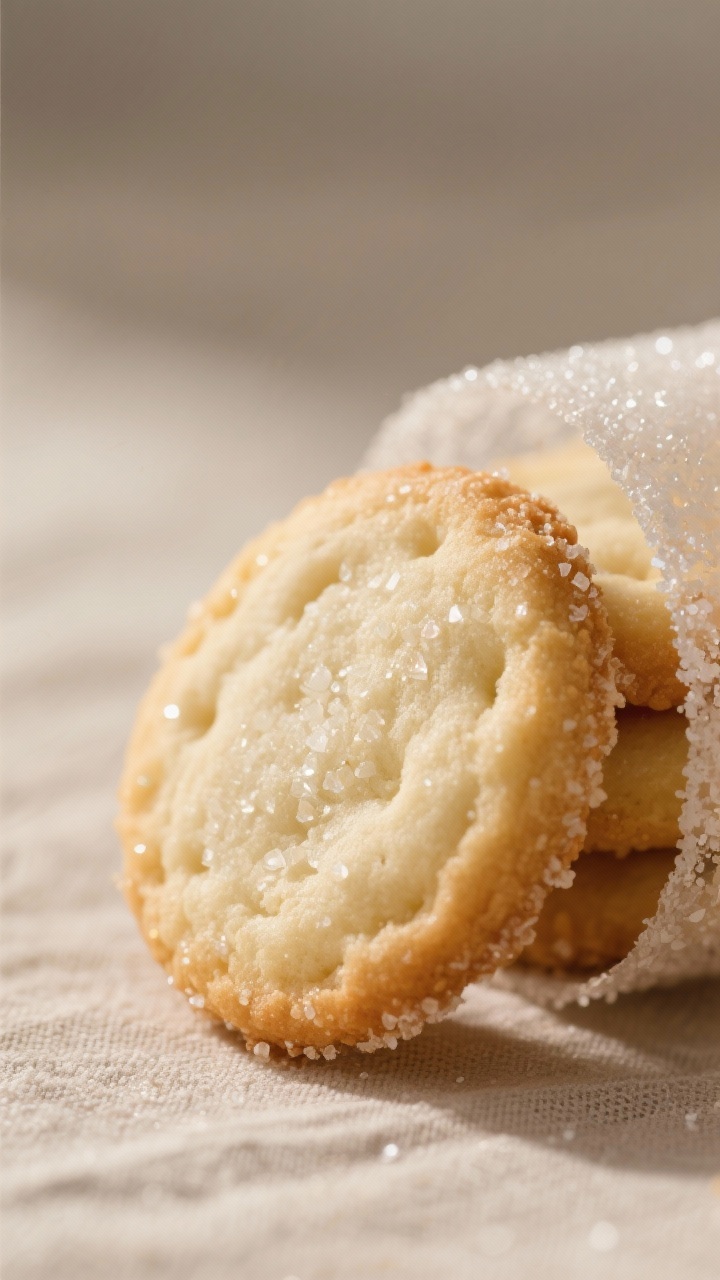
The magic here is in the fat and the method. Coconut oil behaves differently from butter—it sets quickly, which helps create those sharp edges and clean cuts.
By creaming softened (but not melted) coconut oil with sugar, you trap air for lift and structure, even without eggs. A touch of cornstarch keeps the interior tender while preventing spread. Meanwhile, a bit of plant milk brings the dough together without overhydrating.
Chill time? Non-negotiable. It firms the fat, tightens the dough, and gives you that trademark snap on the edges.
Finally, rolling to an even thickness ensures consistent bake and texture—no crunchy hockey pucks here.
Ingredients Breakdown
- Refined coconut oil (1/2 cup, softened) – Use refined for neutral flavor; unrefined will add coconut notes. Softened means scoopable, not melted.
- Granulated sugar (3/4 cup) – Classic white sugar = crisp edges and clean sweetness.
- Light brown sugar (2 tbsp) – Adds a hint of moisture and depth without sacrificing the snap.
- Plant milk (2–3 tbsp) – Oat, almond, or soy; start with 2 tbsp and add more only if needed.
- Vanilla extract (2 tsp) – Flavor backbone. Don’t skimp.
- Almond extract (1/4 tsp, optional) – Subtle bakery-level vibe.
Optional but excellent.
- All-purpose flour (2 cups) – Spoon and level for accuracy.
- Cornstarch (2 tsp) – Tenderizes and helps prevent spreading.
- Baking powder (1/2 tsp) – Gentle lift, keeps cookies from going flat.
- Fine sea salt (1/2 tsp) – Balances sweetness and brightens flavor.
- Sanding sugar for rolling (optional) – Adds sparkle and extra crunch.
Step-by-Step Instructions
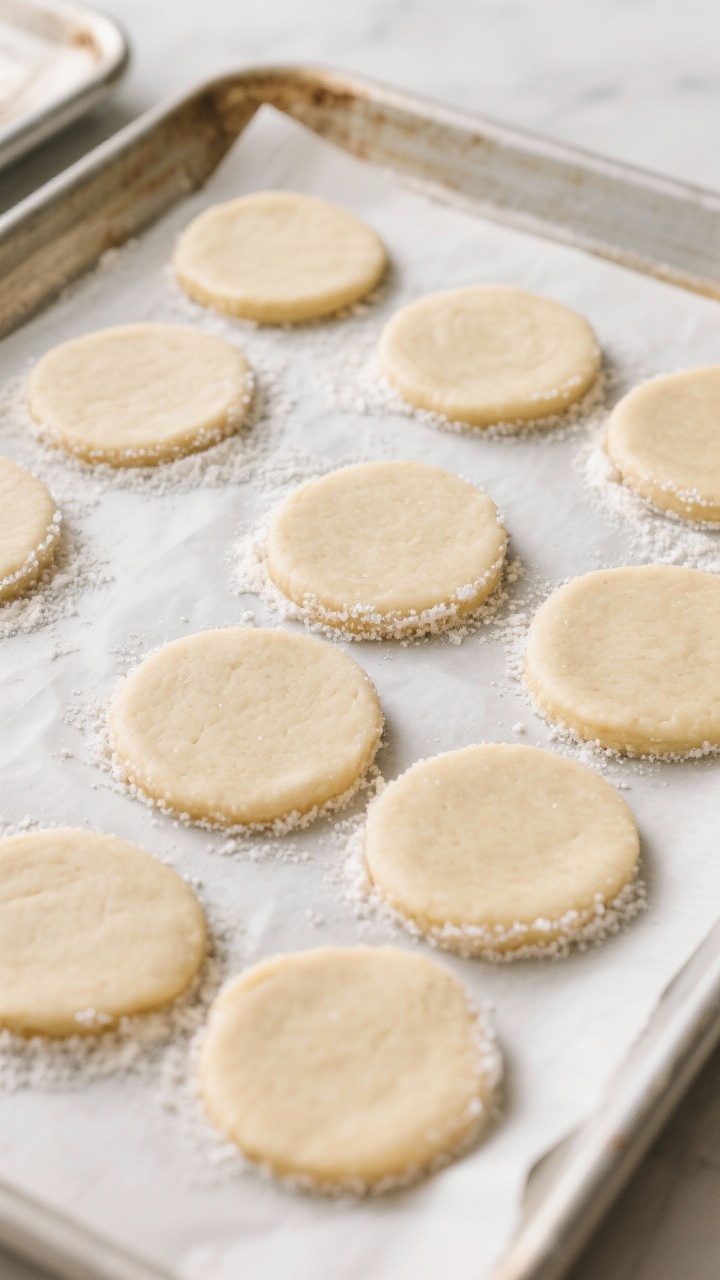
- Prep your gear. Preheat oven to 350°F (175°C). Line two baking sheets with parchment. Set aside.
- Cream the fat and sugar. In a large bowl, beat softened coconut oil with granulated sugar and brown sugar for 2–3 minutes until light and fluffy.
This is your structure—don’t rush it.
- Add liquids. Mix in vanilla (and almond extract, if using). Add 2 tbsp plant milk and beat until smooth; it should look creamy, not greasy. If crumbly later, you can add the extra 1 tbsp milk.
- Whisk the dry team. In a separate bowl, whisk flour, cornstarch, baking powder, and salt until evenly combined.
- Bring it together. Add dry ingredients to wet in two additions.
Mix on low until a soft dough forms. If the dough looks dry or sandy, add the remaining 1 tbsp plant milk. The dough should be plush and cohesive, not sticky.
- Chill. Flatten dough into a disc, wrap, and chill 30–45 minutes.
This locks in shape and edge crispness. FYI, longer chilling (up to 24 hours) adds flavor.
- Shape. For cutouts: Roll on a lightly floured surface to 1/4 inch thick and cut shapes. For classic rounds: Scoop 1.5 tbsp portions, roll into balls, then gently flatten to ~1/2 inch.
Optional: roll edges in sanding sugar.
- Bake smart. Arrange on prepared sheets, leaving 2 inches between. Bake 9–12 minutes, rotating trays halfway. Edges should be lightly golden; centers will look just-set.
- The crucial cool. Let cookies rest on the sheet 5 minutes to finish setting, then transfer to a rack.
As they cool, edges crisp and centers settle into chewy-soft perfection.
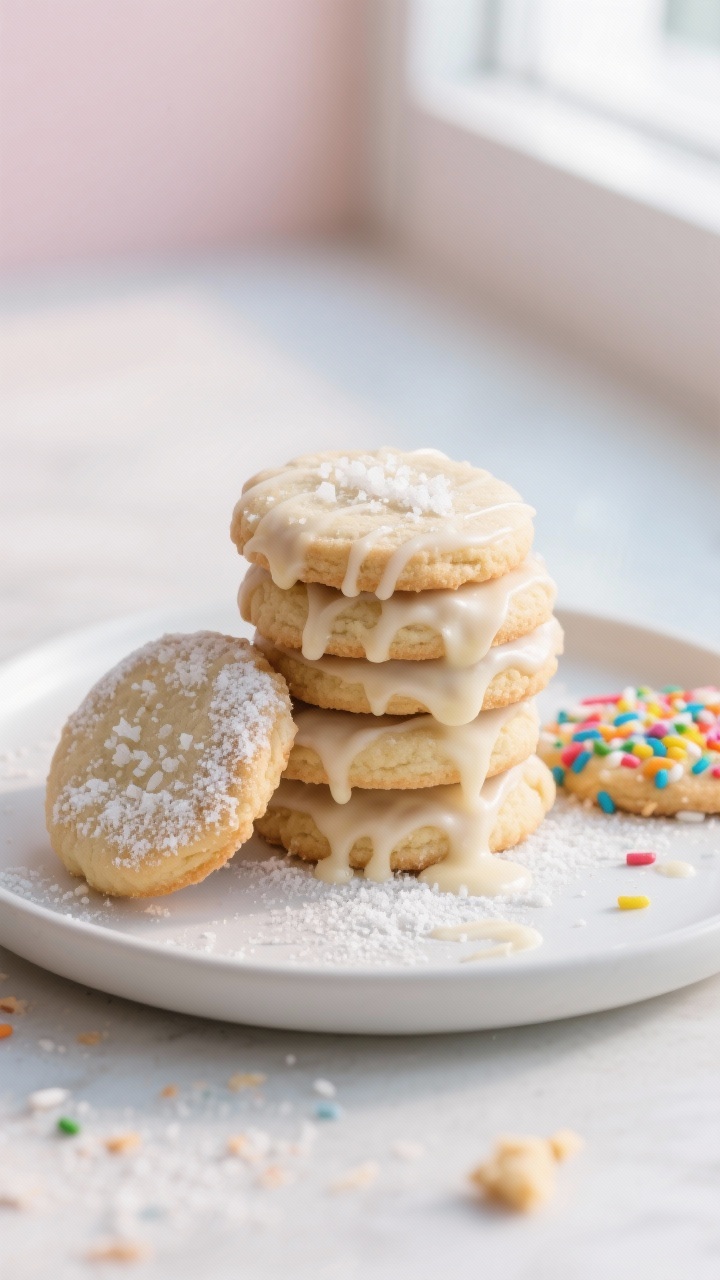
- Optional finishing move. Once cool, glaze with powdered sugar + plant milk + vanilla, or keep it minimalist and let the texture speak.
How to Store
- Room temperature: Airtight container for 4–5 days. Slip in a slice of bread to keep them soft in the center.
- Freezer (baked): Freeze in a zip bag up to 2 months. Thaw at room temp; re-crisp at 300°F for 3–4 minutes if desired.
- Freezer (dough): Freeze portioned dough balls or rolled/cut shapes on a tray, then bag.
Bake from frozen, adding 1–2 minutes.
Health Benefits
- Egg-free and dairy-free: Friendly for those with common allergies and lactose intolerance.
- Better fat profile: Coconut oil contains medium-chain triglycerides, which some people find more easily metabolized, IMO. Still a treat, but a thoughtful one.
- Control the sweetness: Making them at home lets you choose sugars, reduce sweetness slightly, or use organic options.
- No mysterious additives: Clean pantry ingredients you can pronounce. Your label-averse friend will approve.
What Not to Do
- Don’t melt the coconut oil. Melted oil = greasy, spread-prone cookies.
You’ll lose the crisp edges.
- Don’t skip chilling. Warm dough spreads like a rumor. Chilled dough holds shape and bakes evenly.
- Don’t overbake “until golden all over.” If the entire cookie is brown, it’s dry. Pull when edges just turn golden.
- Don’t pack the flour. Spoon and level.
Too much flour makes tough, cakey cookies.
- Don’t overmix after adding flour. Overworking builds gluten and kills tenderness.
Different Ways to Make This
- Lemon poppy: Add 1 tbsp lemon zest, 1 tbsp lemon juice (reduce milk by 1 tbsp), and 1 tbsp poppy seeds.
- Funfetti: Stir in 1/3 cup vegan sprinkles. Instant party energy.
- Almond snow: Swap 1/4 cup flour for almond flour; finish with almond glaze and sliced almonds.
- Chai spice: Add 1 tsp ground cinnamon, 1/2 tsp ginger, 1/4 tsp cardamom, pinch of cloves.
- Chocolate-dipped: Dip cooled cookies in melted vegan chocolate; sprinkle flaky salt for drama.
- Gluten-free option: Use a 1:1 gluten-free baking blend and add an extra 1 tsp plant milk if the dough feels dry.
FAQ
Can I use unrefined coconut oil?
Yes. Expect a subtle coconut flavor, which can be lovely with vanilla or citrus.
For a neutral taste, stick to refined.
Why are my cookies spreading too much?
Your oil may have been too soft or partially melted, or you skipped chilling. Also check flour measurement—if you under-measured, the dough won’t hold. Chill longer and ensure 1/4 inch thickness.
Can I make them gluten-free?
Use a high-quality 1:1 gluten-free flour blend that includes xanthan gum.
The texture will be slightly more delicate but still crisp on the edges.
Do I need a stand mixer?
Nope. A hand mixer works great. If mixing by hand, cream vigorously for a couple of minutes to aerate the oil and sugar.
How thick should I roll the dough for cutouts?
Aim for 1/4 inch.
Thinner will overcrisp; thicker might underbake in the center. Consistency is key for even baking.
What sugar is best for rolling?
Sanding sugar is ideal for crunch and sparkle. Regular granulated works in a pinch; coconut sugar will darken the look and soften the snap slightly.
Can I reduce the sugar?
You can cut total sugar by about 2–3 tablespoons without wrecking texture.
Any more and you’ll lose spread and crisp edges, so adjust with caution.
In Conclusion
These Vegan Sugar Cookies with Coconut Oil deliver the trifecta: crisp edges, tender centers, and clean, bright flavor—all without butter or eggs. The technique isn’t complicated; it’s just precise where it counts: softened oil, proper creaming, and a chill. Bake them plain, sprinkle-studded, or glazed, and prepare for compliments you didn’t ask for but totally deserve.
Ready to be the cookie MVP? The oven’s waiting.
Printable Recipe Card
Want just the essential recipe details without scrolling through the article? Get our printable recipe card with just the ingredients and instructions.