
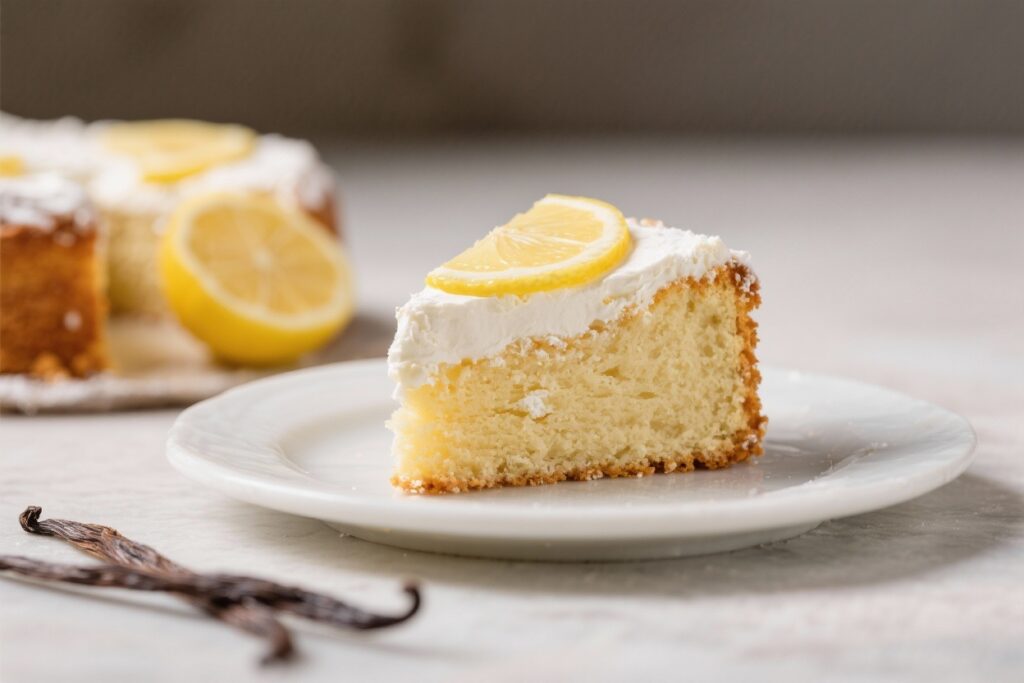
Forget fussy desserts. This Italian ricotta cake hits like a luxury hotel breakfast and a grandma-approved classic had a baby. It’s plush, lemon-scented, vanilla-warm, and scandalously easy—you’ll feel like a pastry chef with almost zero effort.
One bowl, no drama, and every slice tastes like a quiet flex. Serve it to friends and pretend you didn’t already eat two pieces yourself. We won’t tell.
Why You’ll Love This Recipe
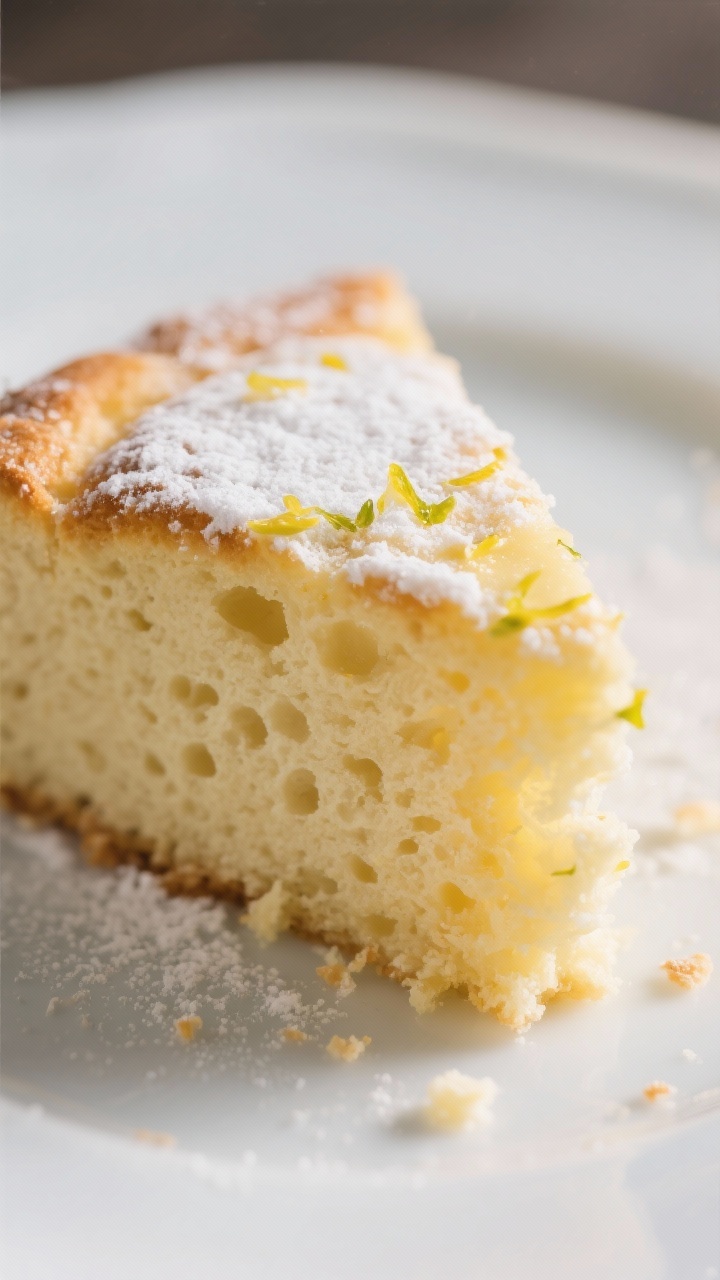
- Velvety texture: Ricotta keeps the crumb moist and tender, somewhere between a cheesecake and a butter cake.
- Bright flavor profile: Fresh lemon zest and vanilla extract bring fresh, bakery-level aroma without overpowering sweetness.
- Beginner-friendly: No water bath, no tricky techniques—just mix, bake, and bask in the compliments.
- Make-ahead magic: It tastes even better on day two as the flavors meld, which is perfect for hosting.
- Versatile: Dress it up with berries, powdered sugar, or a slick of lemon glaze, or keep it minimalist and classic.
Ingredients
- 1 1/2 cups (300 g) granulated sugar
- 3/4 cup (170 g) unsalted butter, softened
- 3 large eggs, room temperature
- 1 1/2 cups (360 g) whole-milk ricotta, well-drained
- 1 1/2 cups (190 g) all-purpose flour
- 2 teaspoons baking powder
- 1/2 teaspoon fine sea salt
- Zest of 2 lemons (about 2 tablespoons)
- 2 tablespoons fresh lemon juice
- 2 teaspoons pure vanilla extract
- Optional: 1/4 teaspoon almond extract for depth
- Optional topping: Powdered sugar for dusting, or a quick lemon glaze (1 cup powdered sugar + 2–3 tablespoons lemon juice)
Step-by-Step Instructions

- Prep the pan and oven: Heat oven to 350°F (175°C).
Grease a 9-inch springform pan or a 9-inch cake pan and line the bottom with parchment. This prevents stickage and heartbreak.
- Drain the ricotta: If your ricotta looks wet, place it in a fine-mesh sieve for 10–15 minutes. Too much moisture makes the center dense and underbaked.
- Cream butter and sugar: In a large bowl, beat butter and sugar on medium speed for 2–3 minutes until light and fluffy.
You’re whipping in air for structure—don’t rush it.
- Add eggs one at a time: Beat in eggs, one by one, scraping the bowl. Each egg should disappear before the next goes in.
- Flavor boost: Mix in lemon zest, lemon juice, vanilla, and almond extract (if using). The zest is your flavor gold—don’t skip it.
- Ricotta time: Beat in the ricotta until smooth.
A few tiny curds are fine; it’ll bake out beautifully.
- Dry ingredients: In a separate bowl, whisk flour, baking powder, and salt. Add to the wet mixture and stir on low just until combined. Do not overmix.
- Fill and level: Transfer batter to the prepared pan and smooth the top. It will be thick—normal and correct.
- Bake: Bake 45–55 minutes, until the top is golden and a toothpick comes out with moist crumbs (not wet batter).
If browning too fast, tent loosely with foil.
- Cool like a pro: Let cool in the pan 15 minutes, then release and cool completely on a rack. Dust with powdered sugar or drizzle glaze once cool.
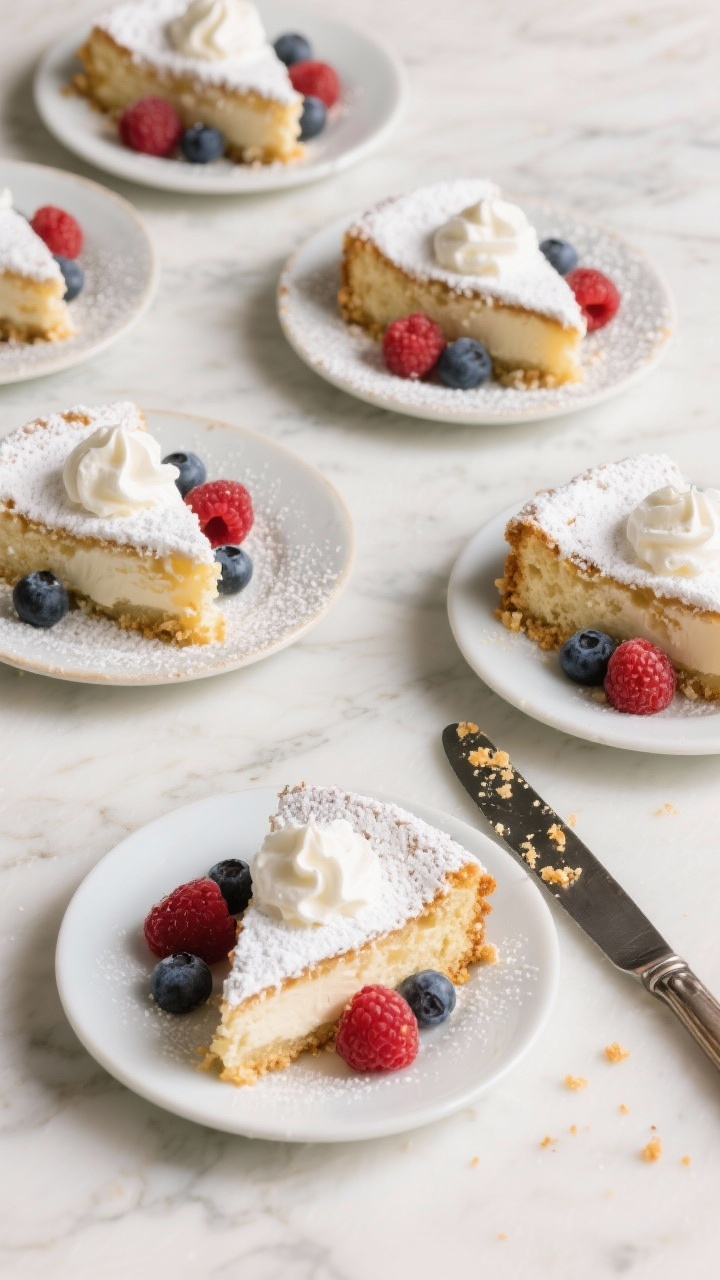
- Serve: Slice with a sharp knife. Amazing plain, elite with berries and a dollop of whipped cream.
Storage Instructions
- Room temperature: Keep covered for up to 24 hours if your kitchen is cool.
After that, refrigerate.
- Refrigerator: Store in an airtight container for 4–5 days. The flavor actually improves by day two—win.
- Freezer: Wrap slices individually in plastic, then foil, and freeze up to 2 months. Thaw overnight in the fridge and warm briefly before serving.
Health Benefits
- Protein from ricotta: Ricotta adds high-quality protein and calcium, supporting bones and satiety.
- Moderate sugar profile: It’s sweet, but not cloying—lemon and vanilla let you reduce sugar slightly without losing flavor.
- Better fats: Using real butter and whole-milk ricotta creates satisfaction, which can help prevent overeating elsewhere.
FYI, pleasure matters.
- Citrus perks: Lemon zest brings antioxidants and bright flavor, reducing the need for heavy frostings.
Avoid These Mistakes
- Using wet ricotta: Excess moisture equals soggy center. Drain it. Non-negotiable.
- Overmixing the batter: This toughens the crumb.
Once the flour is in, stir just until you don’t see streaks.
- Skipping room-temperature ingredients: Cold butter and eggs don’t emulsify well. Your cake will know—and snitch.
- Overbaking “for safety”: This cake should be tender, not dry. Look for moist crumbs on the tester and light springiness in the center.
- Cutting while hot: It needs to set.
Slice too early and it crumbles instead of giving you those clean cafe-style wedges.
Different Ways to Make This
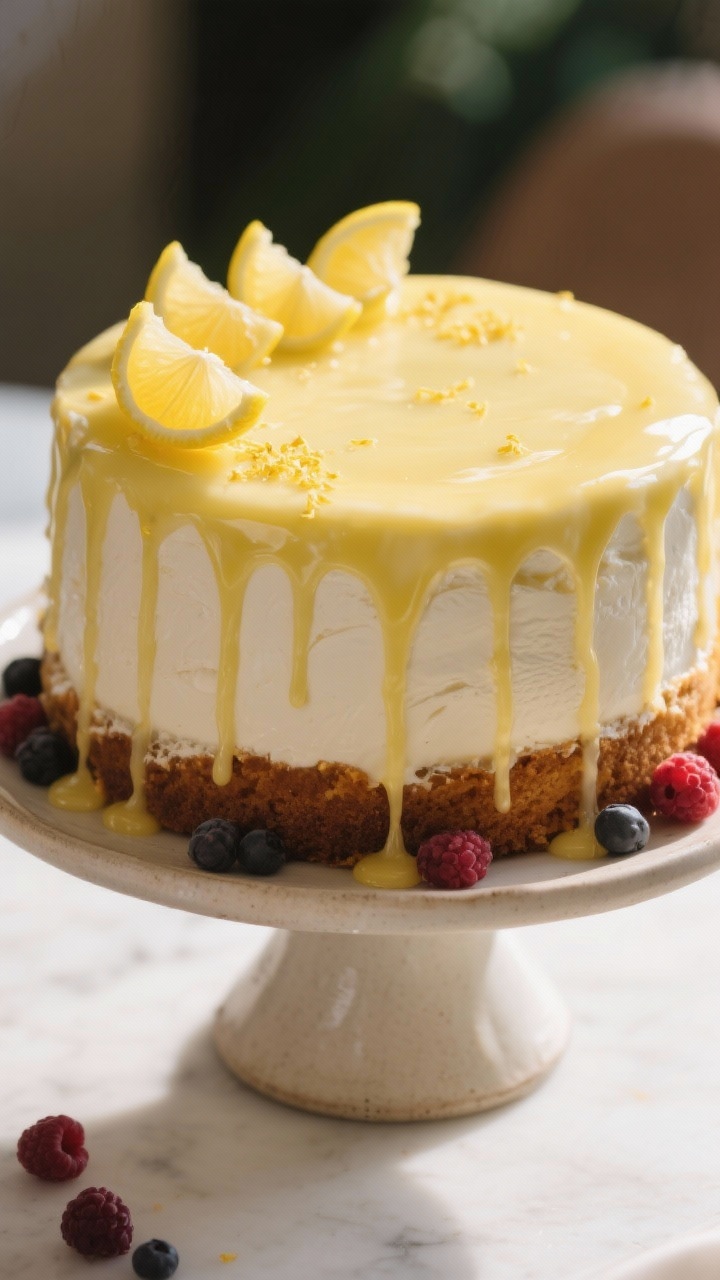
- Lemon-glazed showstopper: Whisk powdered sugar with lemon juice to a pourable glaze and drizzle over a cooled cake. Add candied lemon slices if you’re extra.
- Berry swirl: Fold 1 cup of blueberries or raspberries into the batter with a light hand. Toss in a teaspoon of flour first to help suspend them.
- Gluten-free version: Use a 1:1 gluten-free baking flour with xanthan gum.
Check doneness a few minutes early; GF cakes can brown faster.
- Olive oil twist: Swap half the butter for a fruity extra-virgin olive oil for a Mediterranean vibe and a softer crumb.
- Almond-crunch top: Sprinkle sliced almonds and a tablespoon of sugar over the batter before baking for a delicate crackly lid.
- Citrus remix: Replace half the lemon zest with orange or Meyer lemon for a floral note. Vanilla stays—she’s the backbone.
- Lighter option: Sub half the ricotta with part-skim ricotta and reduce sugar to 1 1/3 cups. Texture stays tender, sweetness balanced.
FAQ
Can I use part-skim ricotta?
Yes.
The cake will be slightly less rich but still tender. Just make sure to drain it well, as part-skim can be a bit wetter.
Do I need a springform pan?
It’s convenient for clean release, but not mandatory. A well-greased and parchment-lined 9-inch cake pan works fine—cool thoroughly before unmolding.
Can I make this ahead?
Absolutely.
Bake a day in advance, cool, wrap tightly, and refrigerate. The flavor deepens overnight, so tomorrow-you will thank today-you.
How do I know it’s done?
Look for a golden top and edges pulling slightly from the pan. A tester should come out with moist crumbs—not wet batter.
The center should spring back lightly when tapped.
Why is my cake dense?
Likely culprits: overmixing after adding flour, wet ricotta, or underbaking. Also ensure your baking powder is fresh—expired leavener equals sad cake.
Can I reduce the sugar?
You can drop it to 1 1/3 cups without issues. Any lower and the texture may suffer because sugar isn’t just sweet—it affects moisture and structure.
What if I don’t have fresh lemons?
Use bottled juice only in the glaze, not the batter.
For the cake, prioritize lemon zest (fresh) or swap in orange zest. Zest is where the aroma lives, IMO.
My Take
This Italian Ricotta Cake with Lemon and Vanilla is the dessert I make when I want easy wins and zero stress. It’s forgiving, elegant, and crazy adaptable—like a staple white tee that somehow looks designer.
The lemon-vanilla combo keeps it bright, while ricotta gives that plush, almost custardy crumb. Serve it plain for coffee, dress it up for dinner, and watch it disappear like your willpower near a bakery window.
Printable Recipe Card
Want just the essential recipe details without scrolling through the article? Get our printable recipe card with just the ingredients and instructions.