
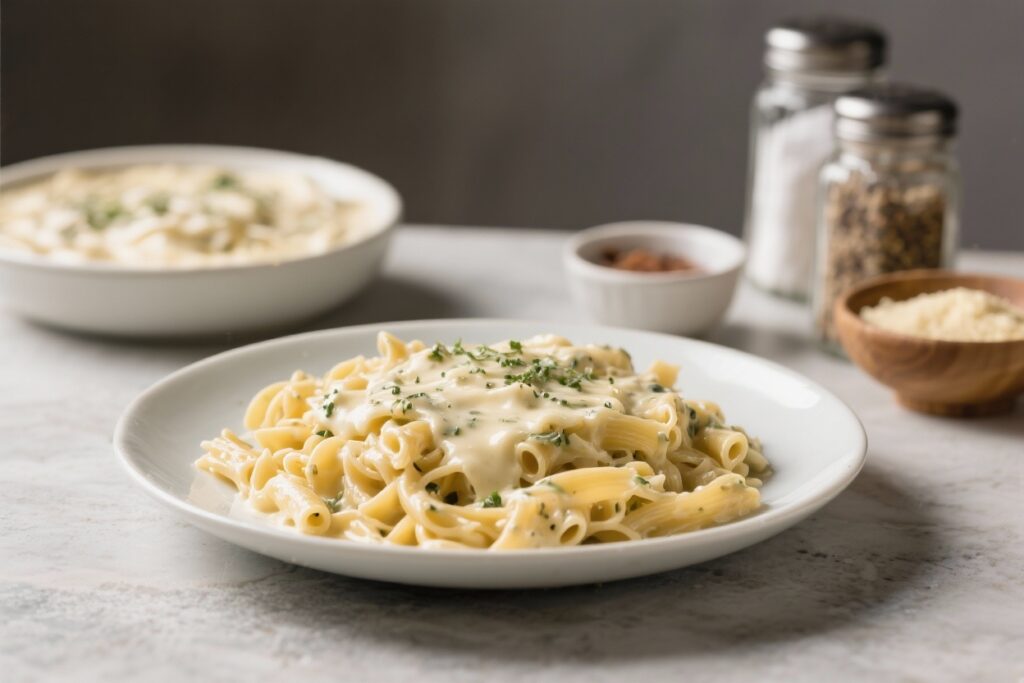
You’ve got a tub of leftover Alfredo, a box of pasta, and a hunger level somewhere between “snack” and “I could eat a horse.” Perfect. This is the lazy-genius playbook for turning yesterday’s sauce into a fresh, restaurant-level meal using only pantry stuff you already own. No extra trips.
No chef flexing. Just fast, comforting food that tastes expensive and takes less time than scrolling your feed. Ready to upgrade leftovers from “meh” to “wait, why is this so good?”
What Makes This Recipe Awesome
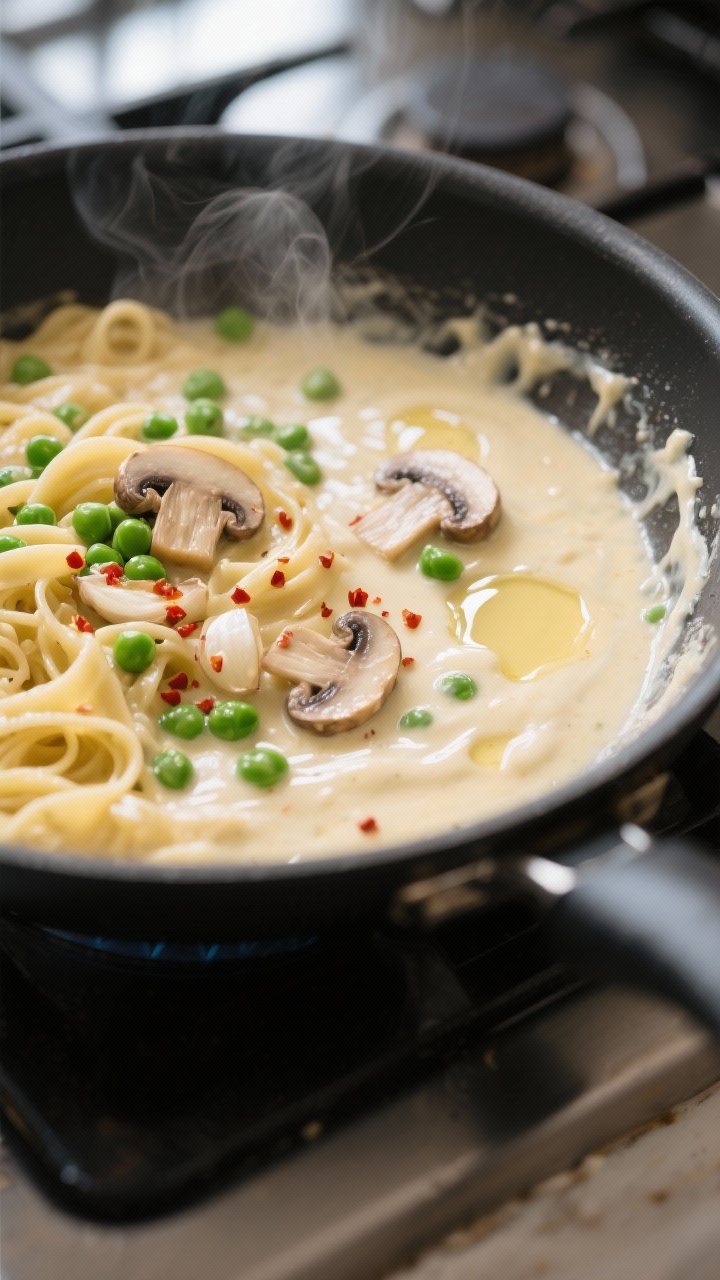
- It saves money and time. You’re reviving leftovers and using basics like pasta, canned veggies, and spices.
Zero waste, maximum flavor.
- It’s flexible. Any pasta shape, any add-ins: tuna, beans, frozen peas, jarred peppers. If it’s in your kitchen, it can probably play.
- It tastes like comfort food. Creamy, garlicky, cheesy—but balanced with acidity and texture so it doesn’t feel heavy.
- Beginner-friendly. No fancy techniques, no stress. You’ll nail it on the first try.
What Goes Into This Recipe – Ingredients
Use what you have.
Below is a baseline plus pantry-friendly options to customize.
- Cooked pasta: 8–12 oz, any shape (penne, rotini, spaghetti, shells).
- Leftover Alfredo sauce: 1.5–2 cups. Store-bought or homemade.
- Olive oil or butter: 1–2 tablespoons for reheating and flavor.
- Garlic powder or minced garlic: 1 teaspoon powder or 1–2 cloves.
- Red pepper flakes: Pinch to 1/2 teaspoon for heat (optional but recommended).
- Acidity booster: 1–2 teaspoons lemon juice or a splash of white wine vinegar.
- Salt and black pepper: To taste.
- Starchy pasta water or milk: 1/4–1/2 cup to loosen the sauce.
- Parmesan or Pecorino: 2–4 tablespoons, grated (optional but elite).
- Pantry add-ins (pick 1–3):
- Canned tuna or chicken (drained)
- Frozen peas, spinach, or broccoli
- Sun-dried tomatoes or jarred roasted red peppers
- Canned mushrooms or artichokes (drained)
- Chickpeas or white beans (rinsed)
- Crispy breadcrumbs or crushed crackers for topping
- Bacon bits or pancetta (if you’ve got it, brag a little)
- Italian seasoning, dried basil, or thyme
How to Make It – Instructions
- Heat your add-ins. In a large skillet, warm 1 tablespoon olive oil or butter over medium heat. Add garlic (or garlic powder), red pepper flakes, and any pantry add-ins that need a little love (mushrooms, spinach, peas).
Cook 2–3 minutes until fragrant.
- Reawaken the Alfredo. Add leftover Alfredo to the skillet. Stir gently over low heat. If it’s thick or clumpy, splash in 1/4 cup pasta water or milk.
Keep heat low—boiling can break the sauce.
- Season like you mean it. Taste and add salt, pepper, and 1–2 teaspoons lemon juice or vinegar. That acidity is your best friend for cutting richness.
- Add the pasta. Toss in the cooked pasta. Stir until everything is glossy and coated.
If it tightens up, add more pasta water or milk, 1 tablespoon at a time.
- Finish with flair. Stir in Parmesan for extra depth. Top with crispy breadcrumbs or crushed crackers warmed briefly in a dry pan with a touch of oil—instant crunch.
- Serve hot. Plate and hit it with a final crack of black pepper. Optional parsley if you’re feeling fancy (or just want it to look like a restaurant plate, IMO).
Keeping It Fresh
- Storage: Refrigerate in an airtight container up to 3 days.
Alfredo is clingy; it thickens as it sits.
- Reheating: Warm gently on low with a splash of milk or water to loosen. Stir often. Microwave in 30-second bursts, adding liquid as needed.
- Freezing: Not ideal for cream sauces.
If you must, freeze the sauce separately, then reheat slowly with extra milk and whisk to smooth.
Nutritional Perks
- Protein boost: Adding tuna, chicken, or beans levels up satiety and keeps you full longer.
- Smart carbs: Whole-wheat or legume pasta adds fiber and steady energy.
- Micronutrients: Frozen peas, spinach, or broccoli add vitamin C, K, and iron without making it a “salad.”
- Balance: Acid and spice help mitigate the heaviness of cream-based sauces so the meal doesn’t feel like a nap trap.
Avoid These Mistakes
- Overheating the sauce. High heat causes separation and greasy pools. Keep it low and patient.
- Skipping the acidity. Without lemon or vinegar, Alfredo can taste flat and overly rich.
- Not salting the pasta water. If the pasta isn’t seasoned, the whole dish tastes muted. The water should be as salty as the sea—FYI, that’s the rule.
- Adding too many mix-ins. Three add-ins max.
Otherwise, it turns into a chaotic pantry dump. You want harmony, not a group project.
- Forgetting texture. Creamy needs crunchy. Breadcrumbs, toasted nuts, or even crushed chips make the dish pop.
Different Ways to Make This
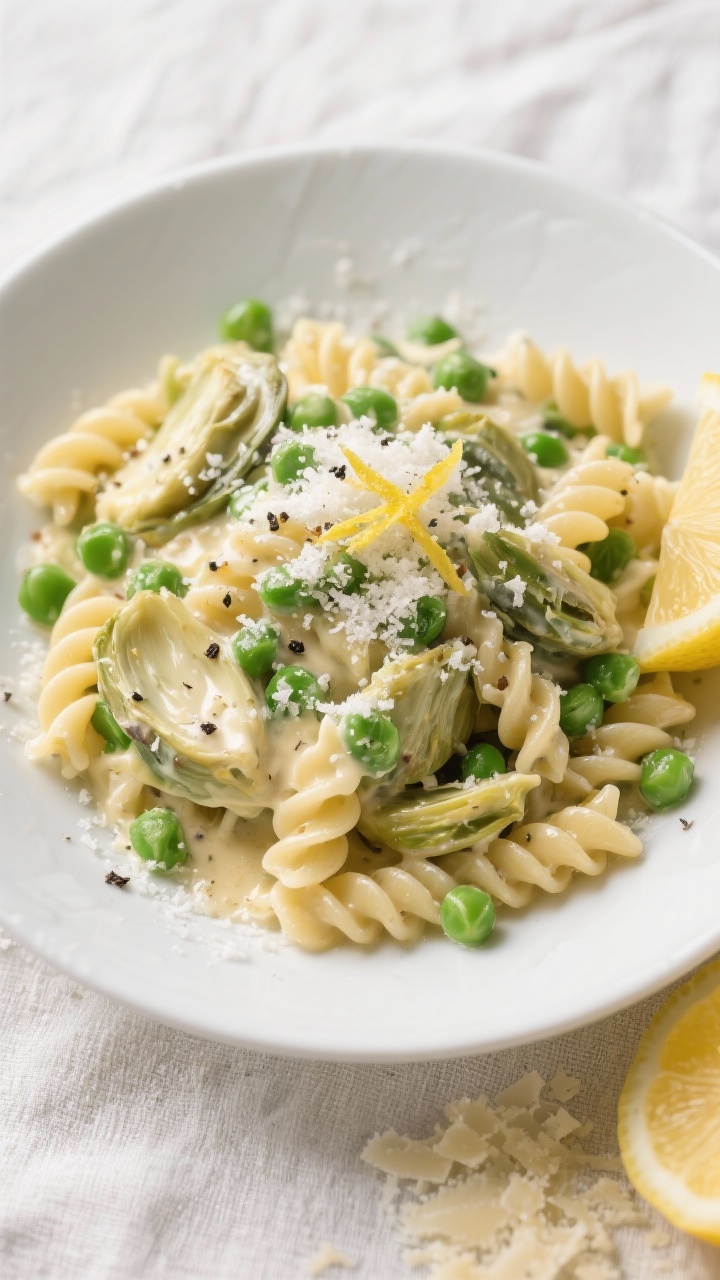
- Pantry Primavera: Alfredo + rotini + frozen peas + canned artichokes + lemon zest + Parmesan.
Bright, herby, surprisingly light.
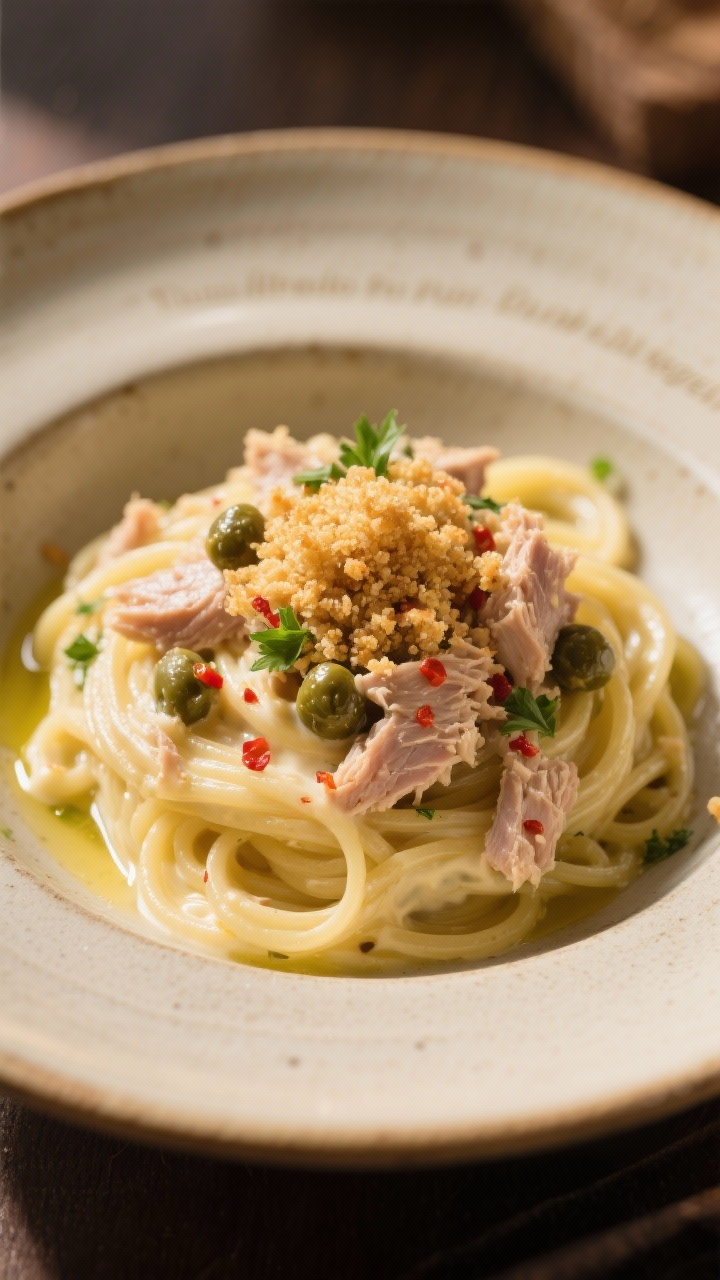
- Tuna Alfredo Put-Together: Alfredo + spaghetti + canned tuna + capers + red pepper flakes + breadcrumbs. Salty, briny, adult-ish.
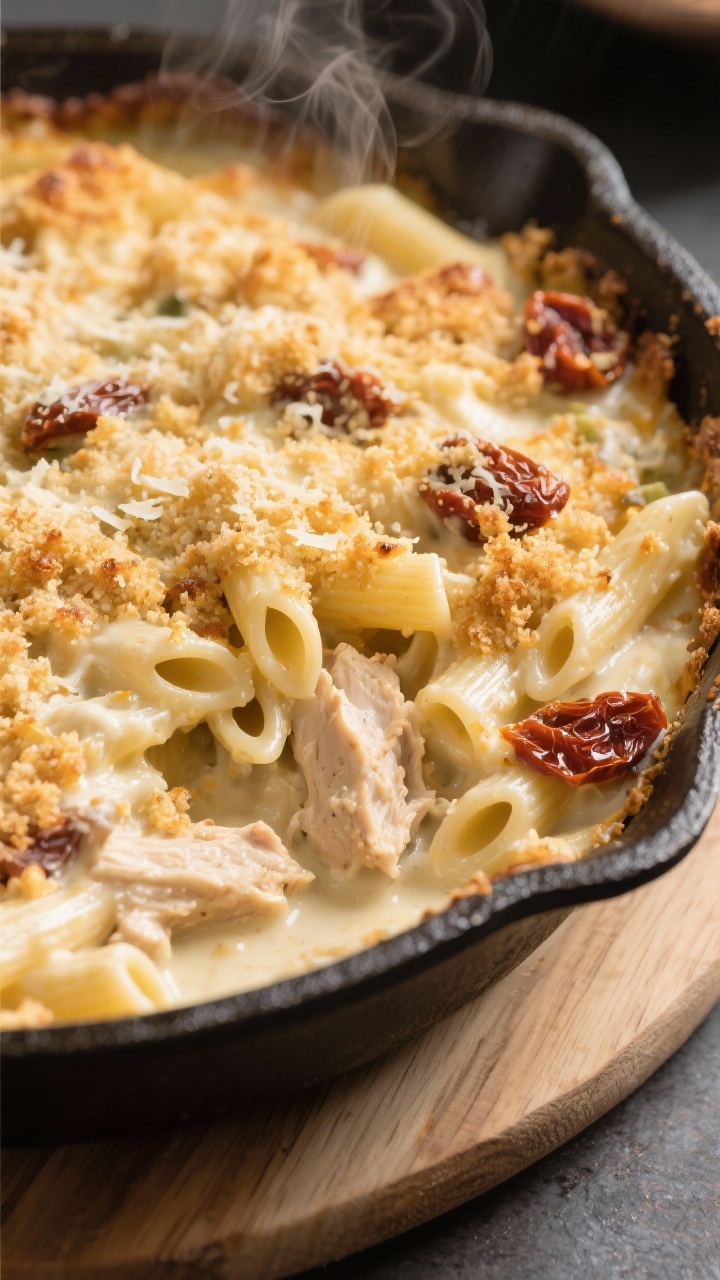
- Spicy Chicken Alfredo: Alfredo + penne + canned chicken + sun-dried tomatoes + chili flakes + basil. Major weeknight win.
- Chickpea Crunch Alfredo: Alfredo + shells + roasted chickpeas (from a can, dried and pan-toasted) + smoked paprika + parsley.
- Broccoli Lemon Alfredo: Alfredo + farfalle + frozen broccoli + extra lemon + black pepper.
Kinda feels like a cheat code.
- One-Pan Bake: Toss pasta with Alfredo and add-ins, top with cheese and crumbs, bake at 400°F for 10–12 minutes until bubbly and golden.
FAQ
How do I fix a broken or grainy Alfredo sauce?
Lower the heat, whisk in a splash of milk or pasta water, and keep stirring until it smooths out. A small knob of butter can help emulsify. Avoid boiling—gentle heat is key.
Can I make this without leftover pasta?
Yes.
Boil fresh pasta in well-salted water until just shy of al dente. Reserve 1/2 cup pasta water, then follow the same steps. The starchy water is your insurance policy for a silky sauce.
What if my Alfredo is too thick?
Add warm pasta water or milk a little at a time, stirring until it coats the pasta without clumping.
You want glossy, not gluey.
Does gluten-free pasta work?
Absolutely. Rinse briefly after cooking to remove extra starch, then finish in the sauce with a splash of water or milk to help it bind. Texture will be slightly different but still excellent.
How can I make it lighter?
Use less sauce, add more veggies, and brighten with lemon.
You can also cut the Alfredo with a bit of chicken broth and a spoon of Greek yogurt off heat for tang and body.
What cheese is best for topping?
Parmesan for nutty depth, Pecorino for salty tang, or a mix. In a bake, add a little mozzarella for melt and stretch, but don’t drown it—Alfredo already brings the creaminess.
Can I add eggs like carbonara?
Yes, but carefully. Off heat, whisk a beaten egg into the hot pasta and Alfredo, stirring constantly to avoid scrambling.
It adds richness and silkiness—chef’s kiss.
Is canned protein actually good here?
Totally. Canned tuna, chicken, or salmon add protein and convenience. Drain well, flake in, and season with lemon and pepper to keep it fresh, not fishy.
The Bottom Line
Leftover Alfredo isn’t leftover—it’s a fast pass to a comforting, craveable meal using stuff already in your pantry.
Keep the heat low, season boldly, add a little acid, and don’t skip the crunchy finish. With a few smart tweaks, you’ll turn “just leftovers” into a repeat-worthy weeknight ritual. Simple, affordable, ridiculously good—what else do you want?
Printable Recipe Card
Want just the essential recipe details without scrolling through the article? Get our printable recipe card with just the ingredients and instructions.