
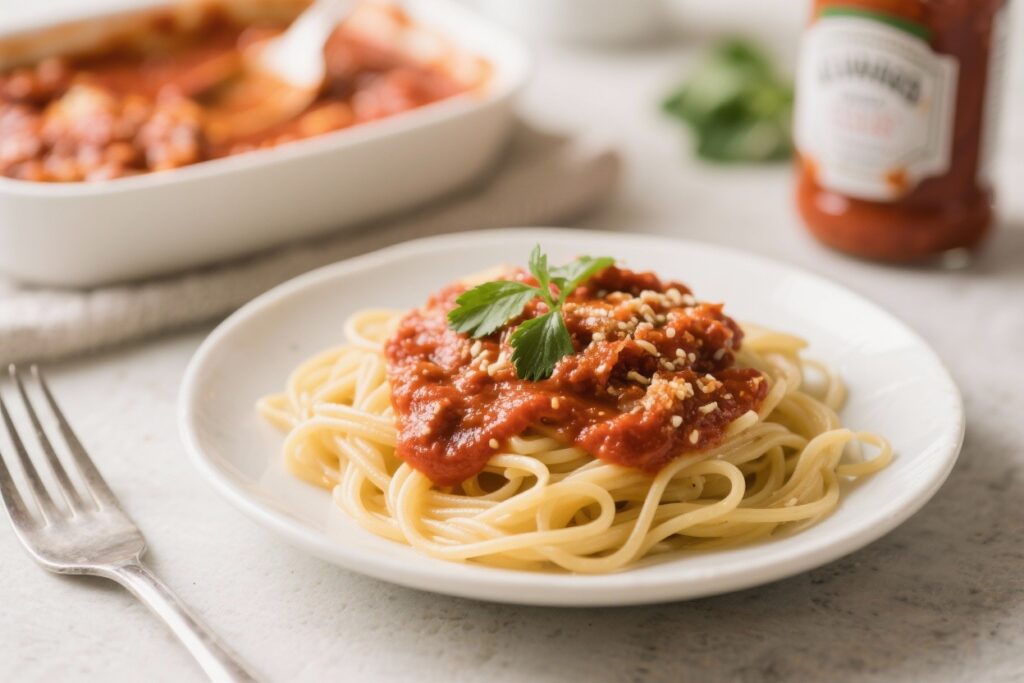
You know that jar of pasta sauce skulking in the fridge? The one you keep shifting around like it’s a roommate who never pays rent? Tonight, it’s your secret weapon.
With a few pantry basics and 15 minutes, you can turn that forgotten marinara into dinners that look intentional and taste like effort. No meal planning spreadsheets. No culinary degree.
Just smart, speed-run cooking that saves money and tastes like you meant it.
Why This Recipe Works
Leftover pasta sauce is already a flavor bomb—tomatoes, aromatics, herbs, sometimes protein—all simmered together. That’s half the work done. You’re leveraging concentrated umami and acidity to build quick meals that feel complete.
Plus, sauce is flexible: it plays nice with eggs, grains, veggies, and proteins.
You can thin it, thicken it, or spike it with cream or chili to transform the profile. And because it’s a familiar flavor, even picky eaters won’t stage a revolt.
The secret sauce (pun intended) is technique: high heat, short cook times, and simple add-ins that amplify without overcomplicating. Translation: fewer pans, fewer dishes, faster wins.
What You’ll Need (Ingredients)
- Leftover pasta sauce (marinara, arrabbiata, vodka sauce, Bolognese, etc.)
- Olive oil or butter
- Garlic and onion (fresh or powder)
- Eggs
- Cooked grains (rice, quinoa, farro) or bread/tortillas
- Canned beans (chickpeas, cannellini, black beans)
- Vegetables: spinach, kale, bell peppers, mushrooms, zucchini, frozen peas
- Cheese: mozzarella, parmesan, ricotta, feta, goat cheese
- Protein: rotisserie chicken, sausage, tofu, shrimp, tuna
- Broth or water (for thinning)
- Cream, coconut milk, or mascarpone (optional)
- Fresh herbs: basil, parsley, oregano
- Chili flakes, lemon zest, balsamic vinegar (for finishing)
- Bread crumbs or panko (for crunch)
How to Make It – Instructions
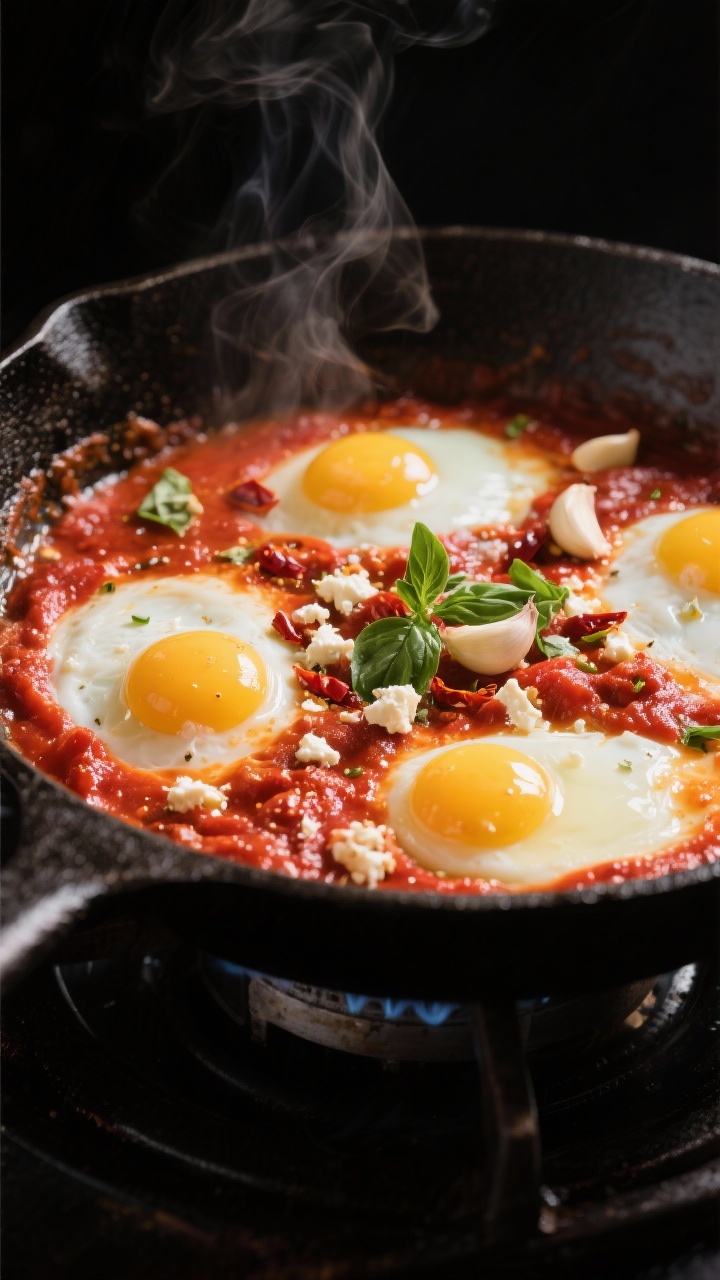
- Tomato-Garlic Eggs in Sauce (Shakshuka-ish)
- Sauté garlic and chili flakes in olive oil.
Add 1–2 cups sauce, simmer 3 minutes.
- Crack in 3–4 eggs, cover, and cook until whites set. Finish with feta and herbs.
- Serve with crusty bread. Breakfast-for-dinner, solved.
- Sauté garlic and chili flakes in olive oil.
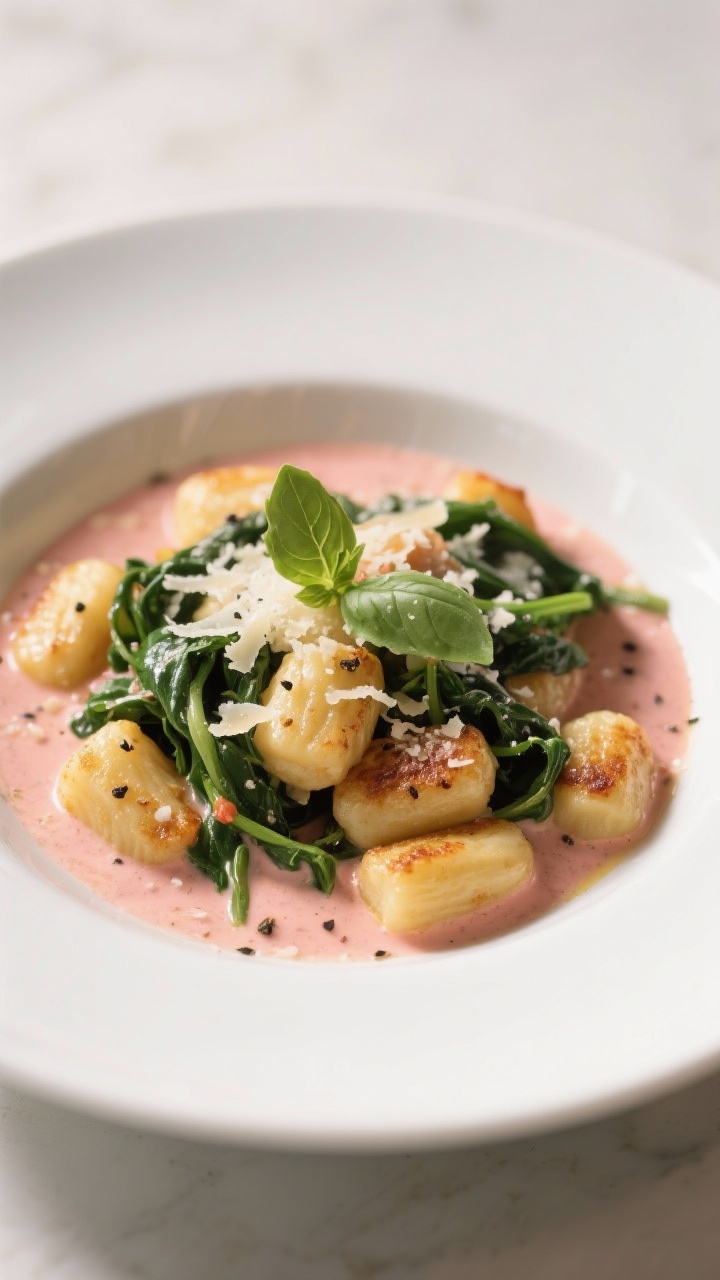
- 15-Minute Tomato Cream Gnocchi
- Pan-fry shelf-stable gnocchi in butter until golden.
- Stir in sauce and a splash of cream.
Add spinach to wilt.
- Top with parmesan and pepper. Restaurant vibes, zero effort.
- One-Pan Sausage and Peppers Simmer
- Brown sliced sausage with onions and peppers.
- Add sauce, thin with a bit of water, simmer 5–7 minutes.
- Serve over polenta or in toasted rolls with mozzarella.
- Tomato Basil Tuna Rice Bowls
- Warm cooked rice. Heat sauce with a splash of olive oil and capers.
- Fold in drained tuna and torn basil.
Lemon zest on top.
- Finish with a drizzle of balsamic and parmesan.
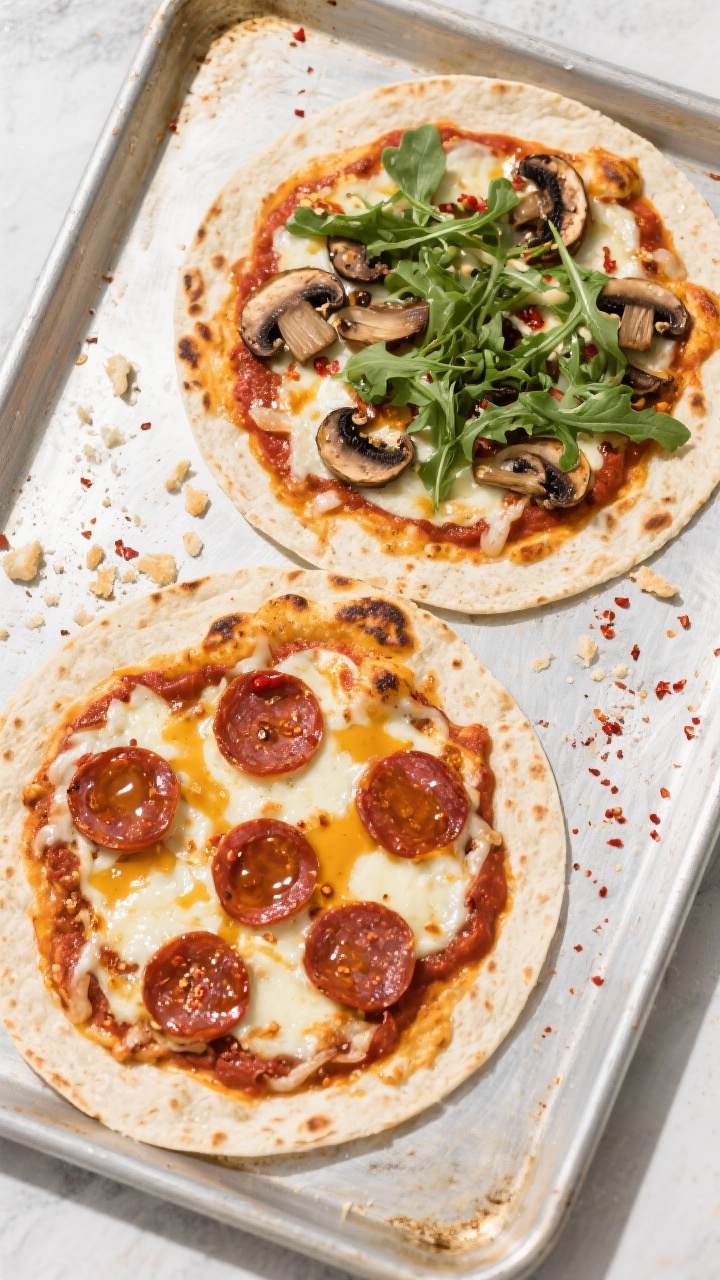
- Speedy Tortilla Pizzas
- Spread sauce on tortillas. Add mozzarella, mushrooms, and pepperoni.
- Bake at 425°F (220°C) for 7–9 minutes until crispy.
- Hit with chili honey or arugula for flair.
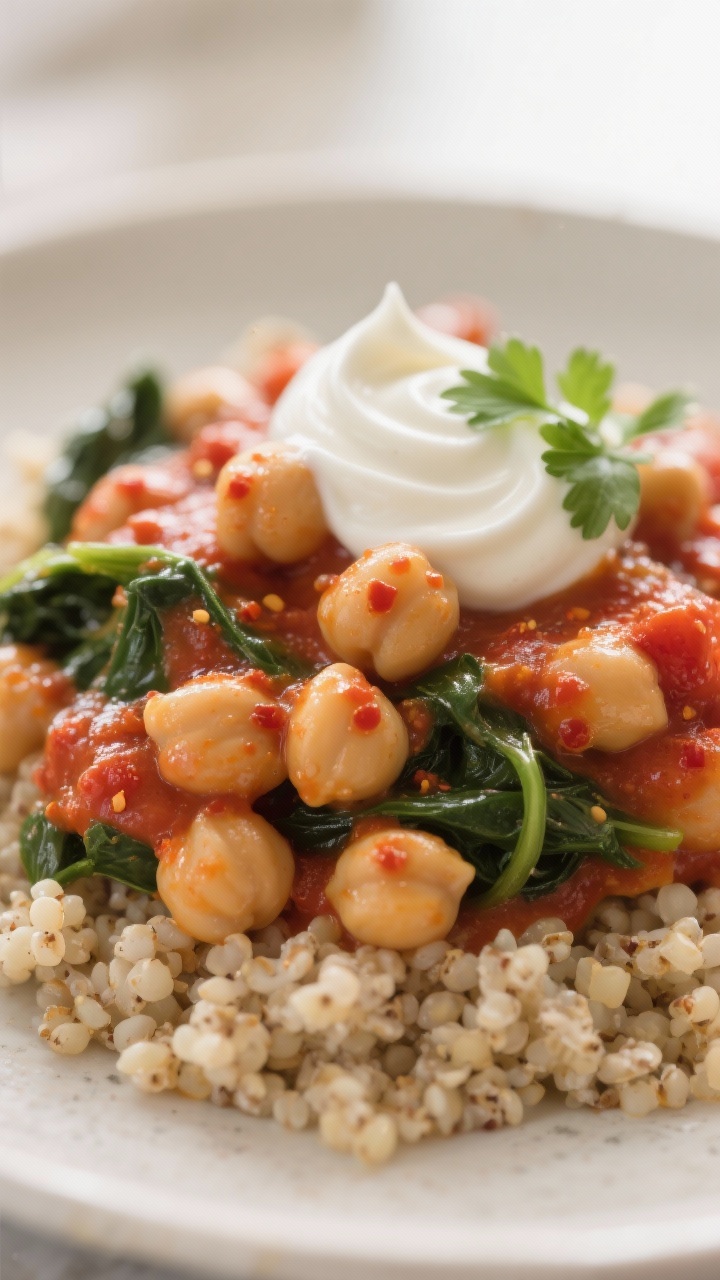
- Creamy Tomato Chickpeas
- Warm sauce with a splash of coconut milk or cream.
- Add drained chickpeas and spinach; simmer 5 minutes.
- Serve over quinoa with a dollop of yogurt and herbs.
- Tomato-Mushroom Skillet with Polenta
- Sauté mushrooms in butter until browned; season well.
- Pour in sauce; add thyme. Simmer 5 minutes.
- Serve over creamy polenta or seared polenta rounds.
- Spicy Shrimp Fra Diavolo Tacos
- Sear shrimp with chili flakes and garlic 1–2 minutes per side.
- Toss with warmed sauce and a squeeze of lime.
- Serve in tortillas with cabbage slaw and avocado.
- Ricotta-Tomato Baked Toasts
- Spread ricotta on thick bread, spoon sauce over, top with mozzarella.
- Broil until bubbly.
Sprinkle with oregano and olive oil.
- Pair with a quick side salad and pretend it’s bruschetta night.
Storage Tips
- Refrigerate leftover sauce within 2 hours of opening/cooking. It keeps 4–5 days in an airtight container.
- Freeze in 1-cup portions for up to 3 months. Label and date to avoid “mystery red block” syndrome.
- Revive thawed sauce with a splash of broth or water; simmer 2–3 minutes to re-emulsify.
- Leftover dishes with eggs or seafood are best eaten within 1–2 days; veggie/bean-based options can last 3–4 days.
Health Benefits
- Lycopene boost: Cooked tomatoes deliver lycopene, an antioxidant linked to heart health.
Olive oil helps absorption.
- Balanced macros: Add beans or lean proteins plus greens to turn sauce into a complete meal with fiber, protein, and micronutrients.
- Sodium control: Using leftover sauce at home lets you adjust salt, unlike takeout that often goes heavy-handed.
- Portion awareness: Building bowls and skillets lets you control carbs (rice, polenta, bread) to match your goals, IMO.
Pitfalls to Watch Out For
- Over-reducing: Bubbling sauce too long turns it pasty and overly salty. Thin with water or broth as needed.
- Clashing flavors: Vodka cream sauce with fishy tuna? Hard pass.
Match sauce style to protein profile.
- Soggy bases: For tortilla pizzas and toasts, bake on the top rack and don’t overload sauce.
- Old sauce risk: If it smells off, looks separated with mold, or tastes sour-bitter, it’s done. Don’t negotiate.
- Under-seasoning add-ins: When you bulk up with grains or veggies, taste and re-season. Salt, acid, heat—your best friends.
Different Ways to Make This
- Italian-ish: Add basil, parmesan, and a pat of butter to finish.
Classic, cozy, can’t-fail.
- Mediterranean: Stir in olives, capers, lemon zest, and feta for salty-bright energy.
- Spicy: Boost with Calabrian chili paste or red pepper flakes. A drizzle of chili oil at the end = chef’s kiss.
- Creamy: Swirl in ricotta, mascarpone, or coconut milk for a luxe texture without heavy cooking.
- Veg-forward: Grate zucchini or carrots into the sauce; they melt in and add body and nutrients, FYI.
- Protein-packed: Add canned lentils, crumbled sausage, or seared tofu cubes to make it stick-to-your-ribs substantial.
FAQ
Can I use leftover meat sauce the same way?
Yes. Meat sauce works in all the ideas above, but it’s especially great for tortilla pizzas, stuffed toasts, and polenta bowls.
Just watch the salt and fat—add greens or a squeeze of lemon to balance.
How do I fix a sauce that’s too acidic?
Add a small knob of butter or a splash of cream to round the edges. Alternatively, a pinch of sugar or grated carrot can mellow sharpness without making it sweet.
What if my sauce is bland?
Bloom garlic and chili in olive oil before adding the sauce. Finish with salt, black pepper, fresh herbs, and a hit of acid (lemon juice or vinegar).
Parmesan rinds simmered for 5 minutes also work wonders.
Is jarred sauce okay, or does it need to be homemade?
Jarred is totally fine. Choose one with simple ingredients and lower sugar. Doctor it up with sautéed aromatics and fresh herbs to make it taste homemade.
Can I meal prep with these ideas?
Absolutely.
The chickpea, mushroom, and sausage options reheat best. Egg and shrimp dishes are better fresh. Store components separately when possible to keep textures on point.
How do I make it dairy-free?
Skip cheese and use olive oil for richness.
Coconut milk or cashew cream makes a great stand-in for dairy-based cream sauces.
What’s the fastest option on a weeknight?
Tortilla pizzas or tomato-garlic eggs. Both hit the table in under 12 minutes and still feel like “real food.”
My Take
Leftover pasta sauce is the Swiss Army knife of weeknight cooking. It’s already seasoned, already cooked, and practically begging to be repurposed.
Pair it with one protein, one veg, and one base, and you’ve got dinner in the time it takes to complain about not having dinner.
My go-to is the creamy tomato chickpeas over rice with a handful of spinach—cheap, filling, and comforting without the nap afterward. But the real magic? You stop wasting food and start building a repeatable system.
That half-jar goes from “forgotten” to “found gold,” and your weeknight self will thank you.
Printable Recipe Card
Want just the essential recipe details without scrolling through the article? Get our printable recipe card with just the ingredients and instructions.