
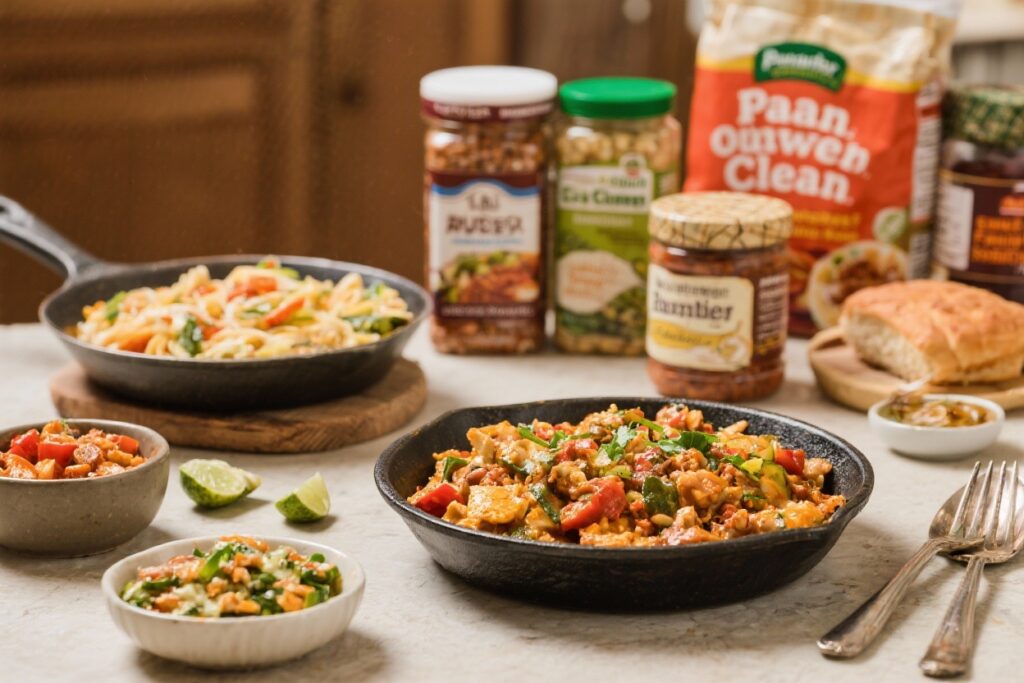
You don’t need a fancy grocery haul to feed a family like a pro—you need one ruthless pantry raid and a game plan. Think of this as your “use what you’ve got” playbook to transform dusty beans, sad pasta, and the last two carrots into a legit, crowd-pleasing dinner. The trick isn’t magic; it’s structure.
Once you know the formula, you can clear space, cut waste, and save cash—without sacrificing flavor. Let’s turn your shelf-stable leftovers into a fast, flexible, and shockingly good skillet supper.
Why This Recipe Works
This pantry clean-out method is a modular blueprint, not a rigid recipe. You plug in whatever starch, protein, and veggies you have, then bind it with a simple sauce.
The outcome is consistent: hearty, balanced, and satisfying. No single ingredient is “required,” which means fewer grocery runs and more wins.
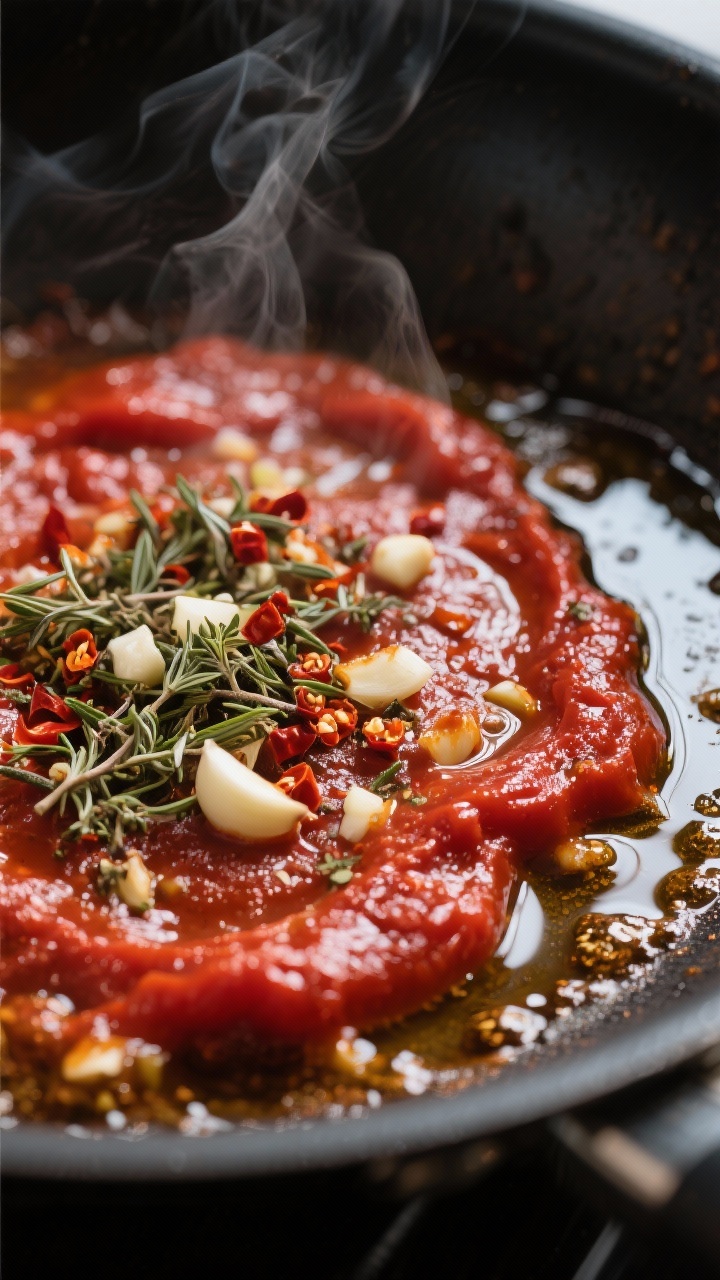
The flavor comes from smart layering: a quick aromatic base, concentrated umami (tomato paste, soy, Worcestershire, or miso), and a splash of acid at the end. It’s the same restaurant trick—tiny tweaks, big payoff.
Also, we’re using one pot or one skillet to keep cleanup sane. You’re welcome.
Ingredients
- Starch (choose one, about 8–12 oz): pasta, rice, quinoa, couscous, or potatoes (diced)
- Protein (choose 1–2 cups): canned beans, lentils, rotisserie chicken, canned tuna/salmon, frozen meatballs, sausage, or tofu
- Veggies (2–3 cups total): onions, carrots, bell peppers, corn, peas, spinach, kale, canned tomatoes, frozen mixed veg
- Aromatics: 1 onion or 2 shallots (optional), 2–4 cloves garlic, 1 tsp dried herbs (Italian blend, oregano, thyme), 1/2 tsp chili flakes (optional)
- Umami boosters (pick 1–2): 1 tbsp tomato paste, 1–2 tsp soy sauce or Worcestershire, 1 tsp miso, 1 tbsp olive tapenade or pesto
- Liquid: 2–3 cups broth or water (plus salt), or a can of coconut milk for creamy vibes
- Fat: 2–3 tbsp olive oil or butter
- Acid & finish: 1–2 tbsp vinegar or lemon juice, plus fresh herbs if you have them; cheese for topping (Parmesan, cheddar, feta—whatever)
- Seasoning: Salt, pepper, a pinch of sugar if using lots of tomatoes
Let’s Get Cooking – Instructions
- Prep the players. Chop any fresh veg into bite-size pieces. Drain and rinse canned beans.
If using pasta or rice that cooks separately, start boiling water now.
- Build the base. Heat the oil in a large skillet or pot over medium. Add onion and a pinch of salt; cook 3–4 minutes until translucent. Stir in garlic, dried herbs, and chili flakes; cook 30 seconds.
Smells amazing already, right?
- Concentrate flavor. Add tomato paste (or chosen umami booster). Cook 1–2 minutes until it darkens slightly—this step is where flavor happens, FYI.
- Add veggies. Toss in hearty veg first (carrots, peppers), cook 3–4 minutes. Then add quicker-cooking veg (corn, peas, greens).
Stir occasionally so nothing sulks and burns.
- Protein time. Add beans, cooked meat, or tofu. Season with salt and pepper. If using sausage or meatballs, brown them earlier before the veg for extra flavor.
- Choose your path:
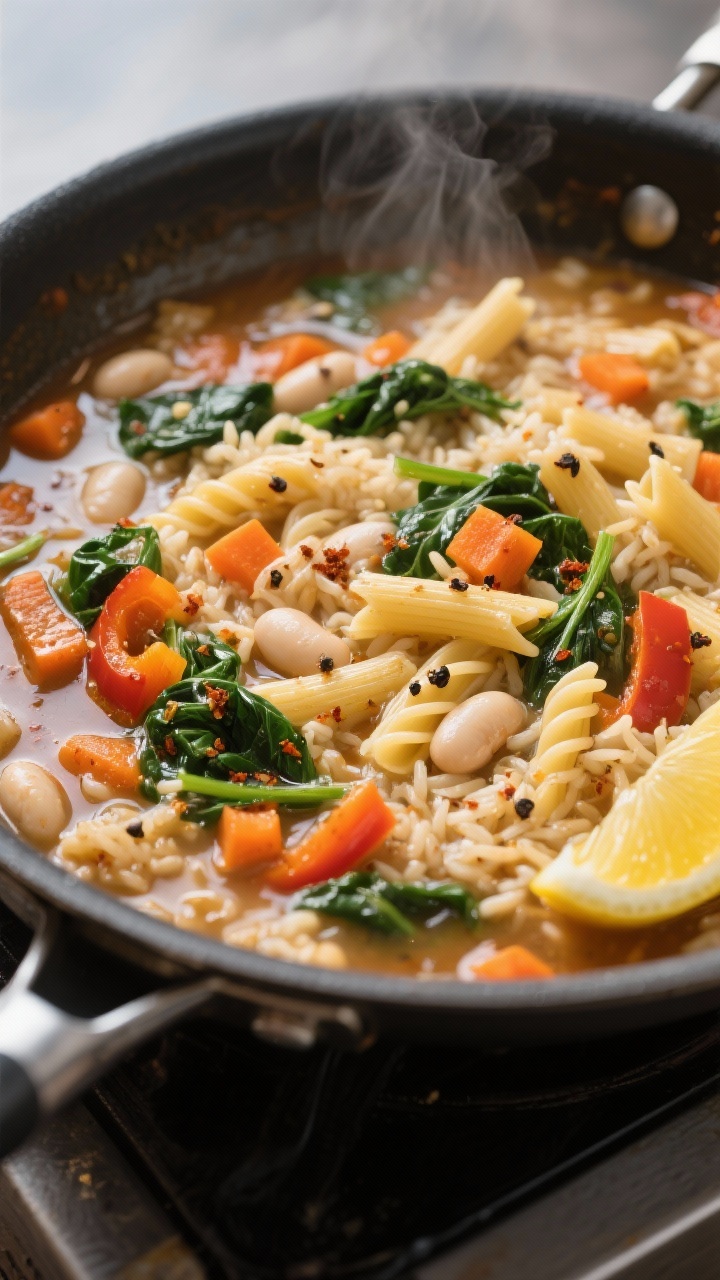
- One-pot pasta/rice: Add dry pasta or rinsed rice to the pan.
Pour in 2–3 cups liquid to just cover. Simmer, stirring occasionally, until tender and saucy (12–15 minutes for pasta; 15–20 for rice). Add more liquid as needed.
- Already-cooked starch: If you have leftover rice, potatoes, or pre-cooked pasta, add 1–2 cups liquid to the skillet to make a sauce, simmer 3–4 minutes, then fold in the starch.
- One-pot pasta/rice: Add dry pasta or rinsed rice to the pan.
- Finish strong. When the starch is cooked and the mixture is thick and glossy, add acid (lemon juice or vinegar).
Taste and adjust salt, pepper, and a pinch of sugar if it’s too sharp.
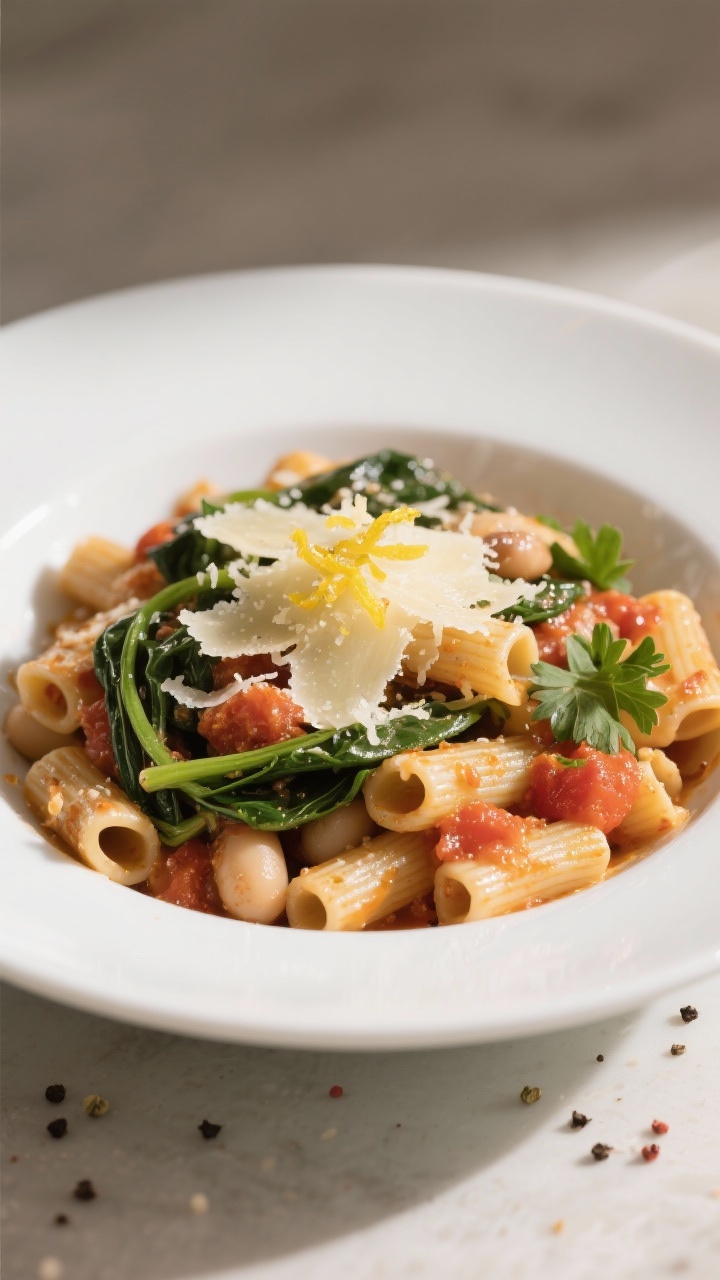
- Top and serve. Finish with grated cheese, a drizzle of olive oil, and any fresh herbs. Serve straight from the skillet like a hero.
Preservation Guide
- Fridge: Store in an airtight container for 3–4 days. Reheat with a splash of water or broth to loosen the sauce.
- Freezer: Most versions freeze well for up to 2–3 months, especially bean/pasta or rice/veggie combos.
Avoid freezing if packed with high-water greens like zucchini unless cooked down thoroughly.
- Reheat strategy: Stovetop on low with a bit of liquid is best. Microwave in 60–90 second bursts, stirring between cycles to avoid sad, dry edges.
- Batching: Double the recipe, portion into flat freezer bags, label with date and “add lemon/cheese after reheating” if you skipped those before freezing.
Health Benefits
- High fiber, steady energy: Beans, whole grains, and veggies deliver fiber that keeps you full and supports digestion.
- Protein done smart: Combining beans with grains creates a complete protein profile without pricey meat. Wallet-friendly and dietitian-approved.
- Micronutrient insurance: Mixed vegetables (even canned or frozen) bring vitamin A, C, folate, iron, and potassium to the table.
- Lower sodium—if you want it: Rinse canned beans and choose low-sodium broth.
Control the salt, keep the flavor.
- Balanced plate in one pan: Carbs, protein, fat, and fiber together help prevent energy crashes. No 3 p.m. nosedives.
Avoid These Mistakes
- Skipping the browning step: Not to be dramatic, but uncooked tomato paste tastes like ketchup’s awkward cousin. Cook it.
- Overloading the pan: Too many veggies at once = steaming, not browning.
Stagger additions by density.
- Forgetting acid: Without lemon or vinegar, flavors feel flat. That tiny splash at the end is non-negotiable.
- Undersalting the starch: If cooking pasta/rice in the pan, season the liquid early. Bland water equals bland dinner.
Obvious, but commonly ignored.
- Greens too early: Spinach and kale go in at the end. Otherwise you get swamp vibes.
Recipe Variations
- Smoky Bean Pasta Skillet: Pasta + white beans + canned tomatoes + smoked paprika + spinach + Parmesan. Finish with lemon zest.
- Coconut Curry Rice Bowl: Rice + chickpeas + frozen peas + coconut milk + curry powder + lime.
Top with yogurt or chili crisp.
- Tuna Puttanesca-ish: Pasta + canned tuna + olives + capers + tomato paste + chili flakes + parsley. Big flavor, tiny effort.
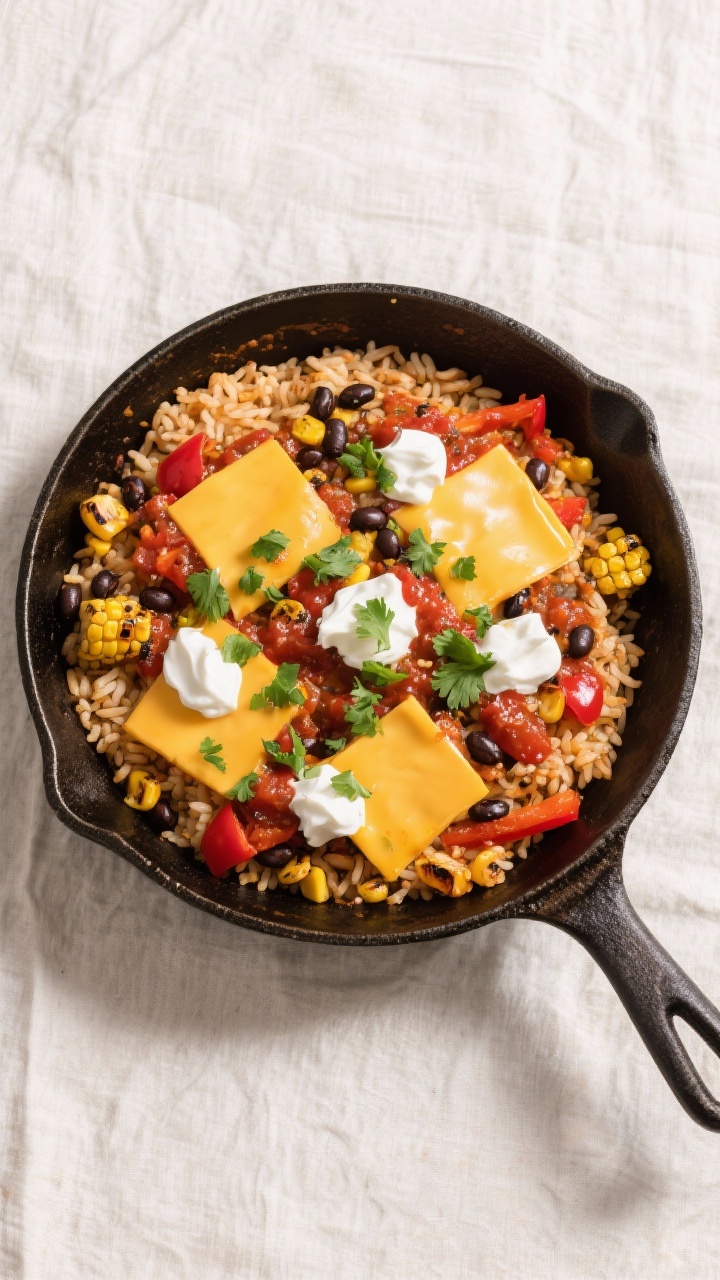
- Southwest Skillet: Rice or potatoes + black beans + corn + bell pepper + cumin + salsa. Finish with cheddar and a dollop of sour cream.
- Miso-Ginger Noodle Stir: Noodles + tofu + mixed frozen veg + miso + soy + ginger + sesame oil.
Quick, cozy, and umami-loaded.
- Breakfast-for-Dinner Hash: Diced potatoes + any veg + leftover sausage. Crack in eggs, cover to set, hot sauce on top. Brinner wins again.
FAQ
Can I make this gluten-free?
Yes.
Use rice, quinoa, potatoes, or certified gluten-free pasta. Double-check soy sauce (use tamari) and broth labels to avoid hidden gluten.
What if I only have canned vegetables?
Go for it. Drain well and add them later in the process so they don’t turn mushy.
Boost flavor with extra aromatics and a splash of acid.
How do I keep pasta from getting soggy?
Cook it just to al dente and finish in the sauce. If reheating, add a bit of liquid and warm gently. Overcooking is the enemy here, IMO.
Is this kid-friendly?
Yes.
Use mild seasonings, skip chili flakes, and add cheese. Small shapes (macaroni, orzo) and sweeter veg (corn, carrots) are usually a hit.
What’s the best protein if I’m short on time?
Canned beans or tuna. They’re ready to go, cheap, and adapt to almost any flavor profile.
Rotisserie chicken also plays nice.
Can I do this in an Instant Pot?
Yes. Sauté aromatics, add ingredients with 1:1 pasta-to-liquid by volume (or standard rice ratio), then pressure cook 4–5 minutes for pasta, 6–8 for rice. Quick release, stir in acid and cheese.
My Take
This is the kind of “recipe” that turns chaos into competence.
It respects your time, your budget, and that half-used box of penne mocking you from the back shelf. The magic isn’t in rare ingredients—it’s in the system: brown, boost, simmer, finish. Once you trust that flow, you’ll cook better with less and waste almost nothing.
And honestly, that’s the flex.
Printable Recipe Card
Want just the essential recipe details without scrolling through the article? Get our printable recipe card with just the ingredients and instructions.