
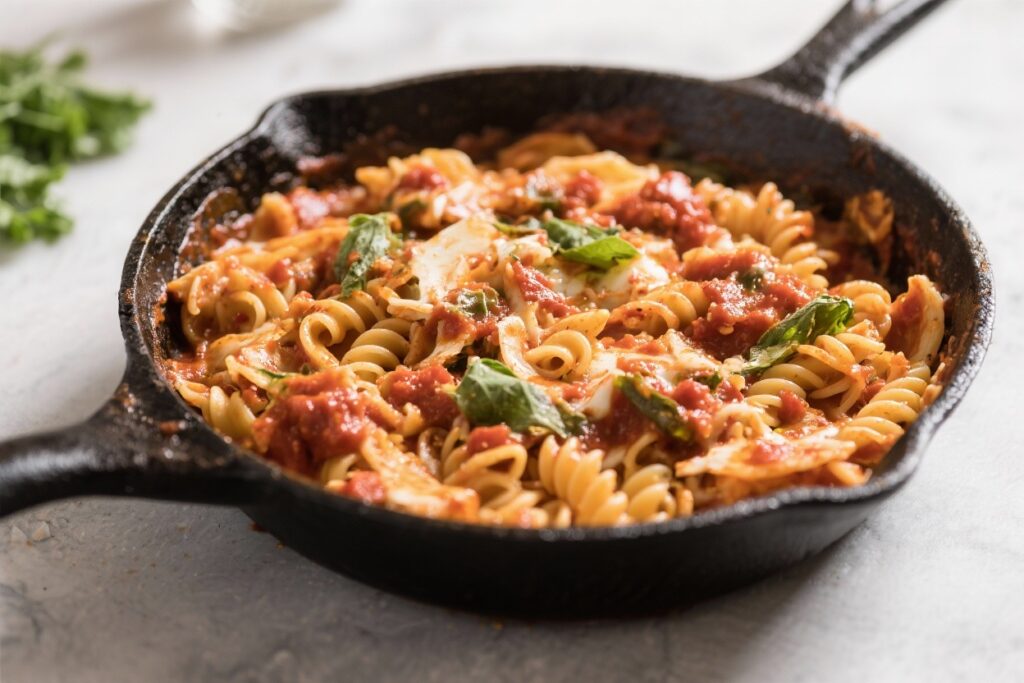
Your fridge has secrets. Half a jar of marinara, a handful of limp veggies, and that Tupperware of cold pasta you pretended you’d eat yesterday. Good news: we’re about to transform those “meh” leftovers into a craveable, one-pan masterpiece you’ll brag about.
No sink full of dishes. No complicated steps. Just a fast, flavor-packed sauce that makes your leftovers feel like a flex.
What Makes This Recipe Awesome
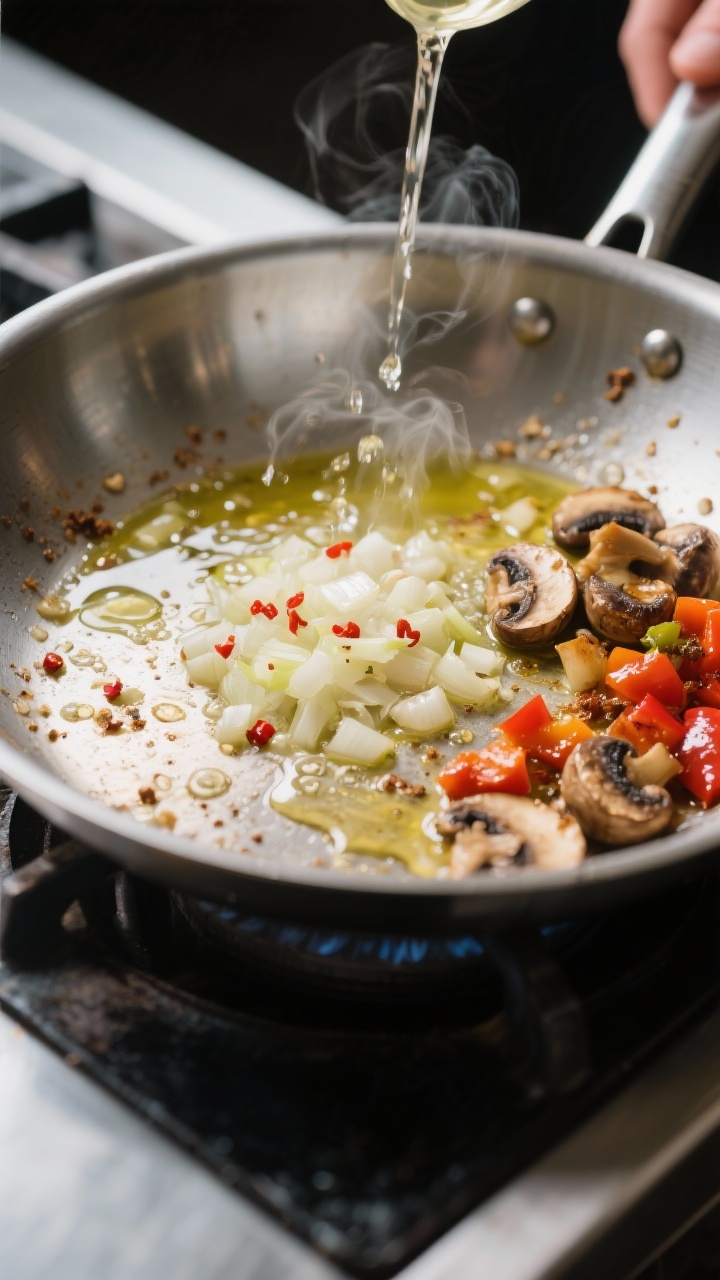
- One pan, minimal mess: You build flavor and finish the pasta in the same skillet.
Less cleanup, more couch time.
- Leftovers become assets: Veggies, meats, herbs—if it’s in your fridge and not questionable, it’s fair game.
- Restaurant-level sauce, weekday effort: Bloomed aromatics, quick reduction, starchy pasta water—bam, silky sauce.
- Flexible and forgiving: Works with tomato-based, creamy, or oil-forward sauces. It’s your rules now.
- Budget-friendly: You already paid for the ingredients. We’re just making them better, faster, stronger.
What You’ll Need (Ingredients)
- Leftover cooked pasta (8–12 oz; spaghetti, penne, rigatoni, etc.)
- Leftover tomato sauce (1–2 cups), OR crushed tomatoes (1 can), OR jarred marinara (1–2 cups)
- Olive oil or butter (2–3 tbsp)
- Aromatics: 3–4 cloves garlic (minced), 1 small onion or shallot (minced), 1 tsp red pepper flakes (optional)
- Leftover proteins (1–2 cups): cooked chicken, sausage, meatballs, shredded beef, beans, or tofu
- Leftover veggies (1–2 cups): mushrooms, spinach, peppers, zucchini, roasted veg, frozen peas
- Liquid for deglazing: 1/2 cup dry white wine, broth, or water
- Pasta water (1/2–1 cup; if you don’t have any, regular water + a pinch of cornstarch)
- Acid and umami: 1–2 tsp balsamic or red wine vinegar; 1 tsp soy sauce or Worcestershire (optional)
- Herbs and finishers: basil or parsley, lemon zest, grated Parmesan or Pecorino, a knob of butter or splash of cream (optional)
- Salt and black pepper to taste
Cooking Instructions
- Heat the pan: Set a large skillet over medium heat.
Add olive oil or butter until shimmering.
- Bloom aromatics: Add onion/shallot and cook 2–3 minutes until translucent. Stir in garlic and red pepper flakes for 30–45 seconds—fragrant, not burnt.
- Deglaze like a pro: Splash in wine or broth. Scrape up browned bits.
Reduce by half, about 1–2 minutes.
- Add veggies and protein: Toss in leftover vegetables and proteins. Sauté 2–3 minutes to warm and caramelize lightly.
- Build the sauce: Stir in tomato sauce (or canned tomatoes/jarred marinara). Add a splash of pasta water to loosen.
Simmer 3–5 minutes.
- Level up flavors: Add vinegar and a dash of soy sauce or Worcestershire. Taste. Adjust salt and pepper.
If too sharp, add a knob of butter or a splash of cream.
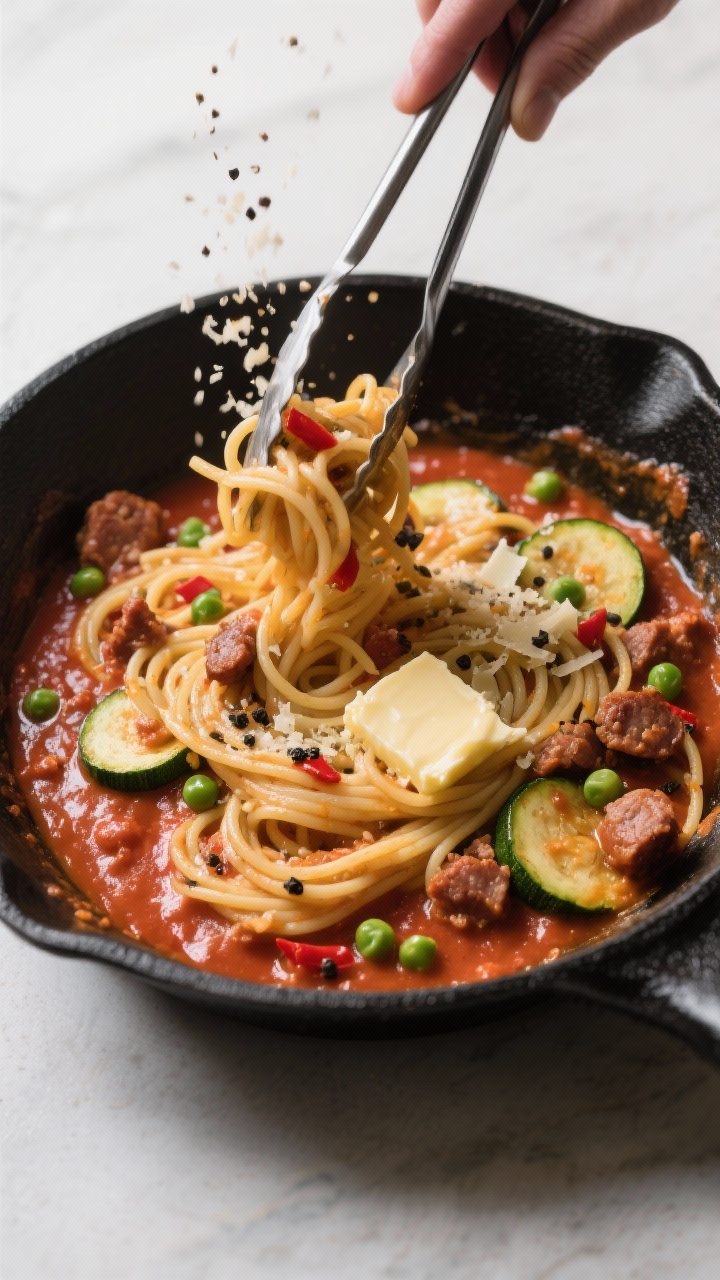
- Marry the pasta: Add leftover cooked pasta directly to the sauce with more pasta water as needed. Toss vigorously for 1–2 minutes until glossy and well-coated.
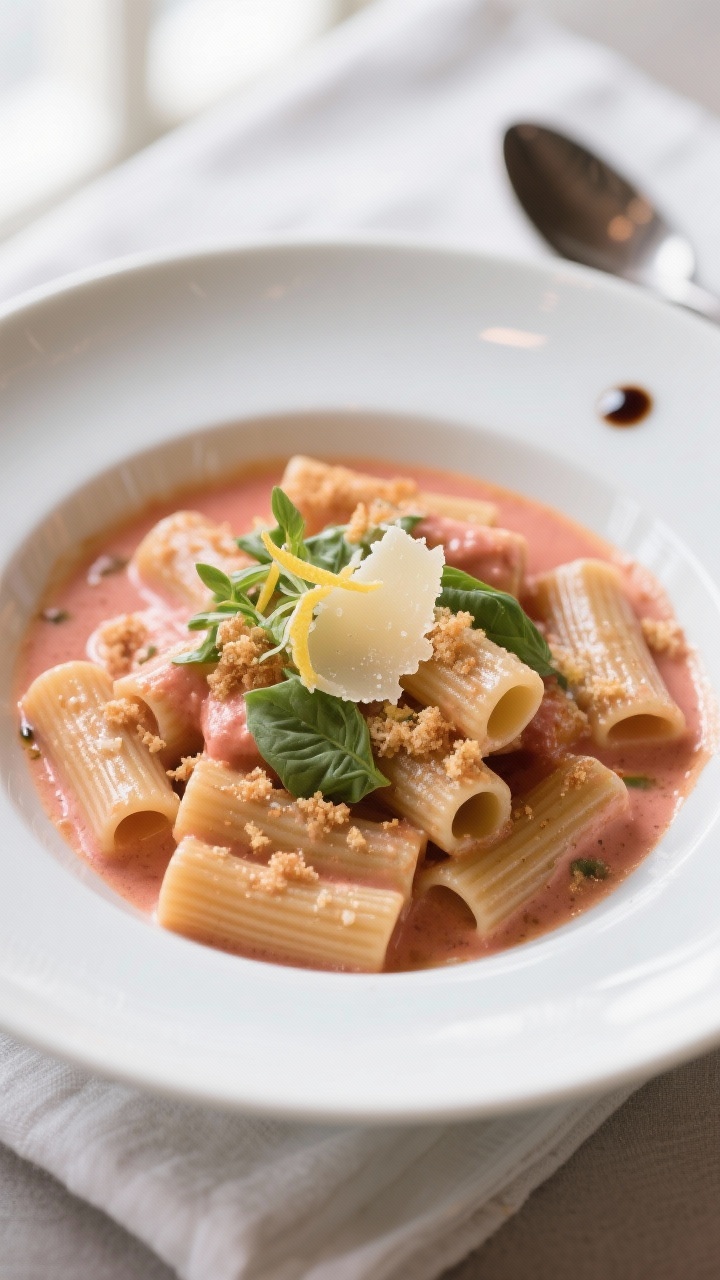
- Finish strong: Off heat, fold in fresh herbs, lemon zest, and a shower of Parmesan. Let it sit 1 minute to thicken.
Serve immediately.
How to Store
- Fridge: Cool completely. Store in an airtight container for 3–4 days.
- Reheat: Add a splash of water or broth to a skillet over medium heat; toss until hot. Microwave works, but stir halfway and add a drizzle of olive oil.
- Freezer: Sauced pasta freezes OK for up to 2 months, but texture softens.
If you plan to freeze, undercook the pasta slightly.
Why This is Good for You
- Zero-waste mindset: You’re rescuing ingredients from the compost bin. Your wallet approves.
- Balanced macros: Carbs from pasta, protein from leftovers, fiber from veggies. Add beans for extra staying power.
- Better-than-takeout sodium: You control the salt.
Your kidneys send their regards.
- Micronutrient boost: Tomatoes bring lycopene; greens add iron and folate; mushrooms add B vitamins and umami.
Pitfalls to Watch Out For
- Watery sauce: Too much liquid, not enough reduction. Simmer longer and add pasta water gradually.
- Bland results: Taste at each step. Salt, acid, and umami are your three cheat codes.
- Mushy pasta: Leftover pasta is already soft.
Toss briefly in the sauce—don’t simmer it to oblivion.
- Burnt garlic: It goes bitter fast. Keep heat moderate and add liquids before it darkens.
- Flavor clash: BBQ chicken + delicate cream sauce? Maybe not.
Keep flavors in the same universe, IMO.
Variations You Can Try
- Creamy Tomato Rosé: Add 1/4–1/2 cup cream or half-and-half and a knob of butter in step 6. Finish with basil and Parmesan.
- Smoky Arrabbiata: Extra red pepper flakes, a pinch of smoked paprika, and a splash of balsamic. Add olives if you’re feeling bold.
- Veggie Powerhouse: Mushrooms, spinach, zucchini, and peas with lemon zest and parsley.
Finish with toasted breadcrumbs for crunch.
- Protein Boost: Shredded rotisserie chicken, crumbled sausage, or cannellini beans. A dash of fennel seed takes it over the top.
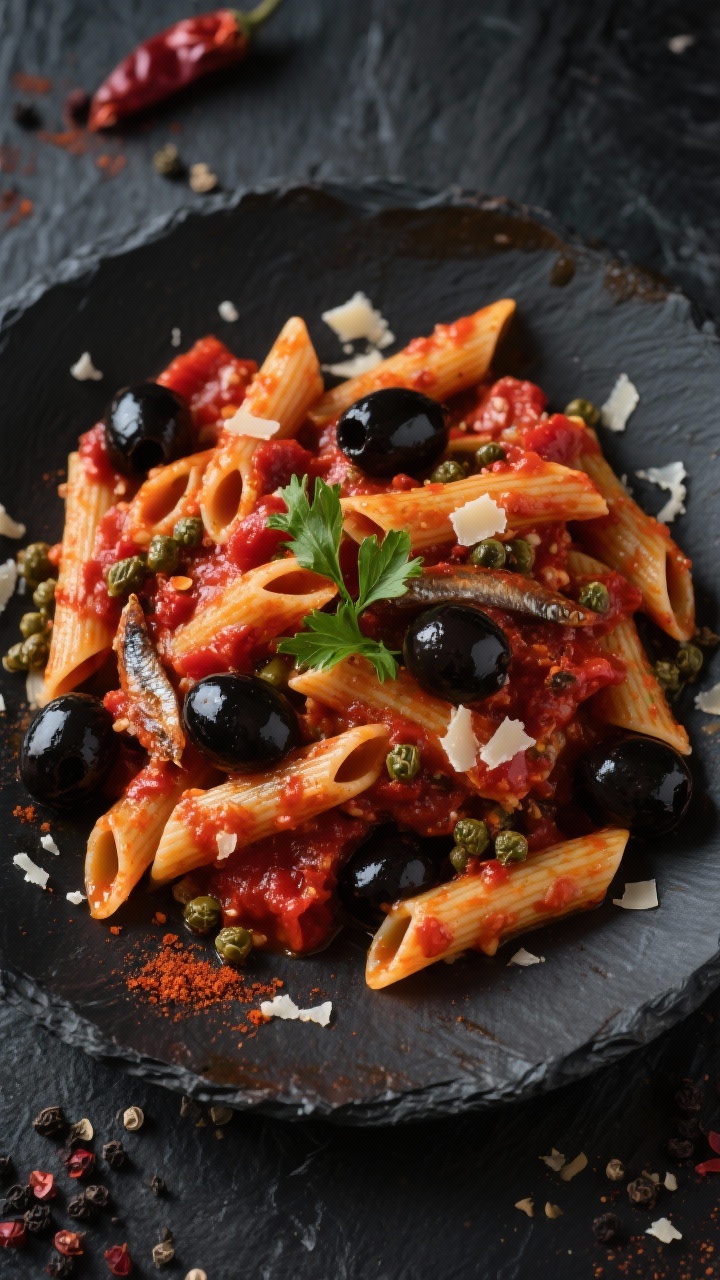
- Puttanesca-ish: Add capers, olives, anchovy (or a touch of fish sauce), and chili flakes. Big flavor, zero apologies.
- Garlic-Butter Lemon: Skip tomato.
Use butter, garlic, pasta water, lemon juice/zest, and parsley. Parmesan optional but recommended, FYI.
- Roasted Red Pepper Cream: Blend jarred roasted peppers with a splash of cream or cashew cream; simmer and finish with smoked paprika.
FAQ
Can I do this without leftover sauce?
Yes. Use canned crushed tomatoes or jarred marinara.
Build flavor with aromatics, deglaze, add tomatoes, simmer 5–8 minutes, then finish with pasta water and seasonings.
What if I don’t have pasta water?
Use regular water and whisk in a tiny pinch of cornstarch to mimic starchiness. Or add a spoonful of ricotta or butter to help emulsify.
How do I stop creamy sauces from splitting?
Lower the heat, add cream off the boil, and finish with gentle stirring. A little pasta water helps stabilize the emulsion.
Is whole-wheat or gluten-free pasta okay?
Absolutely.
Whole-wheat brings nuttiness; gluten-free works well but can soften faster. Toss briefly and serve immediately.
Can I make it spicy without overpowering the sauce?
Use red pepper flakes early for mellow heat, then finish with a drizzle of chili oil for a clean, controlled kick.
How do I rescue a sauce that tastes flat?
Add a pinch of salt, a squeeze of lemon or splash of vinegar, and a touch of umami (Parmesan, soy, or Worcestershire). Taste, adjust, repeat.
The Bottom Line
One pan.
One plan. One ridiculously good bowl of pasta from leftovers you almost forgot. With a few smart moves—bloom aromatics, reduce, emulsify—you’ll build a silky, punchy sauce that eats like a fresh-cooked meal and cleans up like a snack.
Keep this formula in your back pocket and your “what’s for dinner?” panic becomes a victory lap.
Printable Recipe Card
Want just the essential recipe details without scrolling through the article? Get our printable recipe card with just the ingredients and instructions.