
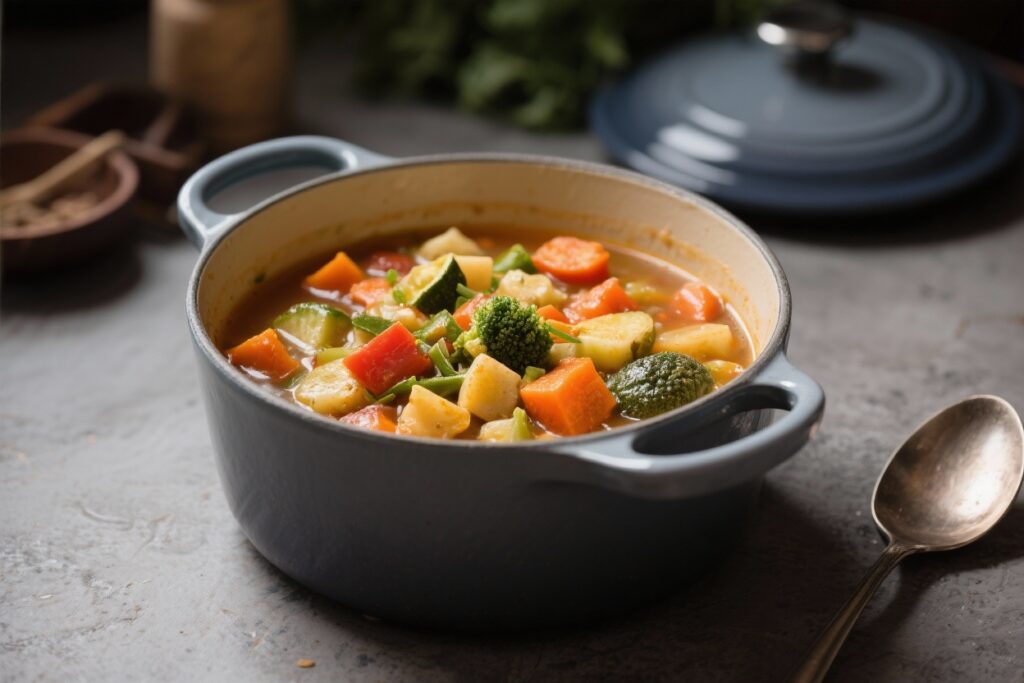
You know that bag of random carrots, a lonely zucchini, and half an onion staring you down every time you open the fridge? Good news: that mess is a gold mine. This one-pot garden veggie stew takes leftovers and alchemizes them into something hearty, vibrant, and borderline addictive.
It’s fast, flexible, and tastes like you planned it days in advance. Bonus: you’ll feel like a wizard who beats food waste and makes dinner for pennies.
Why This Recipe Works
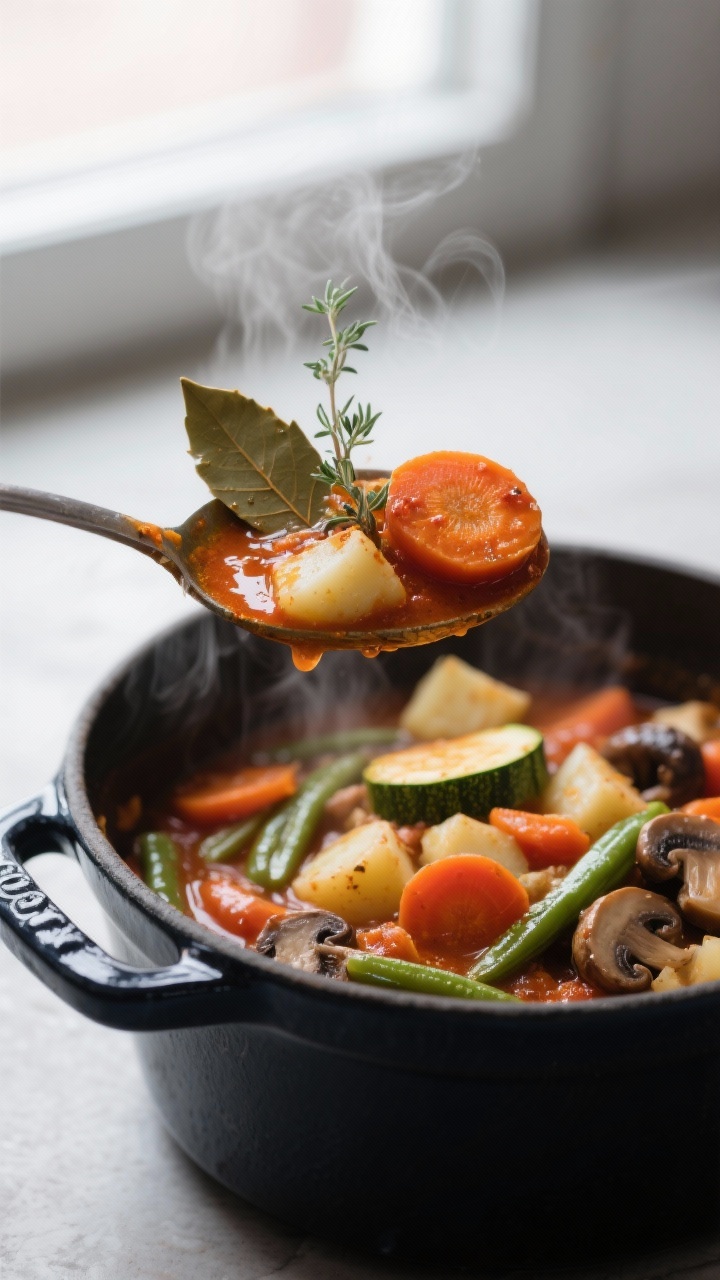
This stew is built on a simple formula: aromatics + veggies + starch + broth + acidity + fat. That balance creates big flavor with minimal effort.
A quick sauté unlocks deeper notes from onions and garlic, then tomato paste caramelizes to bring umami. Broth and herbs layer complexity, while a splash of vinegar at the end brightens everything like flipping on the flavor lights.
It’s also highly forgiving. Mushy veggies?
They melt into the broth and thicken it naturally. Tough root veg? They simmer until tender.
The one-pot method keeps it easy, and the flexible base means you can swap ingredients without wrecking the result. Efficiency plus comfort—what’s not to love?
What You’ll Need (Ingredients)
- 2 tablespoons olive oil (or butter, or a mix)
- 1 medium onion, diced (yellow, white, or red)
- 2–3 cloves garlic, minced
- 1–2 ribs celery, chopped (optional but recommended)
- 1–2 carrots, chopped
- 4–6 cups mixed leftover vegetables, chopped bite-size (e.g., zucchini, bell peppers, green beans, peas, corn, broccoli, cauliflower, cabbage, kale, spinach, mushrooms, potatoes, sweet potatoes, squash)
- 2 tablespoons tomato paste (or 1 cup crushed tomatoes)
- 6 cups vegetable or chicken broth (plus more as needed)
- 1 cup cooked grains or small pasta/beans (e.g., rice, quinoa, farro, orzo, canned chickpeas/white beans)
- 1 teaspoon dried thyme (or Italian seasoning)
- 1 bay leaf (optional)
- 1 teaspoon smoked paprika (optional but awesome)
- 1–2 teaspoons soy sauce or Worcestershire (for umami; use tamari if gluten-free)
- Salt and black pepper, to taste
- 1–2 teaspoons vinegar or lemon juice (red wine, apple cider, or balsamic)
- Fresh herbs for finish (parsley, dill, basil) and a drizzle of olive oil
- Optional protein: shredded rotisserie chicken, crumbled sausage, tofu, or lentils
Step-by-Step Instructions
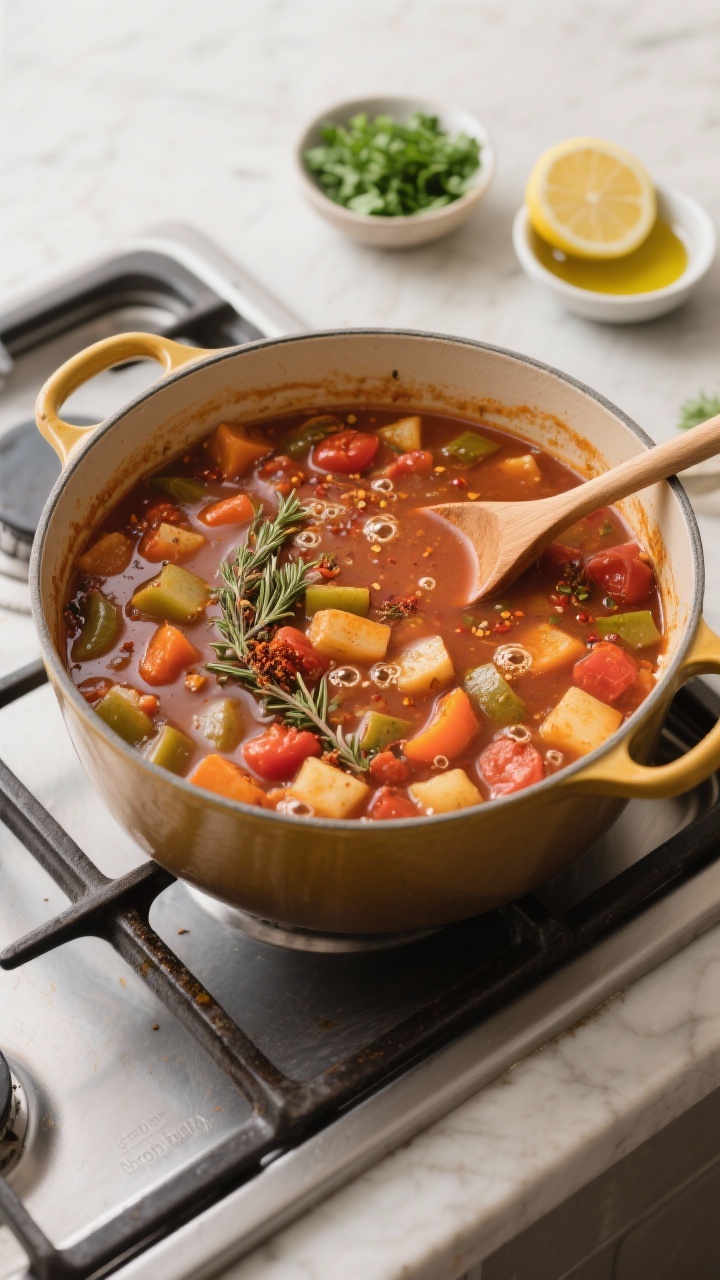
- Prep the chaos. Wash and chop your veggies into similar bite-size pieces. Softer veg (zucchini, spinach) go in later; firmer veg (carrots, potatoes) go in earlier.
FYI, no one’s grading your knife skills.
- Sweat the aromatics. Heat olive oil in a large pot over medium. Add onion, celery, and carrots with a pinch of salt. Cook 5–7 minutes until softened and lightly golden.
- Garlic + umami. Stir in garlic for 30 seconds, then add tomato paste.
Cook 1–2 minutes until it darkens slightly—it should smell deep and savory, not raw.
- Load in the sturdies. Add firm vegetables like potatoes, squash, or cauliflower. Sprinkle in thyme, smoked paprika, and bay leaf. Stir to coat in the paste.
- Broth bath. Pour in the broth to cover by about an inch.
Add soy sauce or Worcestershire. Bring to a gentle boil, then reduce to a simmer. Cook 10–15 minutes until the firm veg starts to soften.
- Add the mid-tier veggies. Toss in green beans, mushrooms, broccoli, or cabbage.
Simmer another 8–10 minutes until tender.
- Finish with the delicate stuff. Stir in quick-cooking veg like peas, corn, zucchini, spinach, or kale. Add cooked grains, pasta, or canned beans. Simmer 3–5 minutes to heat through.
- Acidity = magic. Remove from heat.
Stir in vinegar or lemon juice. Taste and adjust salt and pepper. If it tastes flat, it wants more acid or salt; if it’s too sharp, add a splash of broth.
- Dress it up. Ladle into bowls.
Finish with chopped fresh herbs, a drizzle of olive oil, and black pepper. Optional: grated Parmesan, chili flakes, or a dollop of pesto for drama.
Storage Tips
- Fridge: Store in airtight containers up to 4 days. The flavors actually improve by day two—stew glow-up.
- Freezer: Freeze up to 3 months.
Cool completely, portion into freezer-safe containers, and leave headspace. Thaw overnight in the fridge.
- Reheat: Warm gently on the stove with a splash of water or broth. If pasta has soaked up too much liquid (it will), add more broth to loosen.
- Meal prep tip: Keep grains or pasta separate and add when serving to preserve texture.
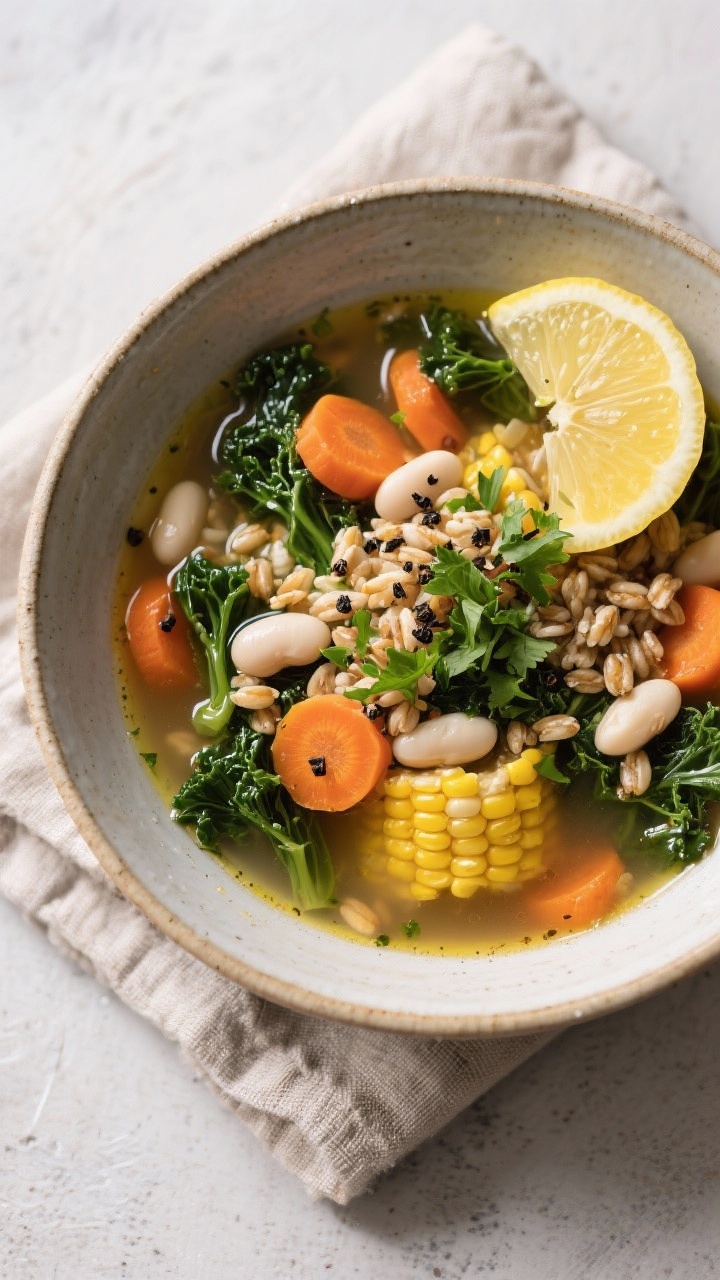
What’s Great About This
- Zero waste hero: Uses up stragglers and saves money without tasting like “clean-out-the-fridge.”
- One pot, minimal mess: Less cleanup, more couch time.
IMO, the best metric of a good recipe.
- Customizable: Works with vegan, gluten-free, or protein-packed variations.
- Nutrient-dense: Fiber, vitamins, and minerals from a rainbow of veggies.
- Comforting yet light: Hearty enough for dinner, not a food coma.
Don’t Make These Errors
- Overloading the pot. Crowding can lead to uneven cooking. Use a large pot or make two batches. Your veggies deserve space.
- Skipping the sauté. Raw onions and paste tossed into broth = bland.
That quick caramelization step builds crucial flavor.
- Adding delicate greens too early. Spinach and zucchini turn sad if overcooked. Add near the end.
- Forgetting acid and salt. If the stew tastes dull, it’s usually not more herbs you need; it’s brightness and seasoning.
- Cooking pasta from dry in the pot without extra liquid. It will drink your broth. Either cook separately or add at least 1–2 extra cups of liquid.
Mix It Up
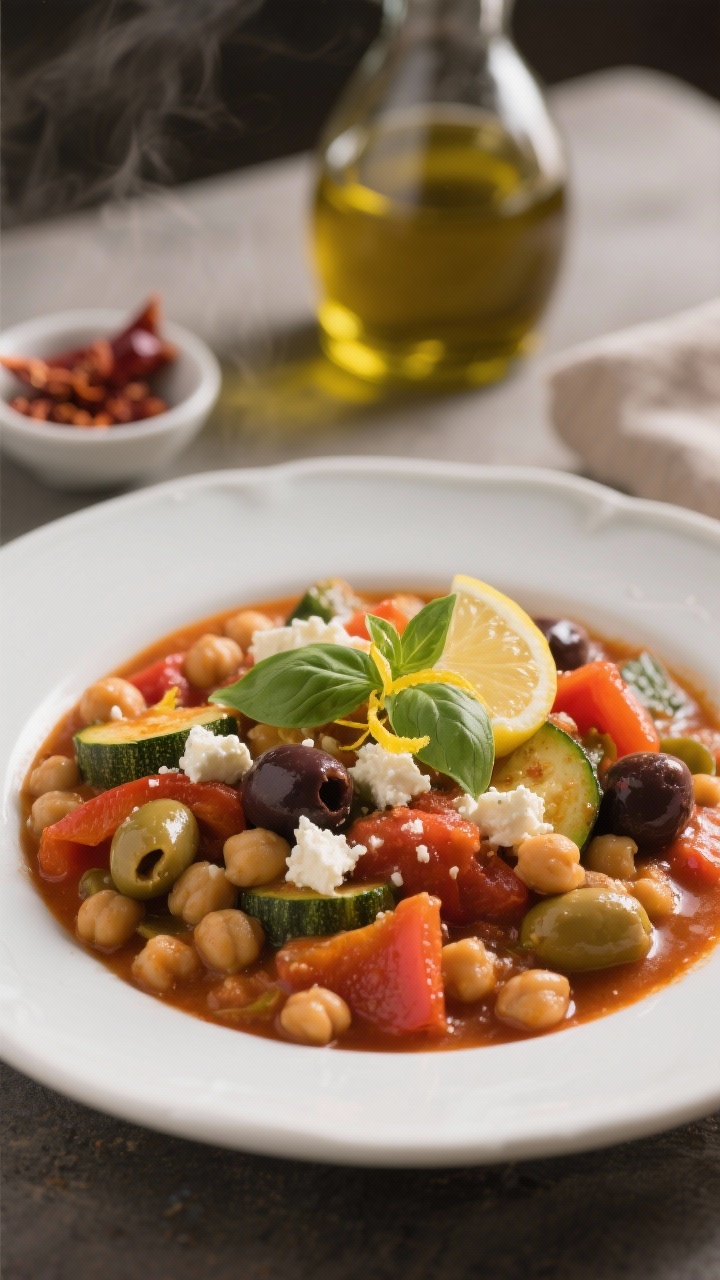
- Mediterranean twist: Add olives, chickpeas, oregano, and finish with lemon zest and feta.
- Tuscan vibes: White beans, rosemary, kale, and Parmesan rind simmered with the broth.
- Smoky Southwest: Add fire-roasted tomatoes, black beans, corn, cumin, and a chipotle in adobo.
Lime to finish.
- Curry comfort: Stir in curry powder or paste, coconut milk, and sweet potatoes. Cilantro on top.
- Protein boost: Shredded chicken, Italian sausage, crumbled tofu, or lentils. Start sausage in the pot first for extra flavor.
- Grain swap: Try farro for chew, quinoa for lightness, or barley for a classic stew feel.
FAQ
Can I use frozen vegetables?
Yes.
Add them in the last 5–8 minutes so they don’t turn mushy. Frozen peas and corn are clutch for color and sweetness.
What if I don’t have tomato paste?
Use crushed tomatoes or even a spoon of salsa. If skipping tomatoes completely, add a bit more soy sauce and an extra splash of vinegar for depth.
How do I thicken the soup naturally?
Simmer uncovered to reduce, mash a few potatoes or beans in the pot, or add a handful of rolled oats while simmering.
No cornstarch required.
Is this good for meal prep?
Absolutely. It holds up 3–4 days and freezes well. For best texture, store grains or pasta separately and add when reheating.
What herbs work best?
Thyme, bay, and parsley are reliable; rosemary and dill are great depending on the direction.
Finish with fresh herbs at the end to keep flavors bright.
Can I make it in a slow cooker?
Yes. Sauté onions, garlic, and tomato paste first for flavor, then add everything except tender greens and cooked grains. Cook on low 6–7 hours or high 3–4, add greens and grains in the last 20–30 minutes.
How do I keep it from tasting bland?
Layer seasoning: salt during sauté, soy/Worcestershire for umami, herbs while simmering, and acid at the end.
Taste, adjust, repeat. Your spoon is your coach.
Wrapping Up
Leftover Vegetables Soup: One-Pot Garden Veggie Stew is the ultimate “have your life together” meal disguised as a cleanup operation. It’s cozy, flexible, and rewards creativity, not perfection.
Keep the formula, swap the parts, and you’ll have a weeknight win ready whenever the fridge looks chaotic. Waste less, eat better, and yes—pat yourself on the back while you’re at it.
Printable Recipe Card
Want just the essential recipe details without scrolling through the article? Get our printable recipe card with just the ingredients and instructions.