

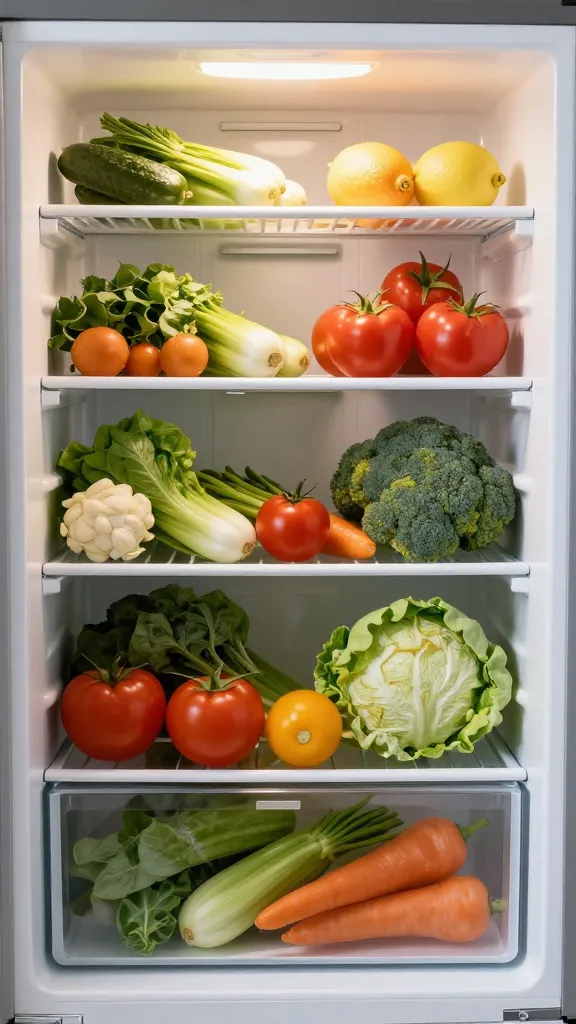
You’ve got a fridge full of vegetables giving you side-eye and a crowd coming over? Perfect. Leftover vegetable soup saves the day, the wallet, and your sanity. It’s hearty, flexible, and zero-stress. We’ll turn your odds-and-ends into a giant pot of cozy goodness that tastes like you planned it. Spoiler: you didn’t, and that’s fine.
Why Leftovers Make the Best Soup

Leftovers already carry flavor, which means your soup starts ahead. Roasted carrots? They bring caramelized sweetness. That half an onion? Instant depth. You can throw in everything from limp celery to last night’s rice, and it all plays nice.
Also, let’s be real—soup feeds a crowd without demanding perfect knife skills or exact timing. You simmer, you stir, you taste, and boom: dinner. One pot, many bowls, zero drama.
What You Can (and Should) Toss In

Soup loves variety. Think of your pot as a friendly neighborhood for strays. As long as it’s edible and not slimy or fuzzy, it probably belongs.
Great veggie options:
- Onions, leeks, scallions
- Carrots, celery, fennel
- Potatoes, sweet potatoes, squash
- Bell peppers, zucchini, green beans
- Broccoli, cauliflower, cabbage
- Spinach, kale, chard (add near the end)
- Corn, peas (frozen works like a charm)
- Tomatoes (fresh or canned)
Boosters that make it a meal:
- Cooked grains: rice, quinoa, farro, barley
- Beans or lentils: canned or leftover
- Small pasta shapes: ditalini, orzo, elbow macaroni
- Leftover rotisserie chicken or sausage (if you’re not going fully veg)
Flavor MVPs:
- Garlic, ginger, chili flakes
- Tomato paste, miso, soy sauce, Worcestershire (anchovy magic, FYI)
- Bay leaves, thyme, rosemary
- Parmesan rind (drop it in and let it work)
- Lemon juice or vinegar to finish
What to Skip (or Handle Carefully)
– Beets turn everything pink. Cute? Maybe. Expected? Probably not.
– Eggplant and zucchini can get mushy—add late and don’t overcook.
– Delicate greens wilt fast—stir in at the end.
– Strong herbs like dill or tarragon can take over—use lightly.
The Big-Pot Blueprint (Feeds 8–10)

This is your flexible roadmap. Swap what you have, and don’t stress the measurements.
Ingredients:
- 3 tablespoons olive oil or butter
- 1 large onion, chopped
- 3 carrots, chopped
- 3 celery stalks, chopped
- 4–6 cups assorted leftover vegetables, chopped bite-size
- 4 cloves garlic, minced
- 2 tablespoons tomato paste (or 1 cup crushed tomatoes)
- 10–12 cups broth or water (veg or chicken)
- 2 bay leaves + a few thyme sprigs
- 1–2 cups cooked beans or lentils (optional but awesome)
- 1–2 cups cooked grains or small pasta (add later)
- Salt, pepper, chili flakes to taste
- Finishes: lemon juice, vinegar, fresh herbs, Parmesan, or a swirl of pesto
Method:
- Heat the pot with oil. Sauté onion, carrot, and celery with a pinch of salt until glossy and soft, about 8 minutes. This is your flavor base—don’t rush it.
- Add garlic and tomato paste. Cook 1–2 minutes until the paste darkens slightly. Smells ridiculous already, right?
- Dump in your chopped leftover vegetables. Stir for 2–3 minutes to wake them up.
- Pour in broth. Add bay leaves, thyme, and any sturdy veg like potatoes or squash. Simmer 20–30 minutes until everything softens.
- Stir in beans, cooked grains, or pasta. If adding uncooked small pasta, simmer it right in the pot and adjust liquid as needed.
- Taste and season like you mean it: salt, pepper, chili flakes. Finish with lemon or vinegar for brightness.
- Serve with fresh herbs and a shower of Parmesan. Or bread. Or both. IMO, both.
Make-It-Fancy Upgrades
– Stir in a spoonful of miso or soy sauce for umami.
– Add a Parmesan rind while it simmers. Remove before serving.
– Swirl in pesto, chili crisp, or harissa in each bowl.
– Finish with a garlic-lemon yogurt dollop for tangy richness.
Scaling Up Without Chaos
Feeding a soccer team or your chatty extended family? You’ve got this.
- Use a stockpot that holds at least 8–10 quarts.
- Batch your sauté if your pot crowds—brown equals flavor.
- Season in stages. Salt early, adjust late. Big pots need more acid and salt than you think.
- Keep add-ins separate for crowds: serve pasta or rice on the side so it doesn’t bloat in the pot.
- Label toppings (cheese, herbs, chili oil) and let people customize.
Flavor Profiles to Try

Want a theme? Pick a lane and drive.
Italian-ish
– Base: onion, carrot, celery, garlic
– Add: tomatoes, white beans, zucchini, kale
– Herbs: thyme, rosemary, bay
– Finish: Parmesan, olive oil, lemon
Smoky Southwest
– Base: onion, bell pepper, garlic
– Add: corn, tomatoes, black beans, sweet potato
– Spices: cumin, chili powder, smoked paprika
– Finish: lime, cilantro, avocado
Gingery Miso
– Base: onion, ginger, garlic
– Add: mushrooms, bok choy, carrots, tofu or edamame
– Broth: veg + a spoon of miso (off heat) + soy sauce
– Finish: scallions, sesame oil, chili crisp
Texture Tricks So It Doesn’t Taste Like “Fridge Soup”
Texture matters, especially with leftovers. Nobody wants mush-on-mush.
- Stagger your veg: add potatoes early, zucchini late.
- Blend a little: purée 2 cups and stir back in for body without cream.
- Use toppings: croutons, toasted nuts, crispy chickpeas, or grated cheese.
- Brighten at the end: acid and fresh herbs wake it up. FYI, acid fixes 80% of “meh.”
Storage, Freezing, and Reheating
Soup loves leftovers almost as much as you do. Let it cool, then stash it.
- Fridge: 4 days in airtight containers.
- Freezer: Up to 3 months. Leave out pasta or delicate greens before freezing.
- Reheat gently: Add water or broth if it thickens. Taste and re-season—salt and acid fade over time.
FAQ
Can I make this soup vegetarian or vegan?
Absolutely. Use vegetable broth or water, skip any meat add-ins, and finish with olive oil or a vegan pesto instead of cheese. For creaminess without dairy, blend a cup of beans into the broth or swirl in cashew cream.
What if my soup tastes bland?
Season in layers. Add salt first, then fat (olive oil or butter), then umami (soy sauce, miso, Parmesan rind), and finally acid (lemon or vinegar). Keep tasting. Nine times out of ten, the fix is a pinch more salt and a squeeze of lemon. IMO, acid is the secret weapon.
How do I avoid soggy pasta or rice?
Cook pasta or rice separately and add it to each bowl just before serving. If you must add it to the pot, undercook it slightly and serve right away. For leftovers, store grains and soup in separate containers.
Can I use frozen vegetables?
Yes, and they’re clutch. Add them straight from the freezer in the last 10 minutes so they don’t go mushy. Frozen peas, corn, spinach, and mixed veg work great.
Do I need broth, or can I use water?
Water works fine if you build flavor elsewhere. Sauté your aromatics well, use tomato paste or miso, add bay and herbs, and finish with plenty of salt and acid. You’ll still get a rich, satisfying soup.
What proteins pair best without stealing the show?
Beans, lentils, and chickpeas fit right in. If you want meat, use shredded rotisserie chicken, browned Italian sausage, or diced ham. Add cooked proteins near the end to keep them tender.
Wrap It Up (Then Ladle It Out)
Leftover vegetable soup doesn’t ask for perfection—it asks for a big pot and a sense of adventure. You toss in what you have, let it simmer into harmony, and tweak until it sings. It feeds a crowd, rescues your fridge, and makes you look effortlessly generous. Honestly? That’s the kind of kitchen win we all need more of.