
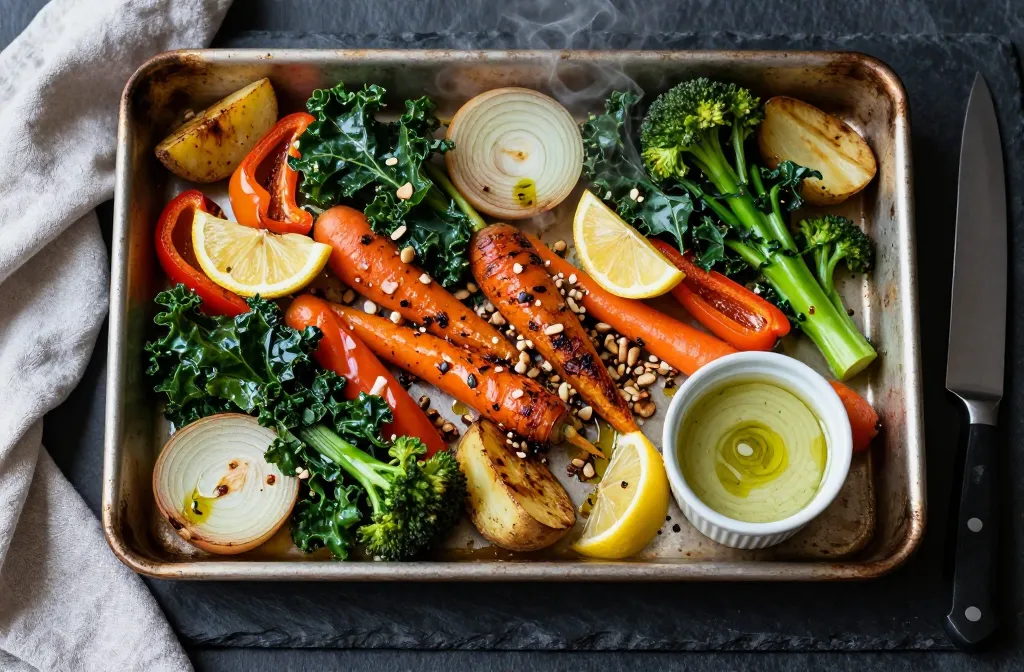
Your fridge drawer called. It’s tired of being a produce purgatory. Let’s turn those wilting greens, awkward half-onions, and lone carrots into food you actually want to eat—no guilt, no bland mush, no sad salads. Ready to cook smarter, faster, and cheaper? Grab a pan and your “what even is this?” veggie bag, and let’s go.
Why Leftovers Make Better Dinners Than Fresh Stuff (Yeah, I Said It)
Leftover veggies already have character. They’re softer, a little sweeter, and honestly more forgiving. You don’t need fancy techniques—just heat, seasoning, and a plan. Plus, you save cash and reduce food waste. That’s a double high-five for your wallet and the planet.
The Golden Rules of Leftover Veg Magic
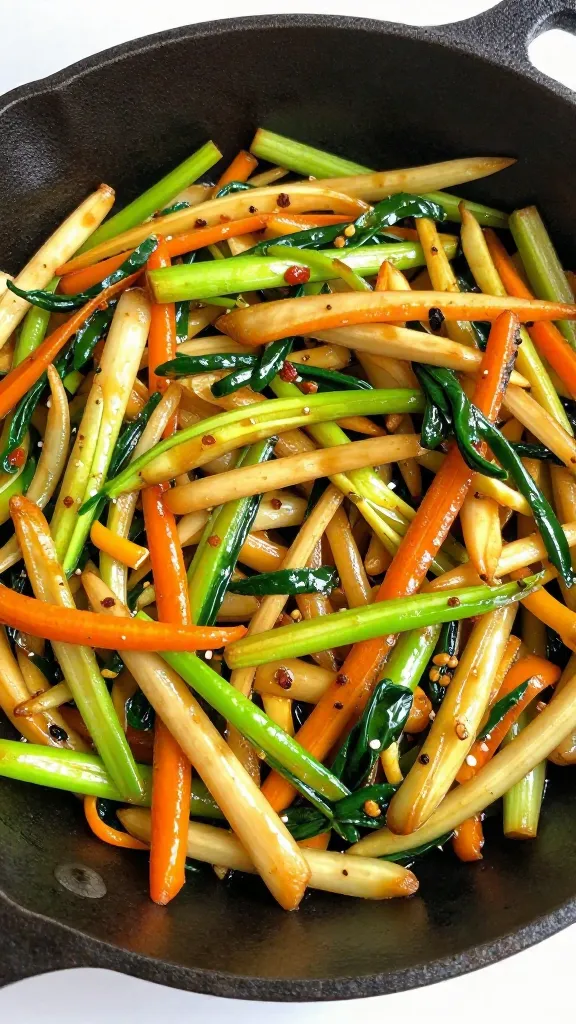
Before we sauté anything, let’s set you up for success with a few simple guidelines:
- Cut everything to similar sizes. This helps everything cook evenly and crisp up instead of steaming into mush.
- Use high heat when you can. Roasting or quick stir-fries turn sad veggies into crispy, caramelized greatness.
- Season last-minute. Add salt toward the end so you don’t draw out too much moisture early on.
- Acid + fat = flavor party. A squeeze of lemon or splash of vinegar with olive oil, butter, or sesame oil makes leftovers sing.
- Layer texture. Crunchy toppings (nuts, seeds, croutons) make soft veggies feel intentional, not accidental.
Smart Storage, Zero Slime
Store cooked veggies in shallow containers so they cool fast. If they’re watery, drain them before chilling. Reheat on a pan or in the oven, not just the microwave, for better texture. FYI: paper towel under roasted veg keeps them from getting soggy.
Sheet-Pan Remix: Roast, then Re-Use
If you have odds and ends—half a squash, a lone beet, some broccoli that gave up—roast everything together. Then spin those roasted bits into multiple meals.
Base Roast
Toss chopped veggies with olive oil, salt, pepper, and something fun like smoked paprika or cumin. Roast at 425°F (220°C) until caramelized—about 20–30 minutes.
What to Make After
- Roasted Veg Tacos: Warm tortillas, pile on veg, add lime crema (yogurt + lime + salt), and some pickled onions. Hot sauce? Obviously.
- Loaded Hummus Plate: Spread hummus, top with veg, drizzle with olive oil, and shower with herbs and toasted seeds. Dinner = done.
- Roast Veg Frittata: Whisk eggs, add veg and cheese, bake in a skillet. It’s brunch energy on a Tuesday night.
Fried Rice, But Make It Chaotic-Good
The best fried rice thrives on leftovers. Veggies, day-old rice, that egg you need to use—everything belongs here. IMO, this is the best “clean the fridge” move you can make.
Quick Fried Rice Formula
- Prep: Chop veggies small. Use cold rice if possible. Mix a sauce: soy sauce, sesame oil, a little rice vinegar, and sugar or honey.
- Cook: Sear veggies in a hot pan with oil. Push aside, scramble an egg, then add rice and sauce. Stir until steamy and glossy.
- Finish: Add scallions, chili crisp, or peanuts for crunch. A squeeze of lime? Chef’s kiss.
What Veggies Work Best?
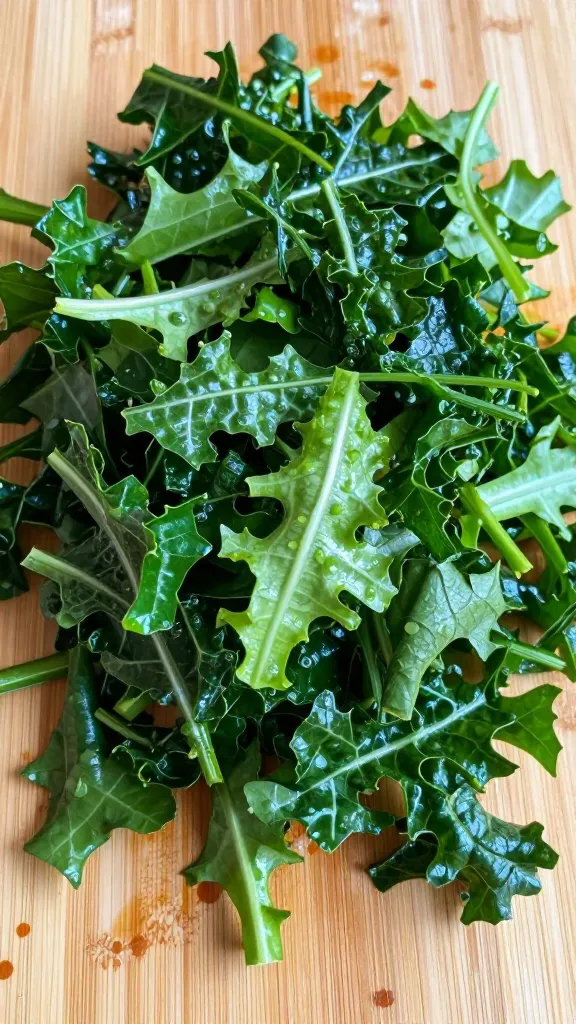
Carrots, peas, corn, mushrooms, cabbage, broccoli stems (yes, stems!), and greens. Chop leafy greens small and add at the end so they don’t disappear into sadness.
Soup That Doesn’t Taste Like Regret
Soup loves leftover vegetables. It forgives everything, especially that zucchini that blinked twice before surrendering. Go for texture and big flavor.
Chunky Minestrone Vibes
- Sauté onion, garlic, celery, and any sturdy veg in olive oil.
- Add canned tomatoes, broth, beans, and small pasta or rice.
- Simmer until everything’s tender. Finish with lemon zest and Parmesan.
Silky Blended Soup
Roasted veg + broth + blender = magic. Think carrot-ginger, sweet potato-coconut, or cauliflower-curry. Always finish with acid (lemon, vinegar) and a fat (cream, olive oil, coconut milk) to make it restaurant-level.
Stir-Fry: The Five-Minute Flex
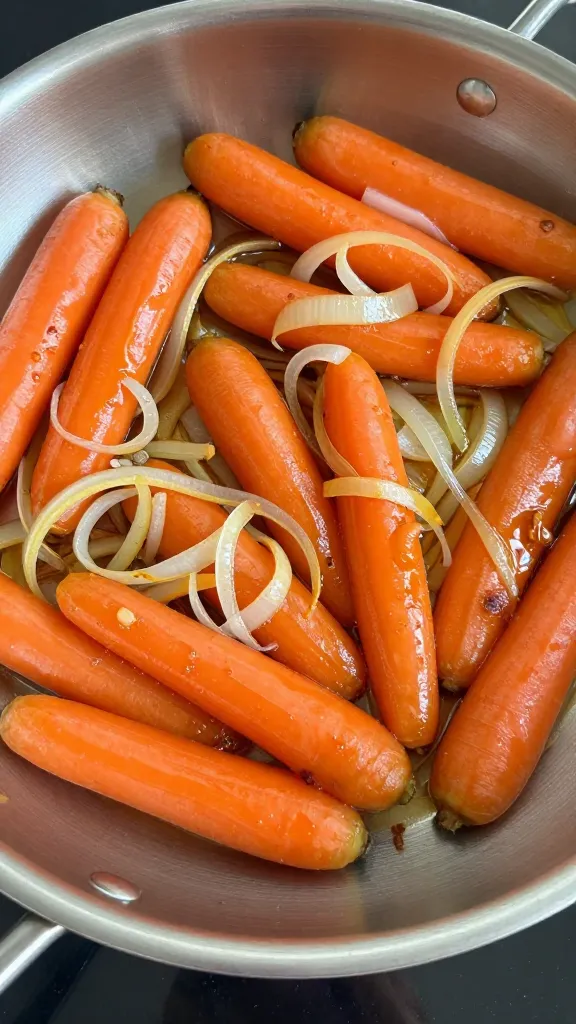
You only need heat, speed, and a simple sauce. Stir-fries love vegetables that are already cooked or blanched—less stress, more dinner.
Lightning Sauce Ideas
- Classic: Soy, garlic, ginger, brown sugar, and cornstarch slurry.
- Tangy: Hoisin, rice vinegar, and a dash of sriracha.
- Peanut: Peanut butter, soy, lime juice, and a little honey.
Pro Tips
- Cook aromatics first (garlic, ginger, chili) for 30 seconds.
- Add sturdier veg, then tender ones, then any pre-cooked leftovers.
- Pour in sauce last and toss until glossy. Top with sesame seeds.
Pasta That Pretends It Was Planned
Pasta transforms leftovers with zero drama. Use what you have and focus on sauce texture.
Garlic-Butter Veg Orecchiette
- Sizzle garlic in butter and olive oil. Add chopped leftover veggies.
- Deglaze with white wine or pasta water. Add cooked pasta and a squeeze of lemon.
- Finish with Parmesan, black pepper, and chili flakes. Toss in herbs if you’re feeling fancy.
Creamy-but-Not-Heavy Trick
Blend a handful of roasted squash or cauliflower with a splash of milk or pasta water. Boom: instant velvety sauce without drowning in cream. FYI: nutritional yeast adds cheesy vibes if you’re dairy-free.
Salads that Slap (Warm Ones, Too)
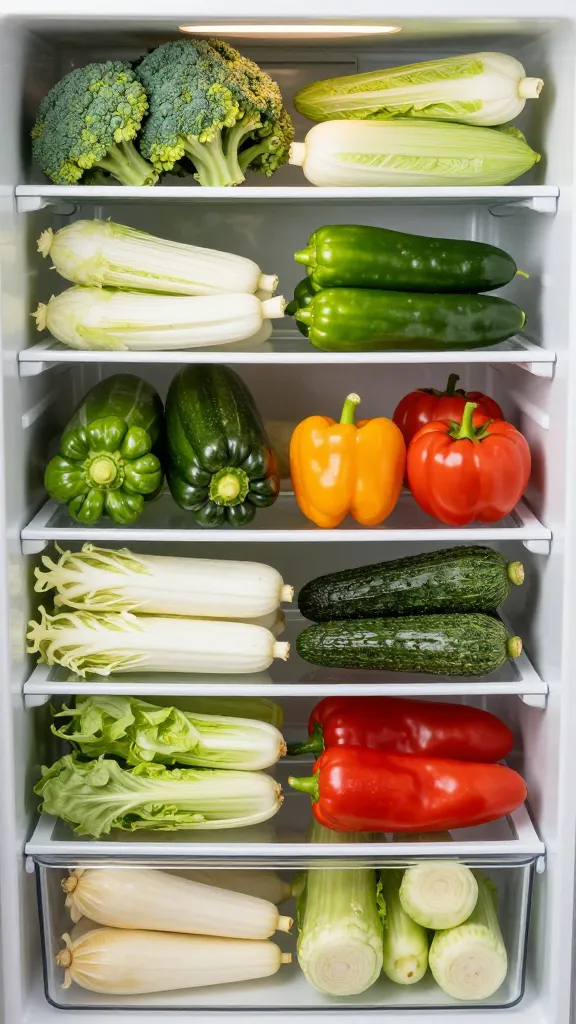
Not every salad needs raw leaves. Warm salads bring texture and comfort, and they love leftovers.
Warm Grain + Veg Bowl
- Base: quinoa, farro, or rice.
- Veg: roasted broccoli, carrots, peppers, or mushrooms.
- Extras: feta, toasted almonds, raisins, or olives.
- Dressing: olive oil, lemon, Dijon, maple syrup, salt, pepper.
Crispy Chickpea Power Salad
Roast canned chickpeas with paprika and salt. Toss leftover veg with greens, chickpeas, and a tahini-lemon dressing. Add pita chips if you enjoy joy.
The “Everything Pancake” (Okonomiyaki-Inspired)
Mix shredded cabbage, scallions, and any chopped leftover veg with a simple batter (flour, egg, a splash of water). Pan-fry until crisp on both sides. Drizzle with mayo + sriracha and a sprinkle of furikake or sesame seeds. It’s savory, crispy, and borderline addictive, IMO.
Flavor Boosters You Should Keep Around
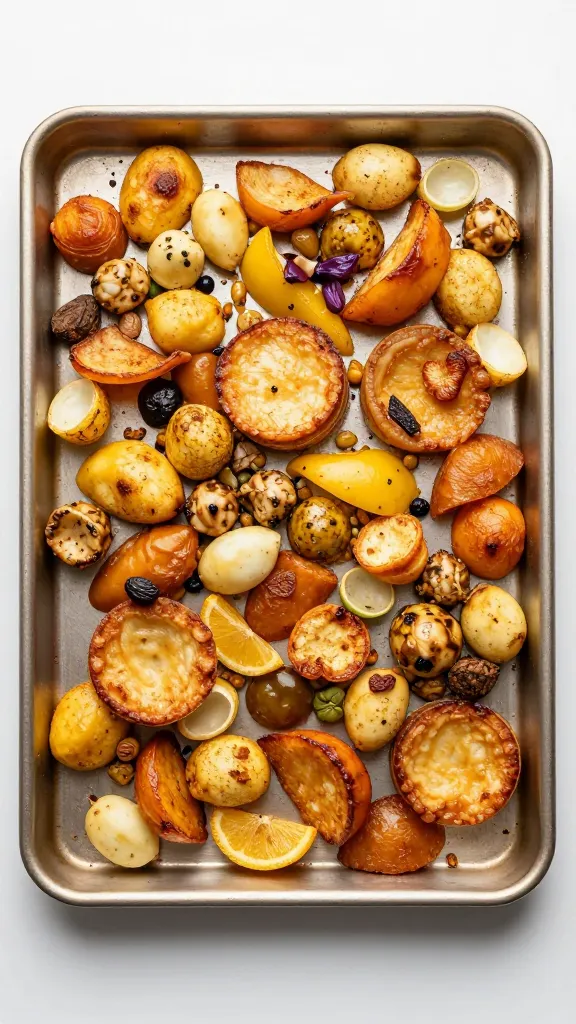
A small lineup of pantry heroes turns “meh” into “more, please.”
- Acids: lemons, limes, vinegars (rice, red wine, apple cider)
- Salty saviors: soy sauce, miso paste, anchovies, olives, feta
- Heat: chili crisp, harissa, gochujang, sriracha
- Herby things: parsley, cilantro, scallions, dill
- Crunch: nuts, seeds, panko, tortilla strips
FAQ
How long do leftover vegetables stay good?
Most cooked veggies last 3–4 days in the fridge when stored in airtight containers. Keep them on a shelf, not the door, for a steadier temperature. If they smell off or feel slimy, skip the heroics and toss them.
Can I freeze leftover vegetables?
Yes, especially roasted or blanched veggies. Spread them on a baking sheet to freeze, then bag them. They’ll lose some crunch but work great in soups, stews, and stir-fries.
What if my leftovers are watery?
Drain them first, then reheat in a hot pan to evaporate excess moisture. Finish with a pat of butter or a splash of oil to restore gloss and flavor. Adding a crunchy topping also helps balance the texture.
Do I need special spices to make leftovers taste good?
Nope. Salt, pepper, garlic, and a squeeze of lemon handle 90% of the job. If you want more oomph, smoked paprika, cumin, curry powder, or Italian seasoning play nicely with almost any veg.
What leftover veggies should I avoid mixing?
Delicate greens (spinach, arugula) cook faster than roots (carrots, potatoes). Cook them separately or add greens at the end. Otherwise, you’ll get overcooked leaves and undercooked chunks—nobody wants that.
How do I reheat without turning everything soggy?
Use dry heat. Ovens and skillets beat microwaves for texture. If you must microwave, reheat in short bursts and finish in a hot pan for a quick crisp-up.
Wrap-Up: Your Veg, Your Rules
Leftover vegetables aren’t a burden—they’re a head start. Roast them, toss them in fried rice, blend them into soup, or crown a bowl of pasta. Keep your heat high, your acid handy, and your toppings crunchy. And next time that crisper drawer looks chaotic? Smile. You’re one pan away from greatness.