
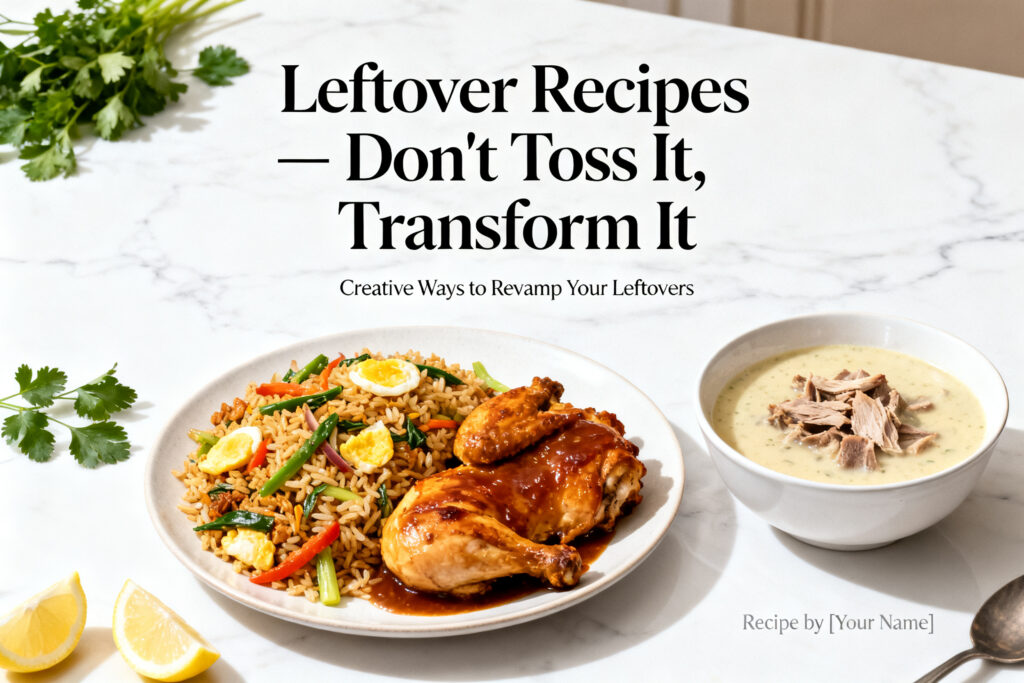
Leftovers don’t have to be boring. With a few smart moves, that extra rice, roast chicken, or roasted veggies can turn into a brand-new meal you’ll actually look forward to. Think of this as your flexible, no-stress guide to transforming what’s in your fridge into something fresh and satisfying.
No fancy techniques. Just practical steps, simple flavors, and ideas that make sense on a busy weeknight.
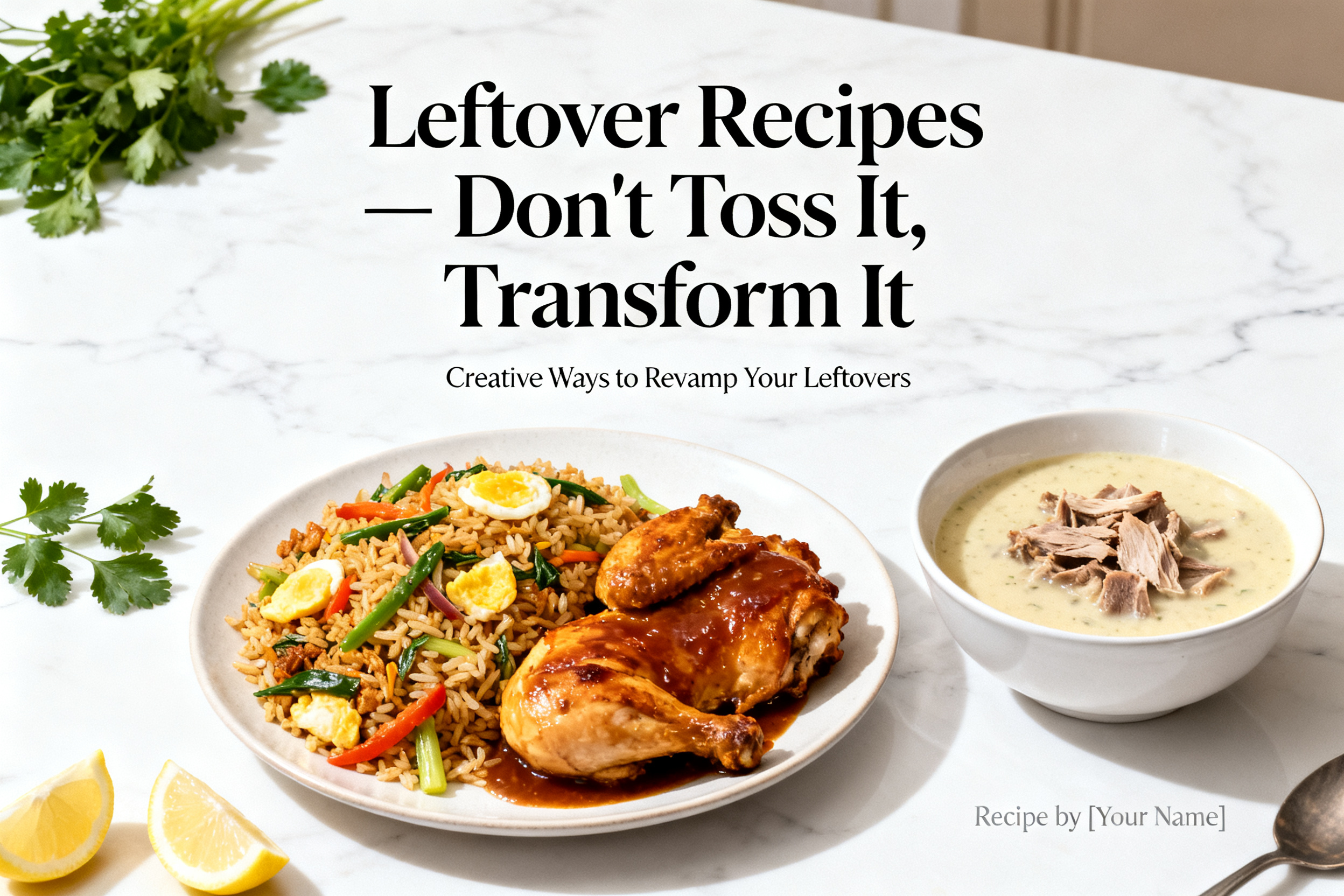
Leftover Recipes — Don't Toss It, Transform It - Simple, Smart, and Delicious
Ingredients
Method
- Take inventory: Pull out your leftovers and pick one grain/starch, one protein, and at least one vegetable. Aim for color and variety.
- Choose your direction: Decide on a flavor profile. Options: Asian-inspired (soy, sesame, ginger), Mediterranean (olive oil, lemon, herbs), Tex-Mex (salsa, cumin, lime), Italian (pesto, balsamic), or comfort (BBQ, ranch, cheddar).
- Refresh the base: If using rice, pasta, or potatoes, warm them in a skillet with a little oil or butter to revive texture. Splash in water if it’s dry.
- Reheat protein gently: Add leftover chicken, tofu, or beans to the skillet. Warm over low heat so it doesn’t dry out. A spoonful of sauce or broth helps.
- Add vegetables wisely: Toss in sturdy cooked veggies early. Add delicate or raw veggies at the end to keep them crisp.
- Make it saucy: Stir in your chosen sauce combo. For example: 1 tablespoon soy sauce + 1 teaspoon sesame oil + a squeeze of lime. Or 2 tablespoons pesto with a splash of pasta water. Taste and adjust.
- Boost freshness: Finish with herbs, a squeeze of citrus, or a drizzle of olive oil. Add crunch with nuts, seeds, or crispy onions.
- Top with an egg (optional): A fried or soft-boiled egg turns bowls and fried rice into a full, cozy meal.
- Plate and balance: Check for salt, acid, and heat. Add a pinch of salt, a hit of vinegar or lemon, or a little chili if needed.
- Serve immediately: Leftovers taste best when reheated just until hot, not overcooked.
What Makes This Recipe So Good
This “recipe” is really a base formula that works for almost any leftover combo. It gives you a clear plan: pick a grain, add a protein, layer in veggies, then tie it all together with a sauce or seasoning.
You get a meal that’s balanced, tasty, and fast.
- Flexible and forgiving: Use what you have. Swap what you don’t. Nothing here is precious.
- Low effort, big flavor: You’ll rely on pantry sauces, fresh herbs, and a quick sear or toss to wake up tired leftovers.
- Budget-friendly: Stretch one cooked protein or a tray of roasted vegetables into multiple meals.
- Balanced by default: Grain + protein + veg + sauce = satisfying and complete.
- Works for any diet: Keep it meat-free, dairy-free, or gluten-free with easy swaps.
Shopping List
Use this list as a template.
You likely have some of it already.
- Base grains or starch: Cooked rice, quinoa, farro, couscous, pasta, roasted potatoes, or tortillas/flatbreads.
- Leftover proteins: Roast chicken, cooked ground beef or turkey, steak slices, tofu, tempeh, beans, lentils, pulled pork, canned tuna or salmon.
- Vegetables (cooked or raw): Roasted veggies, sautéed greens, steamed broccoli, grilled peppers, salad greens, cherry tomatoes, shredded cabbage, scallions.
- Quick flavor boosters: Garlic, ginger, lemon or lime, fresh herbs (cilantro, parsley, basil), green onions, jalapeño, chili flakes.
- Pantry sauces and condiments: Soy sauce or tamari, hot sauce, sriracha, olive oil, sesame oil, vinegar (rice, red wine, apple cider), Dijon mustard, mayonnaise, yogurt, hummus, pesto, salsa, BBQ sauce, curry paste, canned coconut milk.
- Toppers and textures: Nuts, seeds, toasted breadcrumbs, grated cheese or feta, pickles, olives, kimchi, crispy onions.
- Optional eggs: Great for binding fried rice, topping bowls, or making a quick frittata.
Instructions
- Take inventory: Pull out your leftovers and pick one grain/starch, one protein, and at least one vegetable. Aim for color and variety.
- Choose your direction: Decide on a flavor profile. Options: Asian-inspired (soy, sesame, ginger), Mediterranean (olive oil, lemon, herbs), Tex-Mex (salsa, cumin, lime), Italian (pesto, balsamic), or comfort (BBQ, ranch, cheddar).
- Refresh the base: If using rice, pasta, or potatoes, warm them in a skillet with a little oil or butter to revive texture.
Splash in water if it’s dry.
- Reheat protein gently: Add leftover chicken, tofu, or beans to the skillet. Warm over low heat so it doesn’t dry out. A spoonful of sauce or broth helps.
- Add vegetables wisely: Toss in sturdy cooked veggies early.
Add delicate or raw veggies at the end to keep them crisp.
- Make it saucy: Stir in your chosen sauce combo. For example: 1 tablespoon soy sauce + 1 teaspoon sesame oil + a squeeze of lime. Or 2 tablespoons pesto with a splash of pasta water.
Taste and adjust.
- Boost freshness: Finish with herbs, a squeeze of citrus, or a drizzle of olive oil. Add crunch with nuts, seeds, or crispy onions.
- Top with an egg (optional): A fried or soft-boiled egg turns bowls and fried rice into a full, cozy meal.
- Plate and balance: Check for salt, acid, and heat. Add a pinch of salt, a hit of vinegar or lemon, or a little chili if needed.
- Serve immediately: Leftovers taste best when reheated just until hot, not overcooked.
Keeping It Fresh
Leftovers can be revived with simple tricks.
Add moisture where it was lost: a splash of water in rice, a bit of broth for meats, or a spoon of yogurt in sauces. Heat gently and avoid letting things stew too long in the pan.
- Storage: Keep components separate when possible. Store grains, proteins, veggies, and sauces in their own containers.
This keeps textures sharp.
- Timing: Most cooked foods keep 3–4 days in the fridge. Label containers with dates so you know what to use first.
- Reheat smarter: Use a skillet or oven to keep things crisp. Microwave with a damp paper towel to prevent dryness.
- Freeze strategically: Rice, cooked beans, shredded chicken, and broths freeze well.
Sauces like pesto and curry paste can be frozen in small portions.
Benefits of This Recipe
- Reduces food waste: You’ll use up odds and ends that might otherwise get tossed.
- Saves money: Stretch what you cooked once into multiple new meals.
- Speeds up weeknights: Most transformations take 10–15 minutes.
- Customizable nutrition: Adjust protein, fiber, and veggies to fit your goals.
- Builds cooking confidence: You’ll learn to season and balance flavors without strict recipes.
What Not to Do
- Don’t overheat: High heat dries out meat and makes grains gummy. Warm gently.
- Don’t mix everything at once: Layer in stages so delicate items don’t get mushy.
- Don’t forget acidity: A squeeze of lemon or a splash of vinegar can wake up flat flavors.
- Don’t rely only on salt: Balance with fat (olive oil), acid (citrus), and heat (chili) for a complete taste.
- Don’t ignore texture: Add crunch with nuts, seeds, toasted breadcrumbs, or crisp veggies.
Recipe Variations
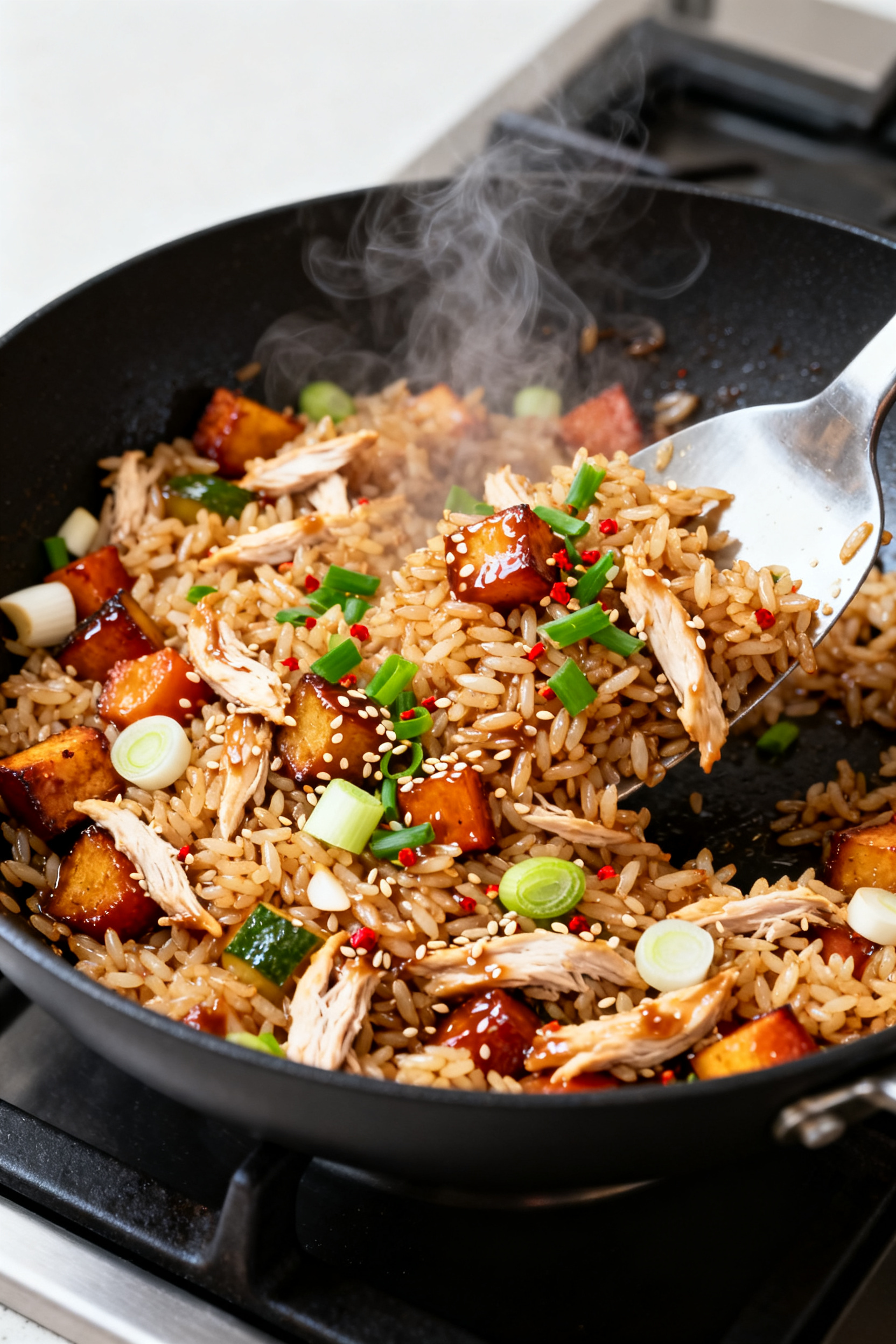
- Fried Rice, Reinvented: Heat oil, add garlic and leftover veggies, then cold rice. Splash with soy sauce and sesame oil.
Stir in diced chicken or tofu. Finish with scallions and a fried egg.
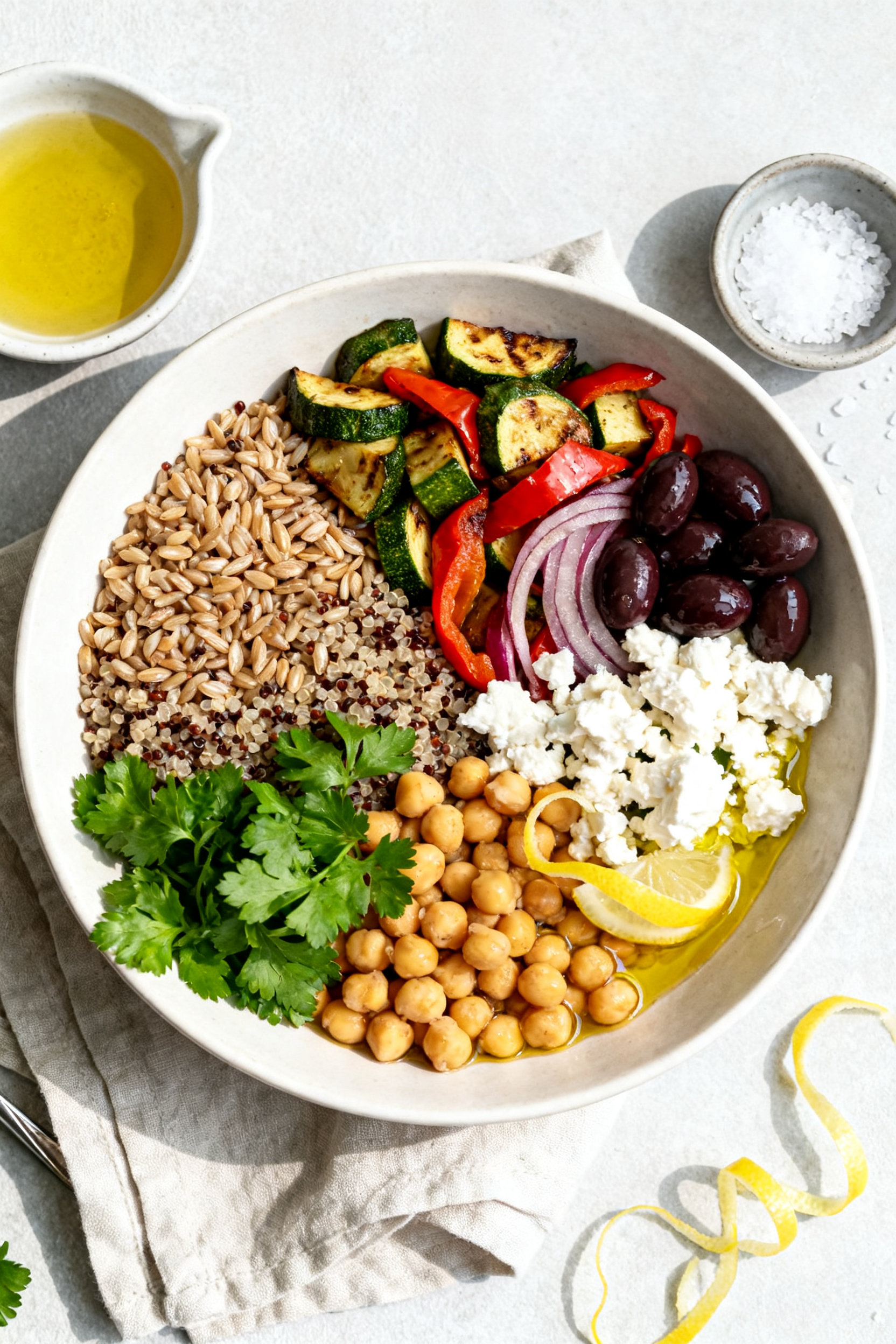
- Mediterranean Grain Bowl: Quinoa or farro + roasted veggies + chickpeas. Dress with lemon, olive oil, garlic, and parsley.
Top with feta and olives.
- Tex-Mex Skillet: Sauté onions and peppers, add leftover shredded pork or beans, then toss with rice or tortillas. Finish with salsa, lime, and a sprinkle of cheese.
- Pasta Primavera Remix: Warm leftover pasta with a splash of pasta water and olive oil. Add roasted veggies, a spoon of pesto, and lemon zest.
Top with Parmesan.
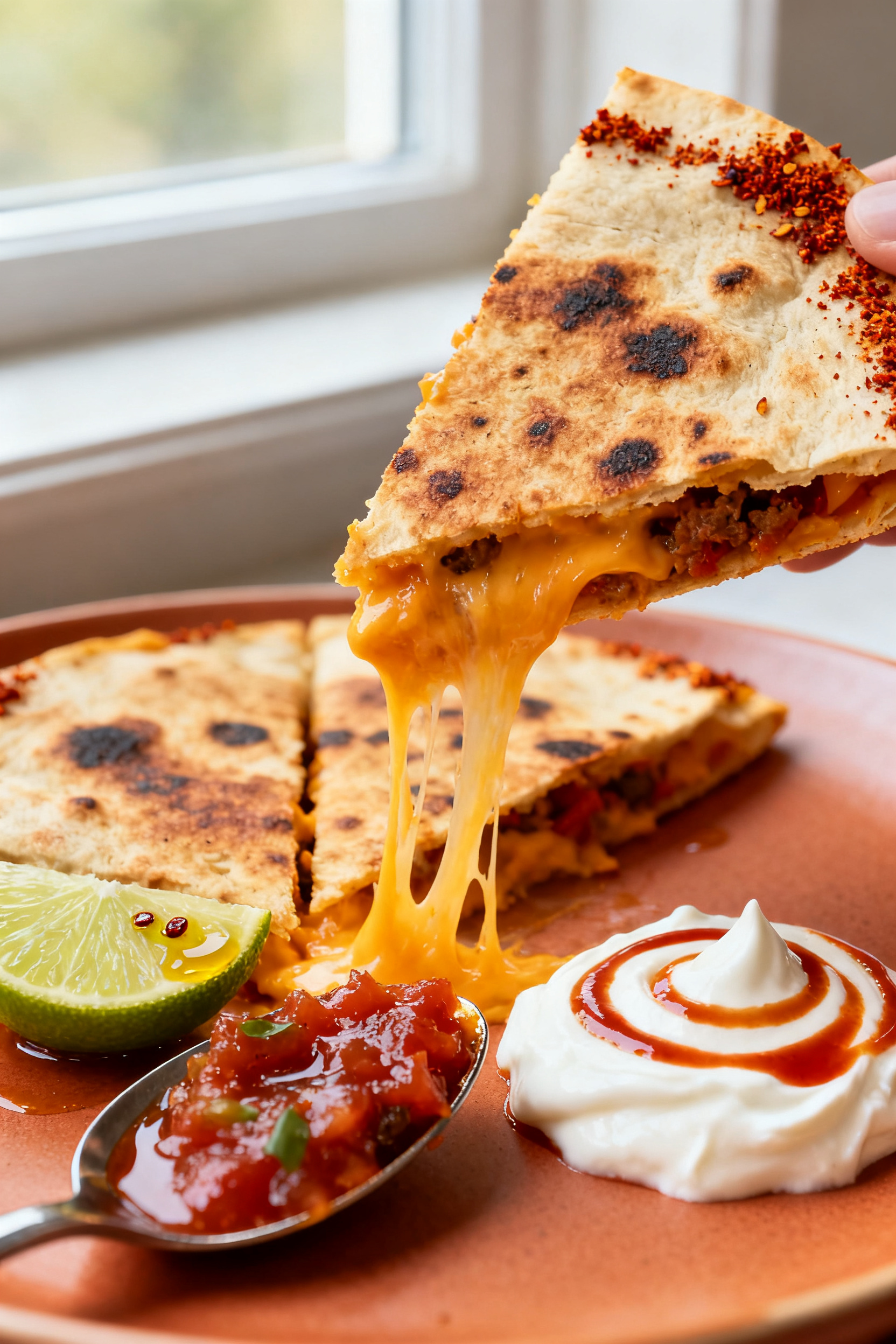
- Chicken and Veggie Quesadillas: Layer shredded chicken and roasted peppers between tortillas with cheddar. Cook until crisp. Serve with salsa and yogurt or sour cream.
- Curry Soup Shortcut: Simmer coconut milk with curry paste and broth.
Add leftover veggies and protein. Serve over rice or with naan, lime, and cilantro.
- Breakfast Frittata: Beat eggs with a splash of milk, fold in chopped leftovers, and cook gently in a skillet. Finish under the broiler.
Great warm or cold.
- Tuna and Bean Salad: Mix canned tuna with white beans, chopped celery, red onion, lemon, and olive oil. Add herbs. Pile onto greens or toast.
FAQ
How long are leftovers safe to eat?
Most cooked foods are safe for 3–4 days when refrigerated within two hours of cooking.
Reheat to steaming hot. If something smells off, looks slimy, or tastes strange, toss it.
What if my leftovers are dry?
Add moisture as you heat. Use water, broth, or a little sauce.
For meats, slice thin and warm gently in a saucy skillet. For rice or grains, add a splash of water and cover to steam.
Can I combine different cuisines?
Yes, but keep a clear flavor direction. Pick one main profile—like soy-sesame or lemon-herb—so the dish tastes intentional, not chaotic.
What’s the best way to reheat crispy foods?
Use an oven, toaster oven, or air fryer at 350–400°F (175–200°C) for a few minutes.
Avoid the microwave for breaded or roasted items if you want to keep the crunch.
How do I scale this for meal prep?
Cook a big batch of a base grain and one protein, prep two sauces, and roast a tray of mixed veggies. Store separately and combine in fresh ways throughout the week.
Any quick sauce ideas from pantry staples?
Try these: soy sauce + sesame oil + lime; yogurt + lemon + garlic + dill; olive oil + Dijon + red wine vinegar; mayo + sriracha + lime; pesto thinned with pasta water; BBQ sauce + a splash of vinegar.
Can I make it vegetarian or gluten-free?
Absolutely. Use beans, lentils, tofu, or eggs for protein.
Choose gluten-free grains like rice or quinoa and use tamari instead of soy sauce with gluten.
What if I only have a small amount of each item?
Chop everything and turn it into a hash, fried rice, or a loaded wrap. Small amounts shine when combined and seasoned well.
Is it okay to reheat more than once?
It’s best to reheat only what you’ll eat. Repeated reheating can affect texture and safety.
If needed, heat thoroughly and avoid letting food sit at room temperature.
How do I avoid bland results?
Layer flavor at the end: salt to taste, add acid (lemon or vinegar), a fat (olive oil or butter), and a touch of heat (pepper or chili). Fresh herbs do wonders.
In Conclusion
Leftovers aren’t a compromise—they’re a head start. With a simple formula, a few pantry staples, and a quick refresh in the pan, yesterday’s dinner becomes today’s “how is this so good?” meal.
Keep components separate when you store them, season with intention, and finish with something fresh. You’ll save money, cut waste, and eat better without working harder. Don’t toss it.
Transform it.
Printable Recipe Card
Want just the essential recipe details without scrolling through the article? Get our printable recipe card with just the ingredients and instructions.