

Leftovers don’t have to feel like a chore. With a few smart tricks, you can turn last night’s dinner into something new, tasty, and budget-friendly. Think fried rice from day-old rice, frittatas packed with vegetables, or soups that rescue lonely carrots and a half onion.
You’ll save money, reduce waste, and eat better with less effort. Let’s make what’s already in your fridge work harder for you.

Leftover Food Ideas — Stop Throwing Money in the Trash - Simple, Smart Ways to Reuse What You Have
Ingredients
Method
- Pick your pathway. Choose one method based on what you have: fried rice/grain bowl, frittata, or soup. Each pathway is fast, flexible, and forgiving.
- Fried rice or grain bowl. Heat oil in a large skillet. Sauté aromatics (garlic, ginger, onion). Add chopped vegetables and cook until tender. Stir in cold cooked rice or grains, breaking up clumps. Add protein. Season with soy sauce, a splash of vinegar or citrus, and a little sugar to balance. Finish with herbs or a fried egg.
- Frittata or omelet. Beat 6–8 eggs with salt, pepper, and a splash of milk or water. Sauté leftover vegetables and proteins in an oven-safe skillet. Pour in eggs, sprinkle cheese, and cook on low until edges set. Move to a 375°F (190°C) oven for 8–10 minutes, or cover on the stove until just set. Rest 5 minutes before slicing.
- Hearty soup or stew. Sauté onion, celery, and carrot in oil with salt until soft. Add garlic. Stir in leftover meats, beans, or roasted veg. Pour in broth or water with bouillon. Add tomatoes or coconut milk if you like. Simmer 10–20 minutes. Taste and adjust with salt, pepper, lemon, or a pinch of sugar.
- Balance flavors. If it tastes flat, add acid (lemon, vinegar). Too sharp? Add a little fat (butter, olive oil) or a pinch of sugar. Needs depth? A splash of soy sauce or Worcestershire helps.
- Use toppings wisely. Fresh herbs, a squeeze of citrus, toasted nuts, or a drizzle of yogurt make leftovers feel brand-new.
- Portion and store. Cool quickly. Pack into single-serve containers for easy lunches and to keep quality high.
Why This Recipe Works
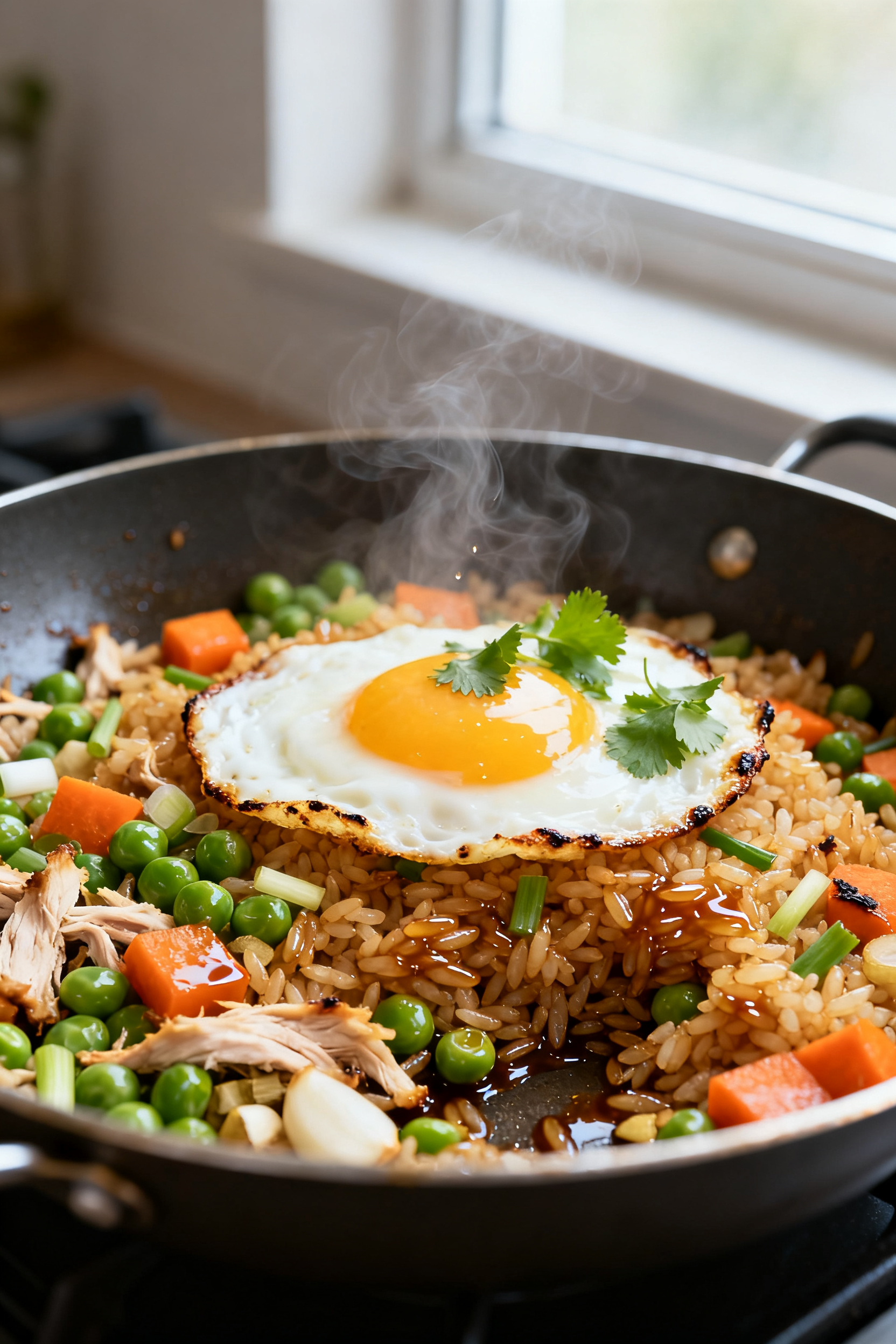
This “recipe” is really a flexible method for transforming leftovers into complete meals. It leans on three reliable formulas: fried rice or grain bowls, frittatas or omelets, and hearty soups or stews.
Each one welcomes odds and ends without sacrificing flavor. You get structure without strict rules, so nothing goes to waste and dinner comes together fast.
Ingredients
- Base options: Cooked rice, quinoa, couscous, pasta, or potatoes
- Protein options: Leftover chicken, beef, pork, tofu, beans, lentils, sausage, or eggs
- Vegetables: Any cooked or raw veg—onions, peppers, broccoli, spinach, peas, carrots, mushrooms, zucchini, tomatoes
- Flavor boosters: Garlic, ginger, scallions, chili flakes, lemon or lime, soy sauce, hot sauce, vinegar, mustard
- Liquids: Broth, canned tomatoes, coconut milk, or even water with a bouillon cube
- Cheese and dairy: Parmesan, cheddar, feta, cream, yogurt, or sour cream
- Herbs and toppings: Cilantro, parsley, basil, green onions, nuts, seeds, leftover pesto, or salsa
- Pantry staples: Olive oil, butter, salt, pepper, sugar or honey (a pinch to balance acidity)
Instructions

- Pick your pathway. Choose one method based on what you have: fried rice/grain bowl, frittata, or soup. Each pathway is fast, flexible, and forgiving.
- Fried rice or grain bowl. Heat oil in a large skillet.
Sauté aromatics (garlic, ginger, onion). Add chopped vegetables and cook until tender. Stir in cold cooked rice or grains, breaking up clumps.
Add protein. Season with soy sauce, a splash of vinegar or citrus, and a little sugar to balance. Finish with herbs or a fried egg.
- Frittata or omelet. Beat 6–8 eggs with salt, pepper, and a splash of milk or water.
Sauté leftover vegetables and proteins in an oven-safe skillet. Pour in eggs, sprinkle cheese, and cook on low until edges set. Move to a 375°F (190°C) oven for 8–10 minutes, or cover on the stove until just set.
Rest 5 minutes before slicing.
- Hearty soup or stew. Sauté onion, celery, and carrot in oil with salt until soft. Add garlic. Stir in leftover meats, beans, or roasted veg.
Pour in broth or water with bouillon. Add tomatoes or coconut milk if you like. Simmer 10–20 minutes.
Taste and adjust with salt, pepper, lemon, or a pinch of sugar.
- Balance flavors. If it tastes flat, add acid (lemon, vinegar). Too sharp? Add a little fat (butter, olive oil) or a pinch of sugar.
Needs depth? A splash of soy sauce or Worcestershire helps.
- Use toppings wisely. Fresh herbs, a squeeze of citrus, toasted nuts, or a drizzle of yogurt make leftovers feel brand-new.
- Portion and store. Cool quickly. Pack into single-serve containers for easy lunches and to keep quality high.
Keeping It Fresh
- Label and date. Use tape and a marker.
You’ll know what to eat first and avoid mystery containers.
- Cool fast, store shallow. Spread hot foods in shallow containers so they chill quickly and stay safe.
- Follow the 3–4 day rule. Most cooked leftovers are best within 3–4 days in the fridge. Freeze anything you won’t eat in time.
- Freeze smart. Grains, soups, cooked meats, and many vegetables freeze well. Portion before freezing so you can thaw only what you need.
- Revive with moisture and heat. Reheat gently with a splash of water or broth to keep things from drying out.
Why This is Good for You
- Budget-friendly. Stretch a roast chicken into fried rice, soup, and wraps.
That’s multiple meals from one purchase.
- Less waste. You’re using what you’ve already paid for instead of tossing it.
- More nutrients. Mixing different leftovers—grains, protein, vegetables—creates balanced meals without extra shopping.
- Time savings. Dinner in 15 minutes beats a grocery run or takeout wait.
- Stress reduction. A system for leftovers means fewer “what’s for dinner?” headaches.
Pitfalls to Watch Out For
- Overcrowding the pan. For fried rice or sautéed veg, cook in batches so things crisp instead of steam.
- Skipping seasoning. Leftovers need love. Taste, then add salt, acid, or heat to wake up flavors.
- Mushy grains. Use cold, day-old rice or grains for stir-fries to avoid clumps.
- Rubbery protein. Add cooked meat toward the end just to warm through.
- Ignoring food safety. When in doubt, throw it out. If it smells off or sat out too long, don’t risk it.
Recipe Variations
- Kimchi Fried Rice. Leftover rice, chopped kimchi, scallions, soy sauce, sesame oil, and a fried egg.
Add leftover pork or tofu if you have it.
- Mediterranean Grain Bowl. Quinoa or couscous with roasted veg, chickpeas, olives, feta, lemon, and olive oil. Great cold or warm.
- Tex-Mex Skillet. Rice or potatoes with black beans, corn, peppers, taco seasoning, and cheese. Top with salsa and avocado.
- Roasted Veg Frittata. Mix any roasted vegetables with eggs and a handful of cheese.
Finish with fresh herbs.
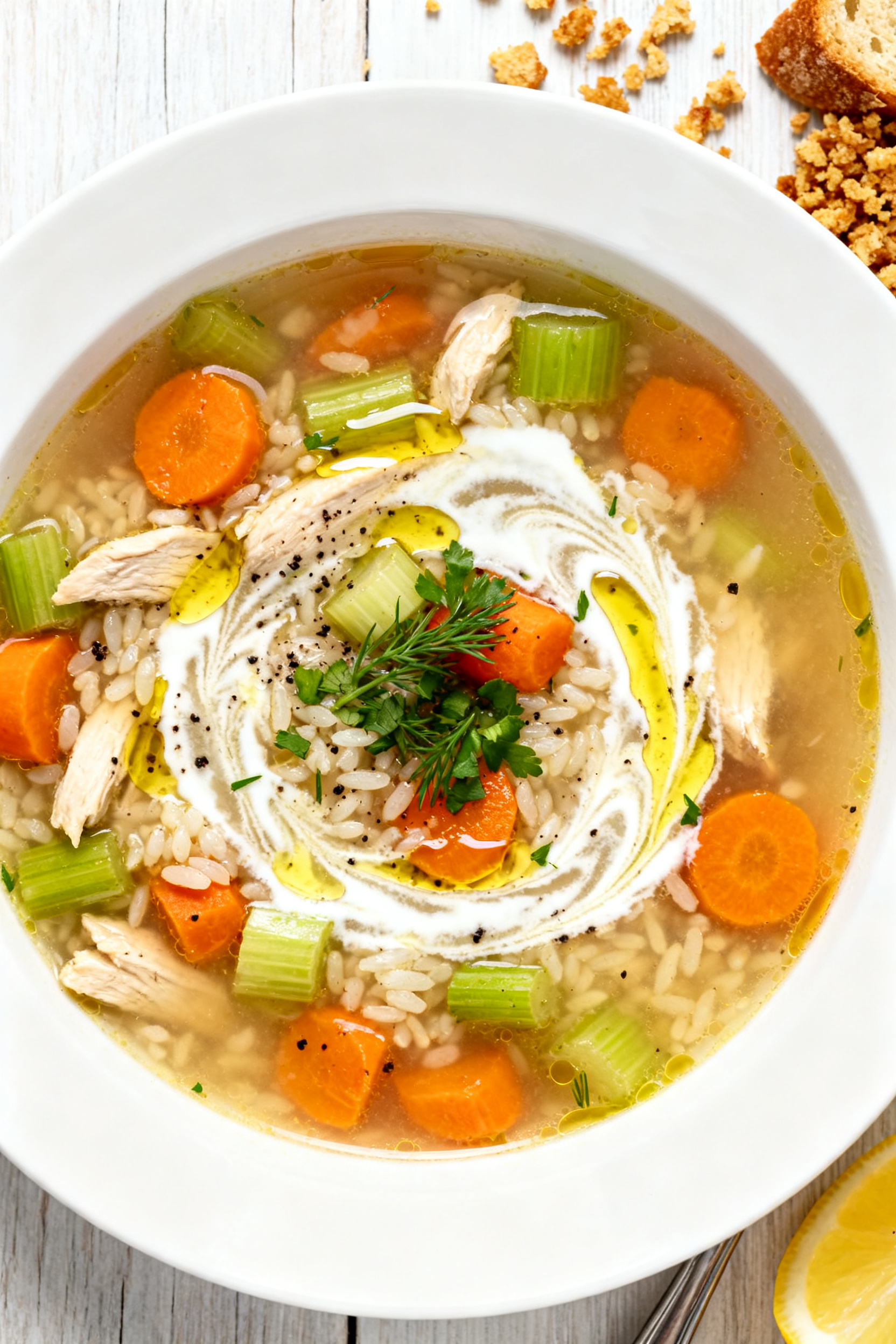
- Chicken and Rice Soup. Leftover chicken, rice, carrots, celery, broth, and a squeeze of lemon. Add dill or parsley.
- Curry-in-a-Hurry. Simmer leftover veg and protein in coconut milk with curry paste. Serve over rice.
- Pasta Primavera (Leftover Edition). Toss cooked pasta with sautéed vegetables, garlic, olive oil, and Parmesan.
Add a splash of pasta water to make it silky.
- Stuffed Quesadillas. Fold cheese and chopped leftovers into tortillas. Pan-fry until crisp. Serve with yogurt or salsa.
FAQ
How long do leftovers last in the fridge?
Most cooked leftovers are fine for 3–4 days when stored in airtight containers and kept below 40°F (4°C).
If you won’t eat them in that window, freeze them.
What should I never reuse?
Avoid reusing anything that smells sour, looks slimy, or sat out more than 2 hours at room temperature (1 hour if it’s hot outside). Also be careful with seafood; use it within 1–2 days.
What if my leftovers are bland?
Fix it with the flavor triangle: salt, acid, and fat. Try a pinch of salt, a squeeze of lemon or splash of vinegar, and a bit of olive oil or butter.
Fresh herbs and chili flakes help too.
Can I mix different cuisines?
Yes—just keep flavors compatible. Soy sauce and sesame oil pair well with rice and veg; cumin and chili powder fit beans and corn; oregano and lemon suit chicken and pasta. Trust your nose.
How do I reheat without drying food out?
Add moisture and go low and slow.
Use a splash of water or broth and cover on the stovetop, or reheat in the microwave with a damp paper towel over the dish.
What’s the best way to freeze leftovers?
Cool completely, pack in airtight containers or freezer bags, label and date, and freeze in meal-sized portions. Lay bags flat so they stack and thaw faster.
Can I meal prep with leftovers?
Absolutely. Rebuild them into new dishes—fried rice, soup, or bowls—then portion into containers.
Add fresh toppings right before eating for crunch and brightness.
How do I keep salads from getting soggy?
Store dressing separately. Keep wet items (tomatoes, cucumbers) in their own container and add right before serving. Use sturdy greens like kale if prepping ahead.
Is it safe to reheat rice?
Yes, if cooled quickly after cooking and stored properly.
Reheat until steaming hot throughout. Don’t leave cooked rice at room temperature for long periods.
What about kids or picky eaters?
Turn leftovers into familiar shapes: quesadillas, mini frittata muffins, or rice bowls with simple toppings. Let them choose a sauce or herb to add ownership.
Wrapping Up
Leftovers are not second-rate—they’re shortcuts to great meals.
With a few simple methods and a well-stocked pantry, you can turn scraps into dinners you actually want to eat. Start with what you have, season boldly, and finish with fresh touches. You’ll waste less, save money, and eat better without trying to reinvent the wheel every night.
That’s a win from fridge to table.
Printable Recipe Card
Want just the essential recipe details without scrolling through the article? Get our printable recipe card with just the ingredients and instructions.