
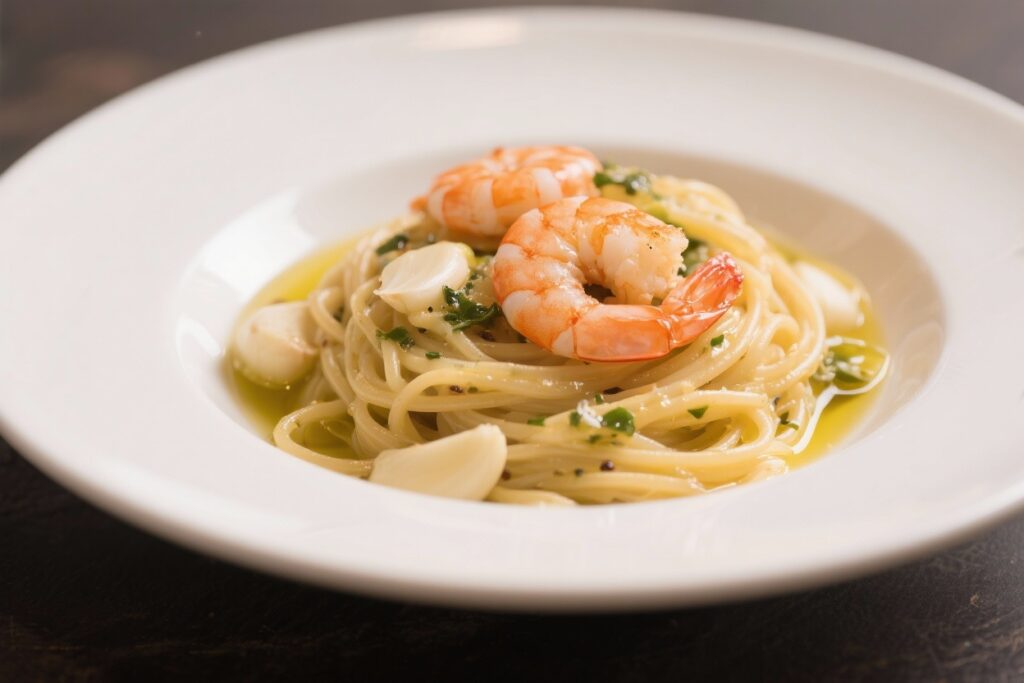
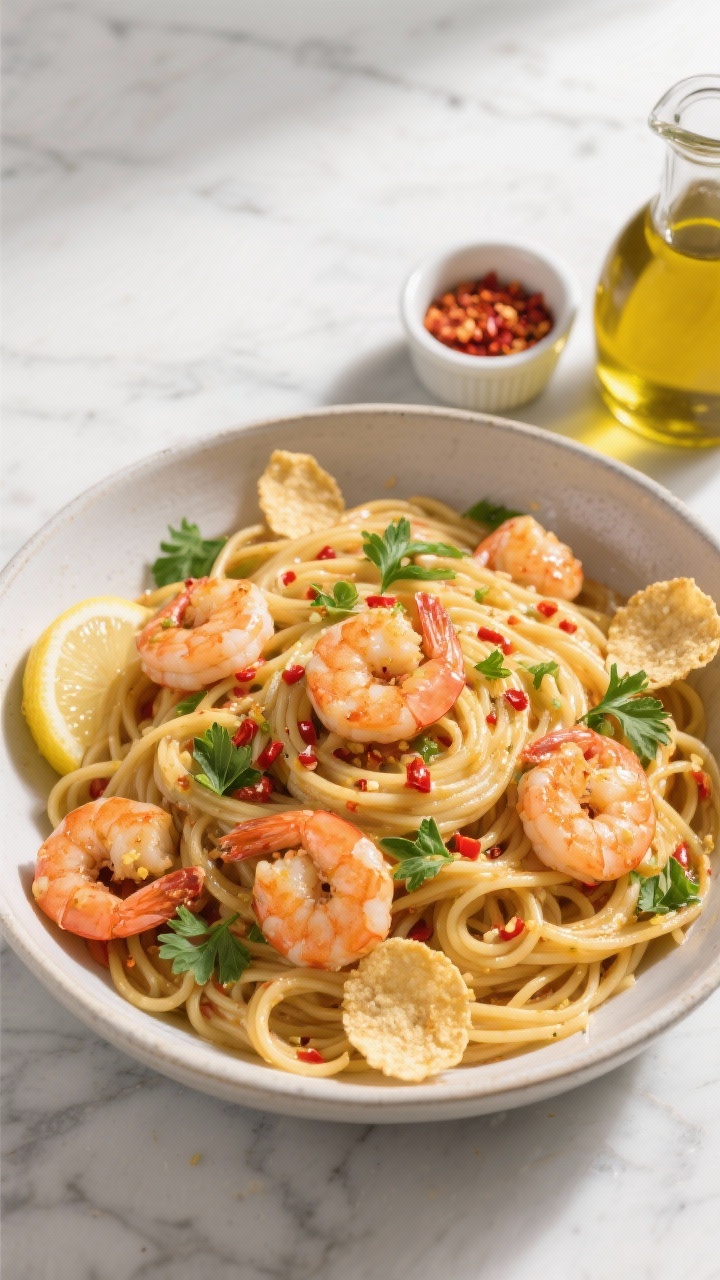
Want a restaurant-level plate you can whip up faster than your delivery app can ping “arriving soon”? This Italian Shrimp Pasta with Garlic and Olive Oil is the power move—simple ingredients, big flavor, zero drama. It’s the kind of meal that makes you feel like you’ve got your life together (even if you ate cereal for lunch).
Crisp garlic, juicy shrimp, and silky olive oil tossed with pasta—this dish prints compliments. Hungry yet?
Why This Recipe Works
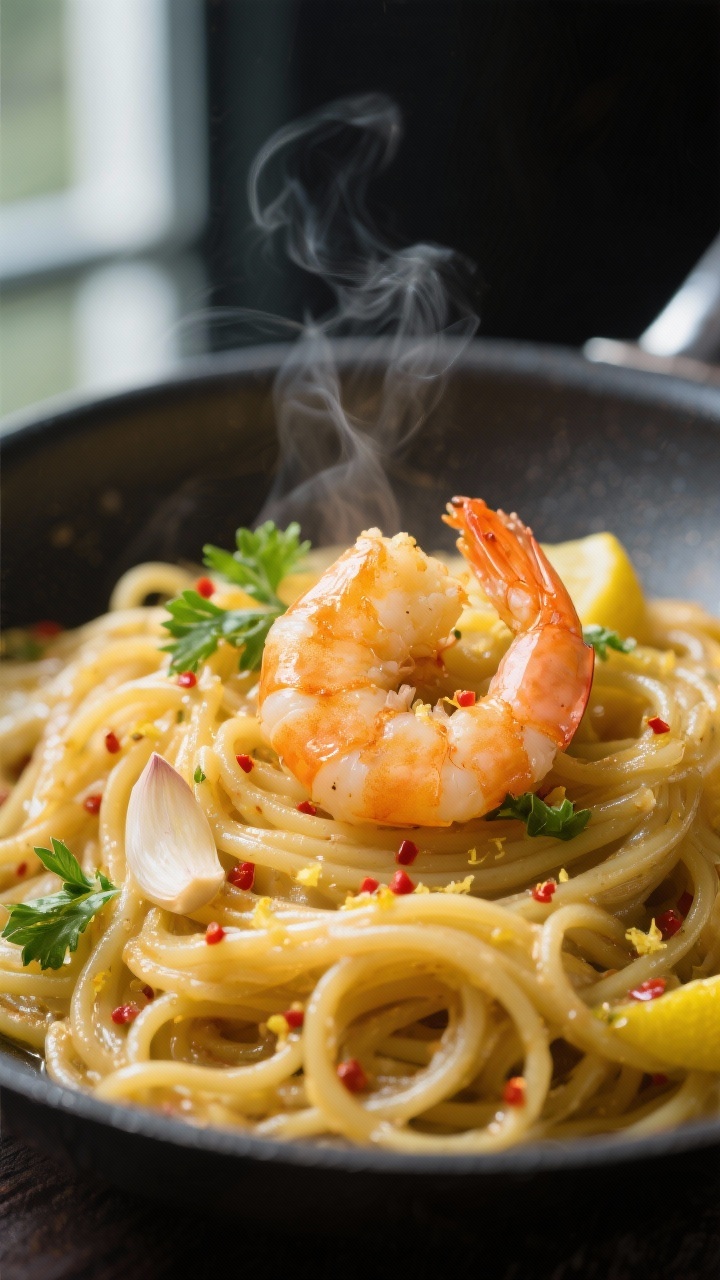
Classic Italian technique does the heavy lifting here: garlic and red pepper bloom in olive oil, releasing layers of flavor without clutter. The shrimp cook in minutes, staying tender and sweet—no rubbery seafood nonsense.
Tossing pasta with starchy cooking water builds a glossy emulsion that clings to every strand. Lemon and parsley add brightness, keeping the dish balanced and not oily. The result?
Minimal ingredients, maximum flavor, unbeatable speed.
What You’ll Need (Ingredients)
- 12 oz (340 g) spaghetti or linguine
- 1 lb (450 g) large shrimp, peeled and deveined (tails on or off)
- 1/3 cup extra-virgin olive oil
- 6–8 cloves garlic, thinly sliced
- 1/2–1 tsp red pepper flakes (adjust to heat preference)
- Zest of 1 lemon and 2 tbsp fresh lemon juice
- 1/2 cup reserved pasta cooking water (save more just in case)
- 1/2 cup fresh parsley, finely chopped
- Kosher salt and freshly ground black pepper, to taste
- Optional: 2 tbsp unsalted butter for extra silkiness
- Optional garnish: grated Pecorino Romano or Parmesan (non-traditional but delicious)
How to Make It – Instructions
- Salt the water like the sea. Bring a large pot of water to a rolling boil, salt generously, and cook pasta until just shy of al dente. Reserve at least 1 cup of pasta water before draining.
- Prep the shrimp like a pro. Pat shrimp dry, season with salt and pepper. Dry shrimp sear better—water is the enemy of browning.
- Warm the oil, don’t scorch it. In a large skillet, heat olive oil over medium.
Add sliced garlic and red pepper flakes. Cook 60–90 seconds until fragrant and just turning golden at the edges—no burnt bits.
- Sear the shrimp fast. Add shrimp in a single layer. Cook 1–2 minutes per side until just pink and opaque.
Remove to a plate to avoid overcooking.
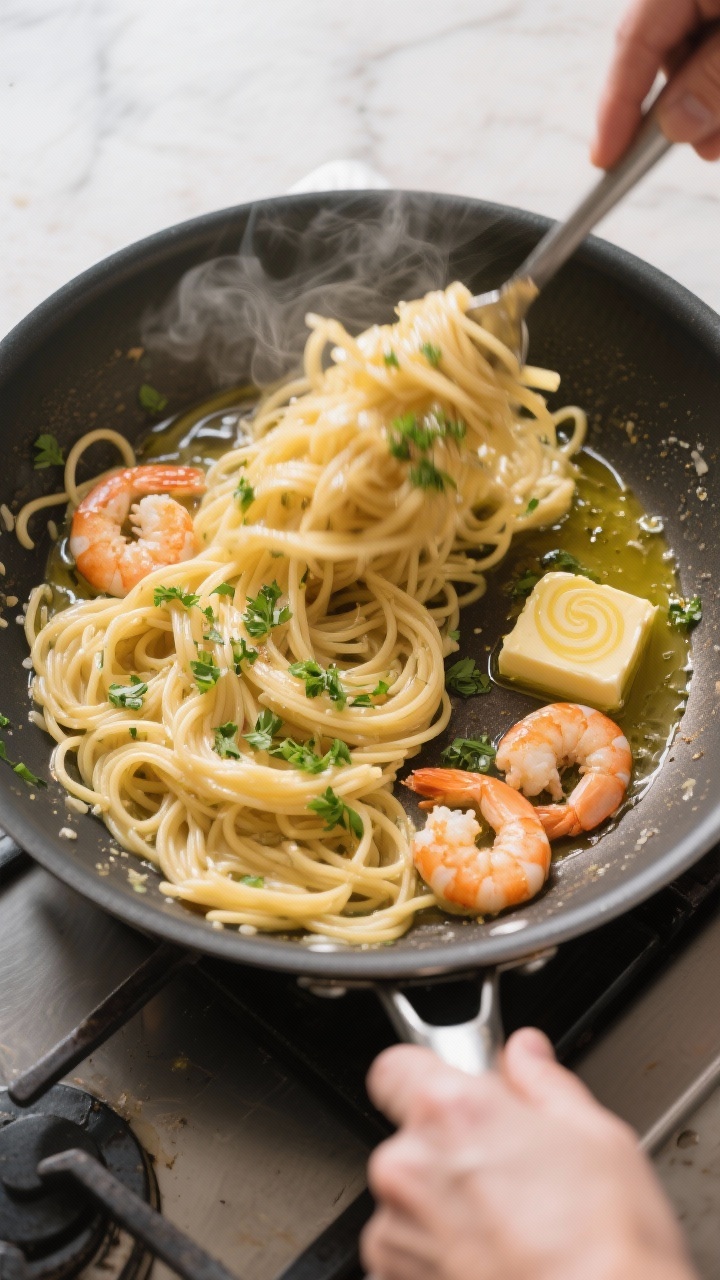
- Build the sauce emulsion. Add 1/2 cup reserved pasta water and lemon juice to the skillet. Simmer 30 seconds. Add the drained pasta and toss vigorously over medium heat to emulsify the oil and water.
If using butter, swirl it in now for extra gloss.
- Bring it together. Return shrimp to the pan with lemon zest and most of the parsley. Toss until the pasta is al dente and coated. Add more pasta water as needed for a silky sauce.
- Season and serve. Taste and adjust salt, pepper, and heat.
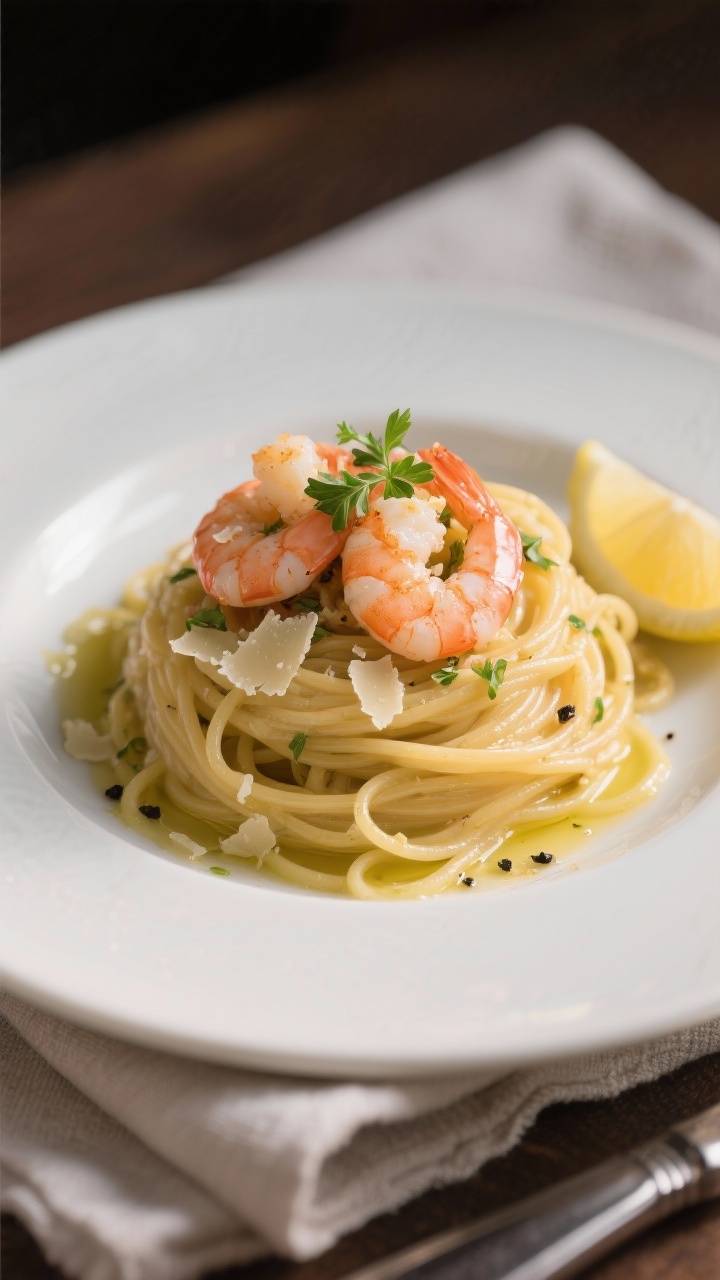
Finish with remaining parsley and, if you like, a sprinkle of cheese (yes, it’s controversial with seafood, but you do you). Serve immediately.
Storage Instructions
- Refrigeration: Store leftovers in an airtight container for up to 2 days. The shrimp is best within 24 hours.
- Reheating: Warm gently in a skillet over low heat with a splash of water or olive oil.
Avoid microwaving on high—shrimp will go rubbery faster than you can say “oops.”
- Freezing: Not recommended. Cooked shrimp and emulsion-based sauces don’t freeze well and can get mealy or broken.
Health Benefits
- Lean protein: Shrimp packs high-quality protein with minimal calories, supporting muscle and satiety.
- Heart-healthy fats: Extra-virgin olive oil provides monounsaturated fats and polyphenols—great for cardiovascular health.
- Micronutrients: Shrimp offers selenium, B12, iodine, and zinc. Parsley brings vitamin K and C; garlic has antioxidants and potential anti-inflammatory benefits.
- Balanced carbs: Pasta fuels sustained energy; opt for whole-grain or high-protein pasta if you want more fiber or macros dialed in, FYI.
What Not to Do
- Don’t burn the garlic. Bitter garlic will hijack the entire dish.
Light golden is your ceiling.
- Don’t overcook the shrimp. They turn tough quickly. Pull them the second they go opaque and pink.
- Don’t skip the pasta water. That starchy magic is non-negotiable for a glossy, restaurant-style finish.
- Don’t drown it in oil. More oil won’t fix blandness—season properly and use lemon, heat, and herbs to balance.
- Don’t add cheese by default. Traditionalists skip it with seafood; if you use it, keep it light so it doesn’t mask the shrimp.
Mix It Up
- Add vegetables: Throw in sautéed cherry tomatoes, asparagus tips, or baby spinach in step 5 for color and vitamins.
- Upgrade the aromatics: Stir in a splash of dry white wine after the garlic for depth, reducing before adding pasta water.
- Heat variations: Use Calabrian chili paste instead of flakes for fruity heat, or a pinch of smoked paprika for a different vibe.
- Citrus twist: Swap lemon for Meyer lemon or add a kiss of orange zest for a sweeter perfume.
- Protein swap: Try scallops or a mix of seafood. Cook each protein separately to avoid overcooking—common rookie mistake.
- Breadcrumb crunch: Toast fresh breadcrumbs in olive oil with salt and lemon zest; sprinkle on top for texture.
IMO, elite move.
- Herb swap: Basil or chives change the profile; parsley keeps it classic and bright.
FAQ
Can I use frozen shrimp?
Absolutely. Thaw in the fridge overnight or under cold running water for 10–15 minutes. Pat very dry before cooking to get a clean sear and avoid watery sauce.
What kind of pasta works best?
Long shapes like spaghetti, linguine, or bucatini shine here because the light sauce coats strands evenly.
Short shapes work too, but you’ll get a different bite and less twirl factor.
Is this dish spicy?
Only if you want it to be. Start with 1/2 tsp red pepper flakes and adjust. Remember, heat blooms in oil—add more at the end for a fresher kick.
Can I make it dairy-free?
Yes—just skip the butter and cheese.
The olive oil and pasta water emulsion provides plenty of richness without dairy.
How do I prevent the sauce from being greasy?
Emulsify properly: toss pasta vigorously with olive oil and starchy water over heat until glossy. If it looks oily, add a splash more hot pasta water and keep tossing to bring it together.
What if I don’t have fresh parsley?
Use basil or chives. Dried parsley won’t deliver the same freshness—better to omit than downgrade.
Can I meal prep this?
It’s best fresh, but you can cook the shrimp and prep the aromatics in advance.
Boil pasta and bring it all together in minutes when you’re ready to eat—problem solved.
Final Thoughts
This Italian Shrimp Pasta with Garlic and Olive Oil is proof that “simple” doesn’t mean “boring.” When you respect technique—golden garlic, just-cooked shrimp, and a silky emulsion—you get a dish that feels luxurious on a Tuesday. Keep the pantry staples stocked, add shrimp to your weekly rotation, and you’ve always got a winning dinner in your back pocket. Fast, bright, and wildly satisfying.
What more are you waiting for—the shrimp to cook themselves?
Printable Recipe Card
Want just the essential recipe details without scrolling through the article? Get our printable recipe card with just the ingredients and instructions.