

Imagine a cookie that smells like a holiday candle, tastes like a weekend in Tuscany, and still plays nice with your gut. That’s these Gluten-Free Rosemary Orange Cookies—crisp edges, soft middles, citrusy perfume, and a whisper of savory that makes you feel like a pro. No weird aftertaste, no crumbly disasters, no “gluten-free compromise.” Just bold flavor and ridiculously simple steps.
Bake a batch, and people will ask, “What bakery?” You’ll shrug and say, “My kitchen.”
Why This Recipe Works
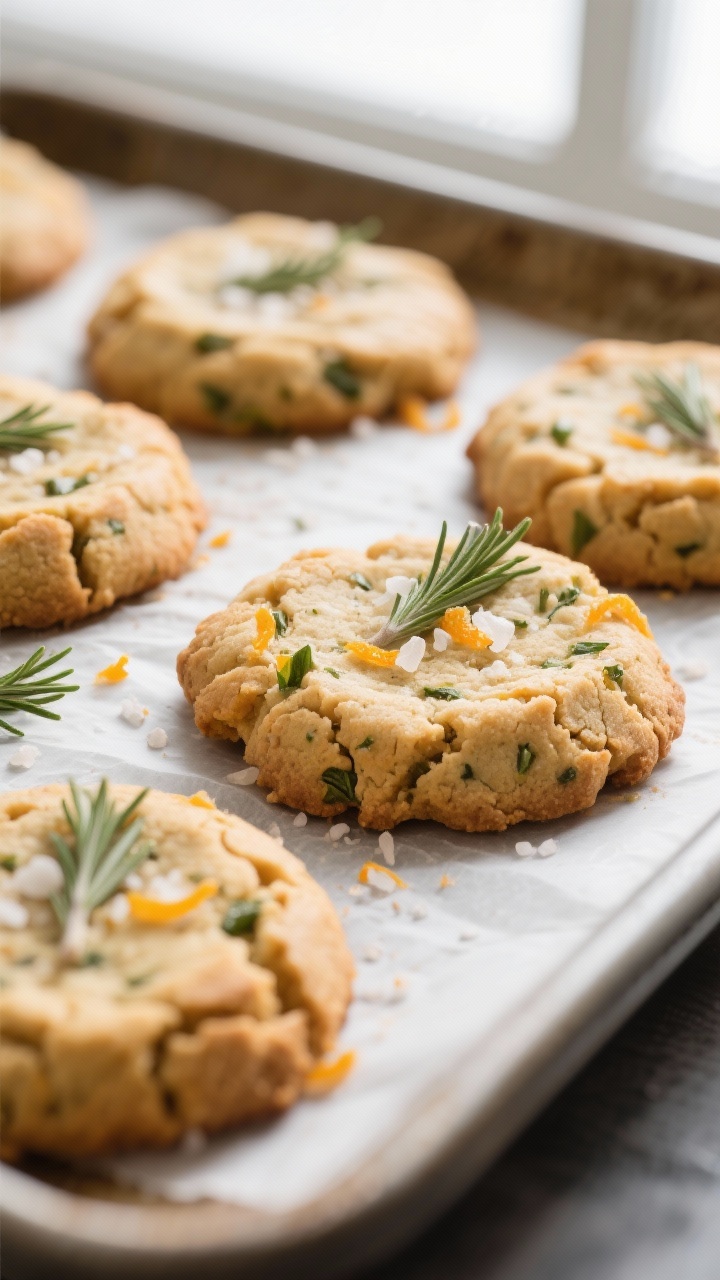
Rosemary + orange is a power couple. The resinous freshness of rosemary balances the bright, sweet citrus, so every bite tastes layered and intentional—not sugary and flat.
Gluten-free flour blend + almond flour = perfect texture. The blend provides structure while almond flour brings tenderness and a subtle nuttiness. No sandiness, no cardboard.
Chilled dough equals clean edges. A short chill keeps the butter from spreading too fast, which means bakery-level shape and texture.
Brown sugar meets granulated sugar. The combo boosts chew and depth, while orange zest wakes everything up. Bonus: a pinch of sea salt at the end makes the flavors pop.
Science, but tasty.
What You’ll Need (Ingredients)
- 1 1/4 cups gluten-free all-purpose flour (with xanthan gum; if not included, add 1/4 tsp xanthan gum)
- 1/2 cup fine almond flour
- 1/2 tsp baking powder (gluten-free)
- 1/4 tsp baking soda
- 1/2 tsp fine sea salt
- 1 tbsp finely chopped fresh rosemary (stripped from stems)
- 2 tsp orange zest (from 1 large orange)
- 1/2 cup (1 stick) unsalted butter, softened
- 1/2 cup granulated sugar
- 1/3 cup light brown sugar, packed
- 1 large egg, room temperature
- 1 tsp pure vanilla extract
- 2 tbsp fresh orange juice
- Optional finishing: flaky sea salt, extra orange zest, or a simple glaze (see Variations)
Step-by-Step Instructions
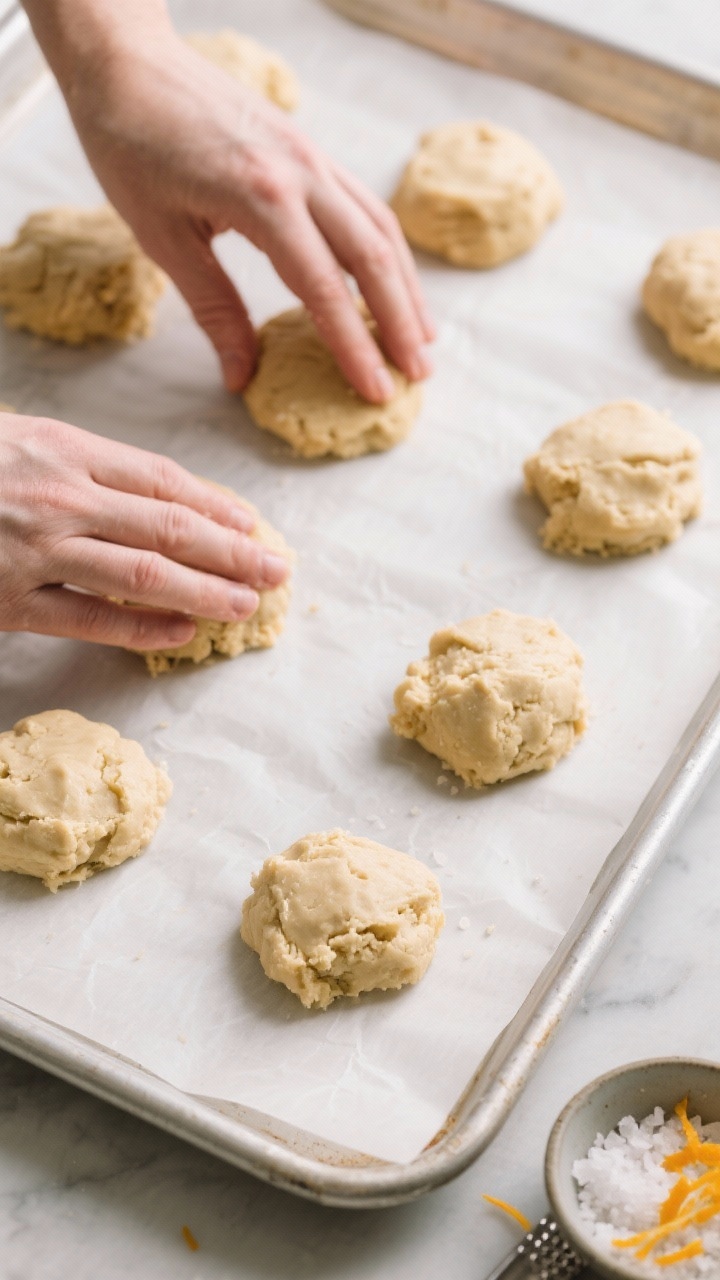
- Preheat and prep. Heat oven to 350°F (175°C). Line two baking sheets with parchment. This prevents sticking and encourages even browning.
- Whisk dry ingredients. In a bowl, combine gluten-free flour, almond flour, baking powder, baking soda, and salt.
Whisk in chopped rosemary and orange zest to distribute flavor evenly.
- Cream the butter and sugars. In a separate bowl, beat softened butter with granulated and brown sugars for 2 minutes until light and fluffy. Air = tenderness.
- Add wet ingredients. Beat in egg, vanilla, and orange juice until smooth. Scrape the bowl so nothing hides.
- Combine. Add dry mixture to the wet mixture and mix on low just until no dry streaks remain.
The dough should be soft but scoopable.
- Chill briefly. Pop the bowl in the fridge for 15 minutes. This quick chill firms the fat and keeps your cookies from turning into pancakes.
- Scoop. Use a 1.5-tablespoon scoop to portion dough onto trays, spacing 2 inches apart. If you like, gently press tops for a slightly flatter cookie.
- Bake. Bake 10–12 minutes, rotating pans halfway.
Edges should be lightly golden; centers will look set but soft. Don’t overbake—chewy > chalky.
- Finish. While warm, lightly sprinkle flaky sea salt or a touch of extra orange zest. Cool 5 minutes on the tray, then transfer to a rack.
- Serve. Eat warm or fully cooled.
Either way, you’ll get citrusy, herby magic.
Preservation Guide
- Room temp: Store in an airtight container for 3–4 days with a small piece of bread or apple slice to maintain softness (replace every 24 hours).
- Freezing baked cookies: Freeze in a single layer, then transfer to a zip-top bag for up to 2 months. Thaw at room temp; warm 3–4 minutes at 300°F if you want that fresh-baked vibe.
- Freezing dough balls: Scoop, freeze on a tray, then bag for up to 3 months. Bake from frozen at 350°F, adding 1–2 minutes to the time.
- Glaze note: If glazing, store in a single layer to avoid sticking, or let the glaze fully set before stacking with parchment between layers.
Health Benefits
- Gluten-free friendly. Designed for gluten sensitivity and Celiac-safe when using verified GF ingredients.
No cross-contact shortcuts—clean tools, please.
- Rosemary perks. Rosemary contains antioxidants like rosmarinic acid, which may support cognitive function and reduce oxidative stress. It’s flavor with benefits.
- Citrus boost. Orange zest and juice provide vitamin C and flavonoids—small amounts, sure, but they add up.
- Better fats. Almond flour brings vitamin E and monounsaturated fats, contributing to a more satisfying, less blood sugar-spiky treat (still a cookie, not a salad, FYI).
Don’t Make These Errors
- Skipping the chill. Warm dough spreads like a gossip account—too fast and too far. Chill for shape and chew.
- Over-zesting. Pith (the white part) is bitter.
Zest lightly to keep the flavor bright, not harsh.
- Using old baking powder/soda. Flat leaveners = flat cookies. Replace every 6 months.
- Overbaking. Gluten-free cookies firm up as they cool. Pull them when edges are golden and centers are just set.
- Heavy hand with rosemary. More is not more.
Too much and you’re chewing a pine tree. Measure it.
- Ignoring xanthan gum. If your GF blend doesn’t include it, add it. It provides structure you won’t get otherwise.
Variations You Can Try
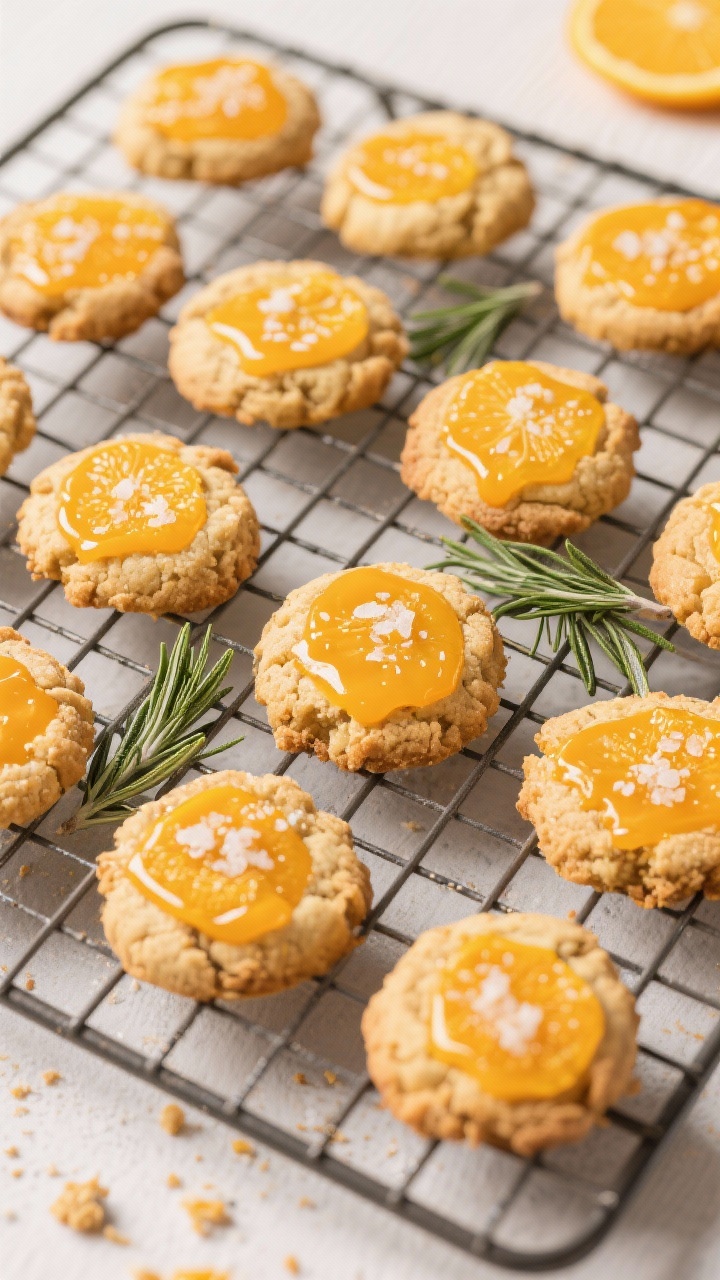
- Glazed bakery finish: Whisk 3/4 cup powdered sugar with 1–2 tbsp orange juice and a pinch of zest.
Drizzle over cooled cookies.
- Chocolate-dipped: Dip half the cookie in melted dark chocolate (72%) and sprinkle with micro-chopped rosemary. Citrus + dark chocolate = elite combo.
- Lemon swap: Replace orange zest/juice with lemon for a sharper citrus pop. Keep rosemary the same.
- Dairy-free: Use vegan butter sticks and verify your chocolate/glaze if using.
Texture stays spot-on.
- Nut-free: Replace almond flour with more GF all-purpose and add 1 tbsp cornstarch. Slightly crisper, still great.
- Earl Grey infusion: Add 1 tsp finely ground Earl Grey tea to the dry mix for a subtle bergamot twist. Fancy without trying too hard.
FAQ
Can I use dried rosemary instead of fresh?
Yes, but use less.
Dried rosemary is more potent and can be pokey. Use 1 teaspoon, crush it between your fingers, and consider sifting out tough bits.
My cookies spread too much—what happened?
Likely warm dough, a hot kitchen, or too little flour. Chill the dough longer, use cold trays, and ensure you measured flours accurately (spoon and level, not scoop-and-pack).
Do I need xanthan gum?
If your gluten-free blend already includes it, you’re good.
If not, add 1/4 teaspoon for structure or the cookies will be crumbly and sad. IMO, it’s worth it.
Can I make them vegan?
Yes. Use vegan butter sticks and a flax egg (1 tbsp ground flax + 3 tbsp water, rested 5 minutes).
Bake time may run 1 minute longer; look for golden edges.
How do I zest without bitterness?
Use a microplane and rotate the orange as you zest, removing only the colorful outer layer. Stop as soon as you hit white pith—that’s the bitter zone.
What’s the best sugar swap?
Coconut sugar works, but cookies will be darker and slightly drier. Add 1 extra teaspoon orange juice to compensate and watch bake time closely.
Can I make the dough ahead?
Yes.
Refrigerate up to 48 hours or freeze scooped dough up to 3 months. For chilled dough, let it sit 10 minutes at room temp before scooping if it’s rock-hard.
How do I get crispier edges?
Flatten the dough balls slightly and bake on the upper-middle rack for an extra minute. A light sprinkle of sugar on top also helps with caramelization.
Is this safe for Celiac?
It can be.
Use certified gluten-free ingredients, check your baking powder and vanilla, and avoid cross-contact with shared utensils or surfaces. Clean as if it matters—because it does.
Can I add nuts or seeds?
Absolutely. Chopped pistachios or sliced almonds are great.
Keep the add-ins to 1/3 cup so you don’t mess with the structure.
My Take
These cookies punch above their weight. The rosemary gives them chef vibes, the orange keeps them bright, and the texture is the rare gluten-free win: crisp-chewy, not crumbly. They’re low-effort, high-reward—peak weeknight bake energy.
If you’re bored of chocolate chips and want a grown-up cookie that still feels fun, this is it.
Bake them once, and they’ll become your “I bring this to everything” recipe. And yes, they taste even better with coffee—science probably agrees.
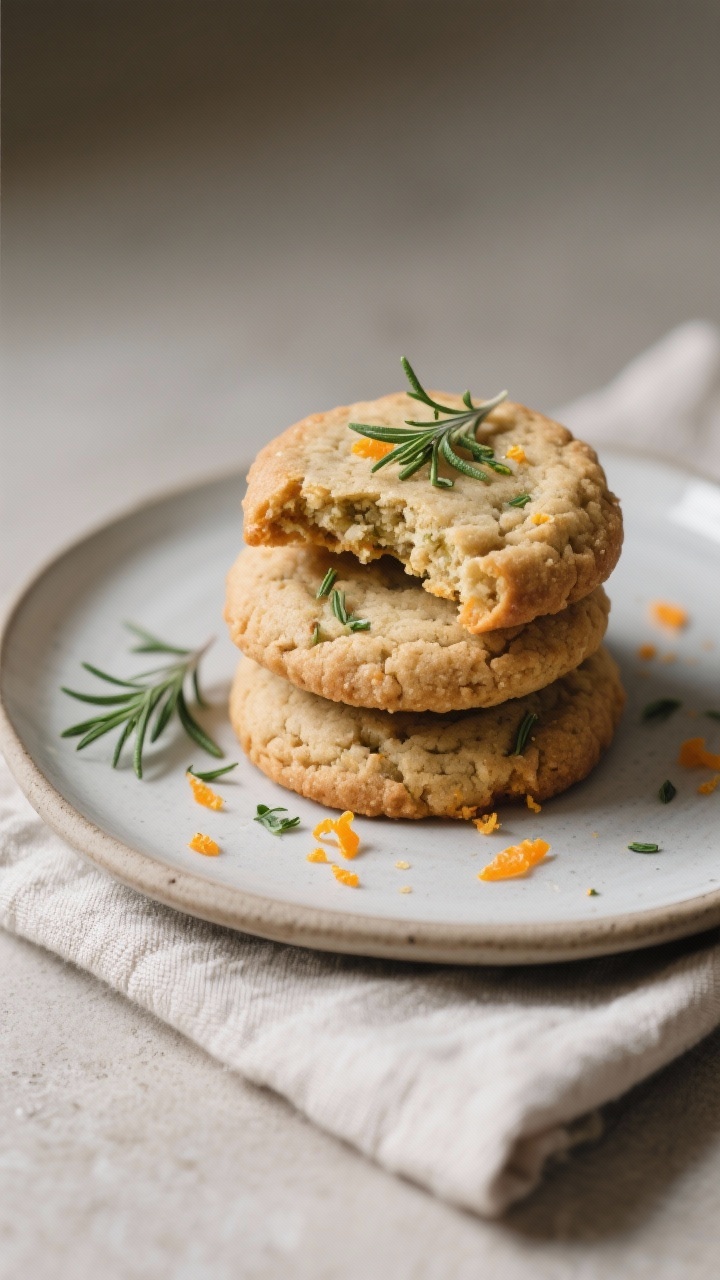
Printable Recipe Card
Want just the essential recipe details without scrolling through the article? Get our printable recipe card with just the ingredients and instructions.