
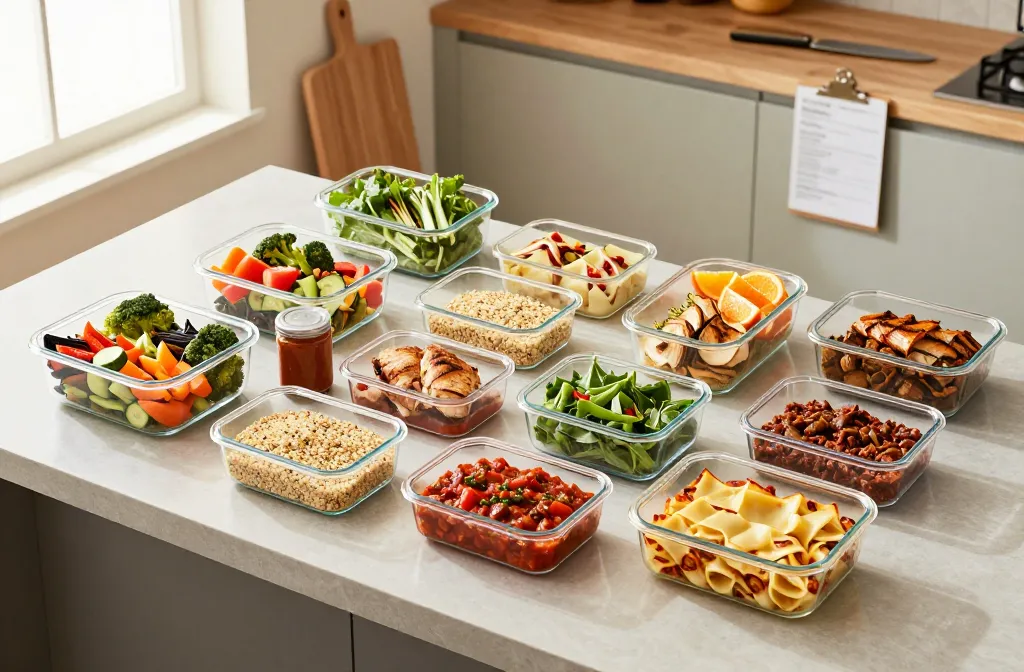
You want dinner to feel easy, not like a timed exam. Meal prep and make-ahead meals help you dodge the 6 p.m. “what’s for dinner” panic and eat better without turning your kitchen into a second job. We’ll cover smart prep moves, what freezes like a champ, and how to keep things fresh so you don’t dread opening your fridge. Ready to cook once and chill a lot?
Why Meal Prep Saves Your Sanity

Meal prep buys you time, energy, and money. You plan once, shop smarter, and cook less throughout the week. That means fewer impulse takeout orders and way fewer sad desk lunches. Plus, you’ll actually use those veggies you bought with good intentions.
Key benefits:
- Consistency: You eat balanced meals without overthinking.
- Portion control: Containers do the portion math for you.
- Less stress: Decision fatigue plummets when dinner’s already half-done.
- Budget wins: Bulk buys and planned leftovers beat last-minute splurges.
Plan Once, Eat All Week
Meal prep doesn’t mean Marathon Sunday. Pick a style and keep it simple. IMO, three strategies cover 99% of real-life needs.
1) Batch Cooking
Cook big pans of mains that reheat well. Think chili, shredded chicken, roasted veg, or baked ziti. Portion and freeze half right away so Thursday-you doesn’t curse Sunday-you.
2) Mix-and-Match Components
Prep building blocks you can remix all week:
- Proteins: Roast chicken thighs, baked tofu, lentils, or turkey meatballs.
- Carbs: Rice, quinoa, roasted potatoes, or whole-wheat pasta.
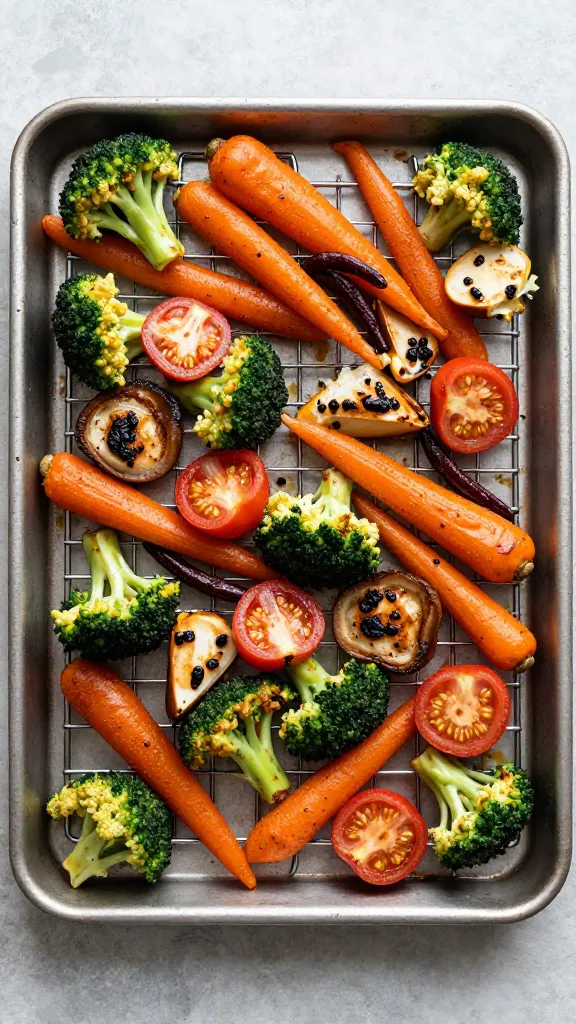
- Veg: Sheet-pan broccoli, peppers, zucchini, or a crunchy slaw.
- Sauces: Tahini-lemon, chimichurri, peanut sauce, or salsa verde.
Now you can throw together bowls, wraps, salads, and stir-fries without thinking too hard.
3) Make-Ahead, Ready-to-Bake
Assemble now, bake later. Lasagna, enchiladas, stuffed peppers, breakfast casseroles—your future self will clap for you.
Foods That Actually Reheat Well

Some recipes glow up on day two. Others… not so much. FYI: texture matters more than anything.
Best bets:
- Hearty stews and chilis: Flavor deepens after a night in the fridge.
- Roasted veg: Keep a bite to them; don’t roast to mush.
- Grain salads: Farro, quinoa, and bulgur stay perky with vinaigrette.
- Meatballs and shredded meats: They reheat tender, not rubbery.
- Curries: Saucy dishes hold moisture and spice beautifully.
Proceed with caution:
- Seafood: Cook same-day or barely undercook for gentler reheating.
- Leafy salads: Dress right before eating to avoid wilt city.
- Creamy pasta: Reserve some pasta water or extra sauce for reheating.
Five Make-Ahead Power Meals

These aren’t fussy, and they scale easily. Double them if you’ve got fridge space.
1) Sheet-Pan Harissa Chicken + Veg
Toss chicken thighs, chickpeas, red onion, and cauliflower with harissa, olive oil, and salt. Roast until caramelized. Serve over couscous with lemon yogurt. It reheats like a dream and tastes bold without extra effort.
2) Sweet Potato Black Bean Enchiladas
Mash roasted sweet potato with black beans, cumin, and lime. Roll in tortillas, top with enchilada sauce and cheese, and bake. Freeze before baking if you want to stash a pan for later. Add avocado and cilantro when serving for fresh vibes.
3) Greek-ish Grain Bowls
Cook quinoa or farro. Add cucumbers, cherry tomatoes, olives, feta, roasted peppers, and lemony chicken or chickpeas. Pack dressing separately. Grab, toss, done.
4) Coconut Lentil Curry
Simmer red lentils with coconut milk, curry paste, ginger, and spinach. Portion with rice and lime wedges. It thickens overnight in the best way—just splash in water when reheating.
5) Breakfast Egg Bake
Whisk eggs with cottage cheese, sautéed peppers, spinach, and turkey sausage. Bake in a casserole dish. Slice into squares for quick breakfasts. Pair with hot sauce and fruit. IMO, this beats sad granola every time.
Smart Freezer Moves

Your freezer is not a graveyard for mystery containers. Label things and treat it like a curated vault of future dinners.
Freeze these like a pro:
- Cooked proteins: Shredded chicken, meatballs, pulled pork.
- Sauces: Pesto, marinara, curry base—freeze in ice cube trays.
- Casseroles: Wrap tightly. Bake from frozen with extra time.
- Broth and soup: Leave headspace for expansion.
Packaging tips:
- Cool food completely before freezing to prevent ice crystals.
- Use freezer bags flat for space-saving “file folders.”
- Label with what + date + reheat notes. Future you will thank you.
What Not to Freeze
High-water produce like cucumbers, lettuce, and raw zucchini turn mushy. Dairy-heavy sauces can split; freeze the base and stir in cream after reheating. Fried foods go soggy unless you air-fry them back to life.
Keep It Fresh Without Getting Bored
You can eat the same base but switch the vibe with sauces and toppings. It’s like outfit changes for your leftovers.
Remix ideas:
- Taco night three ways: Shredded chicken becomes tacos, burrito bowls, and quesadillas.
- Mediterranean to Middle Eastern: Swap tzatziki and olives for tahini and pickled onions.
- Crunch factor: Add toasted nuts, seeds, or croutons right before eating.
- Acid pop: A squeeze of lemon or splash of vinegar wakes up day-three meals.
Snack Prep That Actually Helps
Cut fruit and veg, portion hummus, cook a pot of hard-boiled eggs, and pre-bag trail mix. Keep a “snack bin” at eye level in your fridge. You’ll reach for it when you’re hangry and vulnerable.
Time-Saving Kitchen Systems
You don’t need fancy gear, just a few reliable tools and a repeatable flow.
Gear that earns its keep:
- Half sheet pans: Roast big batches fast.
- Instant Pot or slow cooker: Set-and-forget meats and beans.
- Sharp knife + big cutting board: Prep won’t feel like punishment.
- Glass containers: See what you have; reheat safely.
Weekly flow (60–120 minutes total):
- Pick 2 mains, 1 breakfast, 1 snack, 2 sauces.
- Shop with a tight list—bulk where it counts.
- Start with what takes longest (grains and proteins), then roast veg, then sauces.
- Cool, portion, label. Stack neatly so you can find things without a treasure map.
Food Safety, But Make It Chill
Rules to actually follow:
- Cool cooked food and refrigerate within 2 hours.
- Store 3–4 days in the fridge; freeze if you won’t eat it.
- Reheat to steaming hot. Stir halfway for even heat.
- Keep dressings and wet toppings on the side to avoid sogginess.
Sample 4-Day Prep Menu
Sometimes you just want a blueprint. Here’s a no-drama plan you can copy-paste.
Cook on Sunday:
- Protein: Harissa chicken thighs; baked tofu with soy-ginger.
- Carbs: Pot of quinoa; roasted potatoes.
- Veg: Sheet-pan broccoli and peppers; crunchy slaw (undressed).
- Sauces: Lemon-tahini; chimichurri.
Assemble:
- Mon: Quinoa bowl with chicken, broccoli, tahini, herbs.
- Tue: Tofu tacos with slaw, avocado, chimichurri.
- Wed: Chicken + potatoes with side salad and tahini drizzle.
- Thu: Stir-fry leftovers with soy-ginger glaze over quinoa.
If you’ve got extra, freeze the chicken and save it for a rainy day (or a lazy one).
FAQ
How long can I store prepped meals in the fridge?
Most cooked dishes keep 3–4 days. If you won’t eat it by day three, freeze it. Salads with hearty bases (kale, cabbage, grains) last longer than delicate greens.
What are the best containers for meal prep?
Go with glass containers in a few sizes and some small lidded jars for sauces. They reheat well, stack neatly, and don’t hold smells. If you use plastic, choose BPA-free and avoid microwaving lids.
How do I stop getting bored?
Prep neutral bases and rotate bold sauces and toppings. Switch cuisines midweek—chimichurri one day, peanut sauce the next. Tiny tweaks (fresh herbs, pickles, lemon) make repeats feel new.
Can I meal prep if I hate leftovers?
Yes—prep components, not full meals. Cook proteins and grains, wash and chop veg, and make sauces. Assemble fresh combinations each day so it never feels like reheated déjà vu.
What’s an easy starter plan for beginners?
Pick one breakfast (egg bake or overnight oats), one big-batch dinner (chili), and a snack (veggies + hummus). Shop once, cook on Sunday, and keep it to 60–90 minutes. Build from there when it feels easy.
How do I reheat without drying food out?
Add a splash of water or broth to grains and proteins, cover loosely, and reheat gently. For crispy foods, use an oven or air fryer at 350–400°F for a few minutes to revive texture.
Conclusion
Meal prep isn’t about perfection; it’s about removing friction. You plan a little, cook a little, and glide through the week like someone who totally has it together (even if you don’t). Start small, keep flavor big, and let future-you reap the rewards—no gold star required.