
Leftovers don’t need a redemption arc—they’re already heroes. They save money, time, and your sanity on those “what’s for dinner” nights. With a tiny bit of planning (and a smidge of creativity), you can eat well all week without cooking from scratch. Ready to turn last night’s roast into tonight’s victory lap?
Why Plan Around Leftovers?
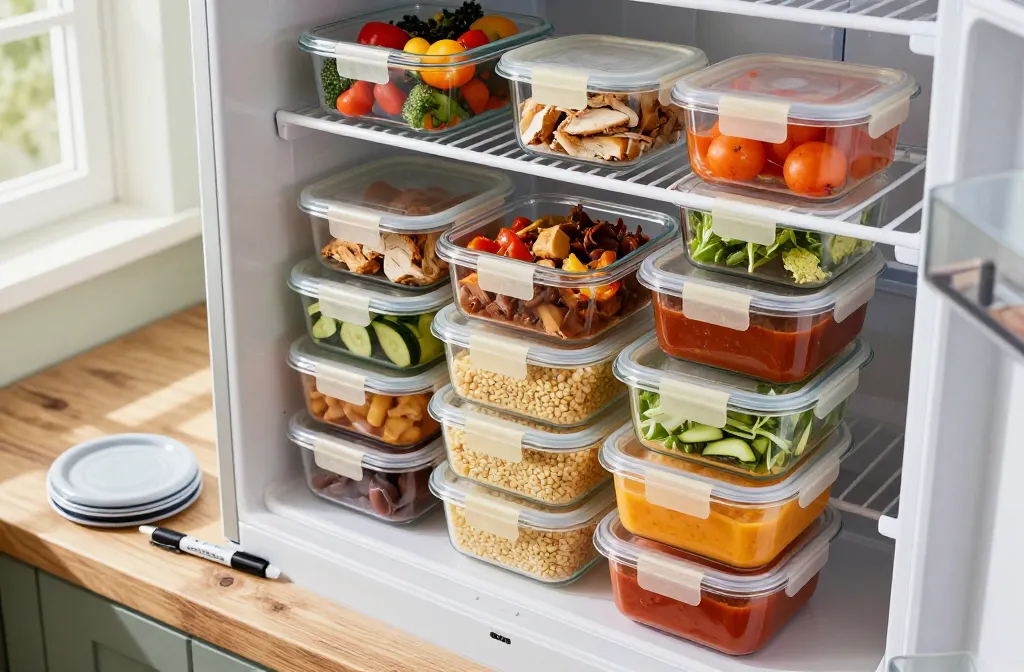
You already paid for that food. You already cooked it. So let’s squeeze every delicious drop out of it. A leftover-based plan slashes food waste, shortens your weeknight cooking time, and keeps your fridge from turning into a science project.
Bonus: Leftovers often taste better the next day. Stews deepen, sauces marry, and roasted veggies go all caramelized and smug. You can ride that flavor wave all week.
The Leftover-Friendly Fridge Setup
Think of your fridge like a tiny restaurant kitchen. You organize smart, you label stuff, and you avoid The Mystery Container.
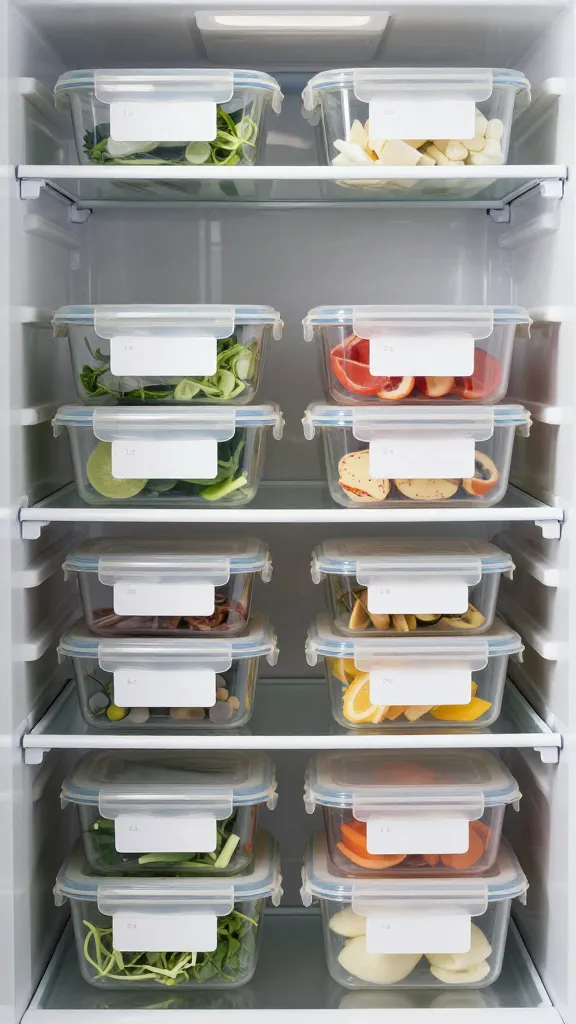
- Use clear containers: If you can see it, you’ll eat it.
- Label with date + contents: Masking tape + sharpie = your new BFF.
- Store components separately: Keep sauces, proteins, grains, and veggies apart so you can remix fast.
- FIFO rule: First In, First Out. Old stuff gets priority, IMO that’s common sense and still easy to forget.
Safety FYI
Cool leftovers fast: Get food into shallow containers within two hours.
Reheat to steaming hot: Aim for 165°F/74°C.
General window: Eat most leftovers within 3–4 days. Freeze anything you won’t get to in time.
Your Easy 7-Day Plan (Built on One Weekend Cook-Up)
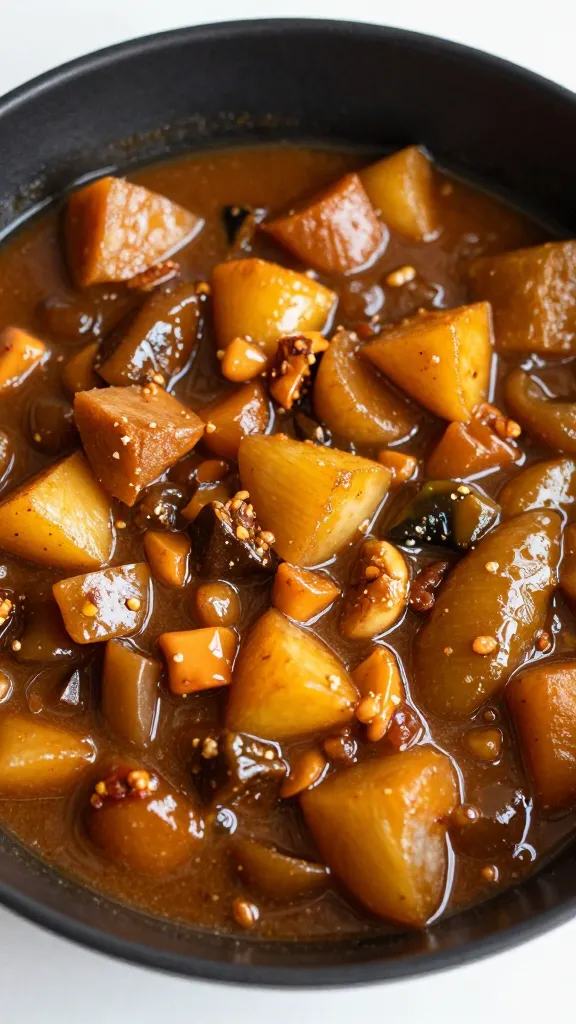
Cook once on the weekend, then rebuild and remix like a culinary DJ all week. Here’s a simple template that works with chicken, tofu, or beans—your call.
Weekend Prep (90 minutes, tops)
Make these bases:
- Protein: Roast 2–3 pounds chicken thighs (or baked tofu/tempeh, or a pot of beans).
- Grains: 6–8 cups cooked rice, quinoa, or couscous.
- Roasted veg: Two trays—think broccoli, sweet potatoes, peppers, carrots, onions.
- Sauce trio:
- Lemon-garlic yogurt or tahini (creamy)
- Simple vinaigrette (zippy)
- Quick chili-lime or gochujang-honey (spicy-sweet)
Why sauces? They change the vibe instantly. Same ingredients, new personality. It’s fashion, but for dinner.
Monday: Bowl Night
Build a grain bowl: rice + roasted veg + protein + creamy sauce + crunchy topping (nuts, seeds, scallions).
Tip: Warm the grains and protein, leave the sauce cold. That hot-cold contrast? Chef’s kiss.
Tuesday: Wrap It Up
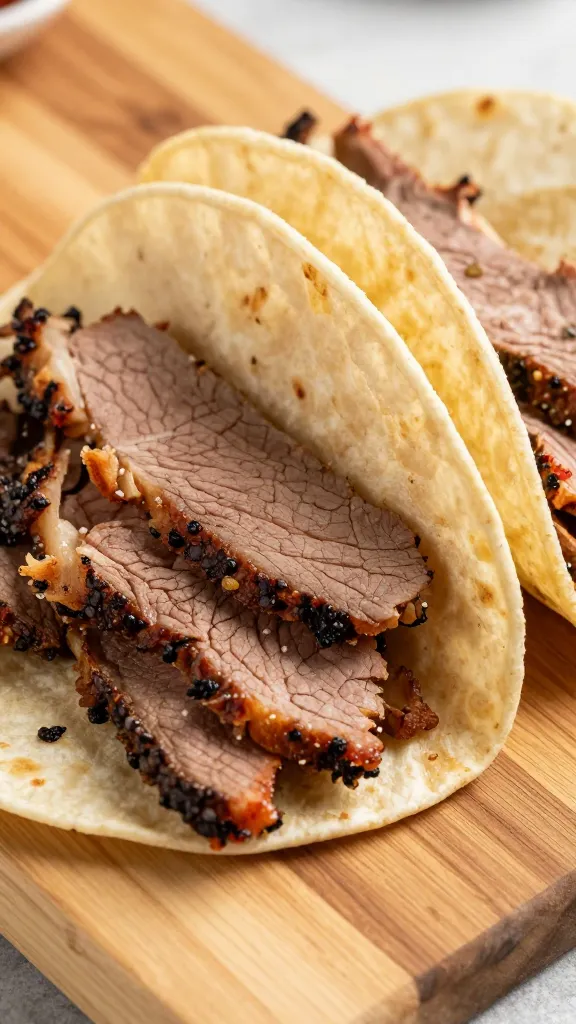
Tortilla or lavash + chopped protein + leftover veg + crunchy slaw + vinaigrette.
Shortcut slaw: Bagged cabbage + a squeeze of lime + pinch of salt = done.
Serve with a side of fruit or chips because balance.
Wednesday: Stir-Fry Remix
Sauté any straggler veggies with garlic and ginger. Toss in rice and protein. Hit with soy sauce, sesame oil, chili-lime sauce.
Egg option: Scramble one in the pan for extra oomph. IMO, an egg fixes almost everything.
Thursday: Loaded Greens
Salad but make it dinner. Big bowl of greens + roasted veg + protein + grains (optional) + vinaigrette + a handful of something salty (feta, olives, or toasted nuts).
Upgrade: Warm the protein so the cheese gets a little melty. Magical.
Friday: Flatbread Pizza
Use naan or pita. Brush with olive oil, smear a thin layer of tahini or tomato paste, top with chopped leftovers and cheese. Bake at 425°F for 8–10 minutes.
Finish: Fresh herbs if you have them. If not, pretend.
Saturday: Soup That Eats Like a Meal
Simmer broth with onions and any bendy veggies. Add chopped protein and grains. Season with a spoon of miso or a squeeze of lemon.
Pro move: Freeze a portion so Future You can take a night off.
Sunday: Clean-Out Frittata
Whisk eggs, fold in chopped leftovers and herbs, pour into an oven-safe pan, bake at 375°F until set (10–15 minutes).
Serve with toast. Or don’t. You’re the boss.
Remix Formulas That Always Work
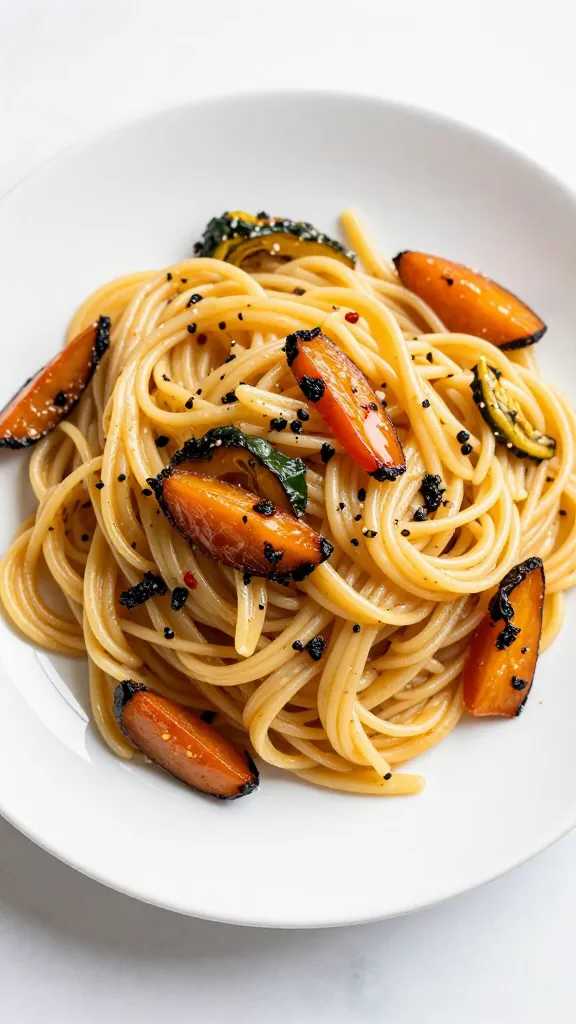
When in doubt, use a formula. Less thinking, more eating.
- Bowl: Grain + Veg + Protein + Sauce + Crunch
- Wrap/Taco: Tortilla + Protein + Veg + Acid (lime/pickle) + Creamy (yogurt/avocado)
- Stir-Fry: Aromatic + Veg + Protein + Sauce + Heat
- Soup: Broth + Veg + Protein + Starch + Brightness
- Salad: Greens + Leftovers + Something Salty + Something Crunchy + Dressing
- Baked/Grilled Melt: Bread/Flatbread + Spread + Toppings + Cheese + Heat
Speedy Flavor Movers
Acid: Lemon, lime, vinegar—wakes everything up.
Heat: Chili crisp, sriracha, hot honey—because we like drama.
Herbs: Cilantro, parsley, dill—add at the end for freshness.
Crunch: Toasted nuts, seeds, crushed crackers—texture = satisfaction.
Choosing the Right Leftovers
Not every dish ages like a fine wine. Some become, uh, compost candidates.
- Great keepers: Roasted meats, tofu, beans, grains, sturdy veg (broccoli, carrots, squash), stews, chilis.
- Handle with care: Seafood (eat within 1–2 days), leafy salads (keep dressing separate), fries (air-fry to revive or accept their fate).
- Freeze-friendly: Cooked grains, soups, sauces, shredded chicken, cooked beans.
Revival Tactics
Dry leftovers: Add a splash of broth or water when reheating.
Soggy grains: Pan-toast with a little oil to bring back life.
Sad veggies: Chop small and throw into fried rice, soup, or omelets. Instant glow-up.
Smart Shopping for a Leftover-First Week
You don’t need a 50-item list. You need anchors and accents.
- Anchors (bulk cook): Chicken, tofu, tempeh, beans; rice, quinoa, couscous; potatoes, sweet potatoes; sturdy veg.
- Accents (low-effort flair): Lemons/limes, yogurt, feta, herbs, scallions, pickles, nuts/seeds, tortillas, naan.
- Pantry MVPs: Soy sauce, Dijon, canned tomatoes, broth, olive oil, vinegar, chili paste, tahini, honey.
Budget Note
Buy family packs when on sale, cook once, and portion. Freeze half right away. Future You will send a thank-you note (mentally).
Common Pitfalls (And How to Dodge Them)
- Overcooking on Day 1: Season simply at first so you can pivot flavors later.
- Sad sauces: Keep at least two on hand. A good sauce rescues anything. IMO, tahini + lemon + garlic never misses.
- Container chaos: Match lids to containers before cooking. Otherwise you’ll rage-quit meal prep.
- Forgetting snacks: Prep a tray of cut veggies and a dip. It stops the “I guess I’ll eat chips again” spiral.
FAQ
How long can I keep cooked leftovers?
Most cooked foods stay good for 3–4 days in the fridge. Seafood stays safest for 1–2 days. If you won’t eat it in time, freeze it. Thaw overnight in the fridge for best texture.
What if I hate eating the same thing twice?
Don’t repeat—remix. Keep components separate and change the sauce, texture, or format. Turn roast veg into tacos one night and soup the next. Same parts, new story.
Can I meal prep without spending my entire Sunday in the kitchen?
Absolutely. Roast protein and veg on two sheet pans, cook a pot of grains, whisk two sauces. That’s 60–90 minutes, tops. The rest of the week becomes assembly, not cooking.
Do leftovers lose nutrients?
Not much. Some vitamins fade a bit with time and reheating, but you still get plenty of nutrition. Better to eat well with leftovers than bail and order fries (again).
How do I keep reheated food from drying out?
Add moisture back in. A splash of broth or water in the pan, a lid to trap steam, or a damp paper towel in the microwave works wonders. Sauces also hide sins—use them generously.
What should I freeze versus keep in the fridge?
Freeze anything you won’t eat within 3–4 days: soups, chilis, cooked grains, shredded meat, beans, and sauces. Keep fresh items like salad greens, herbs, and dairy-based sauces in the fridge and use those first.
Conclusion
You don’t need a new recipe every night—you need a system. Cook a few flexible basics, stash smart, and remix with bold sauces and textures. Your fridge turns into a choose-your-own-adventure, and dinner practically makes itself. Leftovers aren’t a consolation prize—they’re the secret weapon. FYI, your future self is already applauding.