
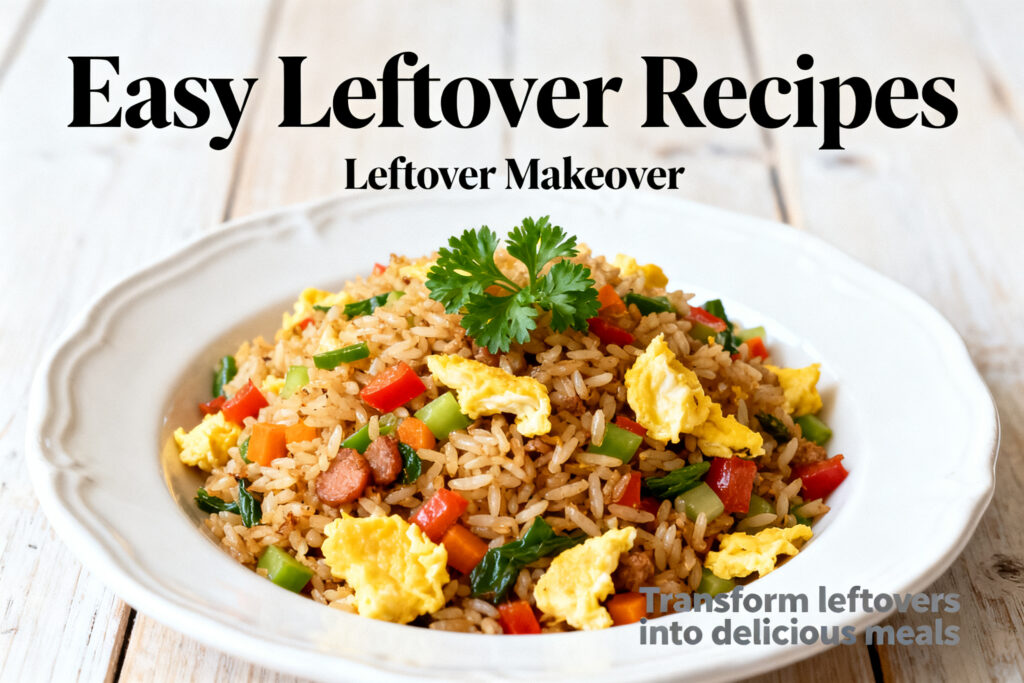
Leftovers don’t have to be boring. With a few smart moves, you can turn last night’s dinner into something fresh and exciting. Think quick fried rice from extra rice, a hearty frittata from stray veggies, or a comforting soup from roasted chicken.
These easy leftover recipes save money, cut waste, and make weeknights less stressful. Here’s how to turn what’s in your fridge into meals you’ll actually look forward to eating.
Ingredients
Method
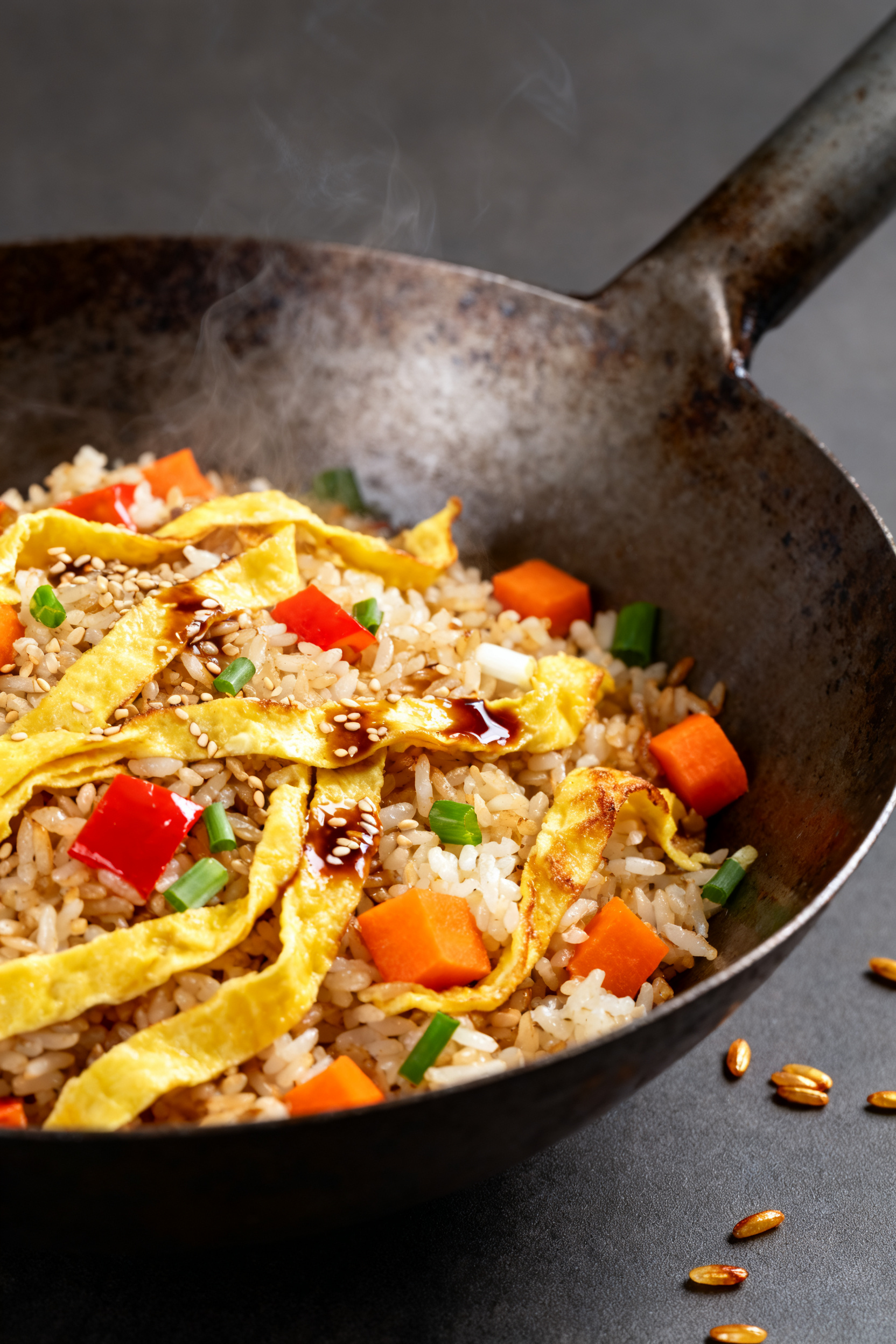
- Fried Rice Formula: Heat oil in a hot skillet. Add chopped onion and any crisp veggies (carrots, bell pepper). Stir in leftover rice, breaking up clumps. Push rice to the side, scramble an egg in the pan, then mix. Season with soy sauce, a bit of sesame oil, and sliced scallions. Add cooked meat or tofu if you have it.
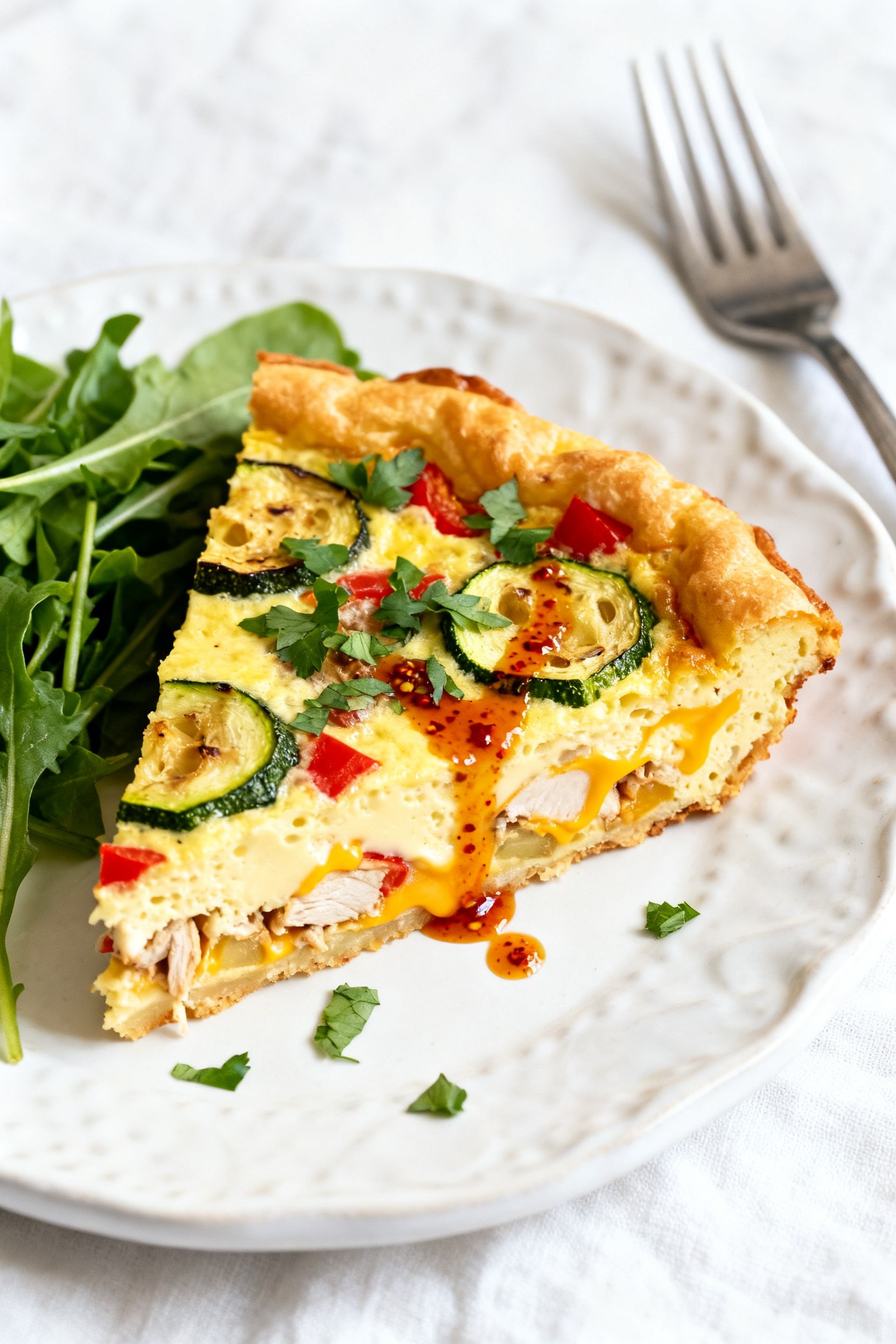
- Oven-Baked Frittata: Whisk 6–8 eggs with a splash of milk, salt, and pepper. Stir in chopped leftover veggies, cooked meats, and a handful of cheese. Pour into a greased oven-safe pan. Bake at 375°F (190°C) for 18–25 minutes, until set. Finish with herbs or hot sauce.
- Loaded Grain Bowls: Warm leftover quinoa, rice, or farro. Top with roasted veggies, beans or chicken, greens, and something creamy like avocado or yogurt. Add a simple dressing: olive oil, lemon, salt, pepper, and a pinch of garlic.
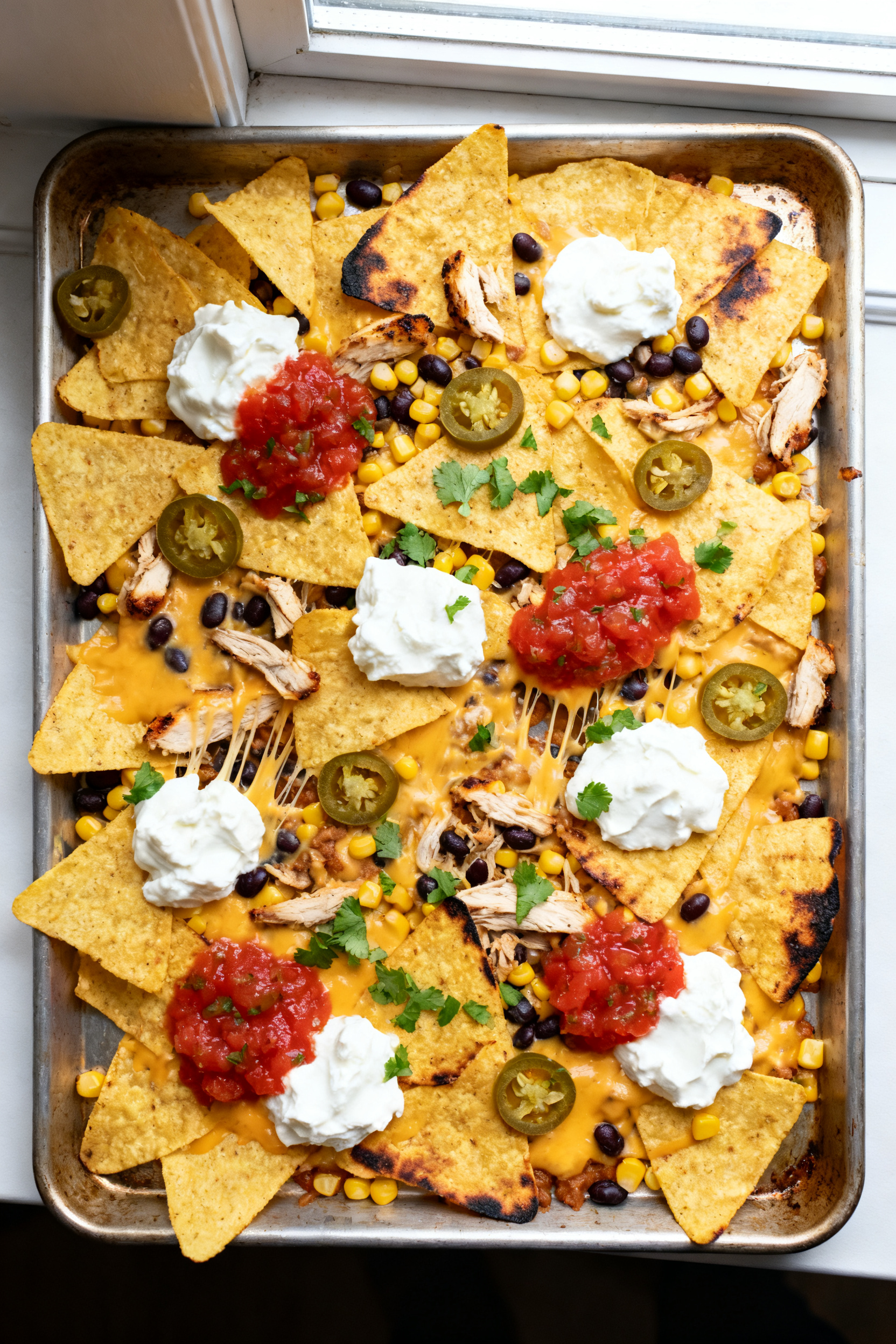
- Sheet-Pan Nachos: Spread tortilla chips on a sheet pan. Top with leftover chicken or beans, corn, and cheese. Bake at 375°F (190°C) until melty. Finish with salsa, jalapeños, and a dollop of sour cream or Greek yogurt.
- Quick Soup: Sauté onion and garlic in a pot. Add chopped leftover veggies and proteins. Pour in broth and a can of tomatoes or a spoon of miso. Simmer 10–15 minutes. Season with salt, pepper, and a squeeze of lemon.
- Pasta Toss: Warm olive oil with garlic and chili flakes. Add leftover veggies or shredded meat. Toss in cooked pasta and a splash of pasta water. Finish with Parmesan and herbs. For creaminess, stir in a spoon of ricotta or pesto.
- Stovetop Quesadillas: Layer cheese and finely chopped leftovers between tortillas. Cook in a skillet until golden and melted. Serve with salsa and lime.
- Crunchy Panzanella: Cube stale bread and toast in the oven. Toss with chopped tomatoes, cucumbers, onions, olives, and leftover chicken if you like. Dress with olive oil, red wine vinegar, salt, and pepper. Let it sit 10 minutes to soak.
- Stuffed Baked Potatoes: Reheat baked potatoes. Scoop out some flesh and mix with chopped leftovers, cheese, and a spoon of yogurt. Stuff it back in and bake until hot and bubbly.
- Simple Curry: Sauté onion and garlic with curry paste or powder. Add coconut milk and leftover veggies or proteins. Simmer until flavors meld. Serve over rice with lime and cilantro.
What Makes This Special
These recipes aren’t just “use it up” ideas. They’re flexible formulas you can adapt to whatever’s on hand.
That means less measuring and more cooking by feel.
You’ll also get big flavor with minimal effort. A splash of soy sauce, a squeeze of lemon, or a spoonful of pesto can completely change a dish. Most options come together in under 30 minutes, and they rely on pantry staples you likely already have.
Best of all, this approach builds confidence in the kitchen.
Once you learn the basic method, you can mix and match ingredients without stress. It’s cooking that works with your life, not against it.
What You’ll Need
- Leftover bases: cooked rice or grains, roasted or steamed vegetables, cooked chicken, beef, pork, tofu, or beans, cooked pasta, stale bread or tortillas
- Flavor boosters: soy sauce or tamari, vinegar (rice, apple cider, or white wine), lemon or lime, hot sauce, pesto, salsa, curry paste, miso, mustard
- Aromatics: garlic, onion, scallions, ginger, fresh or dried herbs
- Eggs and dairy: eggs, milk or cream, cheese (cheddar, feta, Parmesan), yogurt
- Pantry staples: olive oil, butter, sesame oil, chicken or vegetable broth, canned tomatoes, canned beans
- Textural add-ins: nuts, seeds, breadcrumbs, croutons, pickles, kimchi
- Basic tools: large skillet or wok, baking dish, saucepan, sheet pan, mixing bowl
How to Make It
- Fried Rice Formula: Heat oil in a hot skillet. Add chopped onion and any crisp veggies (carrots, bell pepper).
Stir in leftover rice, breaking up clumps. Push rice to the side, scramble an egg in the pan, then mix. Season with soy sauce, a bit of sesame oil, and sliced scallions.
Add cooked meat or tofu if you have it.
- Oven-Baked Frittata: Whisk 6–8 eggs with a splash of milk, salt, and pepper. Stir in chopped leftover veggies, cooked meats, and a handful of cheese. Pour into a greased oven-safe pan.
Bake at 375°F (190°C) for 18–25 minutes, until set. Finish with herbs or hot sauce.
- Loaded Grain Bowls: Warm leftover quinoa, rice, or farro. Top with roasted veggies, beans or chicken, greens, and something creamy like avocado or yogurt.
Add a simple dressing: olive oil, lemon, salt, pepper, and a pinch of garlic.
- Sheet-Pan Nachos: Spread tortilla chips on a sheet pan. Top with leftover chicken or beans, corn, and cheese. Bake at 375°F (190°C) until melty.
Finish with salsa, jalapeños, and a dollop of sour cream or Greek yogurt.
- Quick Soup: Sauté onion and garlic in a pot. Add chopped leftover veggies and proteins. Pour in broth and a can of tomatoes or a spoon of miso.
Simmer 10–15 minutes. Season with salt, pepper, and a squeeze of lemon.
- Pasta Toss: Warm olive oil with garlic and chili flakes. Add leftover veggies or shredded meat.
Toss in cooked pasta and a splash of pasta water. Finish with Parmesan and herbs. For creaminess, stir in a spoon of ricotta or pesto.
- Stovetop Quesadillas: Layer cheese and finely chopped leftovers between tortillas.
Cook in a skillet until golden and melted. Serve with salsa and lime.
- Crunchy Panzanella: Cube stale bread and toast in the oven. Toss with chopped tomatoes, cucumbers, onions, olives, and leftover chicken if you like.
Dress with olive oil, red wine vinegar, salt, and pepper. Let it sit 10 minutes to soak.
- Stuffed Baked Potatoes: Reheat baked potatoes. Scoop out some flesh and mix with chopped leftovers, cheese, and a spoon of yogurt.
Stuff it back in and bake until hot and bubbly.
- Simple Curry: Sauté onion and garlic with curry paste or powder. Add coconut milk and leftover veggies or proteins. Simmer until flavors meld.
Serve over rice with lime and cilantro.
How to Store
- Cool quickly: Spread hot foods in a shallow container so they cool within two hours before refrigerating.
- Use airtight containers: Prevent drying out and fridge odors. Label with dates.
- Refrigeration timeline: Most cooked leftovers last 3–4 days in the fridge. Eat seafood within 2–3 days.
- Freeze smart: Soups, chilis, and cooked meats freeze well up to 2–3 months.
Rice and bread also freeze great. Avoid freezing high-moisture veggies like cucumbers.
- Reheat thoroughly: Heat to steaming hot. Stir halfway for even warming.
Health Benefits
- Better portion control: Planning for leftovers helps you balance servings and avoid overeating.
- More veggies, more fiber: These recipes make it easy to fold in extra vegetables and beans, boosting fiber for digestion and fullness.
- Less takeout, less sodium: Cooking at home typically means fewer additives and a better handle on salt and sugar.
- Protein variety: Mixing beans, eggs, tofu, and lean meats offers a wider range of nutrients and keeps meals satisfying.
- Budget-friendly nutrition: Using what you have makes healthy eating more affordable and sustainable.
Common Mistakes to Avoid
- Overcrowding the pan: It steams instead of browns.
Cook in batches for crisp edges and better flavor.
- Skipping acid and salt: Leftovers can taste flat. A squeeze of lemon or splash of vinegar and a pinch of salt wake everything up.
- Using wet ingredients in quesadillas or fried rice: Pat veggies and meats dry to keep things crisp, not soggy.
- Forgetting texture: Add crunch with nuts, seeds, toasted breadcrumbs, or fresh greens to balance soft leftovers.
- Overheating delicate proteins: Add cooked chicken, seafood, or tofu at the end to warm through without drying out.
Variations You Can Try
- Mediterranean Bowl: Leftover quinoa, roasted peppers, cucumbers, olives, chickpeas, feta, and lemon-oregano dressing.
- Kimchi Fried Rice: Leftover rice, chopped kimchi, scallions, soy sauce, sesame oil, and a fried egg on top.
- Taco Skillet: Sauté onions with leftover beef or beans, add corn and salsa, and spoon over rice or into tortillas.
- Veggie Pesto Pasta: Toss leftover roasted vegetables with hot pasta, pesto, and Parmesan.
- Chicken and Rice Soup: Broth, shredded chicken, rice, carrots, celery, and dill or parsley.
- Breakfast-for-Dinner Hash: Diced potatoes or sweet potatoes, chopped veggies, and sausage or tofu, topped with a runny egg.
- Greek-Style Pita Pizzas: Pitas topped with tomato sauce or pesto, leftover chicken, tomatoes, olives, and feta. Bake until crisp.
FAQ
How long are leftovers safe to eat?
Most cooked leftovers are safe for 3–4 days in the fridge if stored properly in airtight containers.
If you won’t finish them in time, freeze for 2–3 months. When in doubt, check smell, texture, and appearance, and reheat until steaming hot.
What’s the best way to reheat rice safely?
Cool cooked rice quickly and store in the fridge within two hours. Reheat until piping hot, stirring halfway.
Adding a splash of water and covering helps bring back moisture. Only reheat once.
Can I mix different proteins in one dish?
Yes. Combining beans with chicken or tofu with eggs can make a dish more filling and flavorful.
Add already-cooked proteins at the end just to warm through to avoid overcooking.
How do I keep leftovers from tasting bland?
Use the “salt, fat, acid, heat” check. Add a pinch of salt, a bit of fat (olive oil, butter), brightness (lemon, vinegar), and enough heat (spices, chili) to balance flavors. Fresh herbs also bring dishes to life.
What if my leftovers are really random?
Think in categories.
Make a frittata, fried rice, soup, or grain bowl—those formats welcome almost any combo. Chop everything into bite-size pieces and aim for a mix of soft, crunchy, creamy, and fresh.
How can I reduce food waste from the start?
Plan meals with “carryover” in mind. Roast extra veggies, cook extra grains, and keep a weekly “clean-out” night.
Store ingredients clearly and freeze portions you won’t use soon.
In Conclusion
Easy leftover recipes aren’t about settling. They’re about smart cooking, simple techniques, and a few flavor tricks that make what you already have taste new again. Keep a few flexible formulas in your back pocket, stock basic seasonings, and you’ll always have a plan for the random bits in your fridge.
Less waste, more flavor, and faster meals—that’s a routine worth keeping.
Printable Recipe Card
Want just the essential recipe details without scrolling through the article? Get our printable recipe card with just the ingredients and instructions.