
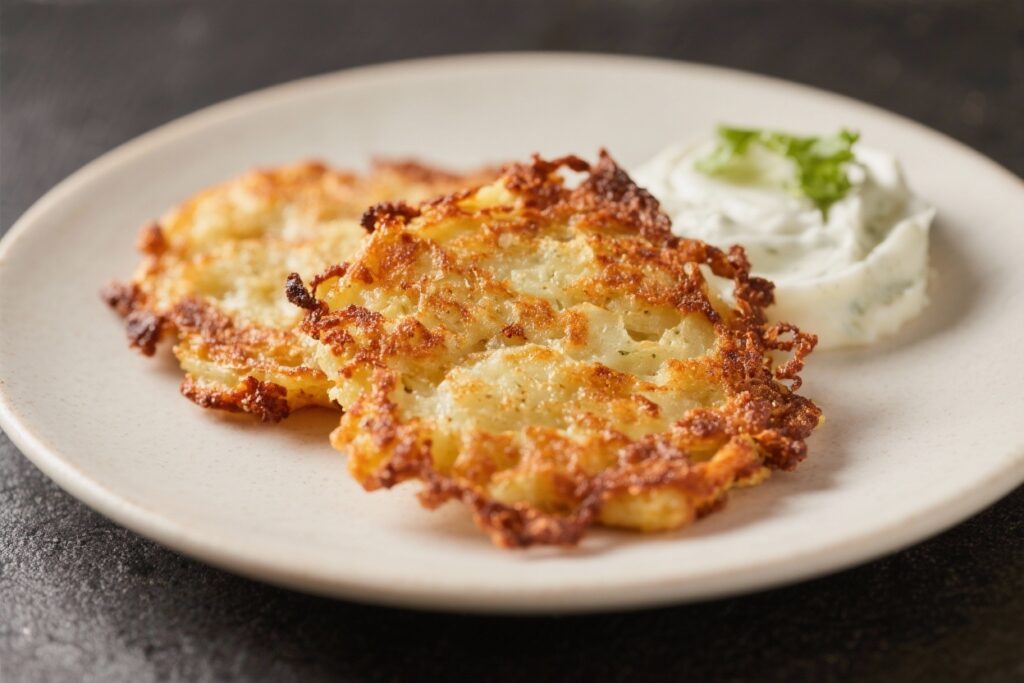
You know that container of sad, cold boiled potatoes hiding in your fridge? It’s not leftovers—it’s potential. With a hot pan and a few pantry basics, you can turn them into shatteringly crisp latkes that taste like you planned them all along.
No grater, no peeling, no drama—just golden perfection in minutes. This is how you turn “meh” into “more, please.” Ready to win breakfast, brunch, and late-night snacking in one move?
What Makes This Recipe Awesome
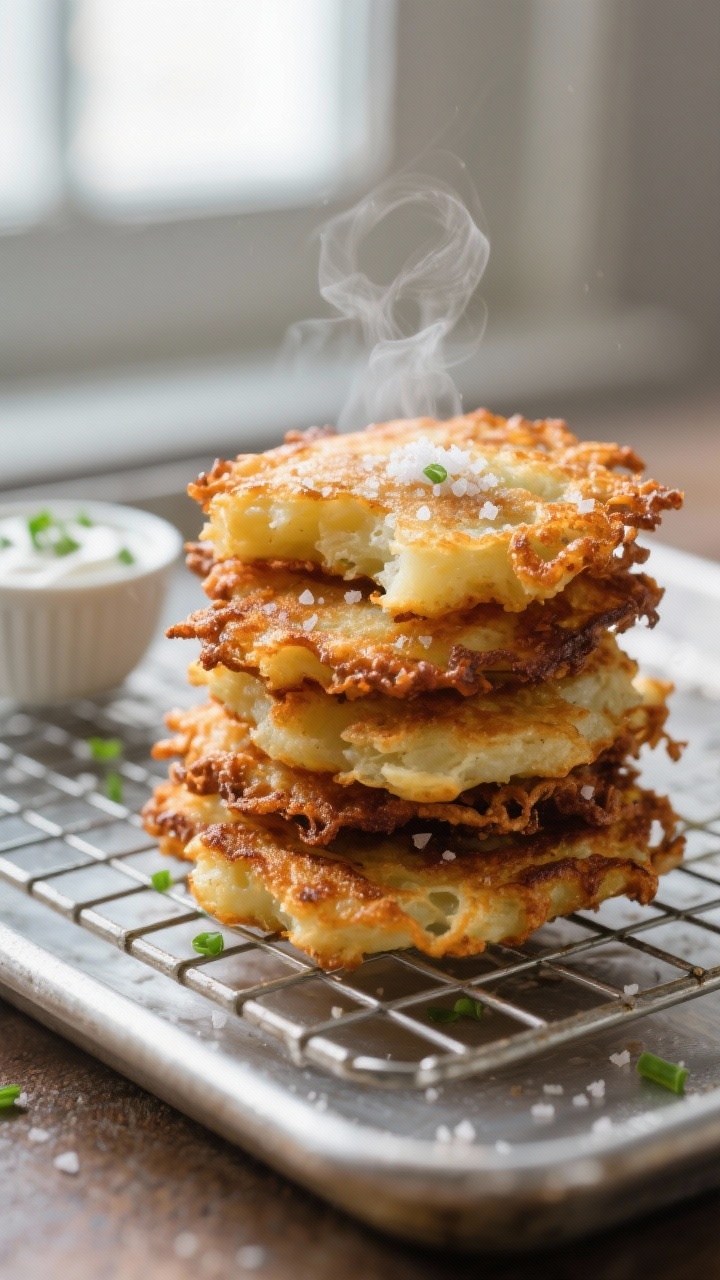
- Zero-waste hero: Uses leftover boiled potatoes, so you’re saving food and money without trying.
- Ultra-crispy edges, tender centers: The pre-cooked potatoes fry up faster and crispier than raw ones.
- Weeknight easy: No grating required—just mash, mix, and fry. Minimal mess, maximum crunch.
- Flexible flavor: Add scallions, garlic, cheese, or spice blends to suit your mood.
- Breakfast-to-dinner friendly: Top with eggs, smoked salmon, sour cream, applesauce, or even chili.
No wrong answers here.
Ingredients Breakdown
- Leftover boiled potatoes (3 cups, cold): Yukon Golds or Russets work best. Cold potatoes are easier to mash and hold together.
- Eggs (2 large): The glue that helps the latkes hold their shape.
- All-purpose flour (1/3 cup): Light binder. Substitute with matzo meal or gluten-free flour, if needed.
- Onion (1 small, finely minced or grated): Adds classic latke flavor.
Green onions work too for a milder vibe.
- Garlic (1 clove, minced): Optional, but highly recommended for savory depth.
- Salt (1 to 1 1/4 teaspoons): Potatoes need more salt than you think—taste and adjust.
- Black pepper (1/2 teaspoon): Freshly ground if possible.
- Baking powder (1/2 teaspoon): Gives a subtle lift for a fluffier center.
- Neutral oil for frying (about 1/2 cup): Avocado, canola, or peanut oil. Avoid butter—it burns too fast.
- Optional add-ins: Chopped parsley or dill, smoked paprika, shredded cheddar, or a pinch of cayenne.
How to Make It – Instructions
- Prep your potatoes: Chop the cold boiled potatoes into chunks and place them in a large bowl. Mash lightly with a fork or potato masher until mostly smooth with a few small bits for texture.
- Flavor base: Add the minced onion, garlic, salt, black pepper, and baking powder.
Stir to distribute evenly.
- Bind it up: Crack in the eggs and mix until incorporated. Sprinkle the flour over the mixture and fold until it becomes a cohesive, thick batter. It should hold together when pressed—if it’s too loose, add 1–2 tablespoons more flour.
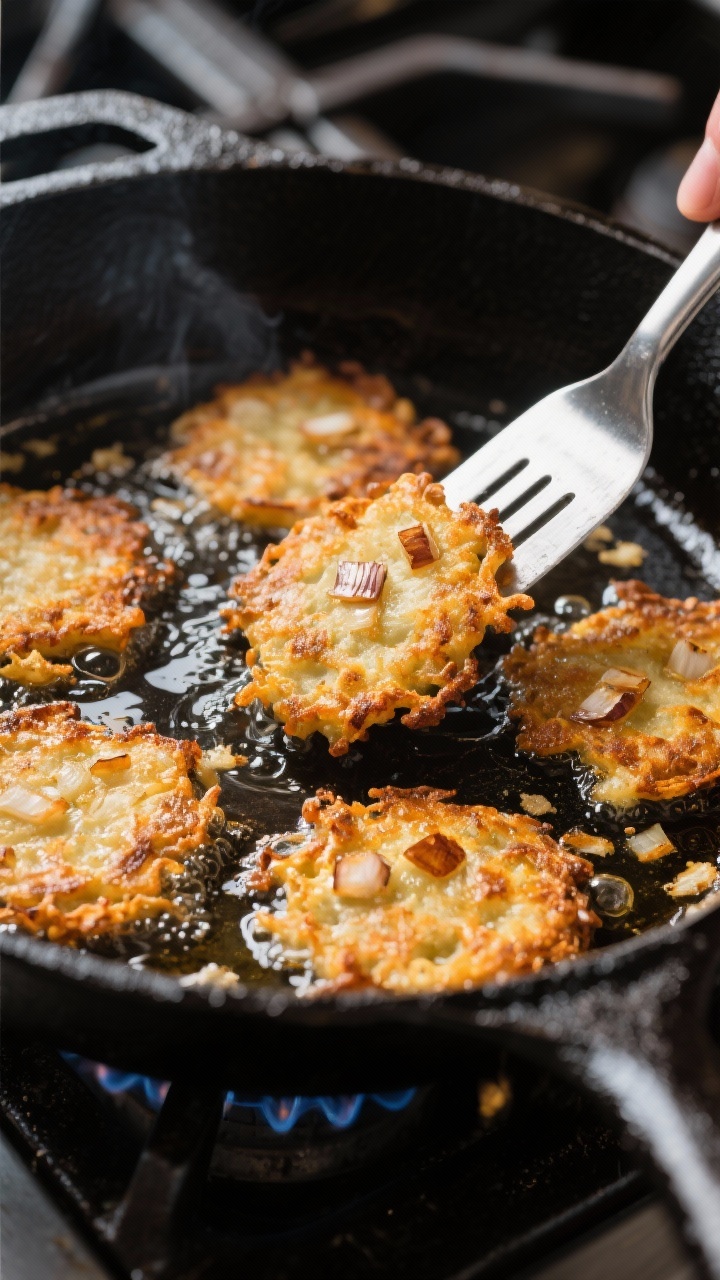
- Heat the pan: Set a heavy skillet (cast iron is ideal) over medium to medium-high heat.
Pour in enough oil to create a thin, even layer (about 1/8 inch). Heat until shimmering—test by dropping in a tiny bit of batter; it should sizzle immediately.
- Form the latkes: Scoop 2 to 3 tablespoons of batter per latke. Gently flatten into 1/3-inch-thick patties with the back of a spoon.
- Fry for crisp edges: Place patties in the hot oil without crowding.
Fry 3–4 minutes per side until deeply golden and crisp. Adjust heat as needed to prevent burning while keeping that sizzle going.
- Drain like a pro: Transfer to a wire rack set over a sheet pan or paper towels. Immediately sprinkle with a pinch of salt for peak flavor.
- Serve hot: Pair with sour cream, applesauce, chives, or a squeeze of lemon.
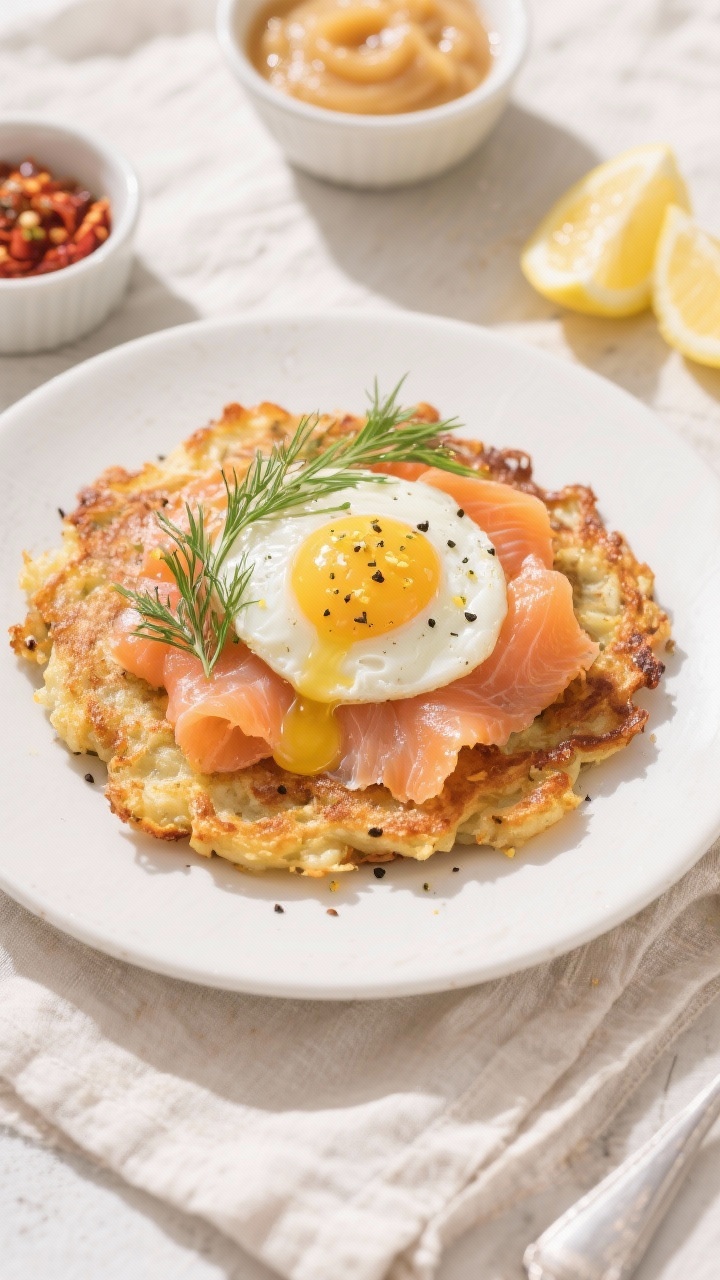
Feeling extra? Top with smoked salmon and a poached egg. Chef’s kiss.
Preservation Guide
- Fridge: Store cooked latkes in an airtight container for up to 4 days.
Place parchment between layers to prevent sticking.
- Freezer: Freeze on a baking sheet until solid, then bag for up to 2 months. Reheat straight from frozen.
- Reheating: Best in a 400°F (205°C) oven or air fryer for 6–10 minutes until crisp. Avoid microwaves unless you enjoy soggy sadness.
- Make-ahead batter: Mix the potato base without eggs and flour up to 24 hours ahead.
Add eggs/flour right before frying for best texture.
Why This is Good for You
- Smart carbs: Cooked-and-cooled potatoes create resistant starch, which can support gut health and steadier energy.
- Protein boost: Eggs add protein to keep you full longer—especially handy for breakfast or post-workout eats.
- Customizable fats: Frying in high-heat oils keeps the latkes crisp while letting you choose better fats (avocado oil FTW).
- Real ingredients: Simple, minimally processed components you can pronounce—no weird additives required.
Avoid These Mistakes
- Using warm potatoes: Warm potatoes steam in the pan and go gummy. Cold leftovers are the secret weapon.
- Skipping the binder: No eggs or flour = latke crumble city. Keep the structure tight.
- Low-heat frying: Low heat leads to greasy, pale latkes.
You want steady sizzle for a crisp crust.
- Crowding the pan: Overcrowding drops the oil temperature. Fry in batches for consistent browning.
- Under-seasoning: Potatoes are flavor sponges. Taste your mix and adjust salt and pepper before frying.
Different Ways to Make This
- Herb and scallion latkes: Add chopped dill, parsley, and sliced green onions for brightness.
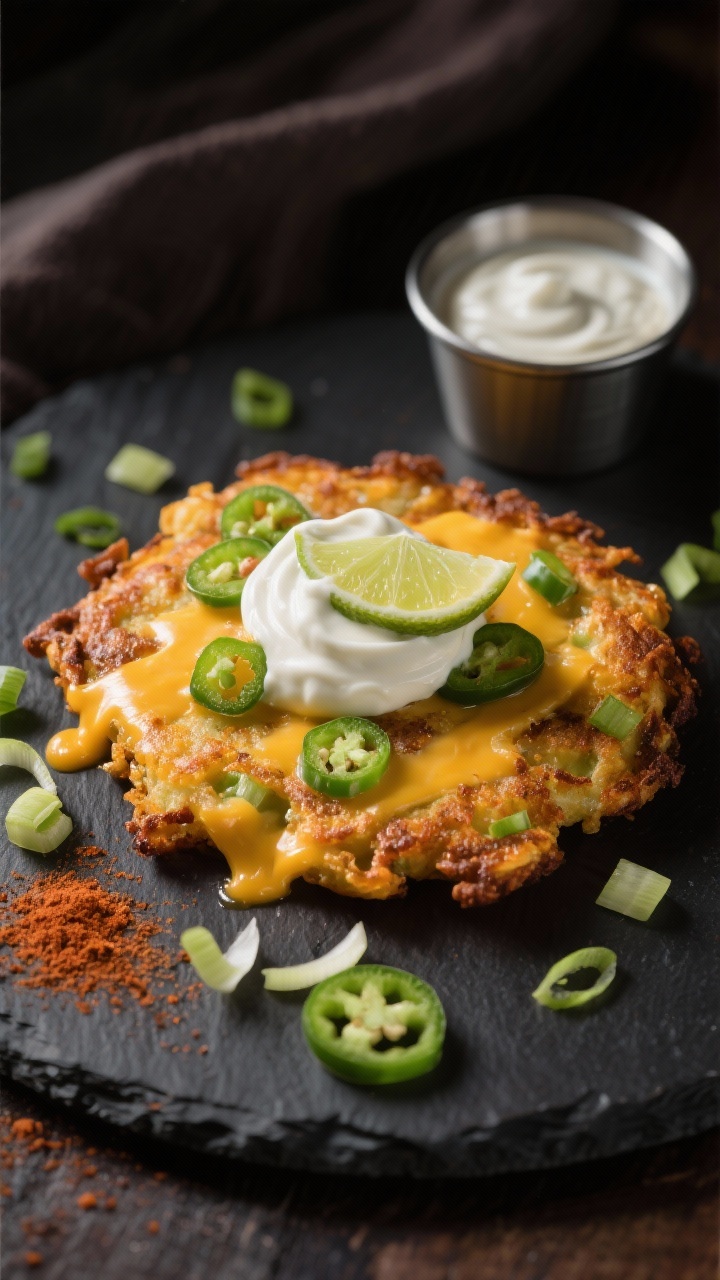
- Cheddar-jalapeño: Fold in shredded cheddar and finely diced jalapeño; serve with lime crema.
Party trick unlocked.
- Spiced sweet heat: Add smoked paprika, cumin, and a dash of cayenne. Top with yogurt and chili crisp.
- Gluten-free: Swap flour with potato starch, rice flour, or certified GF matzo meal. Texture stays crisp, IMO even better.
- Air fryer method: Brush patties with oil and air fry at 400°F (205°C) for 10–14 minutes, flipping once.
Not identical to pan-fried, but still crunchy and lighter.
- Breakfast stack: Layer with crispy bacon, a fried egg, and hot sauce. Brunch flex achieved.
FAQ
Can I use mashed potatoes instead of boiled chunks?
Yes, as long as the mash isn’t overloaded with butter or milk. If it’s very creamy, add a bit more flour or matzo meal to firm up the mixture.
What type of potato is best?
Russets yield the crispiest edges due to higher starch, while Yukon Golds offer a creamier center.
Both are excellent—choose your adventure.
Do I need to squeeze out moisture like traditional latkes?
Nope. Since the potatoes are already cooked, there’s less raw moisture. If your onion is juicy, give it a quick squeeze in a paper towel before mixing.
How do I keep latkes crispy for a crowd?
Place fried latkes on a wire rack over a sheet pan in a 250°F (120°C) oven while you finish the batch.
This keeps them hot and crisp without drying out.
What oil should I use for the best crust?
Use a neutral, high-smoke-point oil like avocado, canola, or peanut oil. Olive oil can work in a pinch, but it browns faster and can overpower the flavor.
Can I make these dairy-free or kosher-friendly?
Absolutely. The base recipe is dairy-free.
For kosher meals, pair with applesauce or non-dairy toppings if serving with meat.
Why are my latkes falling apart?
The mixture likely needs more binder or you’re flipping too early. Add 1–2 tablespoons more flour and wait until the edges are deeply golden before turning.
How thick should each latke be?
Aim for about 1/3 inch thick. Too thick and they won’t crisp; too thin and they may over-brown before the center sets.
Can I bake them instead of frying?
Yes.
Brush with oil and bake at 425°F (220°C) on a preheated sheet pan for 15–20 minutes, flipping halfway. They won’t be as shatter-crisp, but still tasty.
Any fun toppings beyond sour cream and applesauce?
Try labneh with lemon zest, smoked salmon with dill, garlic-herb aioli, chili crisp with scallions, or a drizzle of hot honey. Your latke, your rules.
Wrapping Up
Leftover boiled potatoes plus a hot skillet equals crispy, golden latkes that punch way above their weight.
This method is fast, forgiving, and wildly adaptable—perfect for busy mornings or lazy midnight snacks. Keep a stash in the freezer, switch up the toppings, and watch them disappear. Waste less, flex more, and make your fridge leftovers famous.
Printable Recipe Card
Want just the essential recipe details without scrolling through the article? Get our printable recipe card with just the ingredients and instructions.