
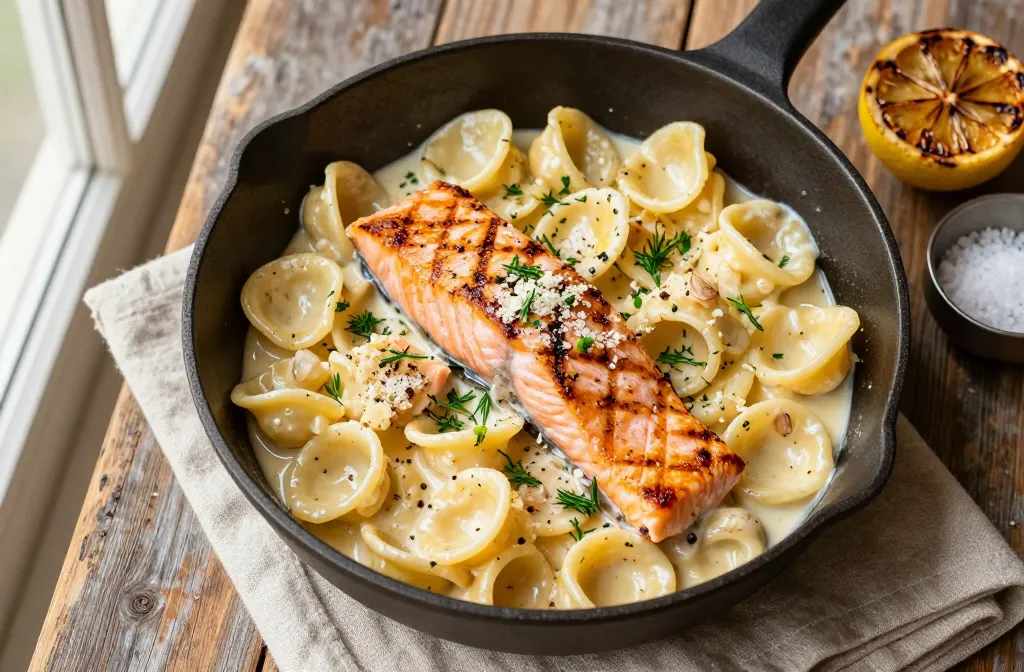
Leftover grilled salmon staring you down from the fridge? Don’t overthink it. Turn that flaky gold into a creamy, bright, restaurant-level pasta—fast. Fifteen minutes fast. You’ll use pantry staples, minimal effort, and zero drama. Bonus: you’ll feel fancy while doing basically nothing.
Why Leftover Salmon Pasta Just Works
Leftover salmon loves pasta. It breaks into delicate flakes that tuck into noodles and soak up sauce like a pro. You get protein, richness, and a hit of smoky grill flavor without lifting a finger.
Also, pasta forgives you. You can wing measurements, taste as you go, and still end up with a dish that tastes like a weeknight win. IMO, this beats yet another sad salad with cold fish cubes.
The 15-Minute Game Plan
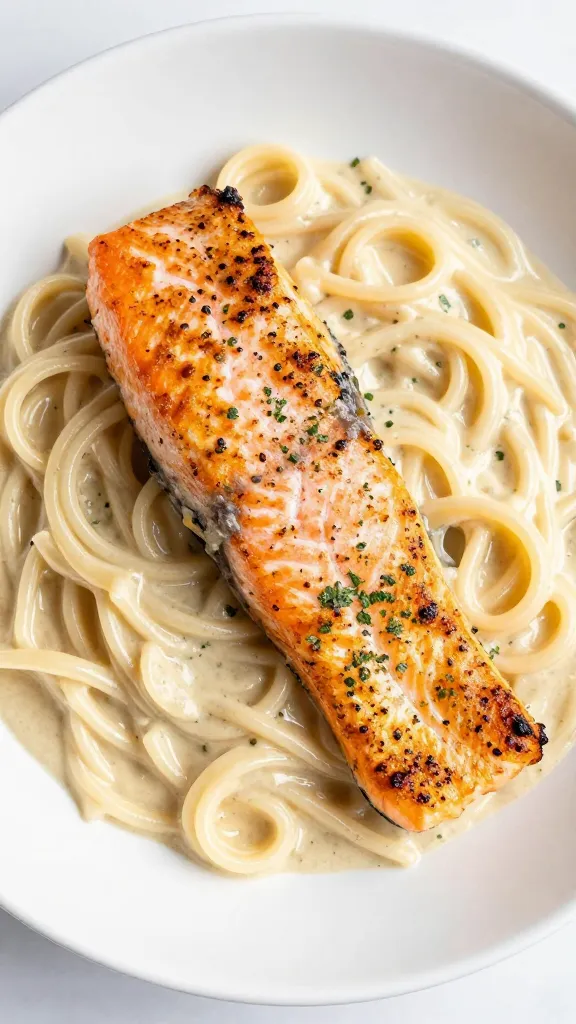
Let’s keep this efficient and delicious. You’ll cook the pasta while you build a quick pan sauce. Then you’ll fold in the salmon at the end so it stays tender and doesn’t overcook.
What you need (serves 2-3):
- 8 oz pasta (short shapes like penne, fusilli, or orecchiette work great; long strands also fine)
- 1 to 1.5 cups flaked leftover grilled salmon, skin and bones removed
- 2 tbsp olive oil or 1 tbsp olive oil + 1 tbsp butter
- 3 cloves garlic, thinly sliced or minced
- 1 small shallot, finely chopped (optional but great)
- 1/2 cup dry white wine OR 1/2 cup broth + squeeze of lemon
- 1/2 cup cream OR 3/4 cup half-and-half OR 1/3 cup crème fraîche
- Zest and juice of 1/2 lemon
- 1/3 cup grated Parmesan or Pecorino
- Red pepper flakes, salt, black pepper
- Fresh herbs (dill, parsley, or chives), chopped
- Optional add-ins: peas, spinach, cherry tomatoes, capers
Timing (real talk):
- Boil pasta in salted water until just shy of al dente.
- Meanwhile, sauté aromatics, deglaze with wine/broth, add cream, and reduce.
- Finish with lemon, cheese, and a splash of pasta water.
- Fold in salmon and herbs. Toss with pasta. Eat immediately.
Step-by-Step: From Fridge to Fork
1) Salt your water like you mean it
Bring a large pot of water to a rolling boil and salt it until it tastes like the ocean. Short shapes grab the salmon better, but use what you have. Cook until the pasta still has a tiny bite—it’ll finish in the sauce.
2) Build the flavor base
Heat olive oil (and/or butter) in a large skillet over medium. Add shallot and cook 1-2 minutes until translucent. Add garlic and a pinch of red pepper flakes. Stir 30 seconds until fragrant. Don’t let the garlic brown—burnt garlic tastes like regret.
3) Deglaze and reduce
Pour in the white wine and scrape the pan. Simmer 1-2 minutes to cook off the alcohol. No wine? Use broth and squeeze in lemon later. If you want a silkier sauce, splash in a little pasta water now—it’s liquid gold.
4) Creamy but not heavy
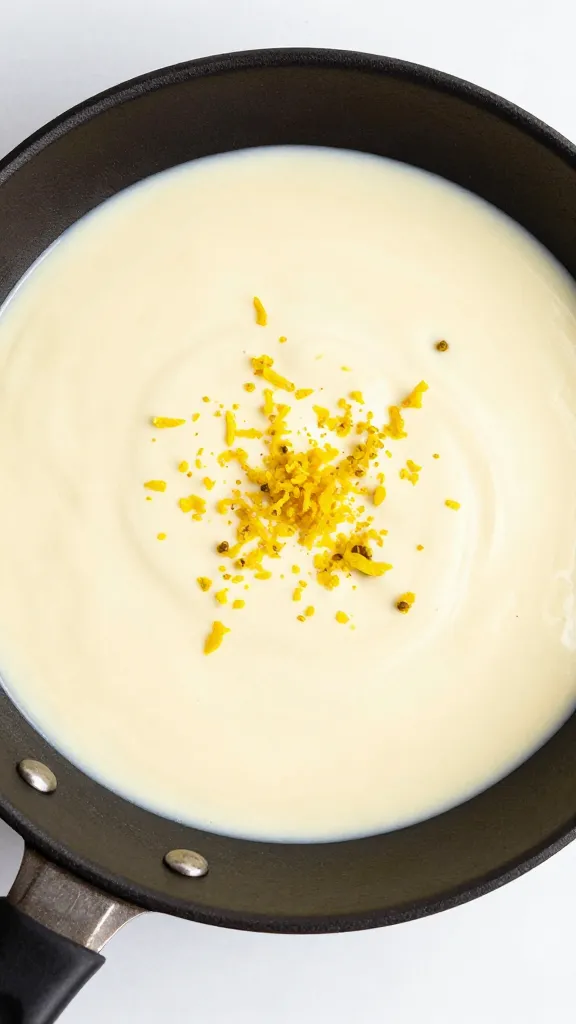
Lower the heat and stir in cream (or your alternative). Simmer for 2-3 minutes to thicken slightly. Season with salt and black pepper. You’re aiming for “coats the spoon,” not Alfredo sludge.
5) Lemon, cheese, and balance
Add lemon zest and half the lemon juice. Sprinkle in Parmesan and stir until smooth. Taste. Need more brightness? Add the rest of the lemon juice. Too sharp? A splash more cream or pasta water smooths it out.
6) Salmon goes last
Gently flake the salmon into bite-size chunks. Fold it into the sauce off the heat or on the lowest flame. Warm it through for 1 minute max. You don’t want dry salmon, right?
7) Toss and finish
Drain the pasta (reserve a cup of pasta water). Add pasta to the skillet with a splash of pasta water. Toss until glossy and beautiful. Fold in herbs. Taste and adjust salt, pepper, and lemon. Serve immediately with extra cheese. Try not to inhale it.
Make It Your Style
This recipe bends to your cravings and your pantry. No errands required.
For a lighter vibe
– Swap cream for a mix of broth and a spoonful of Greek yogurt (off heat to prevent curdling).
– Add peas, arugula, or spinach at the end for a pop of green.
– Go hard on lemon and fresh herbs.
For extra richness
– Use crème fraîche instead of cream for tangy silkiness.
– Stir in a pat of butter when you toss with pasta.
– Finish with toasted breadcrumbs for crunch.
If your salmon had a bold rub
– Dial back the Parmesan and red pepper flakes.
– Add a handful of cherry tomatoes to bring sweetness.
– A few capers cut through smoky or spicy notes like a charm.
Smart Shortcuts and Pro Tips
– Strong grill flavor? Balance it with lemon zest and fresh dill.
– Dry salmon? Break it smaller and give it extra sauce time (but keep heat low).
– No shallot? Use extra garlic and a pinch of onion powder. Yes, onion powder.
– Pasta water equals emulsified magic. Add a little at a time until the sauce hugs the noodles.
– Plate like a pro: shower with herbs and a squeeze of lemon at the table. It looks intentional (because it is).
– FYI: cold salmon flakes better. Pull it from the fridge just before adding.
Two Quick Variations Worth Repeating
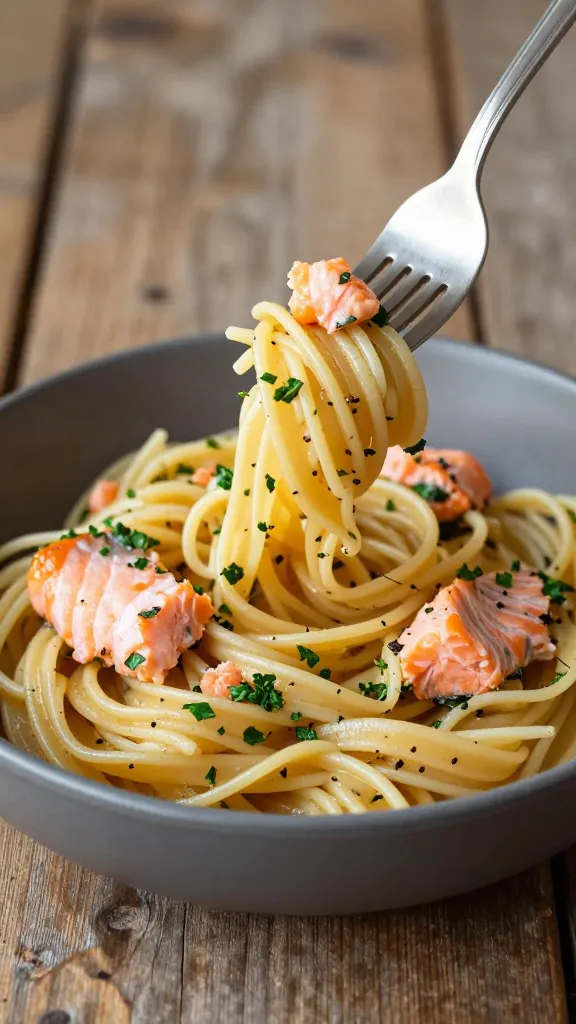
Lemon-Dill Salmon Pasta
– Sauce base: olive oil, garlic, splash of white wine, light cream.
– Finish: big handful of chopped dill, lots of lemon zest, Parmesan, black pepper.
– Optional: peas for sweetness. Simple, bright, and absurdly good.
Tomato-Cream Salmon Pasta
– Sauce base: sauté garlic and shallot, add 1/2 cup crushed tomatoes, simmer, then swirl in cream.
– Finish with basil and Parmesan.
– Optional: a few capers or olives if you like a briny kick. It’s like vodka sauce’s chill cousin.
Leftovers of Leftovers? Let’s Talk Storage
You can store the finished pasta in an airtight container in the fridge for up to 2 days. The sauce may tighten, so reheat gently with a splash of water, milk, or broth. IMO, it tastes best fresh, but I won’t judge a next-day desk lunch. Do not freeze—it messes with the texture and turns the herbs sad.
FAQ
Can I use canned salmon instead of leftover grilled salmon?
Yes. Drain it well and pick out any skin and bones. The flavor runs less smoky, so add an extra pinch of salt, a squeeze of lemon, and maybe a touch more Parmesan to round it out.
What pasta shape works best?
Short shapes like penne, fusilli, or shells hold onto the salmon flakes and sauce. Long pasta works too, but short shapes give you a better salmon-to-noodle ratio in every bite. Choose whatever you actually like—this pasta won’t gatekeep you.
How do I avoid a broken or gritty sauce?
Add cheese off the direct heat or on low and whisk until smooth. Use pasta water to loosen the sauce, not plain water. If you use yogurt, temper it: stir some warm sauce into the yogurt first, then add that back to the pan off heat.
My salmon tastes dry—how can I fix that?
Flake it smaller, add it at the very end, and give it a minute to drink up the sauce. Finish with extra lemon and a drizzle of olive oil. The combo revives texture and flavor fast.
Can I make it dairy-free?
Absolutely. Use olive oil, skip the cheese, and create a silky sauce with a mix of broth, a splash of full-fat coconut milk, lemon, and nutritional yeast for umami. Add chopped herbs and a handful of toasted breadcrumbs for richness and crunch.
What wine pairs well with this pasta?
A crisp Sauvignon Blanc or Pinot Grigio keeps things bright. If you went the tomato-cream route, a light Pinot Noir also plays nice. Don’t stress it—pour what you like and call it a night.
Conclusion
Leftover grilled salmon plus a handful of pantry heroes equals weeknight pasta glory. You’ll build a quick, lemony, creamy sauce, fold in tender flakes, and get dinner done in fifteen. Keep it simple, taste as you go, and don’t skimp on herbs and lemon at the end. Fast, cozy, and low-effort delicious—what’s not to love?