
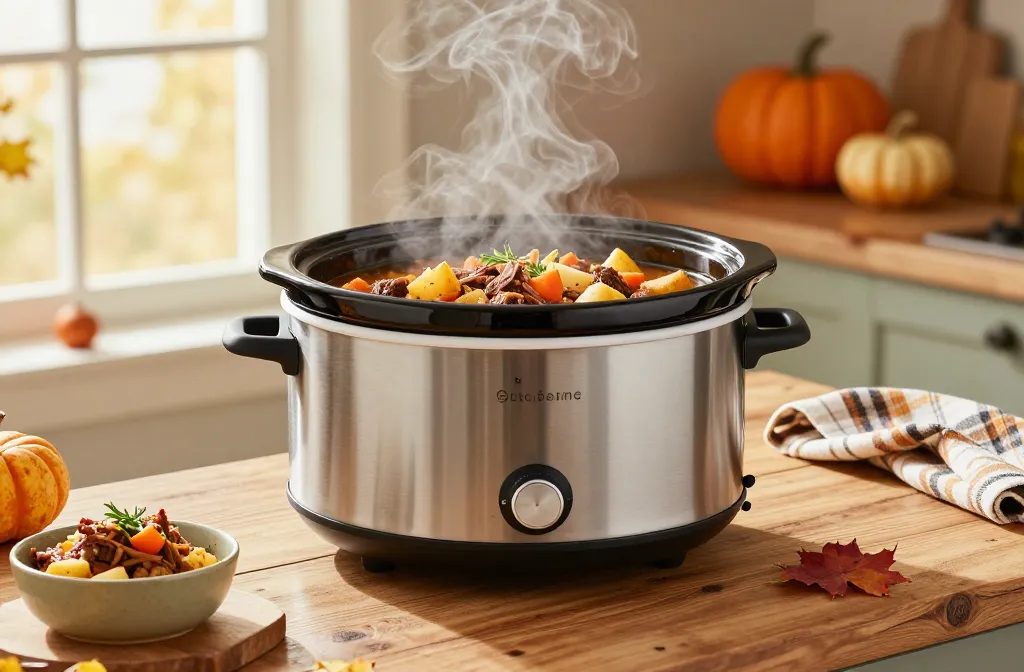
Leftovers don’t have to be a sad game of “mystery container roulette.” With the right slow cooker, you can turn last night’s odds and ends into cozy, fall-worthy dinners that taste like you planned them all along. Think simmered soups, saucy casseroles, and shredded-meat magic—no stress, no fuss. You toss it in, set it, and let your home smell like you’ve been cooking for hours. Spoiler: you mostly haven’t.
Why a Slow Cooker Crushes Fall Leftovers
You want warm, comforting meals without babysitting a pot. A slow cooker gives you that. It rescues dry proteins, softens tough veggies, and melds flavors like a culinary therapist.
Here’s what makes it perfect for leftovers:
- Low-and-slow magic: Gentle heat revives meats and veggies instead of nuking them into rubber.
- Hands-off cooking: Dump, set, forget. Come back to dinner that tastes like effort.
- Flavor fusion: Sauces, stocks, and spices unite leftover bits into one cohesive meal.
- Batch potential: Turn scraps into a next-day lunch army. FYI: your future self says thanks.
What to Look For in a Slow Cooker (If Leftovers Are Your Thing)
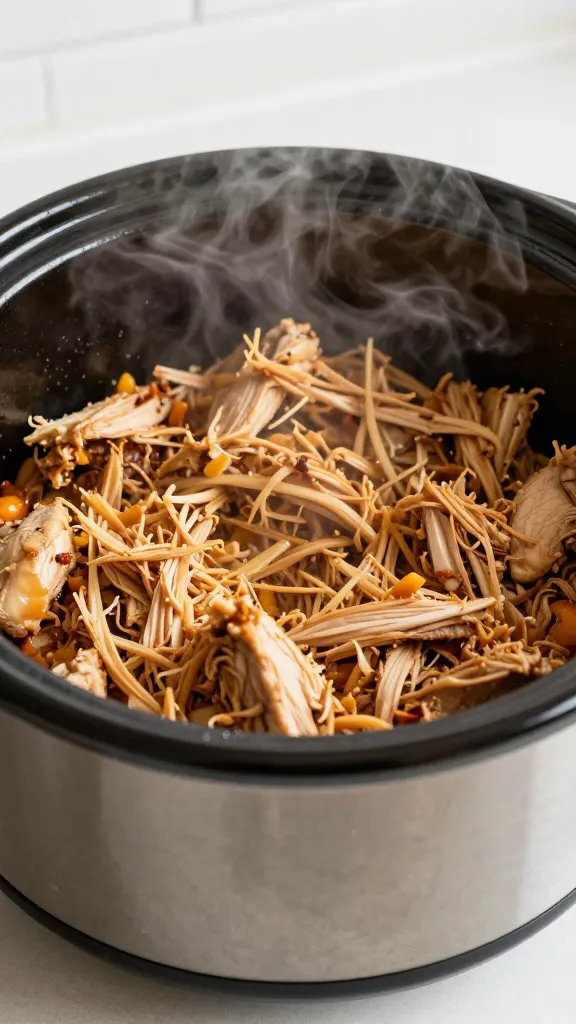
You don’t need the fanciest gadget, but the right features help a lot when you’re remixing what’s already in the fridge.
- Size sweet spot (5–7 quarts): Big enough for soups, stews, and shredded meats. Not so huge it swallows a single chicken breast.
- Programmable timer and auto-warm: Set it for 4–8 hours and let it switch to warm. Your dinner won’t overcook while you forget time exists.
- Oval shape: Fits roasts, racks of ribs, or a mix of leftovers without awkward stacking.
- Ceramic or stoneware insert: Even heat and easy cleanup. Removable is non-negotiable.
- Glass lid with a decent seal: Trap moisture so your leftovers stay luscious, not parched.
- Low, High, and Warm settings: You’ll use all three, trust me.
Nice-to-Haves (But Not Dealbreakers)
- Probe thermometer: Overkill for leftovers, but helpful for big proteins.
- Locking lid: Great for potlucks. Not essential for couch-to-kitchen commutes.
- Saute function (in multi-cookers): Handy for browning aromatics before the slow cook.
The Best Types of Slow Cookers for Fall Leftovers
Yes, there are types. And yes, your choice matters if you want wow-not-meh meals.
Classic Programmable Slow Cookers
Best for: People who want simple, reliable, set-and-forget cooking.
Why it works: You toss in leftover shredded chicken, some beans, corn, broth, and spices—boom, taco soup. No fiddling with fancy modes. Just results.
Multi-Cookers with Slow-Cook Mode
Best for: Small kitchens and people who love options.
Why it works: You can sauté onions and garlic first, then slow-cook your leftover roast into a rich stew without additional pans. IMO, this bridges “lazy” and “chef-y.”
Portable Slow Cookers
Best for: Potlucks, game days, and tailgates.
Why it works: Leftover chili becomes the star of the show, and locking lids keep your car safe from soup incidents. Ask me how I know.
How to Turn Random Leftovers into Cozy Fall Dinners
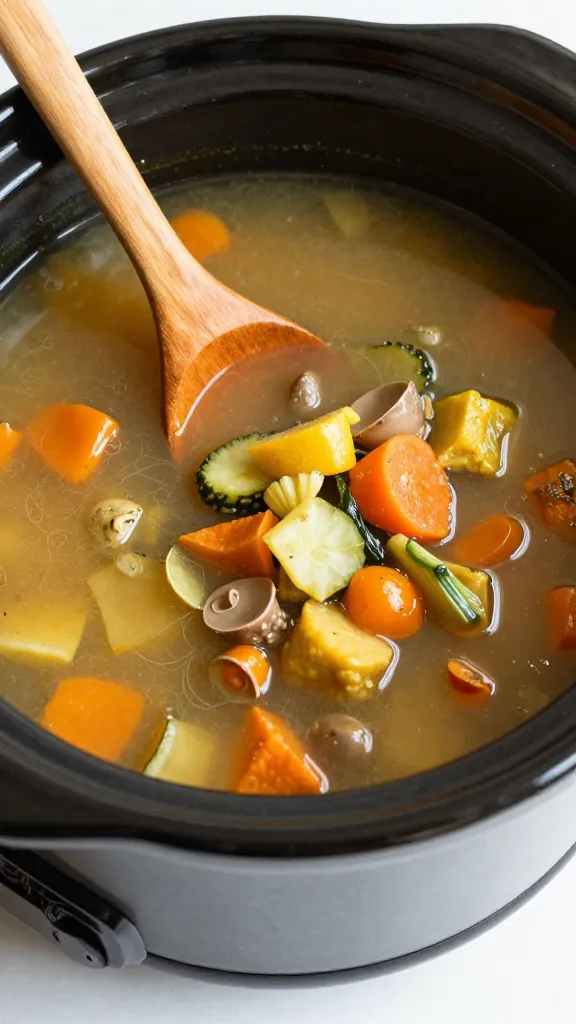
You don’t need a recipe binder. You need a flexible formula and some pantry heroes.
The Leftover-to-Dinner Formula
- Base: Aromatics (onion, garlic, celery, carrot). Saute first if your device allows. If not, toss in dried onion and garlic—no shame.
- Protein: Shredded chicken, pork, beef, rotisserie scraps, sausage, or beans.
- Veg: Roasted veg, wilting greens, corn, potatoes, squash—use what you’ve got.
- Liquid: Broth, crushed tomatoes, coconut milk, or even a jarred sauce plus water.
- Starch (optional): Rice, barley, tortellini, or small pasta. Add pasta in the last hour so it doesn’t mush.
- Flavor boosters: Tomato paste, soy sauce, Worcestershire, chili crisp, pesto, or a splash of apple cider vinegar at the end.
Time and Temp Cheats
- Soup/stew with cooked protein: Low 4–6 hours or High 2–3 hours.
- Raw root veggies + cooked protein: Low 6–8 hours to soften those spuds.
- Shredded meats in sauce: Low 4–6 hours to rehydrate and soak up flavor.
- Pasta or dairy: Stir in during the last 30–60 minutes.
Leftover Remix Ideas You’ll Actually Make
Because examples beat theory.
Rotisserie Chicken → Creamy Wild Rice Soup
Dump in: Onion, carrot, celery, leftover chicken, wild rice blend, thyme, broth.
Cook: Low 6–7 hours.
Finish: Stir in a splash of cream and a squeeze of lemon. Salt to taste. Cozy level: 10/10.
Roast Pork → Maple-Apple Pulled Pork
Dump in: Leftover pork, sliced apples, onion, a little maple syrup, mustard, and cider vinegar.
Cook: Low 4–5 hours.
Serve: On brioche with slaw. Sweet-savory heaven.
Random Veg + Beans → Smoky Autumn Chili
Dump in: Beans, roasted veg, canned tomatoes, chili powder, cumin, smoked paprika, and a square of dark chocolate (trust me).
Cook: Low 6 hours.
Finish: Hot sauce and a dollop of Greek yogurt.
Leftover Turkey → Butternut Curry
Dump in: Cubed butternut squash, onion, garlic, curry paste, coconut milk, leftover turkey.
Cook: Low 5–6 hours.
Serve: Over rice with cilantro and lime. FYI: flawless with naan.
My Picks: Slow Cookers That Nail Leftover Season
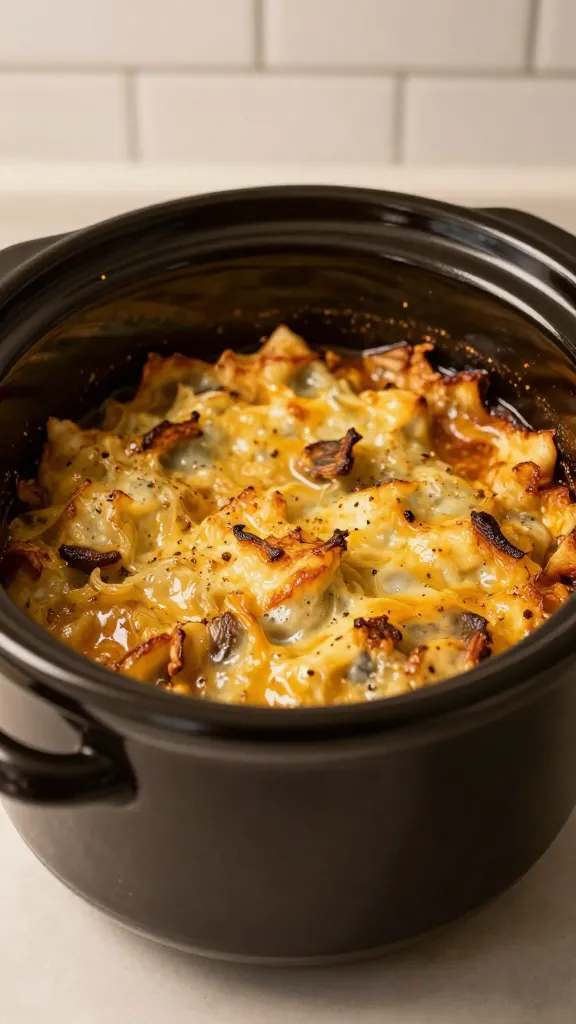
No brand worship here—just what consistently works well.
- 6–7 Qt Programmable Ceramic Slow Cooker: The reliable workhorse. Timer + auto-warm, oval insert, glass lid. Perfect for families or folks who meal prep.
- 5–6 Qt Multi-Cooker with Saute: If you want to brown aromatics or toast spices first, this is your MVP. Great for apartment kitchens.
- 4 Qt Compact Slow Cooker: Ideal for singles, couples, or side dishes. Sweet spot for “just enough” soup without drowning in leftovers of leftovers.
When to Size Up or Down
- Cook for 1–2 people often? Go 3.5–4 quarts to avoid underfilling a big pot.
- Batch cook or host? Choose 6–7 quarts so you can double recipes and stash freezer portions.
Pro Tips for Leftover Alchemy
You can wing it and still crush dinner, but a few habits help you win consistently.
- Layer smart: Hard veggies on the bottom, proteins in the middle, liquids on top.
- Don’t drown it: Add just enough liquid to barely cover solids. You can thin later.
- Salt in stages: Season at the end to avoid oversalting as liquids reduce.
- Add acid: Lemon juice, vinegar, or Worcestershire at the end brightens heavy stews.
- Finish with freshness: Stir in herbs, spinach, or scallions in the last 10 minutes.
- Starch strategy: Cook pasta or rice separately if you want firm texture. IMO, it’s worth the extra dish.
FAQ
Can I put already-cooked meat in the slow cooker without drying it out?
Yes. Nest it in sauce or broth and run on Low for 3–5 hours. Shred larger pieces to expose more surface area so the flavors soak in. Keep the lid on to trap moisture.
How full should I fill my slow cooker?
Aim for 1/2 to 3/4 full. Underfill and you risk scorching; overfill and you’ll get uneven cooking or spills. If you’re short on volume, reduce the cook time slightly and keep an eye on liquid.
Can I reheat leftovers directly in the slow cooker?
You can, but bring everything up to temperature quickly and safely. Use High for the first hour to get it hot, then switch to Warm. If you’re starting with chilled, dense foods, stir once or twice.
What’s the best way to thicken soups or stews at the end?
Use a cornstarch slurry (1 tablespoon cornstarch to 1 tablespoon cold water), stir in, and cook on High for 15–30 minutes. Or mash a few potatoes/beans against the side, or add a handful of instant mashed potatoes—grandma-level hack.
My slow cooker runs hot. How do I avoid mushy veggies?
Cut veggies bigger, add delicate ones (zucchini, peas, spinach) in the last 30 minutes, and use Low instead of High. If you can, place a folded paper towel under the lid edge to reduce condensation drip—just keep it safe and not near the heating element.
Any food safety tips when mixing random leftovers?
Absolutely. Combine leftovers that you chilled within two hours of initial cooking. Reheat to at least 165°F throughout. When in doubt, toss it out—no cozy stew beats a sketchy tummy.
Conclusion
A good slow cooker turns your “what do I even do with this?” drawer into legit fall dinners. Pick a programmable model in the right size, follow the base formula, and finish with a splash of acid and fresh herbs. You’ll save money, cut waste, and eat like you planned a whole menu. And if anyone asks for the recipe, smile and say it’s “family secret”—we’ll never tell.