
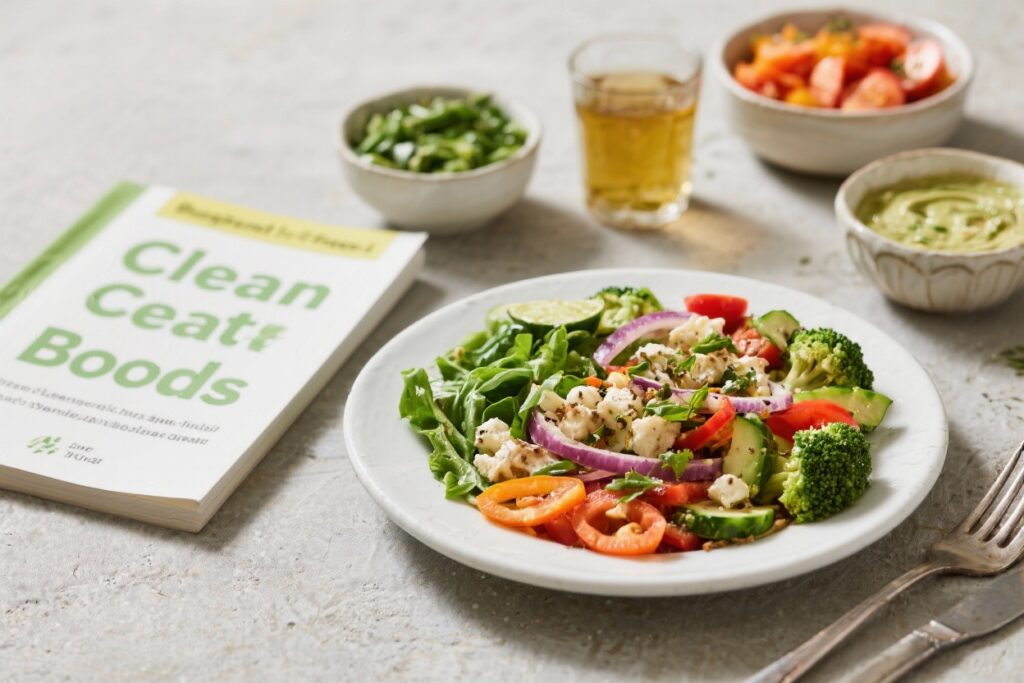
You don’t need a trust fund or a private chef to eat clean. You need a plan, a grocery list, and the courage to skip the snack aisle’s siren songs. This guide shows you how to build fast, delicious, clean meals for less than the cost of one drive-thru combo—no magic powders, no kitchen acrobatics.
You’ll learn the exact ingredients to buy, how to cook them without burning your sanity, and how to stretch every dollar like a pro. Ready to eat better and actually keep your money? Let’s get it.
Why This Recipe Works
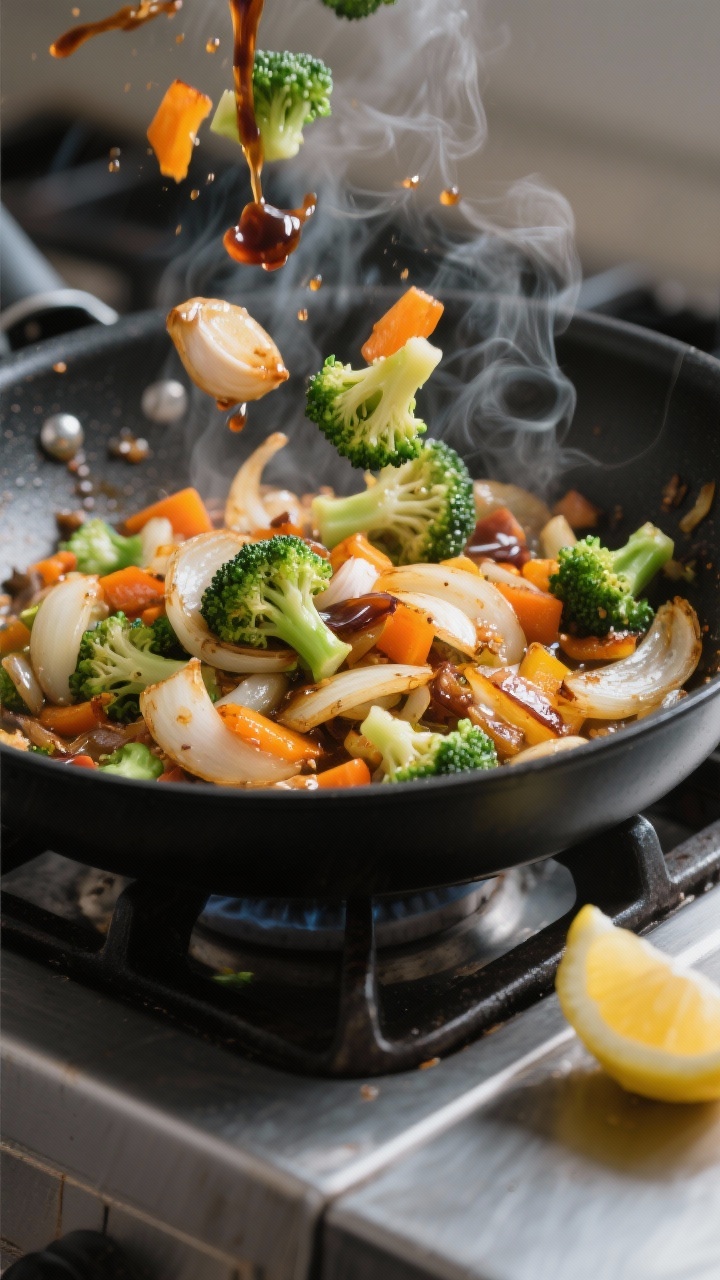
This isn’t a single recipe—it’s a repeatable, mix-and-match system built around cheap, clean staples.
We leverage foods with high nutrient density and low unit cost, so your meals are satisfying and affordable. The method uses simple batch-cooking and seasoning strategies to keep flavor high and waste low. Plus, we emphasize multi-use ingredients so you can turn the same base into multiple meals without feeling like you’re stuck in leftover jail.
What You’ll Need (Ingredients)
Think “clean pantry meets versatile fridge.” These are the building blocks for 4–5 days of meals for one person or 2–3 days for two.
- Whole grains: Brown rice, rolled oats, or quinoa (choose 1–2)
- Beans and legumes: Canned or dry lentils, black beans, chickpeas
- Lean proteins: Eggs, canned tuna or salmon, chicken thighs, or tofu/tempeh
- Vegetables (budget picks): Frozen broccoli, frozen mixed veg, carrots, onions, cabbage, bell peppers (on sale), spinach (fresh or frozen)
- Healthy fats: Olive oil or avocado oil, natural peanut butter or tahini
- Flavor boosters: Garlic, lemon or lime, soy sauce or coconut aminos, canned tomatoes, chili flakes, cumin, paprika, black pepper, salt
- Optional extras: Sweet potatoes, corn tortillas, plain Greek yogurt, feta crumbles, salsa
Pro tip: Buy store brands, shop the sales, and opt for frozen when fresh is pricey.
Frozen produce is often harvested at peak ripeness—and your wallet won’t cry.
Cooking Instructions
- Batch your base grain. Cook 4–6 cups of brown rice or quinoa according to package directions. Fluff and cool. This becomes your backbone for bowls, stir-fries, and wraps.
- Roast your veg. Chop carrots, onions, and cabbage (or use frozen broccoli/mixed veg).
Toss with 1–2 tbsp olive oil, salt, pepper, and paprika. Roast at 425°F (220°C) for 20–30 minutes until caramelized.
- Make a protein two ways. Bake chicken thighs (salt, pepper, cumin) at 400°F (205°C) for 25–30 minutes, then shred. If plant-based, press and cube tofu, toss with soy sauce and paprika, and bake 20–25 minutes until crisp.
- Cook a quick pot of beans or lentils. If canned, drain and rinse.
If dry, simmer lentils in salted water 15–20 minutes until tender. Season with garlic, cumin, and chili flakes.
- Stir-fry a fast mix. Heat 1 tbsp oil, add garlic and onions, then frozen veg. Splash soy sauce and a squeeze of lemon.
Toss in rice and protein for a 10-minute power meal.
- Make a no-cook tuna-chickpea mash. Combine canned tuna, chickpeas, lemon juice, olive oil, salt, and pepper. Add chopped onion and spinach. Great in lettuce wraps or tortillas.
- Build breakfast you’ll actually eat. Oats + water or milk; top with peanut butter and sliced banana.
For savory: scramble eggs with spinach and leftover roasted veg.
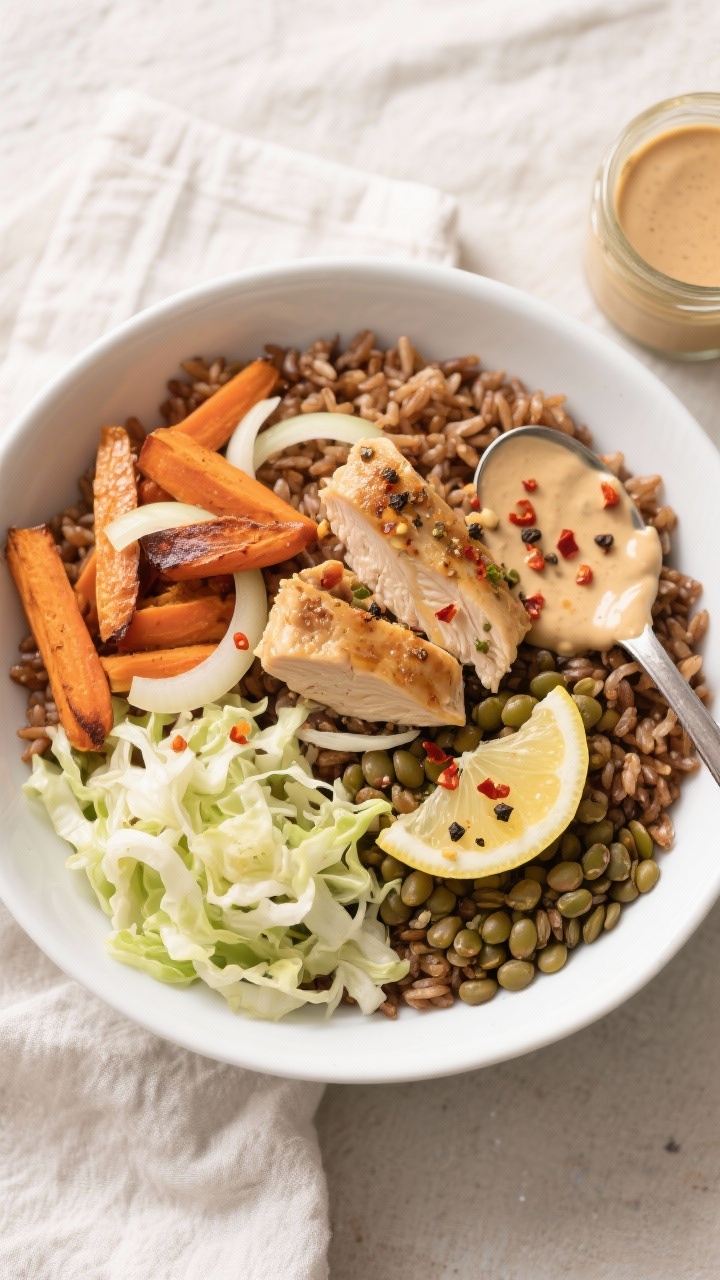
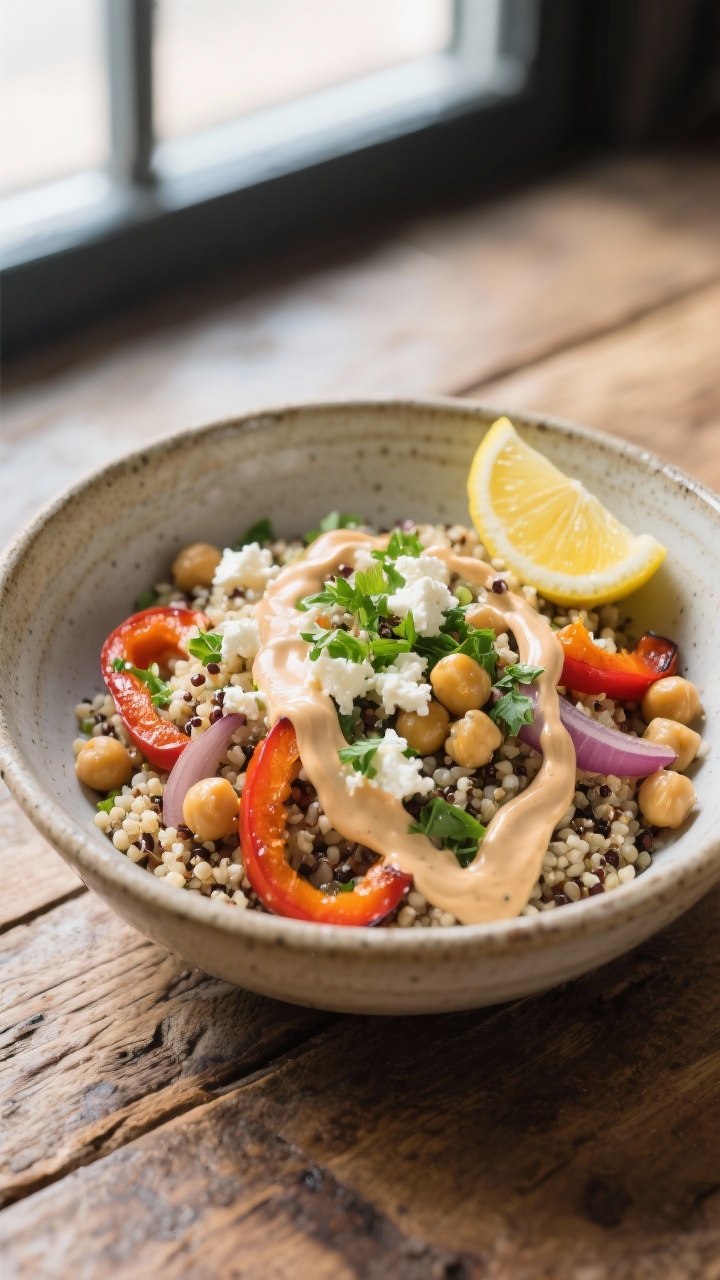
- Assemble bowls. Base of grain + roasted veg + protein + spoon of beans + drizzle of tahini-lemon or yogurt-garlic sauce. Sprinkle chili flakes if you like drama.
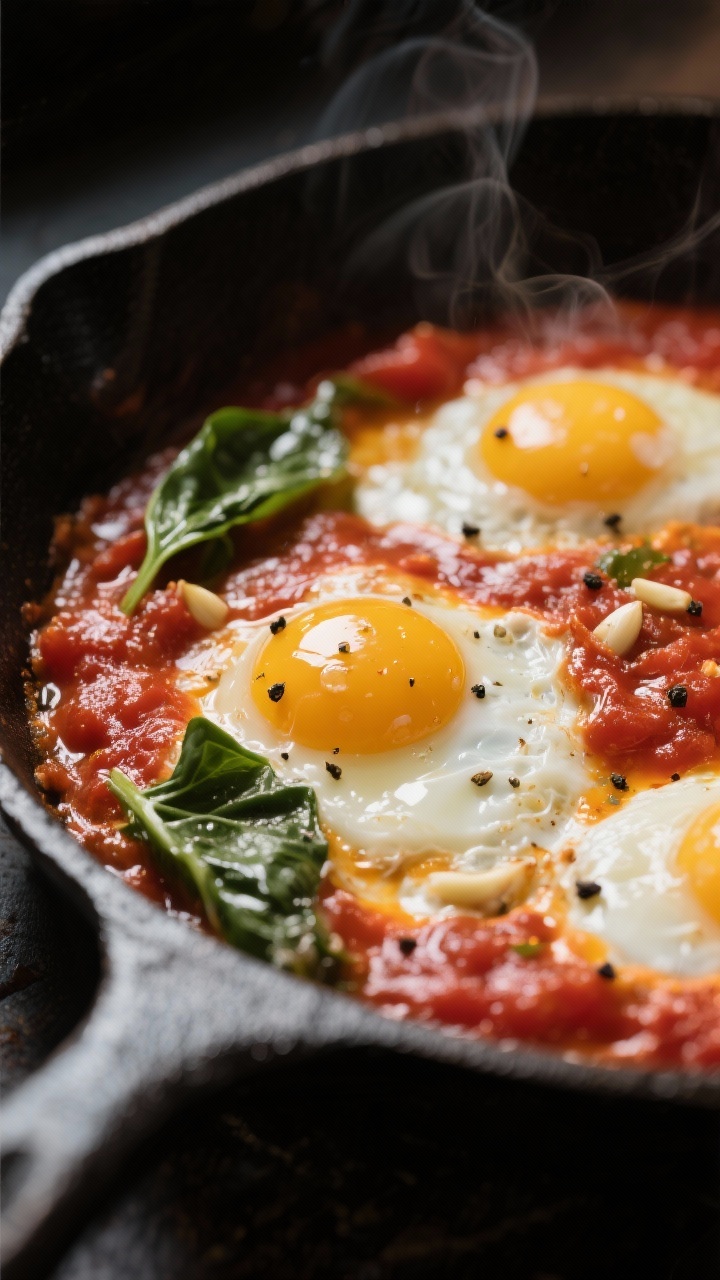
- Make a 5-minute tomato skillet. Sauté garlic in oil, add canned tomatoes, simmer 5 minutes, crack in eggs, cover until set. Serve with rice or tortillas.
- Season smart. Taste as you go.
A squeeze of citrus, a pinch of salt, and a hit of heat can rescue bland food faster than buying fancy sauces.
Storage Tips
- Use clear containers: You eat what you see. Divide grains, proteins, and veg into grab-and-go portions.
- Fridge timeline: Cooked grains and proteins last 3–4 days; roasted veg 3–4 days; lentils/beans 4–5 days.
- Freeze extras: Rice, beans, and cooked chicken/tofu freeze well for up to 2–3 months. Label with date.
Future you will be grateful.
- Keep sauces separate: Store dressings/tahini in small jars to prevent soggy bowls.
- Reheat with moisture: Add a splash of water or broth when microwaving grains to avoid the dreaded dry bite.
Why This is Good for You
- High-fiber carbs: Whole grains and legumes stabilize energy and keep you full, which means fewer snack attacks.
- Lean, clean protein: Eggs, chicken, tuna, and tofu support muscle, recovery, and focus without the price of steakhouse dinners.
- Micronutrient power: Frozen and fresh veggies deliver vitamins, minerals, and antioxidants your body actually recognizes. Shocking, I know.
- Healthy fats: Olive oil, peanut butter, and tahini add flavor and help absorb fat-soluble vitamins. Win-win.
- Steady budget: Buying staples, cooking once, and remixing meals cuts food waste and the “oops, I ordered takeout” moments.
IMO, that’s real wellness.
Avoid These Mistakes
- Buying everything fresh when frozen is cheaper: Frozen veg is cost-effective and nutritious. Don’t gatekeep yourself from savings.
- Skipping seasoning: Clean doesn’t mean bland. Use spices, citrus, and salt strategically.
- Cooking tiny batches: Batch-cook to save time, money, and energy.
Your future weekdays will thank you.
- Letting protein run out: Without protein, you’ll snack more and spend more. Always have eggs, beans, or canned fish on standby.
- Overcomplicating recipes: Keep 5–7 core ingredients and rotate flavors. Complexity is the enemy of consistency.
Variations You Can Try
- Mediterranean Bowl: Quinoa + roasted peppers and onions + chickpeas + lemon-tahini + feta + parsley.
- Tex-Mex Rice: Brown rice + black beans + corn + salsa + shredded chicken + squeeze of lime + chili flakes.
- Asian-Inspired Stir-Fry: Rice + tofu + broccoli + carrots + soy sauce + garlic + ginger (fresh or powdered).
- Breakfast-for-Dinner: Eggs simmered in tomato sauce with spinach; side of toasted tortilla or sweet potato.
- Protein-Packed Oats: Oats cooked in milk + peanut butter + sliced banana + cinnamon.
Yes, it’s dessert-adjacent—no regrets.
FAQ
Is clean eating expensive?
No. It’s expensive if you chase trendy products. Build meals from whole grains, beans, eggs, seasonal or frozen vegetables, and affordable proteins.
Your cart and your body will both feel lighter.
Do I need organic everything?
Not necessary. Prioritize budget and volume. If you want to be selective, choose organic for thin-skinned produce when prices are close, but don’t let labels block progress.
How do I hit enough protein without overspending?
Eggs, chicken thighs, canned tuna, Greek yogurt, lentils, and tofu are budget MVPs.
Combine sources across the day and you’ll hit targets without buying pricey powders (FYI, powders are optional, not mandatory).
What if I’m short on time?
Batch-cook twice a week. Use frozen vegetables, pre-washed greens, and canned beans. One pan, one pot, one bowl—keep dishes minimal and momentum high.
How do I keep it from getting boring?
Rotate seasonings and sauces: lemon-tahini, yogurt-garlic, salsa-lime, or soy-ginger.
Same base, different vibe. Your palate won’t riot.
Can kids eat this?
Absolutely. Keep spices mild, add fruit on the side, and let them assemble their own bowls.
Autonomy makes them more likely to eat the good stuff.
What’s a realistic weekly budget?
Varies by location, but many can hit $35–$55 per person using store brands, frozen produce, and strategic sales. Track one week—you’ll likely surprise yourself.
In Conclusion
Clean eating on a budget is not a fantasy; it’s a system. Stock smart staples, batch-cook, season boldly, and remix your meals.
You’ll spend less, eat better, and feel more in control—without sacrificing flavor or sanity. Start with one grain, one protein, and two veggies this week. That’s momentum, and momentum beats motivation every time.
Printable Recipe Card
Want just the essential recipe details without scrolling through the article? Get our printable recipe card with just the ingredients and instructions.