
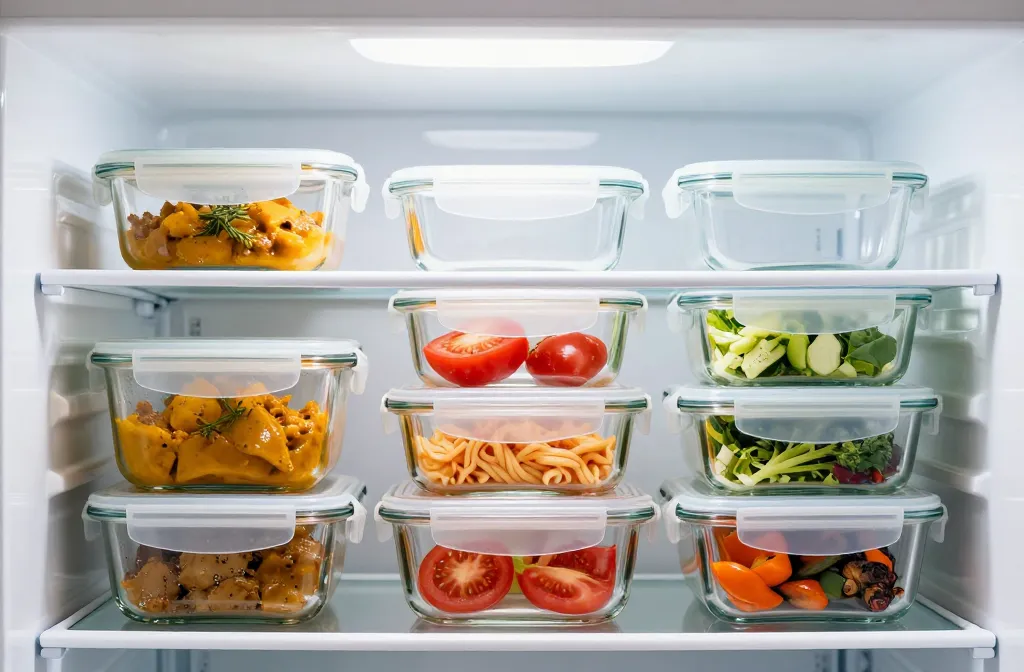
Leftovers deserve a better life than a soggy paper box and a prayer. If you’ve ever opened the fridge to find last night’s pad thai fused to the lid, you know the struggle. The right container keeps food fresher, reheats evenly, and saves you from mysterious fridge odors. Let’s match your leftovers with containers that actually do the job.
Glass vs. Plastic: The Eternal Fridge War

You’ll never go wrong with borosilicate glass for leftovers. It handles heat like a champ, resists stains, and doesn’t absorb smells. You can bake, microwave, and store in the same dish without stress. Plus, you can see what’s inside at a glance—less chance of “surprise science experiment.”
Plastic still has a place, IMO. It’s lighter, cheaper, and great for dry snacks or lunches on the go. But not all plastic is equal. Look for BPA-free and microwave-safe labels. And skip microwaving tomato sauce in plastic unless you love orange stains forever.
When to choose glass
- Leftovers you’ll reheat often (soups, casseroles, pasta).
- Aromatic foods (curries, garlic-heavy dishes).
- Anything saucy or acidic (tomatoes laugh at plastic).
When to choose plastic
- On-the-go lunches or snacks.
- Freezer meal prep if weight matters.
- Dry ingredients or quick fridge storage.
Lids Matter More Than You Think

A great container with a sad lid equals leaks, spills, and tears. I’m a fan of snap-lock lids with silicone gaskets. They create a tight seal, keep odors out, and stop spill disasters in your bag. Twist-top lids work well too, especially for soups and dressings.
FYI, cheap lids warp in the dishwasher. If you hate playing “does this lid fit that container,” buy a set with interchangeable lids. Your future self will thank you when you’re not building a Tupperware Jenga tower.
Signs of a high-quality lid
- Silicone gasket you can remove and clean.
- Multiple snap locks (at least two, ideally four).
- Sturdy hinge that doesn’t feel flimsy.
- Clear labeling for microwave and dishwasher safety.
Best Containers by Food Type

Not every leftover wants the same home. Match the container to the food and you’ll keep things fresher longer (and reheat without weird textures).
Soups, stews, and sauces
- Glass or stainless steel with tight lids for no-leak security.
- Leave headspace for expansion if you plan to freeze.
- Use round containers for easier stirring and reheating.
Salads and produce
- Use vented produce containers or ones with a raised grid to keep moisture off greens.
- Store dressing separately in a tiny leak-proof jar. Your croutons will live longer.
Pizza, flatbreads, and baked goods
- Shallow, wide glass works best to avoid sogginess.
- Layer slices with parchment if you stack them.
Rice, grains, and pasta
- Go for glass with room to stir in water when reheating (prevents dryness).
- Starchy foods stick less to glass vs. plastic.
Smelly or spicy meals
- Always glass. It contains odors and resists staining.
- Add a baking soda sachet in the fridge if you’re storing a full-on garlic bomb. Optional, but considerate.
Microwave, Freezer, Dishwasher: Choose for Real Life

We don’t live in a showroom kitchen. We nuke things, we freeze things, we forget things. Pick containers that can survive.
Microwave must-haves
- Microwave-safe label is non-negotiable.
- Loosen lids or use vented lids to avoid steam geysers.
- Glass heats evenly; plastic can create hot spots. Stir mid-way.
Freezer rules
- Use freezer-safe containers only to prevent cracking.
- Leave expansion space for liquids.
- Avoid super large containers; smaller portions thaw faster and taste better.
Dishwasher durability
- Top rack for plastic lids to avoid warping.
- Glass can go bottom rack, but check manufacturer notes.
- Remove and clean silicone gaskets periodically—gunk hides there.
Space-Saving and Organization Tips
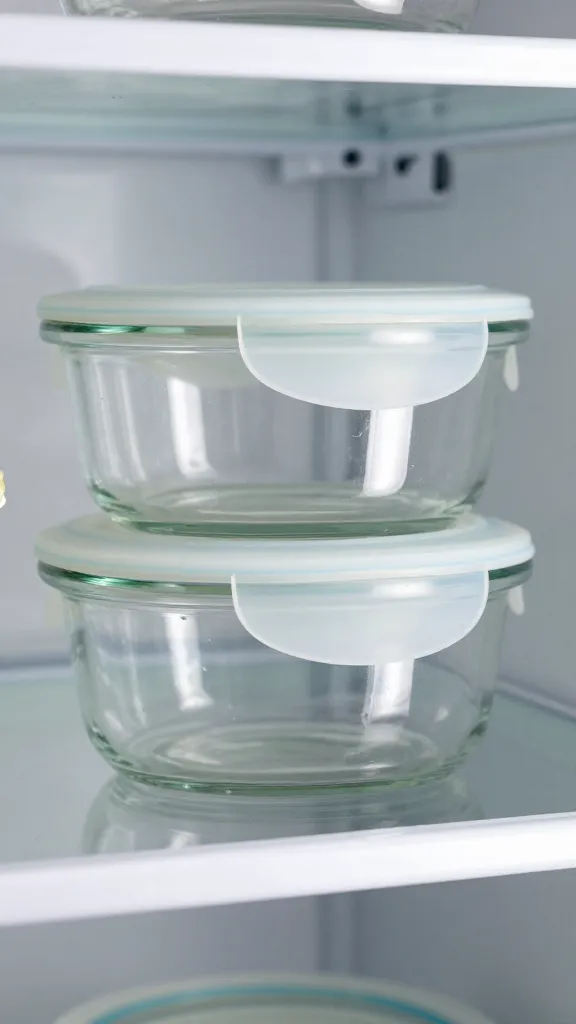
No one enjoys a cabinet avalanche. Stackable sets and a little discipline change everything. Choose nesting containers and keep lids vertical in a bin like little dinner plates. It looks organized and actually stays that way.
Label like a pro
- Use dissolvable labels or painter’s tape with a date and name.
- First in, first out: put older leftovers in front.
- Freeze flat in zipper freezer bags for broths, then file them upright in a bin. Space magic.
Materials Breakdown: Pros and Cons
Short and sweet so you can pick fast.
- Glass (borosilicate): Oven- and microwave-safe, non-porous, heavy, pricier. Top choice for most leftovers.
- Plastic (PP, Tritan): Lightweight, affordable, can stain/hold odors, not oven-safe. Good for lunch packing.
- Stainless steel: Durable, odor-resistant, not microwaveable. Great for travel and outdoor meals.
- Silicone: Flexible, good for freezing and baking, can feel floppy. Awesome for portioned sauces or muffins.
- Mason jars: Budget-friendly, glass, great for soups and salads. Watch for non-shock-resistant glass and headspace in freezer.
Sets I Actually Recommend (and Why)
I don’t worship brands, but some sets nail the basics. Look for:
- Mixed sizes (1–6 cups) so you’re not storing one meatball in a casserole dish.
- Uniform lids across sizes to reduce chaos.
- Clear walls so you can spot that lasagna without opening everything.
IMO, a glass snap-lock set with silicone gaskets covers 80% of needs. Add a couple stainless steel containers for travel and a handful of silicone cups for sauces or snacks. Done.
FAQ
Can I put hot food directly into the container?
Yes, but let it cool slightly first to avoid steam build-up and condensation. For glass, avoid extreme thermal shock—don’t go from oven-hot to freezer-cold instantly. A 10–15 minute cool-down keeps textures better anyway.
Are plastic containers safe for reheating?
Use microwave-safe, BPA-free plastic and avoid high-fat or super-acidic foods if you reheat often. If you microwave leftovers daily, switch to glass for the heavy lifting. Your container (and your sauce) will age more gracefully.
How do I stop stains and smells?
Store red sauces and curries in glass. For plastic, lightly oil the interior first as a barrier, or line with parchment. To de-stink, soak with baking soda and warm water; sun-drying helps too. Old stained plastic? Retire it to non-food duty.
What size containers should I buy?
For a couple or small household: two 1-cup, four 2–3 cup, and two 5–6 cup containers cover most meals. Batch cookers might add more 3-cup and a few freezer-friendly quart containers. You’ll use mediums the most—buy extras.
Are mason jars safe for freezing soup?
Yes, with caveats. Use straight-sided, freezer-safe jars, leave at least an inch of headspace, and cool before freezing. Angle them in the freezer so expansion pushes up, not out. And don’t screw the lid super tight until fully frozen.
Do vented lids actually help in the microwave?
Absolutely. They release steam and reduce splatters, so food heats more evenly. If your lid doesn’t vent, just offset it slightly. Your microwave will thank you for the reduced Jackson Pollock situation.
Conclusion
Leftovers taste better when you store them smart. Choose glass for reheating and saucy meals, plastic for portability, and tight, gasketed lids for everything. Match the container to the food, label and stack like a pro, and your fridge stops being a graveyard and starts being a buffet. FYI: the best container is the one you’ll actually use—so pick a set you like and put it to work tonight.