
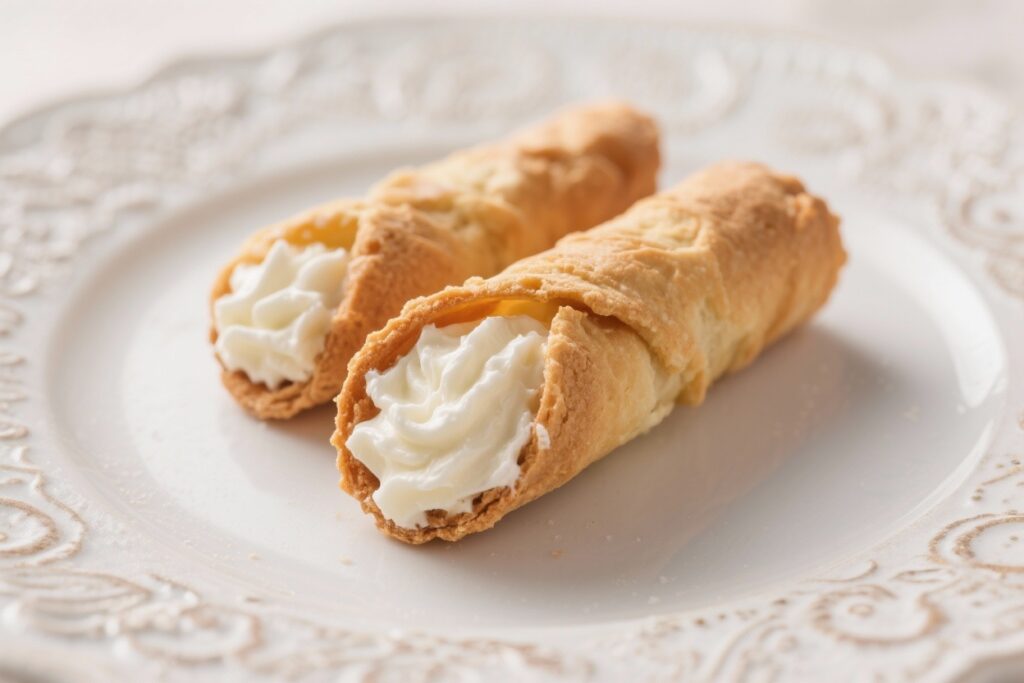
Picture this: a shatter-crisp shell, a silky ricotta cloud inside, and just enough citrus to make your taste buds do a double take. That’s not dessert; that’s strategy—because once you master cannoli, you become “that friend” everyone begs to bring dessert. No mixers the size of a Fiat, no grandparent needed on speed dial—just real techniques, smart shortcuts, and ingredients that matter.
If you’ve ever suffered a soggy, bland cannolo, consider this your redemption arc. Ready to make the kind of Italian pastry that gets quiet at the table? Good.
What Makes This Special
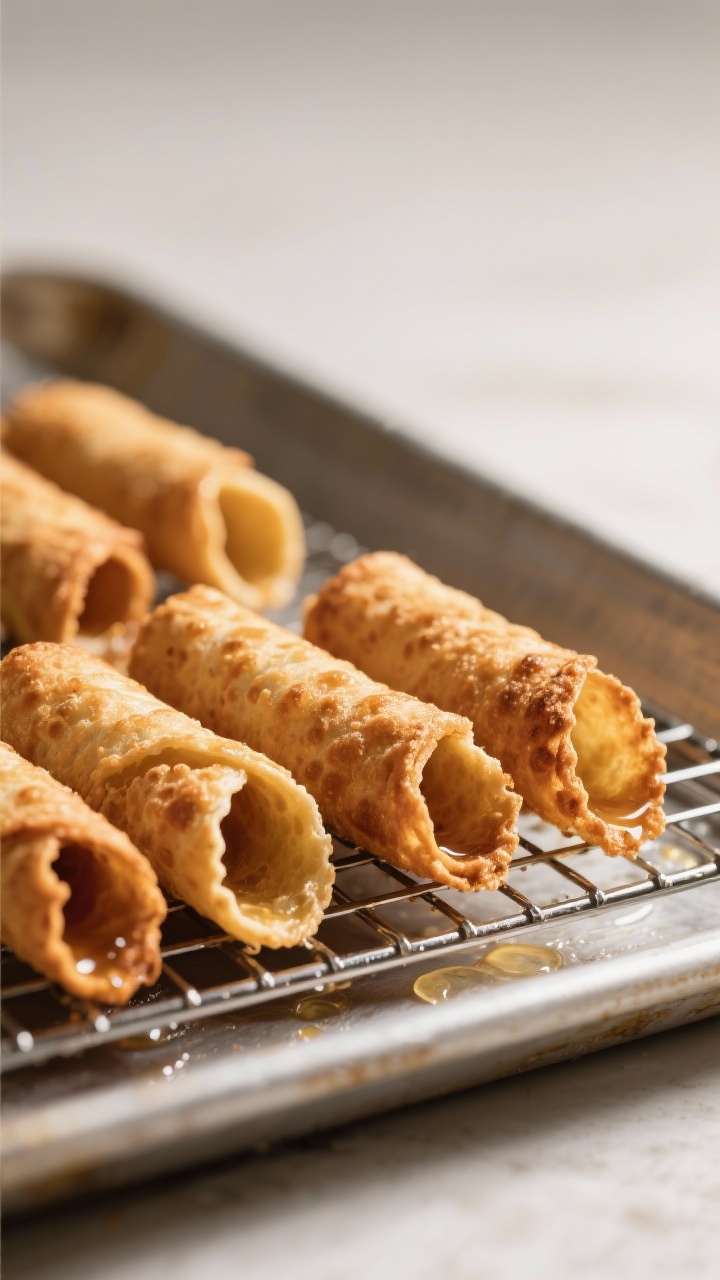
True Sicilian texture: A wafer-thin shell that crackles, filled with whipped ricotta that’s plush, not runny.
No cardboard tubes here.
Ricotta done right: We drain it thoroughly and sweeten just enough. The result: creamy but not cloying, with bright citrus and vanilla.
Classic technique, approachable steps: You’ll learn the trick to bubble-blistered shells and a filling that won’t weep. FYI, it’s simpler than it looks.
Authenticity with flexibility: Marsala wine in the dough?
Yes, please. But there are solid swaps if your pantry isn’t Italian-nonna approved.
Shopping List – Ingredients
- For the shells:
- 2 cups (250 g) all-purpose flour
- 2 tbsp granulated sugar
- 1/2 tsp fine sea salt
- 2 tbsp unsalted butter, cold and diced
- 1 large egg
- 1/2 cup (120 ml) Marsala wine (or dry white wine with 1 tsp brandy)
- 1 tbsp white vinegar (helps crispness)
- Oil for frying (peanut or neutral, enough for 2–3 inches in pot)
- 1 egg white (for sealing shells)
- For the creamy filling:
- 2 cups (450 g) whole-milk ricotta, well-drained
- 3/4 cup (90 g) powdered sugar, sifted (adjust to taste)
- 1 tsp pure vanilla extract
- 1/2 tsp cinnamon (optional but classic)
- Zest of 1 orange (or 1/2 orange + 1/2 lemon for brightness)
- 1/3 cup (60 g) mini chocolate chips or chopped dark chocolate
- For finishing:
- Confectioners’ sugar for dusting
- Chopped pistachios or candied orange peel (optional)
Instructions
- Drain the ricotta like you mean it: Place ricotta in a fine-mesh sieve lined with cheesecloth over a bowl. Refrigerate at least 2–4 hours (overnight is ideal).
Press gently to remove excess whey. Dry ricotta = creamy, stable filling.
- Make the dough: In a bowl, whisk flour, sugar, and salt. Cut in cold butter with fingers until sandy.
Add egg, Marsala, and vinegar. Mix until shaggy, then knead 3–5 minutes until smooth and elastic. If dry, add 1 tsp wine at a time; if sticky, dust with flour.
- Rest the dough: Wrap and rest 30–45 minutes at room temp.
This relaxes gluten so you can roll it paper-thin without inventing new swear words.
- Prep the filling: Beat drained ricotta with powdered sugar until smooth and fluffy, about 1–2 minutes. Mix in vanilla, cinnamon, and citrus zest. Fold in chocolate.
Refrigerate until needed. Pro move: pipe just before serving.
- Roll the dough thin: Divide dough in half. Using a pasta machine or rolling pin, roll to 1 mm (very thin).
Cut into 4-inch (10 cm) circles or 4×4-inch squares. Thin dough = blistered, crisp shells.
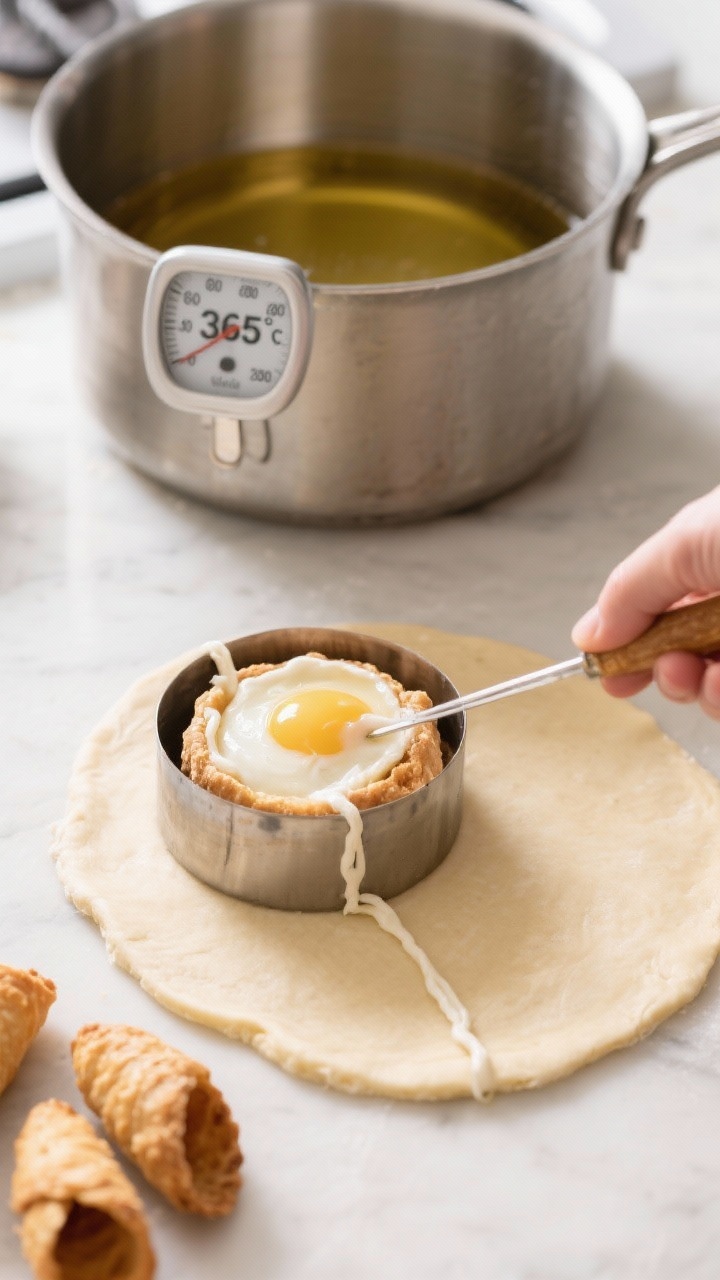
- Wrap on cannoli forms: Lightly brush one edge with egg white, wrap around metal cannoli tube, and press to seal. Don’t overlap too much—thin seam only.
- Heat the oil: In a heavy pot, heat oil to 360–370°F (182–188°C).
Keep a thermometer handy; temperature control is everything.
- Fry in batches: Fry 1–3 shells at a time for 60–90 seconds, turning for even blistering. They should become golden with tiny bubbles. Remove, drain on a rack, and slide tubes out while warm (use tongs; not a hero move).
- Cool completely: Let shells cool fully so the filling won’t steam them soggy.
Store in an airtight container lined with paper towels if not filling immediately.
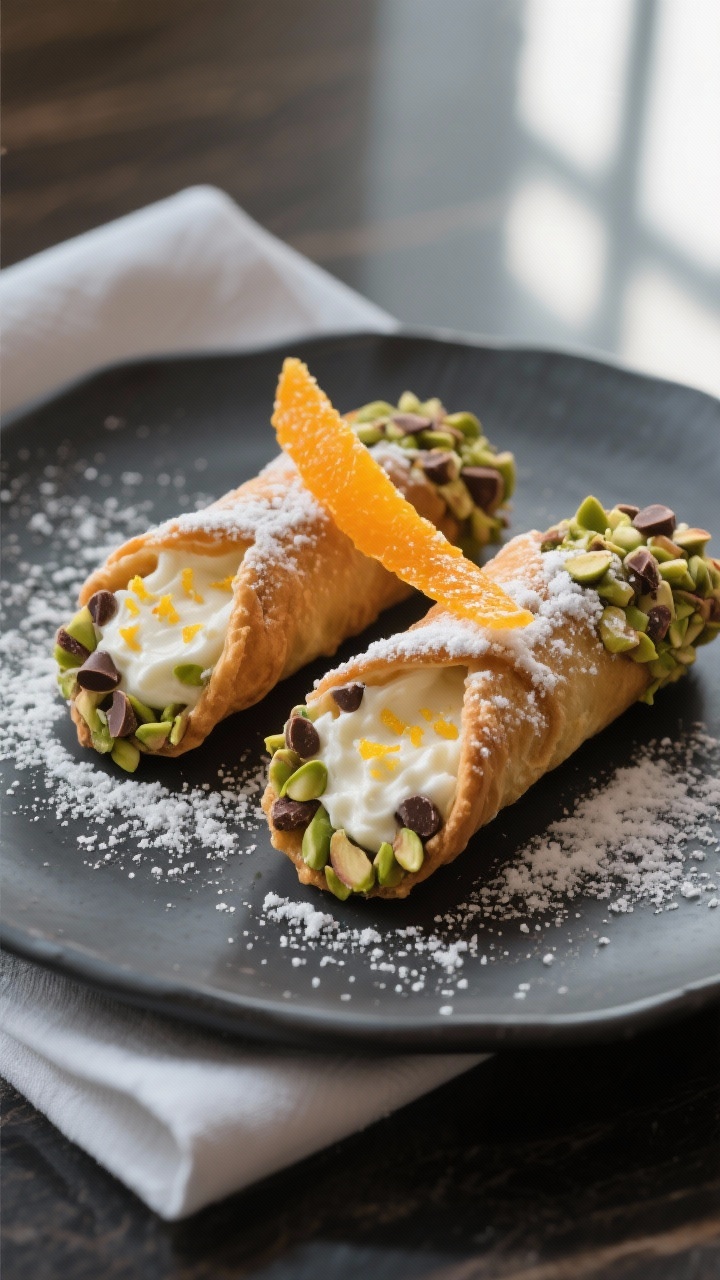
- Fill before serving: Pipe ricotta into both ends of each shell. Sprinkle ends with pistachios or mini chips if you like. Dust with confectioners’ sugar.
Serve within 30 minutes for maximum crunch.
Storage Instructions
- Shells: Store unfilled shells in an airtight container at room temp for up to 4–5 days. Re-crisp in a 300°F (150°C) oven for 5 minutes if needed.
- Filling: Refrigerate in a sealed container up to 3 days. Stir before piping.
Do not freeze—texture suffers.
- Filled cannoli: Best within 30–60 minutes. If you must hold them, keep filled cannoli uncovered in the fridge for up to 4 hours. Expect some softening.
Benefits of This Recipe
- Restaurant-quality texture: Thin, blistered shells and a stable, mousse-like filling.
Your group chat won’t stop.
- Pantry-friendly method: Uses common ingredients plus Marsala for authentic aroma. No exotic equipment besides simple tubes.
- Scalable: Double the dough and freeze rolled, uncooked disks between parchment. Fry from chilled for parties.
- Balanced sweetness: Citrus and vanilla keep it elegant, not sugar-shock sweet.
You’ll want seconds—dangerous, but worth it.
Common Mistakes to Avoid
- Skipping the ricotta drain: Un-drained ricotta = soupy filling that leaks and ruins shells. Don’t do this to yourself.
- Thick dough: If your shells are thick, they’ll be bready, not crisp. Roll to almost translucent.
- Wrong oil temperature: Too cool and shells absorb oil; too hot and they scorch.
Aim for 360–370°F and adjust as you fry.
- Filling too early: Moisture is the enemy. Pipe close to serving time for that signature crunch.
- Over-sweetening: Powdered sugar is powerful. Taste as you go; let the ricotta and citrus shine, IMO.
Mix It Up
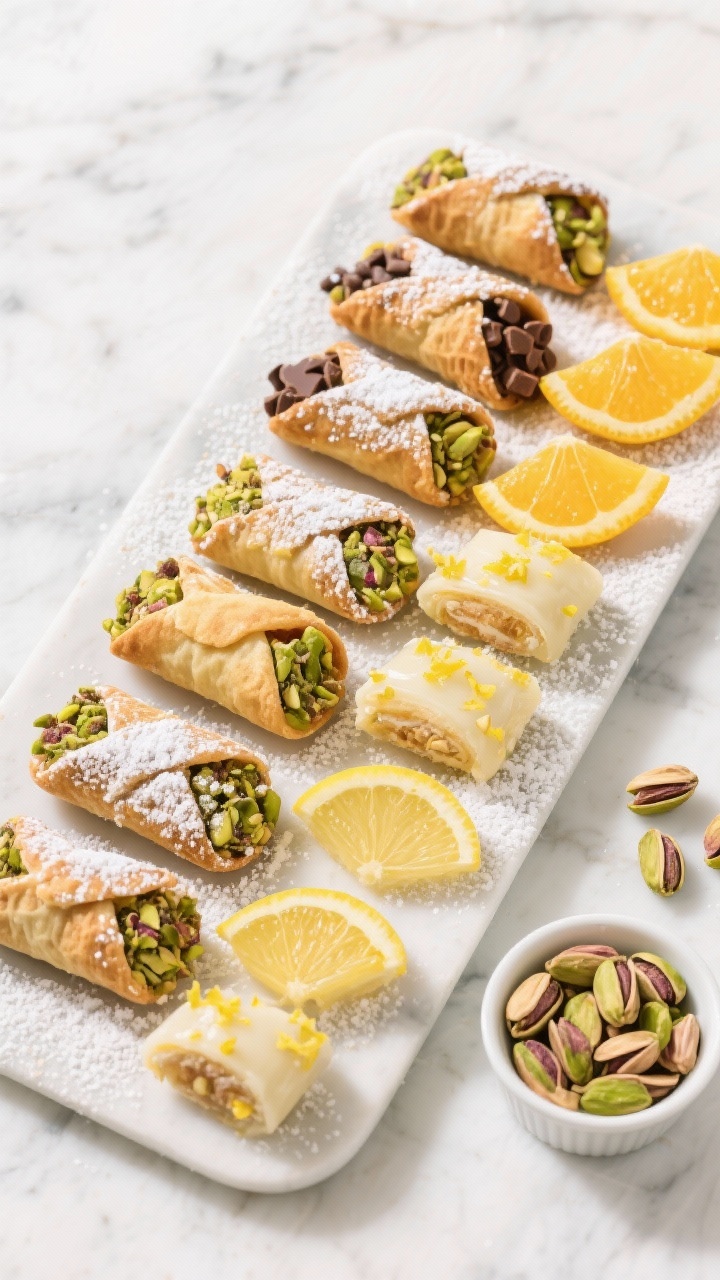
- Classic Sicilian garnish: Dip ends in chopped pistachios and top with a sliver of candied orange peel.
It’s traditional and gorgeous.
- Coffee-kissed: Add 1 tsp espresso powder to the filling and swap vanilla for coffee liqueur. Adults at the table will notice.
- Almond twist: Add 1/2 tsp almond extract and fold in toasted slivered almonds instead of chocolate chips.
- Chocolate shells: Add 1–2 tbsp cocoa powder to the dough and a splash more wine to balance moisture.
- Citrus-forward: Use lemon zest plus a few candied lemon bits for brightness that cuts rich meals like a pro.
FAQ
Can I bake cannoli shells instead of frying?
You can, but you won’t get the same blistered, shatter-crisp shell. If you must, brush wrapped shells lightly with oil and bake at 400°F (205°C) until golden, about 10–12 minutes.
Still tasty, just different.
What if I can’t find Marsala?
Use dry white wine plus 1 teaspoon brandy or rum. The goal is flavor and tenderizing. Worst case: water with 1 teaspoon vinegar—but the aroma won’t be as complex.
My filling is grainy—why?
Some ricotta brands are coarser.
Push through a fine sieve before sweetening, and ensure it’s well-drained. Over-mixing with granulated sugar can also cause graininess—stick to powdered sugar.
Do I need cannoli tubes?
They help a ton. In a pinch, wrap dough around oiled wooden dowels or form loose cylinders from heavy-duty foil.
Not perfect, but workable.
Can I make them gluten-free?
Use a 1:1 gluten-free all-purpose flour blend with xanthan gum. The shells may be slightly more fragile; roll carefully and fry a touch cooler (350°F/175°C) to prevent cracking.
What ricotta is best?
Whole-milk, high-quality ricotta with minimal stabilizers. If you can find fresh ricotta from a deli, even better.
Just drain it thoroughly.
How do I get big bubbles on the shells?
Roll the dough very thin, rest it properly, and keep the oil at the right temperature. A touch of vinegar in the dough also encourages blistering.
Can I flavor the filling with liqueur?
Yes—1 to 2 teaspoons of Grand Marnier, amaretto, or rum is lovely. Don’t add too much or it will loosen the filling and overpower the ricotta.
The Bottom Line
Authentic Cannoli Siciliani with Creamy Filling isn’t about shortcuts—it’s about the right ones.
Drain the ricotta, roll the dough thin, and fill at the last second. Do that, and you’ll serve the kind of cannoli that silence a room. Simple techniques, big payoff.
Now go make your dessert reputation bulletproof.
Printable Recipe Card
Want just the essential recipe details without scrolling through the article? Get our printable recipe card with just the ingredients and instructions.