
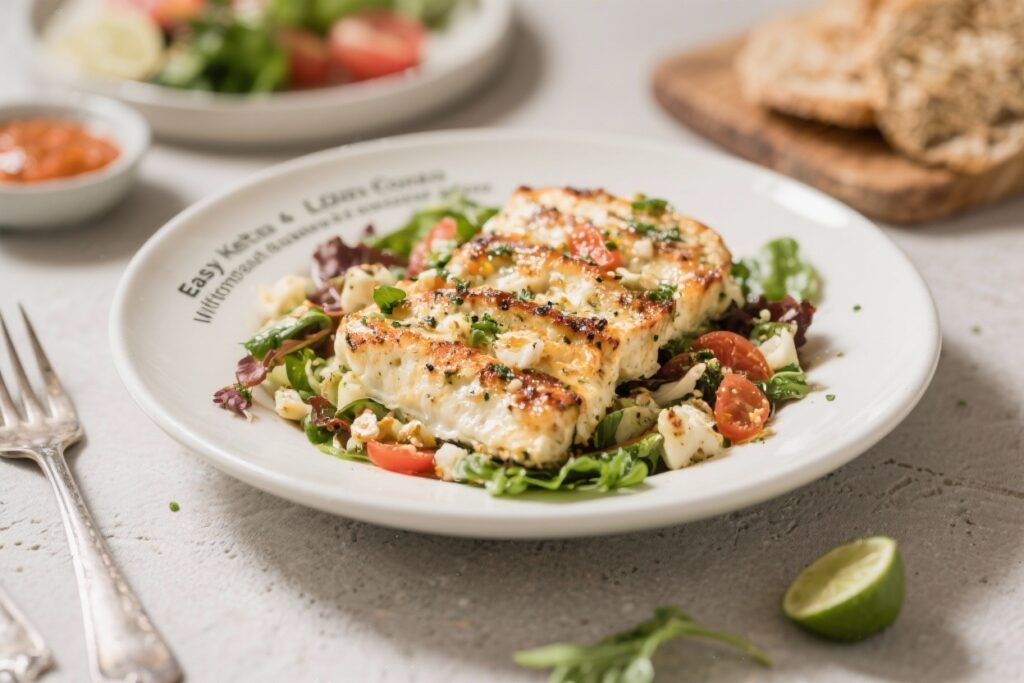
You want the results without the sugar crash, the bloating, or the food guilt. Good. Because this is the kind of recipe lineup that makes your taste buds think they’re cheating while your macros stay clean.
We’re talking high-flavor, low-carb, no added sugar—zero compromises. If you’re busy, hungry, and want something simple that actually tastes elite, keep reading. These recipes are built for real life, not a Pinterest fantasy.
What Makes This Recipe Awesome
No added sugar, no drama: Every recipe is naturally low-carb and sweetener-optional.
You won’t need monk fruit or stevia unless you want them.
Fast and foolproof: Most steps are one-pan or sheet-pan friendly. Minimal cleanup, maximum flavor. Your future self will thank you.
Protein-forward and satisfying: Built to keep you full with healthy fats and smart protein, not sneaky carbs.
Flexible AF: Swap proteins, tweak veg, add spice.
These aren’t rigid—think templates you can remix every week.
Ingredients
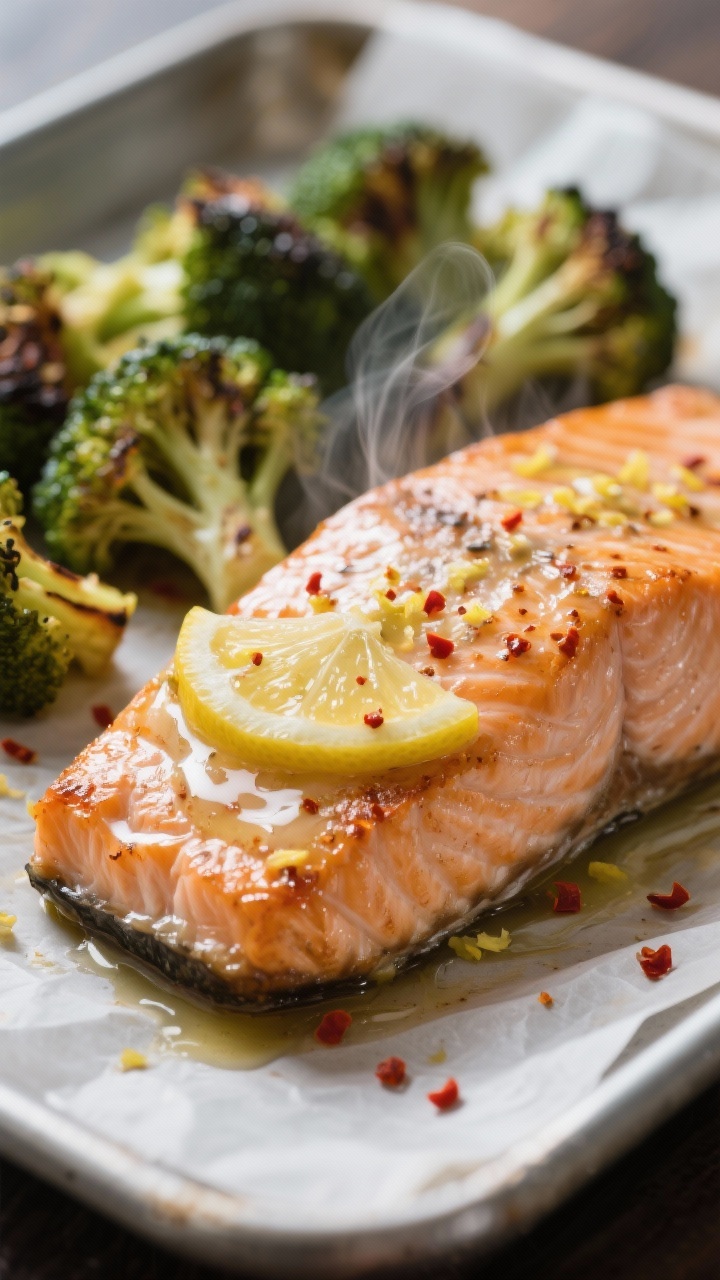
For the Garlicky Lemon Butter Salmon & Broccoli (serves 4)
- 4 salmon fillets (5–6 oz each), skin-on
- 4 cups broccoli florets
- 3 tbsp butter (or ghee)
- 2 tbsp olive oil
- 4 cloves garlic, minced
- 1 lemon (zest + juice)
- 1 tsp smoked paprika
- Salt and black pepper to taste
- Red pepper flakes (optional)
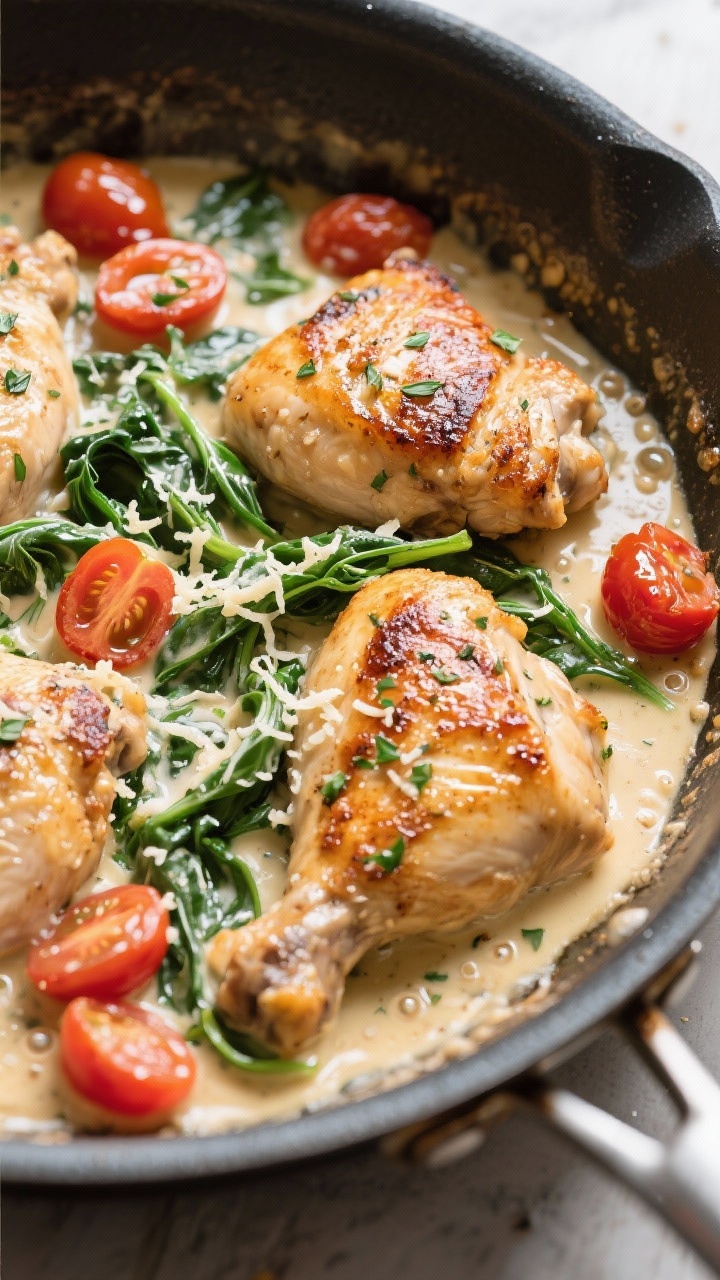
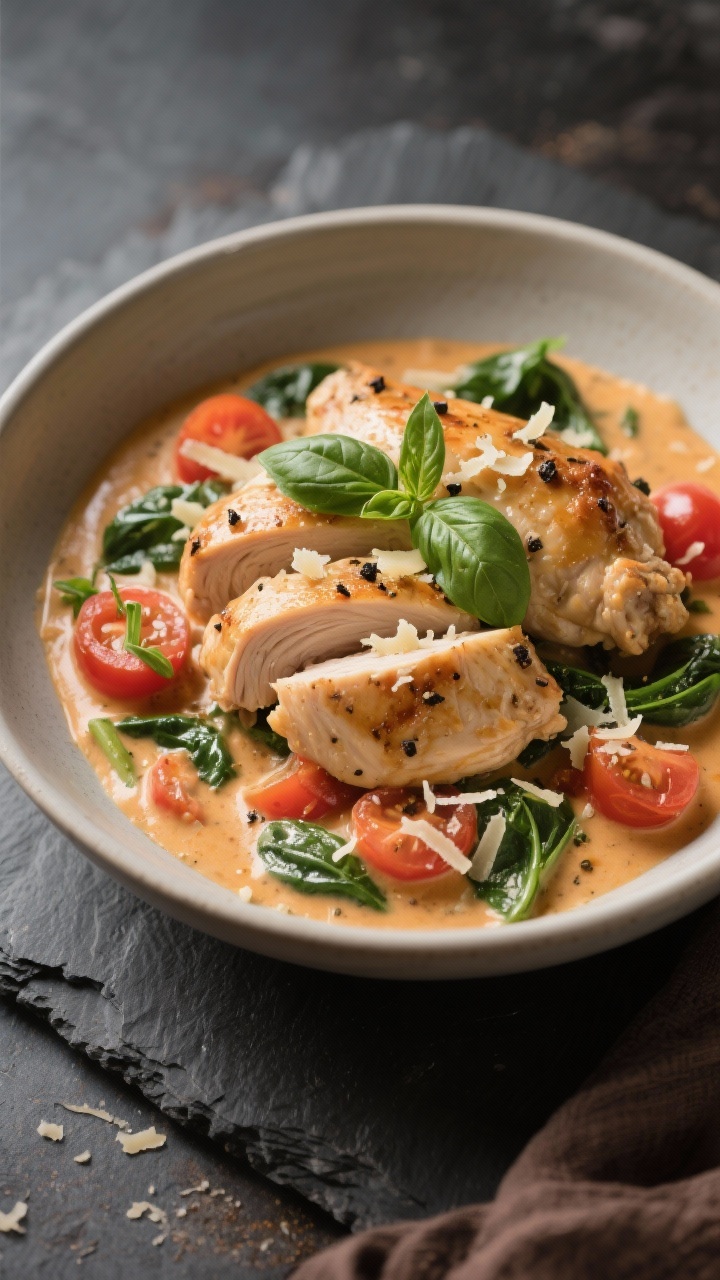
For the Creamy Tuscan Chicken Skillet (serves 4)
- 4 boneless, skinless chicken thighs
- 2 tbsp olive oil
- 3 cloves garlic, minced
- 1/2 cup chicken broth
- 3/4 cup heavy cream (or coconut cream for dairy-free)
- 1/3 cup grated Parmesan (omit for dairy-free)
- 1 cup cherry tomatoes, halved
- 2 cups baby spinach
- 1 tsp Italian seasoning
- Salt and pepper to taste
For the Crunchy Avocado Cucumber Salad (serves 4)
- 2 large cucumbers, diced
- 2 ripe avocados, diced
- 1/4 red onion, thinly sliced
- 2 tbsp fresh dill or cilantro, chopped
- 3 tbsp olive oil
- 2 tbsp lime juice
- 1 tsp Dijon mustard
- Salt and pepper to taste
Let’s Get Cooking – Instructions
- Prep like a pro: Preheat the oven to 425°F (220°C). Line a sheet pan with parchment for the salmon. Salt and pepper both sides of the salmon.
Toss broccoli with 1 tbsp olive oil, salt, pepper, and a pinch of paprika.
- Sheet-pan salmon magic: Arrange salmon and broccoli on the sheet pan. Melt butter with remaining olive oil in a small pan, then add garlic, lemon zest, and a squeeze of lemon juice. Spoon over salmon.
Sprinkle red pepper flakes if you like chaos. Roast 12–14 minutes until salmon flakes and broccoli edges char slightly.
- Tuscan chicken time: Heat 2 tbsp olive oil in a large skillet over medium-high. Season chicken with salt, pepper, and Italian seasoning.
Sear 4–5 minutes per side until golden. Remove to a plate.
- Make the sauce: In the same skillet, add garlic for 30 seconds. Pour in chicken broth to deglaze, scraping the tasty bits.
Stir in heavy cream and Parmesan. Simmer 2–3 minutes until slightly thick.
- Finish it: Add tomatoes and spinach; cook until spinach wilts. Return chicken to the pan, simmer 3–5 minutes until cooked through and sauce coats the chicken like a velvet jacket.
- Salad for crunch: Whisk olive oil, lime juice, Dijon, salt, and pepper.
Toss with cucumbers, avocado, onion, and herbs. Keep avocado chunks big—no guac today.
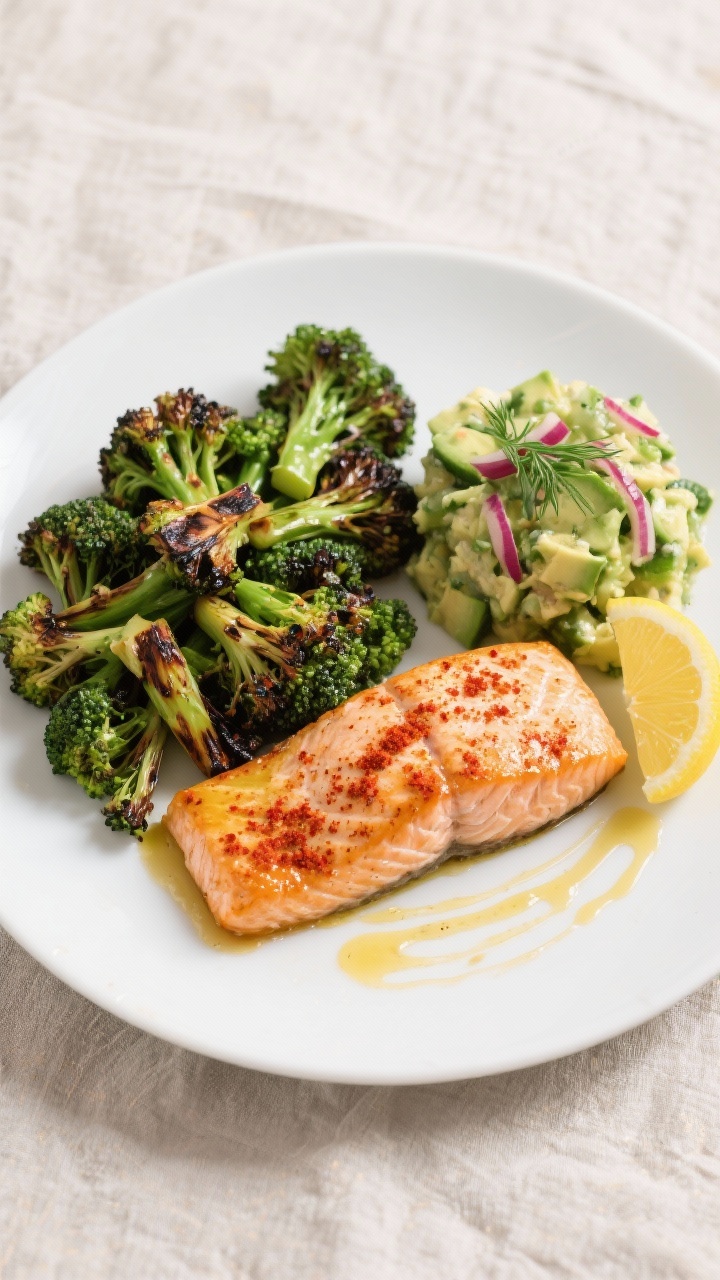
- Plate it smart: Serve salmon with charred broccoli, spoon Tuscan chicken with extra sauce, and add a generous scoop of the salad. If you’re macro-minded, prioritize protein first, then veg, then the creamy sauce.
Keeping It Fresh
- Storage: Keep salmon and chicken in separate airtight containers for up to 3 days.
Salad lasts 24 hours—add avocado right before serving to keep it pretty.
- Reheat like you care: Salmon and chicken reheat best on low heat: 300°F (150°C) oven for 8–10 minutes or a covered skillet over low. Avoid the microwave unless you enjoy rubber textures.
- Freezer tips: Freeze cooked chicken thighs (without spinach) up to 2 months. Add fresh spinach when reheating.
Salmon is best fresh; if freezing, undercook by 1–2 minutes.
Why This is Good for You
- Blood sugar stability: No added sugar means fewer spikes and crashes. Your energy stays smooth, not rollercoaster.
- High satiety: Protein from salmon and chicken plus fats from butter, olive oil, and avocado help you stay full and reduce snack attacks.
- Micronutrients that matter: Salmon gives omega-3s. Spinach brings magnesium and folate.
Broccoli adds fiber and vitamin C. It’s not just macros—it’s actual nutrition.
- Keto-friendly carbs: Veggies used here are low glycemic and nutrient-dense, so you’re getting volume without burning your carb budget.
Avoid These Mistakes
- Drowning in sauces with hidden sugar: Skip bottled dressings and tomato sauces that sneak in cane sugar or corn syrup. Read labels like a detective.
- Overcooking salmon: Dry salmon is a crime.
Pull it when it just flakes—carryover heat finishes the job.
- Skipping salt: Keto can flush electrolytes. Season generously and consider a pinch of sea salt on the salad, IMO.
- Going zero-carb, zero-veg: Fiber matters. Don’t fear low-carb veggies—they help digestion, satiety, and flavor.
Alternatives
- Protein swaps: Use cod or trout instead of salmon; turkey cutlets or tofu (firm, pressed) for the chicken skillet.
- Dairy-free route: Replace butter with ghee or olive oil; use coconut cream instead of heavy cream; skip Parmesan or use nutritional yeast.
- Veggie swaps: Asparagus or green beans for broccoli.
Kale or arugula for spinach. Cherry peppers instead of tomatoes if you want more bite.
- Extra heat: Add Calabrian chili paste to the Tuscan sauce. A smoky chipotle powder on the salmon?
Chef’s kiss.
- Crunch upgrades: Toasted almonds or pumpkin seeds tossed on the salad for texture without carbs sneaking in.
FAQ
Can I make this fully meal-prep friendly?
Yes. Cook the salmon and chicken, portion them with broccoli, and store the salad dressing separately. Add avocado and dressing right before eating.
Keep portions in microwave-safe glass, and reheat low and slow.
Is this actually keto?
Each component is low-carb and uses whole-food fats and proteins with no added sugar. Portion sizes determine total carbs, but these meals fit standard keto macros for most people—just watch the tomatoes and onions if you’re very strict.
What can I use instead of heavy cream?
Coconut cream is the best swap for thickness and richness. If you only have full-fat coconut milk, simmer it a bit longer to reduce.
Flavor will lean slightly tropical, which plays well with garlic and tomatoes.
How do I keep the salmon skin crispy?
Pat the fillets dry, salt the skin, and use high heat. You can start skin-side down in a hot skillet for 2–3 minutes to crisp, then finish in the oven. Don’t cover during resting.
Can I add a sweetener to the salad dressing?
You can, but it’s not necessary.
If you miss a hint of sweetness, a tiny pinch of allulose or a few drops of stevia will do. Keep it minimal to avoid overpowering the fresh lime and herbs.
What if I only have chicken breasts?
No problem. Pound to even thickness and sear 3–4 minutes per side, then simmer gently in the sauce until just cooked through.
They dry out faster than thighs, so watch closely.
Are these recipes kid-friendly?
Yes, especially the creamy chicken. For picky eaters, ease up on garlic and red pepper, and serve with some grated cheese on top. The cucumber avocado salad tends to win over texture fans.
Final Thoughts
Easy Keto & Low-Carb Recipes Without Added Sugar shouldn’t taste like punishment, and these don’t.
You get real flavor, fast cooking, and meals that keep you full, focused, and proud of your plate. Keep the core templates, swap ingredients as needed, and repeat weekly without getting bored. Your energy, your waistline, and your taste buds?
All on the same team now—finally, right?
Printable Recipe Card
Want just the essential recipe details without scrolling through the article? Get our printable recipe card with just the ingredients and instructions.