
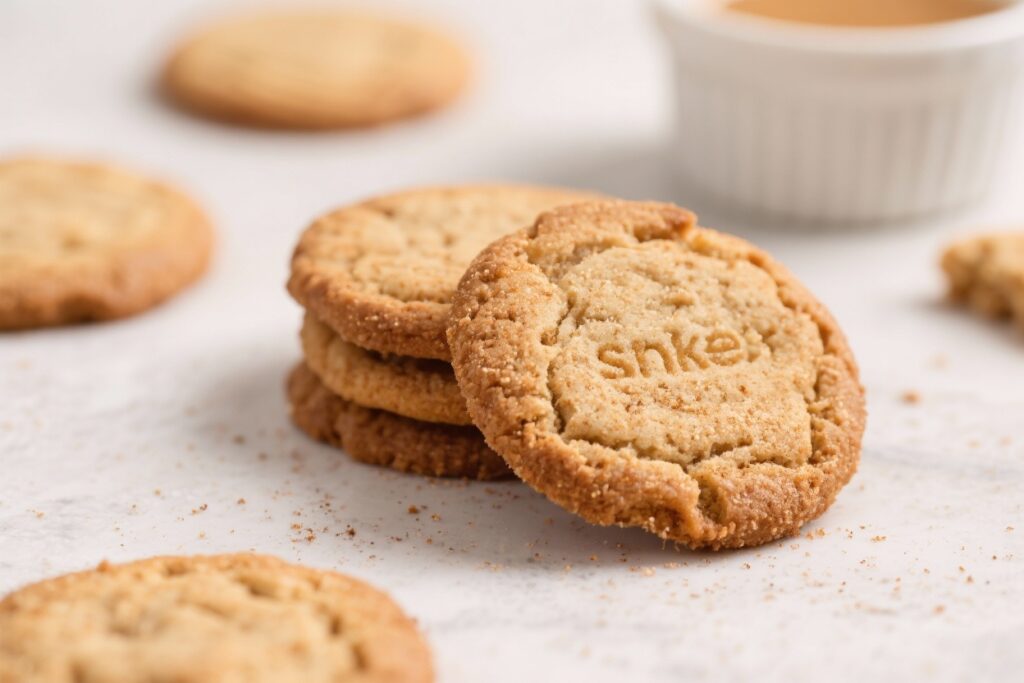
You know that one cookie that makes the whole house smell like a hug? This is that—minus the blood sugar rollercoaster. These Keto Snickerdoodle Cookies are buttery, pillowy, and dusted in cinnamon “sugar” that snaps with every bite.
No weird aftertaste, no crumbly mess, no “well, it’s good for keto.” Just straight-up good. If you’ve been burned by sad almond flour cookies before, congrats: redemption is served warm.
What Makes This Recipe So Good
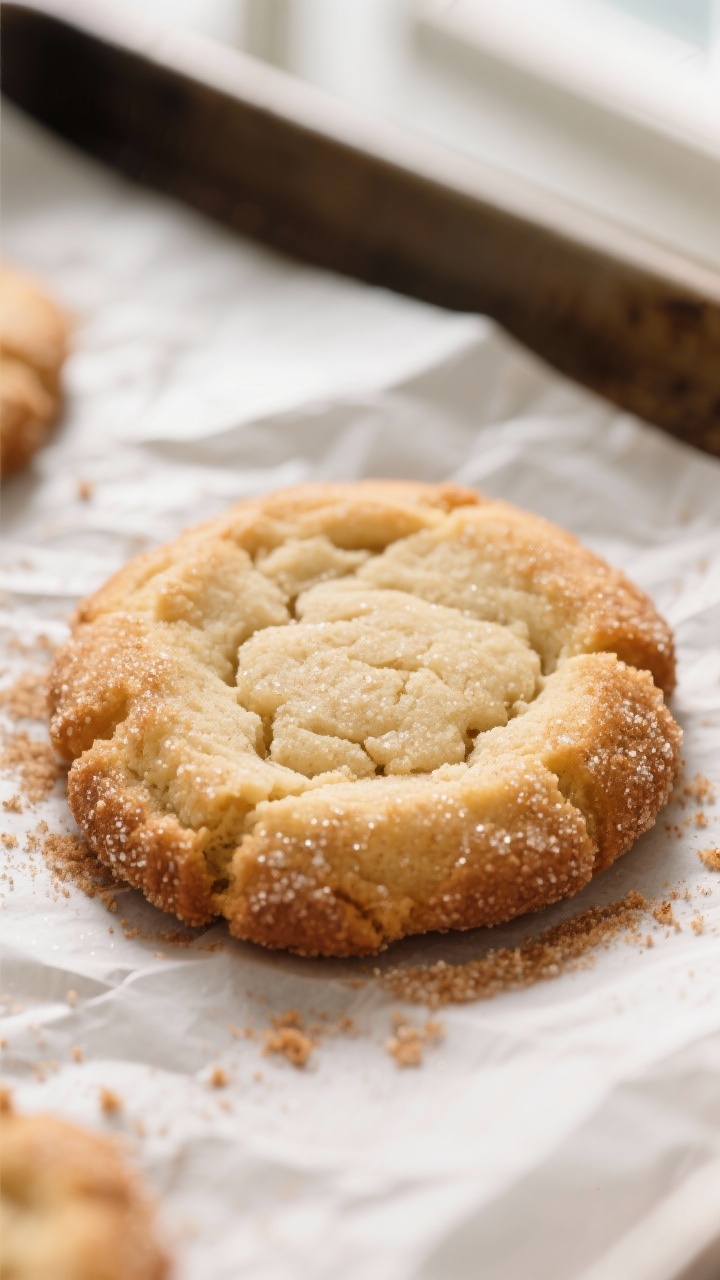
- Classic snickerdoodle texture: soft centers, crisp edges. The cream of tartar pulls its weight here, delivering that signature tang and chew you remember.
- Low-carb and gluten-free. Almond flour + keto sweeteners mean you get the cookie without the carb coma.
- No chill time required. You’re 20 minutes away from a full tray of “wow, these are keto?” cookies.
- Real-butter flavor. We use melted butter (or ghee) for maximum richness and to keep the crumb tender.
- Foolproof for beginners. Simple steps, pantry-staple ingredients, and clear cues so you don’t overbake them into dust.
What You’ll Need (Ingredients)
- Almond flour – 2 cups (finely blanched; avoid coarse meal)
- Coconut flour – 2 tablespoons (balances moisture and structure)
- Granulated erythritol or allulose – 2/3 cup (plus 2 tablespoons for coating)
- Ground cinnamon – 2 teaspoons (plus 1 teaspoon for coating)
- Cream of tartar – 1 teaspoon (classic snickerdoodle tang)
- Baking soda – 1/2 teaspoon
- Fine sea salt – 1/4 teaspoon
- Unsalted butter – 1/2 cup, melted and slightly cooled (or ghee for lactose-sensitive)
- Large egg – 1
- Vanilla extract – 2 teaspoons
- Optional: 1/4 teaspoon xanthan gum (for extra chew)
Cooking Instructions
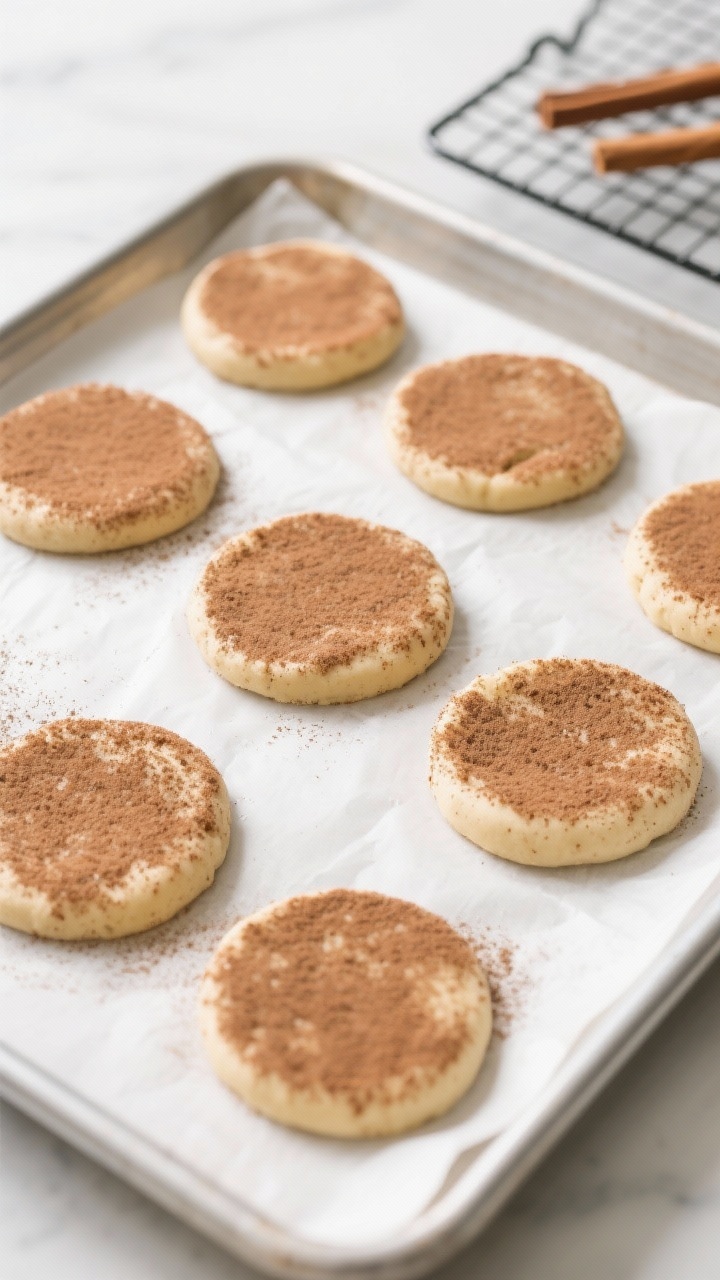
- Preheat to 350°F (175°C). Line a sheet pan with parchment.
No silicone mats—they can soften the bottoms too much.
- Make the cinnamon “sugar.” In a small bowl, mix 2 tablespoons granulated sweetener with 1 teaspoon cinnamon. Set aside.
- Whisk the dry team. In a medium bowl, combine almond flour, coconut flour, 2/3 cup sweetener, cream of tartar, baking soda, salt, cinnamon, and xanthan gum if using.
- Mix the wet team.
In another bowl, whisk melted butter, egg, and vanilla until smooth and glossy.
- Combine. Pour wet into dry and stir until a soft dough forms. It should be scoopable, not runny.
If it’s loose, rest 3–4 minutes to let the coconut flour hydrate.
- Shape. Scoop into 1.5-tablespoon balls, roll gently between your palms, then roll in the cinnamon “sugar” coating.
- Flatten slightly. Place on the prepared sheet, spacing 2 inches apart.
Press each ball to about 1/2 inch thick with your fingers or a flat-bottomed glass.
- Bake 9–11 minutes. Look for set edges and slightly soft centers. If they look fully done in the oven, they’ll be overbaked—trust the process.
- Cool.
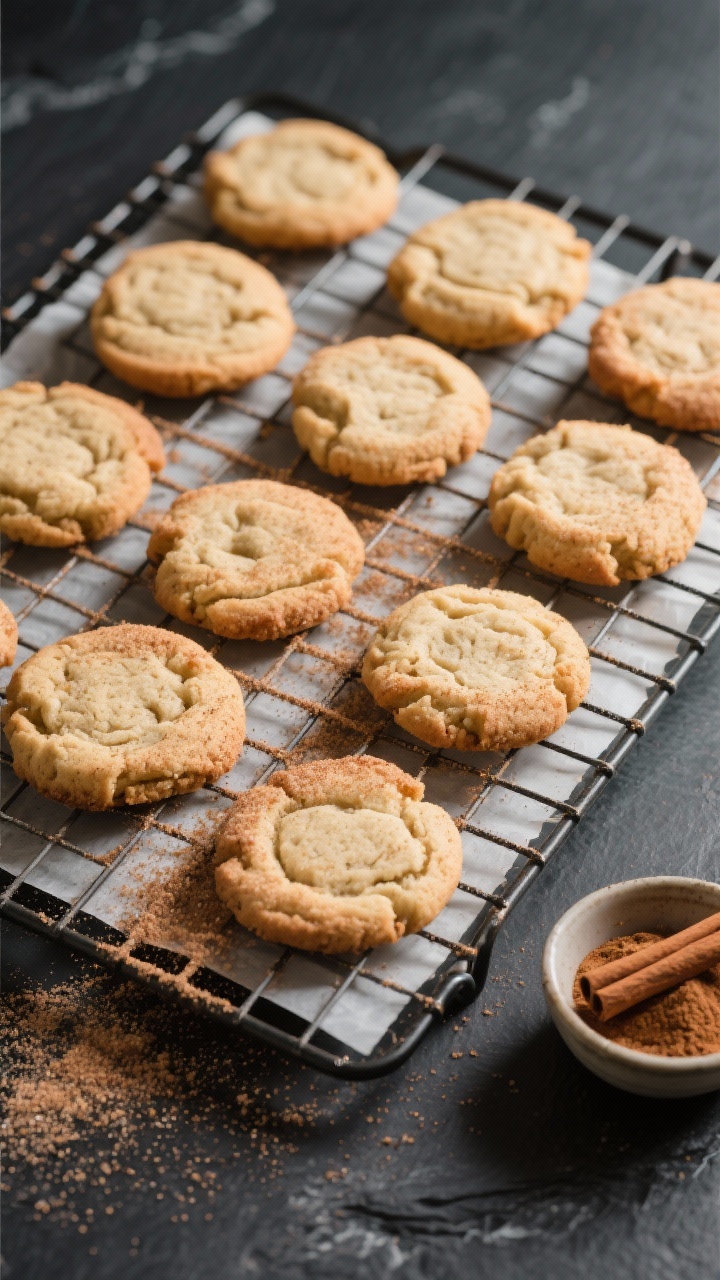
Let them rest on the pan 10 minutes (they firm up as they cool), then transfer to a rack. Try not to eat three. Or do.
Your call.
Storage Tips
- Room temp: Store in an airtight container for up to 3 days. Add a small piece of parchment with a few grains of rice nearby to absorb moisture (not touching the cookies).
- Fridge: Keeps up to 1 week; texture gets chewier, which IMO is a win.
- Freeze: Freeze baked cookies up to 2 months. Thaw at room temp 15–20 minutes.
Or freeze scooped dough balls; bake from frozen at 350°F for 10–12 minutes.
- Re-crisp: If they soften, pop in a 300°F oven for 3–4 minutes to revive the edges.
Health Benefits
- Lower net carbs. Almond and coconut flours keep net carbs per cookie low, supporting ketosis while satisfying dessert cravings.
- Gluten-free and grain-free. Great for those avoiding gluten or reducing grains; almond flour brings vitamin E and magnesium.
- Better blood sugar control. Using erythritol or allulose avoids the sugar spikes typical of traditional cookies.
- Healthy fats for satiety. Butter and almond flour provide fats that keep you full and help curb random pantry raids.
What Not to Do
- Don’t skip cream of tartar. It’s not just fluff—it’s the flavor and texture backbone of a real snickerdoodle.
- Don’t swap in coconut flour 1:1. It’s super absorbent and will turn your dough into sawdust sadness.
- Don’t overbake. Keto flours brown differently. Pull them when edges set and centers are soft; they’ll finish on the tray.
- Don’t use powdered sweetener in the dough unless the recipe says so. It can throw off the structure. Granulated works best here.
- Don’t skip the rest after baking. They need 10 minutes to set or they’ll crumble like a bad alibi.
Mix It Up
- Brown butter twist: Brown the butter until nutty and golden, cool, then proceed.
Adds wild depth for the same effort.
- Chai-doodle: Add 1/4 teaspoon each cardamom and ginger to the dough; replace coating cinnamon with a chai spice mix.
- Cream cheese swirl: Beat 2 ounces softened cream cheese with 1 tablespoon sweetener and 1/4 teaspoon vanilla; marble small dollops into the flattened dough before baking.
- Protein boost: Replace 2 tablespoons almond flour with unflavored whey isolate. Chewier, slightly higher protein, still soft.
- Dairy-free: Use refined coconut oil or vegan butter. Note: coconut oil yields a slightly crisper texture.
FAQ
Are these cookies actually keto?
Yes.
With almond and coconut flour plus keto-friendly sweeteners, these are low in net carbs. Always check your specific sweetener blend, but per cookie you’re typically in the 1.5–3g net carb range depending on size and brand.
Which sweetener is best: erythritol, allulose, or monk fruit?
Erythritol gives more crunch and classic “sugar” texture; allulose makes them softer and can brown faster. Monk fruit is often blended with either.
If you prefer chewier, go allulose. For a bit of snap, use erythritol or a blend.
Can I skip the cream of tartar?
You’ll lose the classic tang and texture. If you must, sub with 1 teaspoon lemon juice and increase baking soda to 3/4 teaspoon.
Not identical, but close enough in a pinch.
Why did my cookies spread too much?
The butter may have been too hot or the dough too wet. Let the dough rest a few minutes or add 1–2 teaspoons almond flour. Also, make sure you’re using blanched, finely ground almond flour—not almond meal.
How do I make them extra soft?
Use allulose as the sweetener, add the optional 1/4 teaspoon xanthan gum, and pull them at the first sign of set edges.
Cooling on the tray is where the magic happens.
Can I double the recipe?
Absolutely. Bake in batches and rotate pans halfway for even browning. The dough holds at room temp for about 30 minutes without drying out.
Do they taste like “keto”?
Short answer: no.
Long answer: if you’re extremely sensitive to cooling effects from erythritol, use allulose for a zero-cooling finish. Flavor-wise, they’re classic snickerdoodles with better macros. FYI, your non-keto friends will demolish them.
In Conclusion
Keto Snickerdoodle Cookies don’t need an asterisk or apology.
They’re buttery, warmly spiced, and actually deliver the soft-meets-crisp texture you crave—while keeping carbs in check. Keep a batch on hand for afternoon coffee, late-night sweet tooth moments, or that friend who “doesn’t like keto desserts” (watch them eat two). Bake once, and this becomes your new default cookie—holiday or Tuesday, no judgment.

Printable Recipe Card
Want just the essential recipe details without scrolling through the article? Get our printable recipe card with just the ingredients and instructions.