
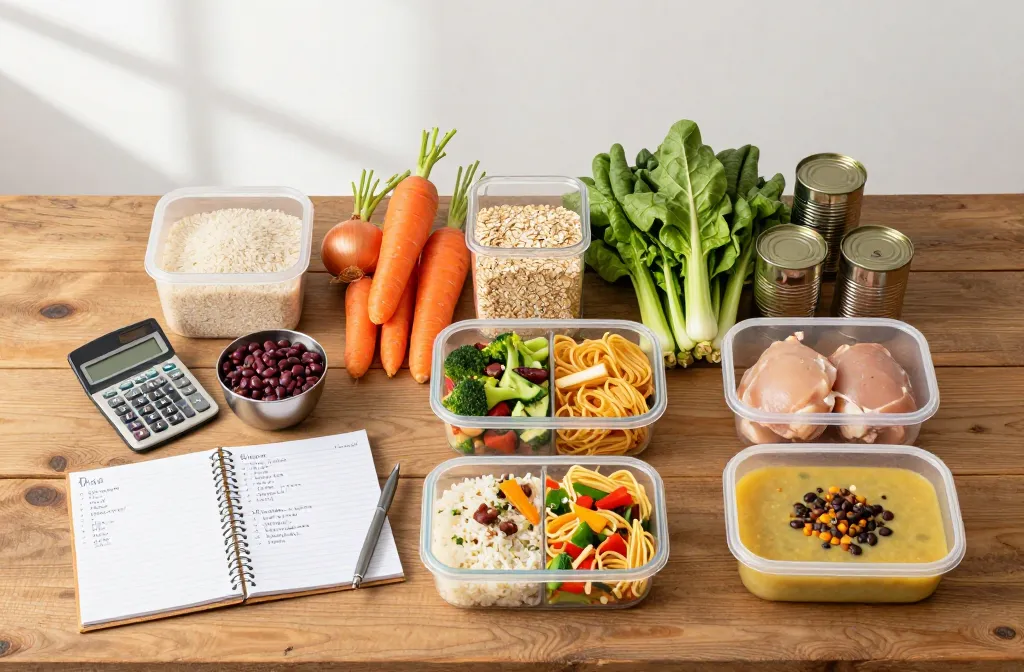
You stare at the fridge. The lettuce gave up three days ago. Your budget groans every time you open a food delivery app. You don’t need a miracle; you need a plan that feeds you well without torching your wallet. Let’s build a budget meal plan that’s easy, tasty, and realistic—even for busy weeks and “I’m too tired to cook” nights.
Why Budget Meal Planning Actually Works
Meal planning sounds fussy, but it does one thing super well: it removes daily decision fatigue. You decide once, then you coast. You also stop tossing mystery leftovers and buy what you’ll actually use.
Big wins you’ll see fast:
- Lower grocery bills because you shop with a list, not vibes.
- Less waste since everything has a job in your menu.
- Fewer takeout emergencies because backup meals exist.
The 30-Minute Planning Habit
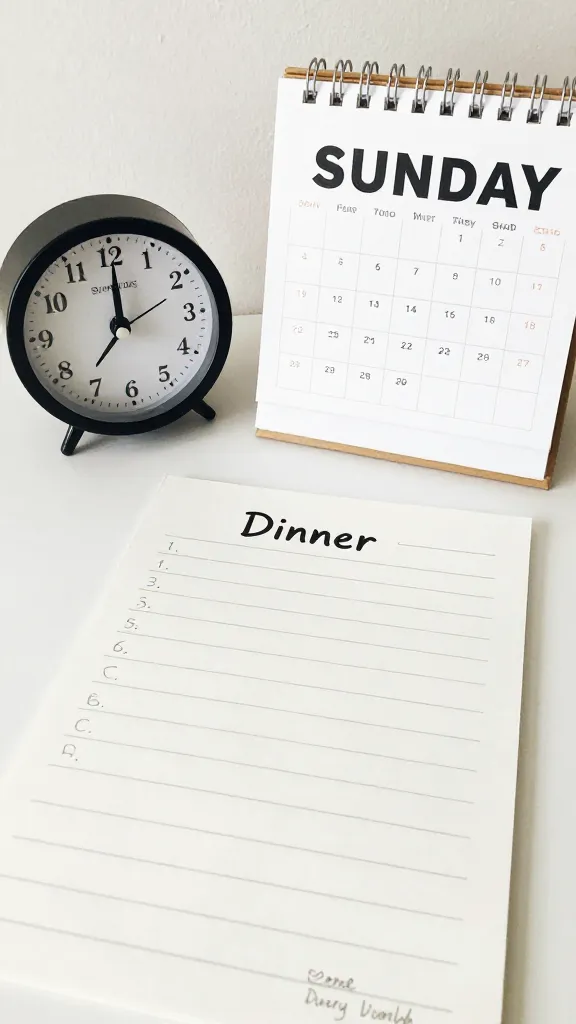
Set a timer for Sunday. Check your calendar, plan 4-5 dinners, choose 2-3 easy lunches, and lock in breakfast basics. Done. Not perfect, just planned.
The 3-Pillar Grocery Strategy
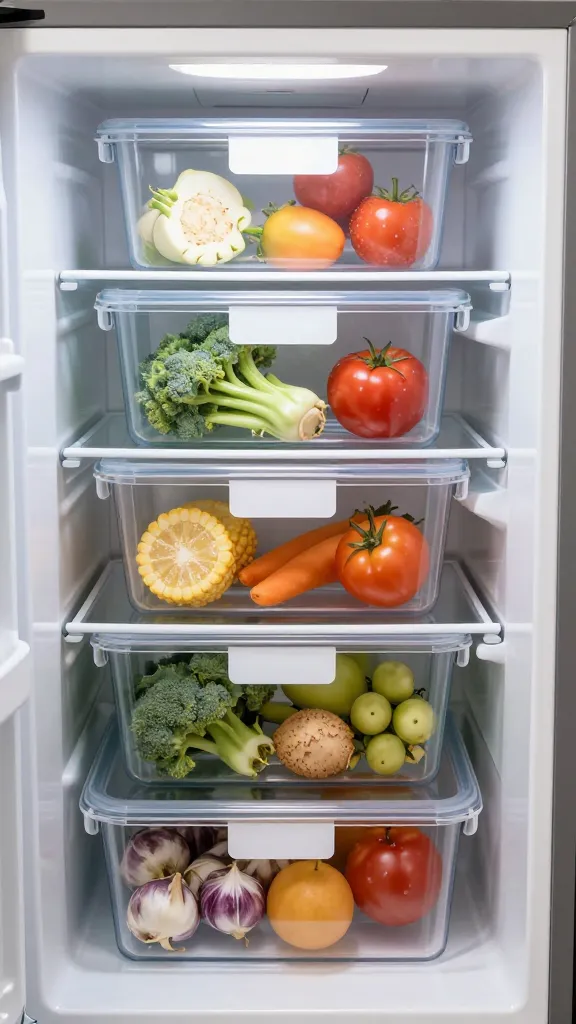
If your cart looks like an impulse experiment, your budget cries. Build meals around three pillars: pantry, produce, and protein. Then plug in flavor.
Pillar 1: Pantry (Cheap, Shelf-Stable Heroes)
- Carbs: rice, pasta, oats, tortillas, potatoes
- Beans + Lentils: canned or dry (dry is cheaper, FYI)
- Tomato stuff: crushed, paste, salsa
- Broth cubes or bouillon: instant flavor
- Spices: chili powder, cumin, garlic powder, Italian seasoning, soy sauce
IMO, your pantry drives your budget. Keep it stocked and you can cook even when produce gets boring.
Pillar 2: Produce (Buy for a Plan, Not a Fantasy)
- Hardy veggies: carrots, onions, cabbage, frozen peas/corn, sweet potatoes
- Freezer-friendly: broccoli, spinach, mixed veg (no chopping, same nutrients)
- Quick fruit: bananas, apples, oranges, frozen berries
Your future self will thank you when Thursday hits and your veggies still look alive.
Pillar 3: Protein (Affordable and Flexible)
- Eggs: breakfast, ramen upgrade, fried rice MVP
- Chicken thighs: cheaper, juicier, hard to mess up
- Ground turkey or beef: stretch with beans or lentils
- Tofu: presses well, cheap, soaks up flavor
- Canned tuna or chickpeas: instant salads and sandwiches
Plan Once, Eat All Week
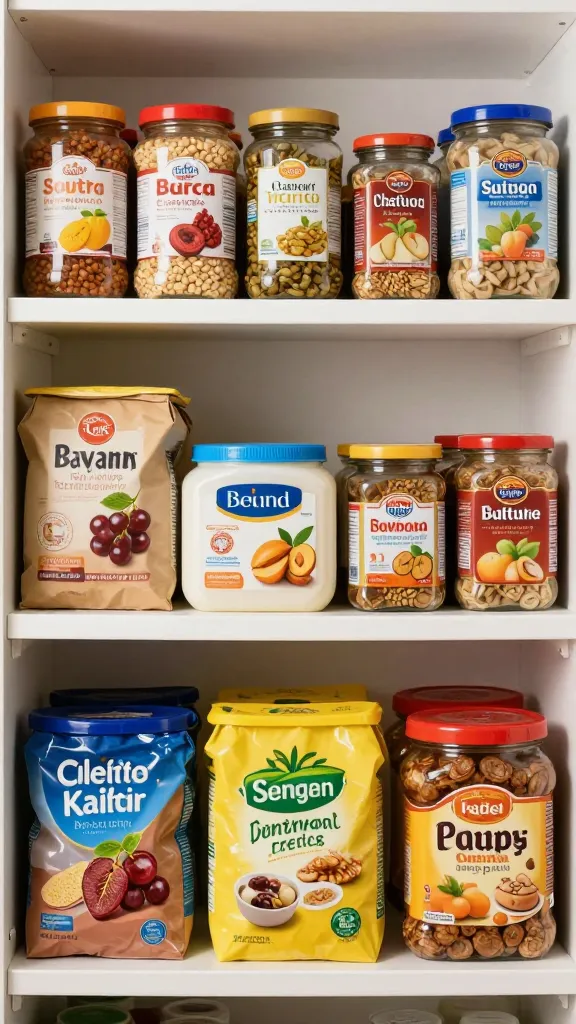
Want a template you can repeat with minor tweaks? Done.
Sample Budget Menu (1 Week)
Breakfast (rotate):
- Overnight oats with frozen berries and peanut butter
- Eggs on toast with hot sauce
- Yogurt, granola, sliced banana
Lunch (simple + repeatable):
- Rice bowl: rice + roasted veggies + chickpeas + tahini-lemon drizzle
- Tuna salad wraps with cabbage crunch
- Lentil soup with toast (freezer-friendly)
Dinners (5 planned, 2 flexible):
- One-pot chili: ground turkey, beans, tomatoes, spices. Serve with rice or cornbread.
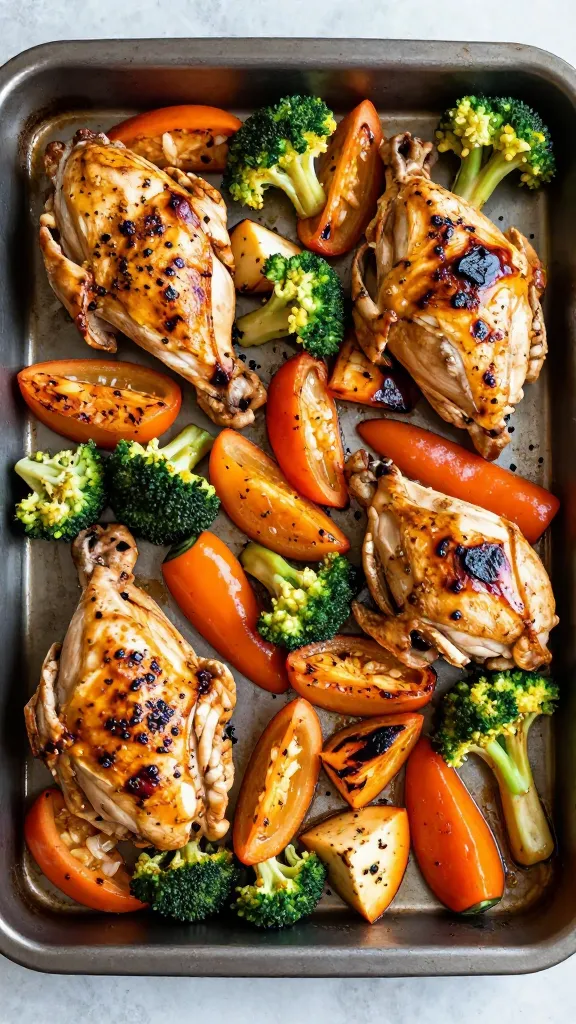
- Sheet pan chicken thighs with potatoes and carrots. Garlic, paprika, done.
- Tofu stir-fry with frozen broccoli and soy-ginger sauce over rice.
- Pasta night: marinara + lentils or meat, side salad if you’re feeling fancy.
- Fried rice with eggs, mixed veg, and sesame oil. Cheap and fast.
Flex nights: leftovers remix or breakfast-for-dinner. Omelet, toast, fruit. Zero stress.
Weekend Prep That Doesn’t Steal Your Sunday
- Cook a big pot of rice or roast a tray of potatoes.
- Chop onions and carrots once for the week.
- Make a sauce: tahini-lemon or yogurt-garlic. Flavor = motivation.
- Portion snacks: nuts, fruit, popcorn. Snack attacks happen.
Smart Shopping: Where the Savings Hide
You don’t need a coupon binder. You need a plan and a few store strategies.
Build Your List from the Menu
List your recipes, then write only what you lack. Group items by store section so you don’t impulse-buy five cheeses because the dairy aisle whisper-yelled at you.
Shop Store Brands and Seasonal
Store brands usually match name-brand quality at a lower price. Check unit prices. Seasonal produce costs less and tastes better. Win-win.
Use the Freezer Like a Boss
Freeze bread, cheese, cooked grains, and soups in portions. Label with dates. Future-you will cry happy tears when dinner takes 5 minutes.
Buy Meat Strategically
Hunt sales, then portion and freeze. Turn one rotisserie chicken into three meals: tacos, soup, and salad. IMO, this is the laziest hack with the biggest payoff.
Cook Once, Eat Twice (or Thrice)
Leftovers aren’t boring if you plan remixes. You basically create “meal kits” from your own fridge.
Remix Ideas
- Chili → nachos, stuffed potatoes, or chili mac
- Roasted veg → grain bowls, omelets, quesadillas
- Shredded chicken → tacos, fried rice, noodle soup
- Cooked lentils → sloppy joes, shepherd’s pie, pasta sauce booster
Flavor Shortcuts
- Keep hot sauce, salsa, and pickles on hand. Acid and heat fix bland.
- Lemon juice or vinegar at the end of cooking = instant brightness.
- Toast spices in oil for 30 seconds. Flavor multiplies, science happens.
Real-Life Obstacles (and How to Dodge Them)
You’ll get tired. You’ll forget to thaw something. Delivery apps will wink at you. Prepare escape routes.
No-Cook Safety Net
- Canned soup + grilled cheese
- Microwave baked potato + beans + cheese + salsa
- Hummus plate: pita, carrots, cucumber, olives
5-Minute Proteins
- Scrambled eggs
- Pan-fried tofu cubes
- Tuna mixed with yogurt, mustard, and dill
When You Hate Your Plan
Swap days, not meals. Keep the ingredients the same but shuffle the vibe. Tacos become bowls, pasta becomes soup, roasted veg jump into quesadillas. You’re still on plan, just sideways.
Budget-Friendly Flavor Boosters
Spices and sauces turn simple food into food you actually want.
- Essentials: garlic powder, onion powder, paprika, cumin, oregano, black pepper
- Low-cost sauces: soy sauce, vinegar trio (white, apple cider, rice), mustard, hot sauce
- Cheap fresh hits: lemons, green onions, cilantro (freeze the stems for stock)
DIY Sauces That Slap
- Tahini-Lemon: tahini + lemon + water + salt + garlic powder
- Yogurt-Garlic: plain yogurt + grated garlic + lemon + dill
- Spicy Peanut: peanut butter + soy sauce + lime/vinegar + chili flakes + water
Stir, taste, adjust. No culinary degree required.
FAQ
How much should I budget for groceries per person?
It varies by location and diet, but a realistic frugal range sits around $40–$60 per person per week if you cook most meals at home. Track your current spending for two weeks, then trim with store brands, fewer snacks, and planned leftovers.
Is meal planning worth it for one person?
Yes. Cook 2-3 big-batch recipes, portion and freeze, and rotate. You’ll save money and time, and you won’t cry over wilted herbs. Smaller packs cost more per unit, so batch-cooking evens that out.
How do I avoid getting bored?
Keep the base the same but rotate the flavor. Rice bowl? Swap sauces: teriyaki, tahini, salsa. Pasta? Change the seasoning: Italian, smoky paprika, or chili-garlic. A tiny tweak keeps meals interesting without wrecking the budget.
What if I don’t have time to cook every night?
You don’t need to. Cook twice a week, batch grains and proteins, and assemble fast meals the rest of the time. Keep 1-2 frozen options for nuclear-level busy days. FYI, a microwave can be your sous-chef.
Are frozen vegetables as good as fresh?
Totally. They’re picked ripe and frozen fast, so nutrients hold up. They also cost less, last longer, and require zero prep. IMO, freezing is the GOAT of budget convenience.
How do I start if my pantry feels chaotic?
Do a 15-minute audit. Group like items, toss the stale stuff, and make a “use first” box. Plan one week using only what you have plus a small shop for fillers. It feels like winning a tiny grocery lottery.
Conclusion
You don’t need a chef’s hat or a billionaire’s grocery budget. You need a simple plan, a reliable shopping list, and a few flavor tricks. Start small: plan five dinners, buy for that plan, and prep one grain. In a week, you’ll spend less, waste less, and eat better—and you might even enjoy it. Wild, right?