
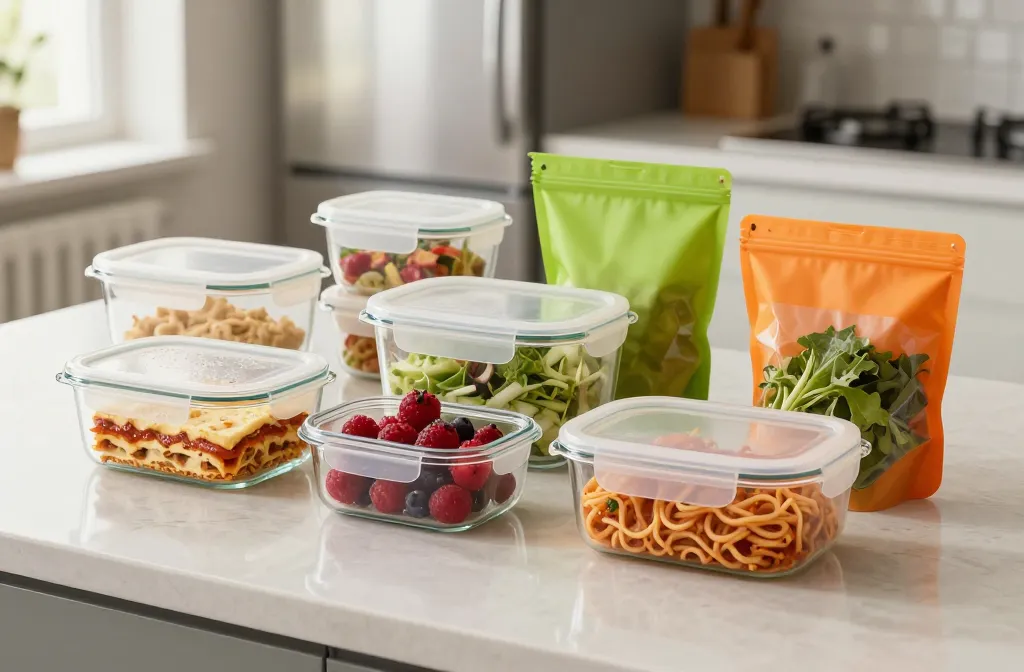
Leftovers should feel like a second chance, not a gamble. You cooked, you conquered, and now you want that last slice of lasagna to taste like victory tomorrow. The right container makes that happen. Let’s cut the fluff and talk about what actually keeps food fresh, tasty, and not smelling like last week’s garlic shrimp.
Why Freshness Fails (and How Containers Fix It)
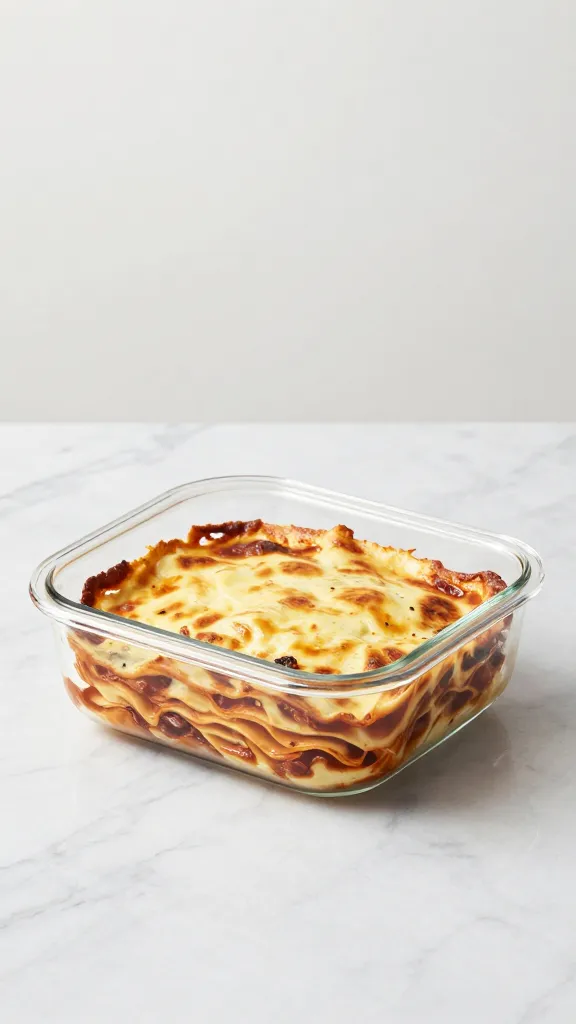
Food loses freshness when air, moisture, and odors crash the party. The good news? You can block those party crashers.
- Air exposure dries out food and speeds up spoilage. You want containers that keep oxygen out.
- Moisture imbalance turns crispy into soggy or juicy into jerky. Smart lids and vents help here.
- Odor transfer makes your berries taste like onion. Materials matter—a lot.
Bottom line: choose containers with tight seals, non-porous materials, and the right size for the job. Oversized containers leave too much air inside—don’t do that to your pad thai.
Glass vs. Plastic vs. Silicone: The Real Talk

Struggling to pick a team? Here’s the quick, honest breakdown.
Glass Containers
- Best for: Long-term freshness, reheating in the oven, avoiding stains and smells
- Why they rock: Non-porous, no lingering odors, handles heat beautifully, looks classy
- Watch out: Heavier, breakable, lids often plastic (but easy to replace)
FYI, borosilicate glass handles sudden temperature changes better than soda-lime glass. If you meal prep a lot, glass is the MVP.
Plastic Containers
- Best for: Lightweight storage, grab-and-go lunches, kid chaos
- Why they rock: Affordable, stackable, lightweight, tons of sizes
- Watch out: Can stain, hold odors, and scratch; not for oven use
If you go plastic, IMO choose BPA-free, sturdy options with gasketed lids. Cheap sets warp faster than you can say “chilies in oil.”
Silicone (Bags and Containers)
- Best for: Freezer storage, marinating, space-saving
- Why they rock: Flexible, durable, good seals, great for liquids and flat freezing
- Watch out: Can trap oily smells if you don’t clean them right, not perfectly rigid
Silicone bags shine for soups, sauces, and portioned proteins. Bonus: they make your freezer look put together, which feels weirdly satisfying.
The Seal Deal: Lids That Actually Work
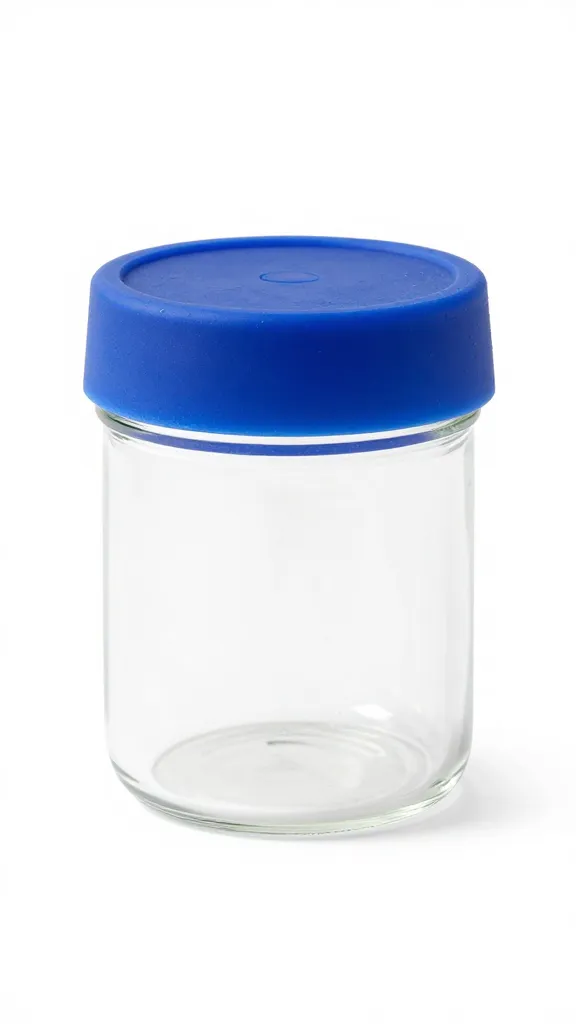
Your container is only as good as its lid. Weak seal? Say hello to stale pasta.
- Snap-lock lids with silicone gaskets: Top-tier for airtight performance. They click shut and actually mean it.
- Twist-top lids: Great for soups and stews; less likely to pop open mid-commute.
- Press-and-seal vacuum lids: Reduce oxygen and slow spoilage. Pricey but effective.
- Vented microwave lids: Keep moisture balanced while reheating, prevent soggy sadness.
Want to level up? Vacuum-seal containers extend freshness by days, especially for salad greens and berries. Not mandatory, but very chef’s-kiss.
Smart Picks for Different Leftovers
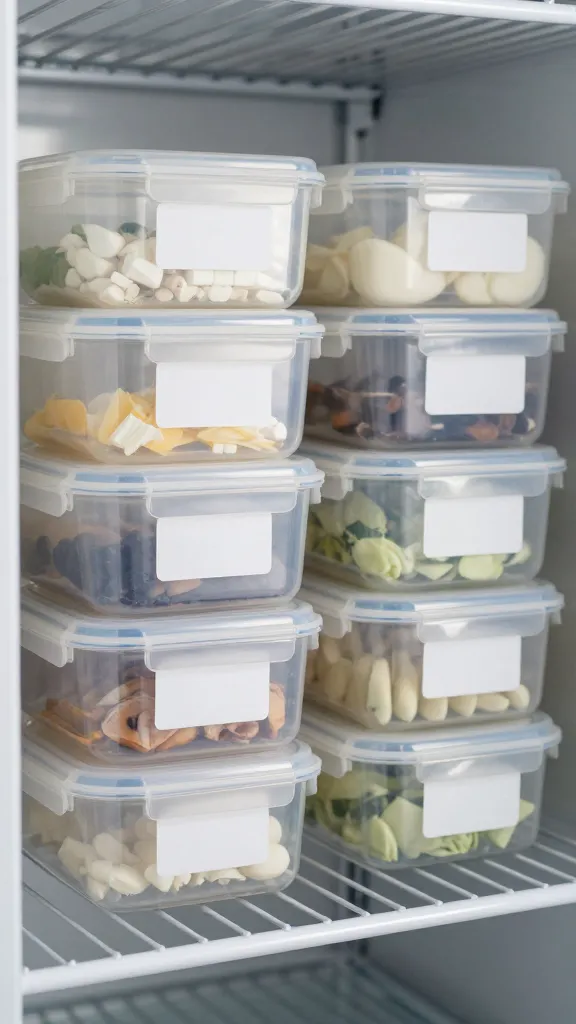
Not all leftovers deserve the same real estate. Pick by texture and moisture.
Crispy Foods (Fried Chicken, Roasted Veggies)
- Best container: Shallow glass or rigid plastic with a bit of headspace
- Pro tip: Place a paper towel under the lid (not touching the food) to catch condensation
- Reheat: Skip the microwave; use an oven or air fryer to revive crunch
Soups, Stews, and Sauces
- Best container: Tall glass jars with twist lids or silicone bags
- Freezer note: Leave 1 inch of headspace for expansion (or lay silicone bags flat to freeze)
- Label: Date it—mystery sauce becomes science experiment fast
Salads and Greens
- Best container: Shallow glass or plastic with a tight seal
- Moisture control: Add a dry paper towel on top to absorb excess moisture
- Dressing strategy: Store dressing separately, always
Rice, Grains, and Pasta
- Best container: Medium, airtight; fill close to the top to limit air
- Refresh: Add a splash of water before reheating to restore moisture
Aromatic or Staining Foods (Curry, Kimchi, Tomato Sauce)
- Best container: Glass only, with gasketed lid
- Avoid: Plastic unless you want orange-tinted Tupperware forever
Features That Actually Matter
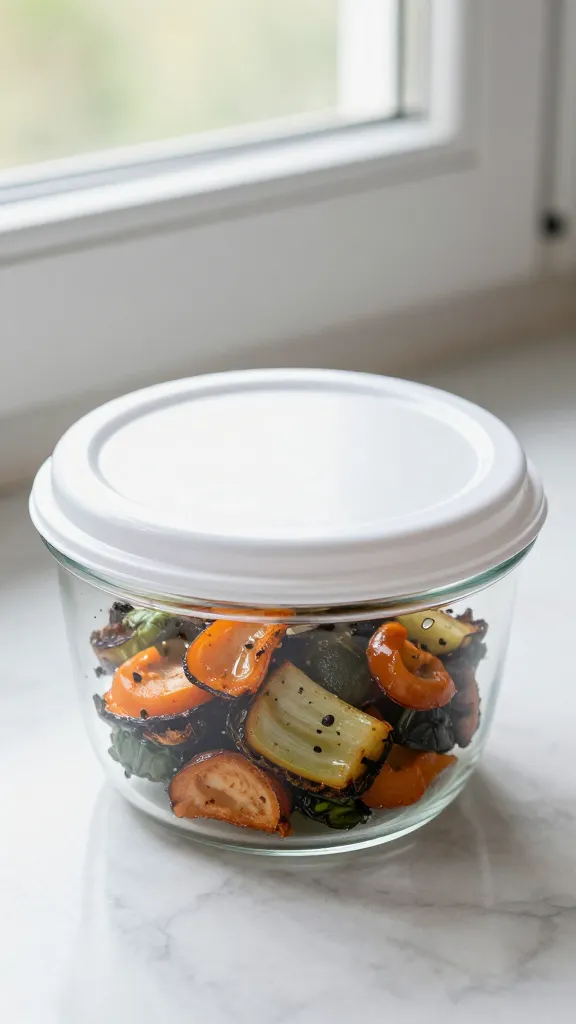
Shopping? Here’s your cheat sheet. Skip gimmicks; go for these:
- Airtight, leakproof lids: Gasket + lock = fresher food, fewer spills
- Right sizing: A snug fit reduces air; own a range from 1-cup to 6-cup
- Stackability: Flat lids save fridge space and your sanity
- Oven-safe glass bottoms: Straight from fridge to oven (room temp rest first if not borosilicate)
- Measurement marks: Handy for portioning and meal prep
- Easy-clean design: Removable gaskets = fewer mystery smells
IMO, a mixed set beats a dozen of the same size. Your fridge isn’t a game of Tetris every day… or maybe it is.
Recommended Types and Use Cases
No brand wars here—just what works reliably across the board.
- Rectangular glass with snap-lock lids: Everyday heroes for mains and sides
- Round glass jars with twist lids: Soups, stocks, overnight oats
- Silicone freezer bags: Marinades, smoothie packs, bulk-cooked beans
- Shallow deli-style containers: Herbs, chopped veg, staging ingredients
- Vacuum-seal containers: Berries, salad mixes, sliced apples—stuff that browns or wilts
Bonus tool: Beeswax wraps for half-cut produce and cheese. Not airtight, but great for short-term freshness.
Care, Cleaning, and Stain Defense
Treat your containers right and they’ll keep leftovers legendary.
- Pre-rinse ASAP after storing tomato or turmeric-heavy dishes
- De-stink plastic/silicone with a baking soda paste or soak in diluted vinegar
- Remove and wash gaskets weekly to avoid hidden grime
- Cool hot foods before sealing to prevent steam buildup and sogginess
- Rotate leftovers: Oldest to the front, label dates, channel your inner café manager
FAQ
Do airtight containers really keep food fresher?
Yes. Airtight lids reduce oxygen exposure and moisture exchange, which slows spoilage, staves off freezer burn, and keeps textures closer to day one. Pair a tight seal with the right-sized container for the biggest difference.
Glass or plastic: which keeps smells out better?
Glass wins by a landslide. It’s non-porous, so it won’t absorb odors or stains. Plastic and silicone can trap strong smells, especially from garlic, curry, and fish. If you store lots of aromatic dishes, go glass with a gasketed lid.
Are vacuum containers worth it for leftovers?
If you love fresh greens and fruit, absolutely. Removing air helps berries last longer and keeps salad crisp. For heavy soups and stews, the benefit is smaller—but still real. If you’re on a budget, try a manual hand-pump style.
Can I put hot food straight into containers?
Let it cool slightly first. Trapping steam creates condensation, which messes with texture and can lead to sogginess or faster spoilage. Aim for warm, not piping hot, before sealing and refrigerating.
What’s the best container for the freezer?
Use rigid glass or plastic rated for freezing, or silicone bags laid flat. Leave headspace for expansion. Avoid containers with domed or flexible lids that can pop open. Label everything with name and date—future you will thank you.
How do I stop tomato sauce from staining plastic?
Use glass for red sauces. If plastic is your only option, lightly oil the surface first, or line with parchment. Clean right after use and avoid microwaving tomato sauce in plastic—it basically fuses the color to the container.
Conclusion
The best containers for leftovers don’t just “store” food—they protect it. Choose airtight lids, non-porous materials, and the right size for what you’re saving. Glass handles odor and reheating like a pro, plastic wins for portability, and silicone bags are freezer champs. Build a small, smart arsenal and your leftovers will taste like round two, not reheated regret. FYI: your future self, eating crispy roasted potatoes tomorrow, will be very impressed.