
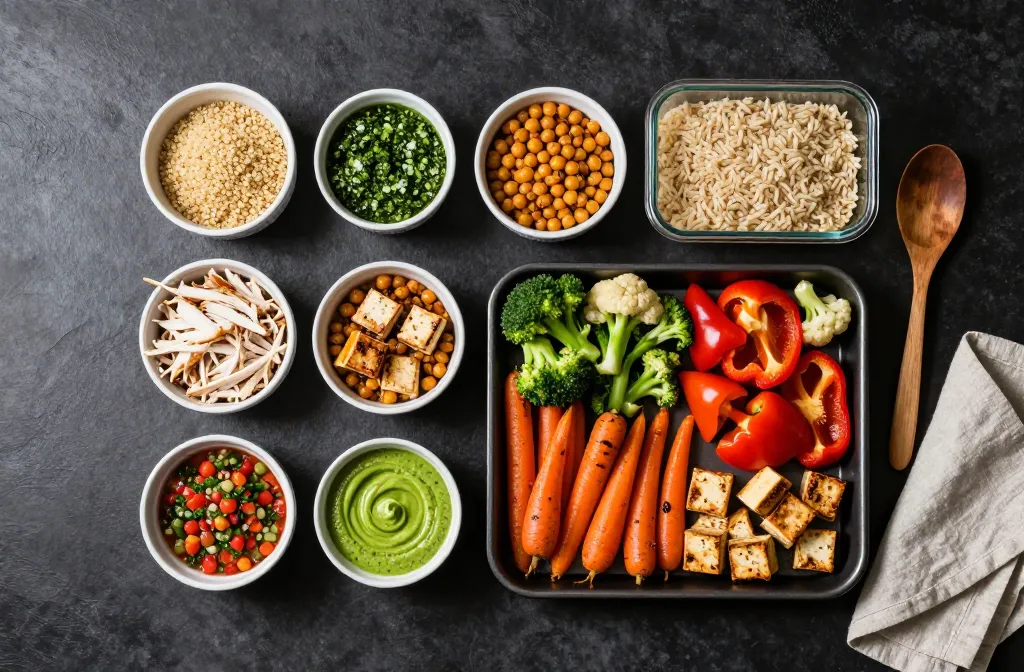
You cook once, and the rest of the week high-fives you. That’s the beauty of leftover meal prep: one kitchen session, multiple stress-free meals. No more sad desk lunches or late-night panic DoorDash. Just solid, tasty food ready when you are.
Why Leftover Meal Prep Feels Like Cheating (But Isn’t)
You win back time, money, and mental bandwidth. That’s the trifecta. When you cook big once, you dodge daily chopping, cleaning, and “what’s for dinner” angst. You also stop wasting wilted spinach you forgot existed.
Plus, leftovers taste better the next day. Sauces sink in. Spices mellow. Soups and braises glow up overnight. You basically marinate your future happiness.
Start With “Modular” Recipes, Not One-Offs
If you only cook one giant casserole, you’ll hate it by Thursday. Cook components you can remix instead.
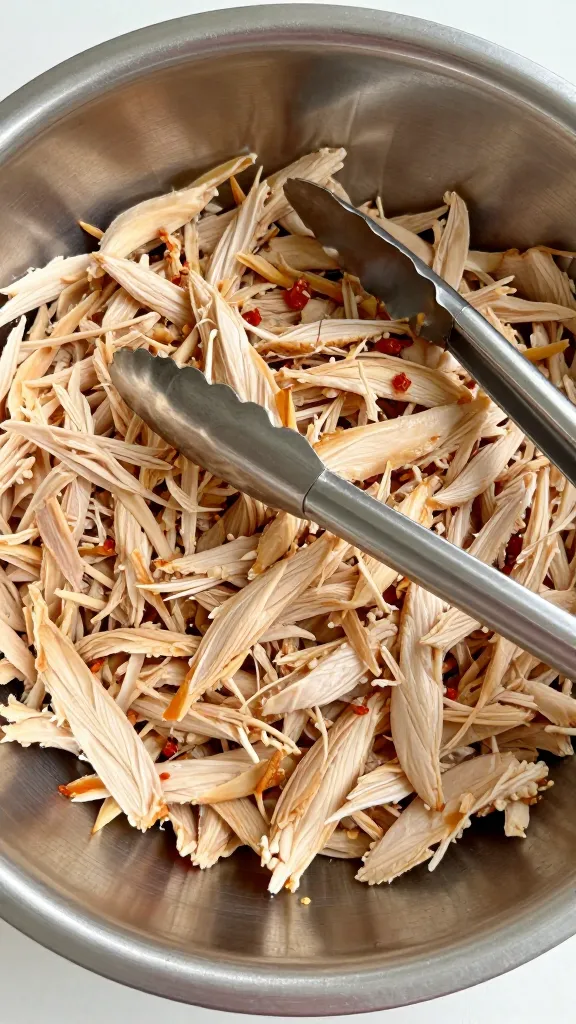
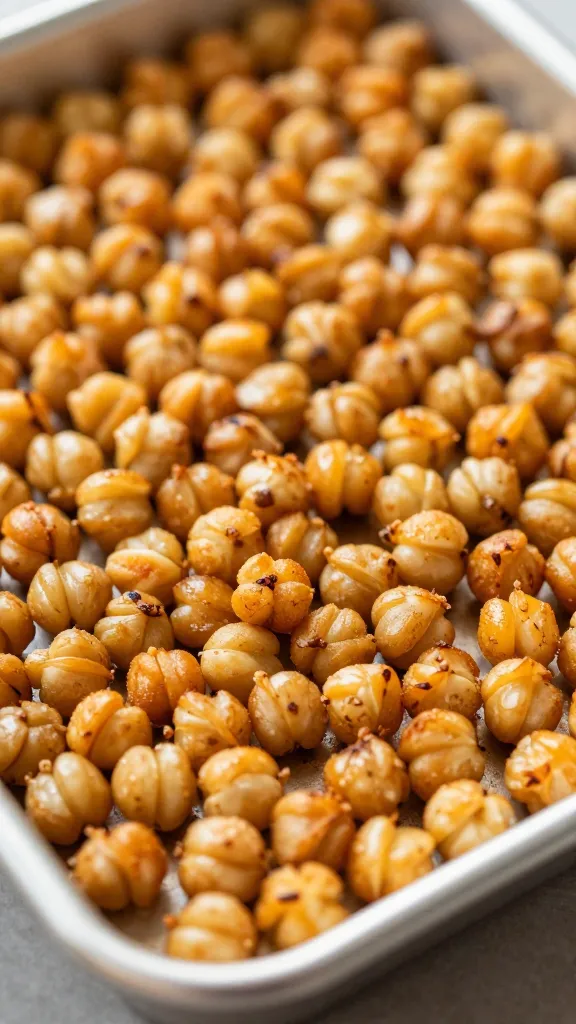
- Proteins that play nice: shredded chicken, roasted chickpeas, seared tofu, slow-cooked beef, baked salmon.
- Grains that don’t get mushy: rice, farro, quinoa, couscous, orzo.
- Vegetables that roast like champs: carrots, broccoli, cauliflower, onions, sweet potatoes, bell peppers.
- Flavor bases that save the day: chimichurri, tahini lemon sauce, salsa verde, peanut sauce, yogurt-garlic dip.
Pro tip: Pick 1 protein, 1-2 grains, and 3 veggies. Add 2 sauces. That’s your weekly “kit.” Then mix-and-match like a culinary Lego set.
Example: One Sunday, Many Dinners
Cook:
- Sheet pan: chicken thighs with smoked paprika and garlic
- Pot: farro with a pinch of salt
- Tray: roasted broccoli and sweet potatoes
- Jar: quick yogurt-tahini sauce + a punchy salsa verde
Remix:
- Monday: Farro bowl with chicken, broccoli, tahini drizzle
- Tuesday: Tacos with chopped chicken, salsa verde, sweet potato
- Wednesday: Big salad with warmed chicken, farro, lemony dressing
- Thursday: Quick soup—broth + farro + chopped veg + shredded chicken
- Friday: Flatbread with chicken, broccoli, tahini, chili flakes
Batch Once, Eat Differently
You want variety without extra work. So cook neutrally seasoned bases, then layer flavors later.
- Keep the base simple: Salt, pepper, olive oil. Then add spice blends on serving days so you don’t lock in one flavor direction.
- Make small-batch sauces: 5-minute blends transform repeats into “whoa, new meal.”
- Use toppings: Pickled onions, toasted nuts, fresh herbs, grated cheese, crushed chips (yes, chips), lime wedges.
Quick Sauce Starter Pack
- Tahini Lemon: tahini + lemon + water + garlic + salt
- Chimichurri: parsley + cilantro + garlic + vinegar + oil + chili flakes
- Peanut Lime: peanut butter + lime + soy sauce + honey + water
- Spicy Yogurt: Greek yogurt + harissa or sriracha + lemon
IMO: Sauces are the difference between “ugh leftovers” and “I’m a genius.”
Storage That Actually Works (And Prevents Sadness)
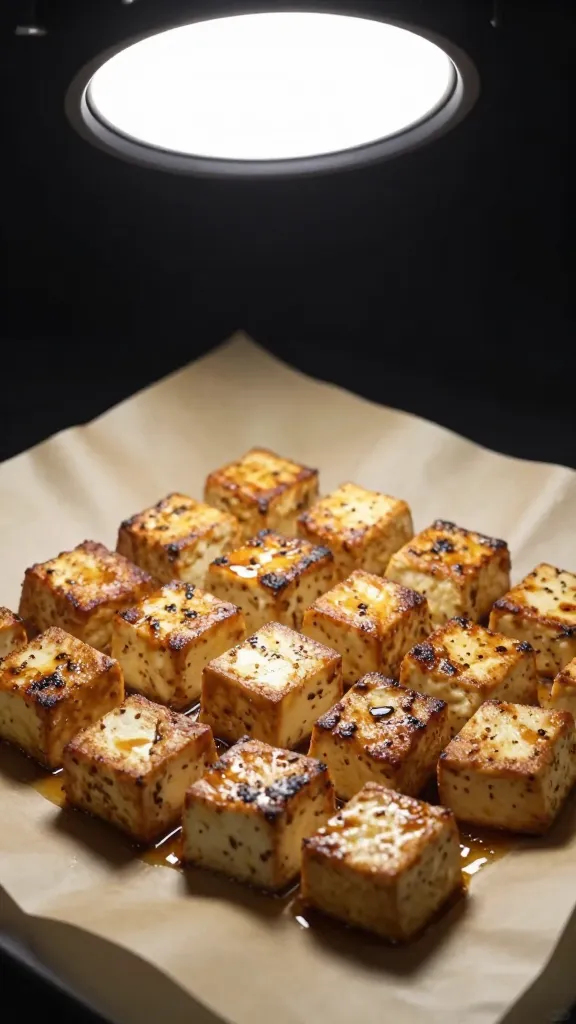
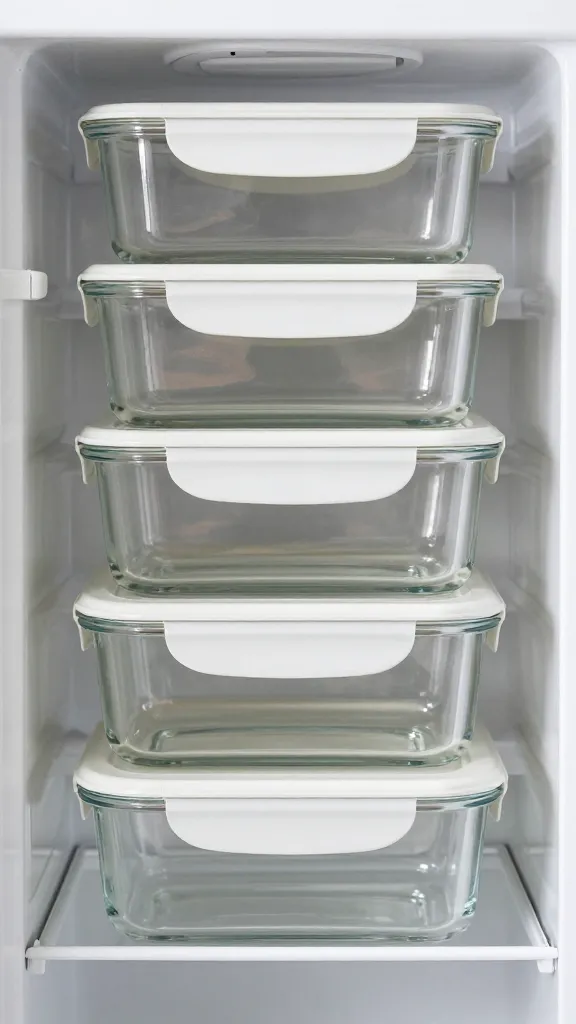
You can’t win if your fridge turns into Tupperware Jenga. Make storage easy and obvious.
- Use clear containers: If you can’t see it, you won’t eat it.
- Single-layer meats: Shred or slice proteins before storing so they reheat evenly.
- Divide to conquer: Keep grains, proteins, and sauces separate. Combine right before eating.
- Date everything: Painter’s tape + marker. Old-school, very effective.
Fridge vs. Freezer Rules
- Fridge (3–4 days): cooked chicken, tofu, grains, roasted veg, sauces with dairy.
- Freezer (2–3 months): soups, stews, chili, meatballs, shredded chicken, cooked rice.
- Don’t freeze: salads with dressing, high-water veg (cucumber, lettuce), yogurt sauces (separate and make fresh instead).
FYI: Cool foods fast before sealing and refrigerating. Spreading on sheet pans for 15 minutes helps and keeps food safe.
Reheat Like a Pro (So Texture Survives)
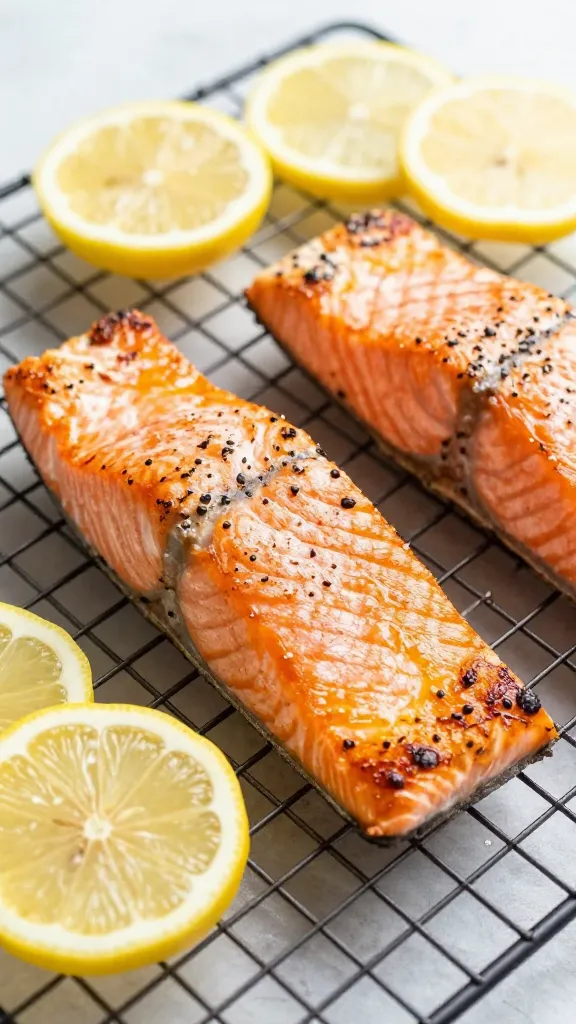
Heat smarter, not harder. You can revive leftovers beautifully with the right method.
- Oven or air fryer: Best for roasted veg and proteins. 350°F for 8–12 minutes. Keeps things crisp.
- Stovetop: Great for grains and saucy dishes. Add a splash of water or broth. Stir gently.
- Microwave: Works for bowls and soups. Use 50–70% power, cover with a damp paper towel, and stir midway.
Texture Rescue Tips
- If rice feels dry, add 1–2 teaspoons water and cover while heating.
- If chicken feels rubbery, slice thin and warm gently in sauce.
- If roasted veg went limp, re-crisp in an air fryer for 3–5 minutes.
Hot take: The microwave isn’t the enemy. User error is.
Theme Weeks Keep It Fun
Pick a vibe for the week so your components align, but still mix it up daily.
- Mediterranean-ish: Chicken, farro, roasted peppers, cucumber-tomato, tzatziki, feta, olives.
- Tex-Mex: Chili-lime chicken, black beans, rice, corn, pico, avocado, salsa roja.
- Middle Eastern: Spiced chickpeas, bulgur, roasted cauliflower, pickled onions, tahini, herbs.
- Asian-inspired: Soy-ginger tofu, sesame broccoli, jasmine rice, quick pickles, peanut sauce.
Breakfast and Snacks Count Too
- Overnight oats: Rotate toppings daily—berries, peanut butter, cocoa nibs.
- Egg cups: Whisk eggs + veg + cheese, bake in muffin tin, refrigerate.
- Snack box: Hummus, carrots, crackers, turkey slices, pickles. Basically adult Lunchables.
Time-Saving Workflow (90 Minutes, Tops)
Stop wandering your kitchen. Use a simple order of operations.
- Preheat oven to 425°F. Start roasting veg first since they take longest.
- Get grains going. Stovetop or rice cooker. Hands-off is your friend.
- Prep proteins. While veg roast, season and either roast, sear, or pressure-cook.
- Make sauces and toppings. Zero-cook: whisk, blend, chop herbs.
- Cool and pack. Spread hot items to cool, then portion into containers.
Bonus: Clean as you go. Future you will write you a thank-you note (mentally, at least).
Common Pitfalls (And How to Dodge Them)
- Cooking too many unique dishes: You’ll burn out. Go modular.
- Over-seasoning the base: Then every meal tastes the same. Season later with sauces/toppings.
- Ignoring moisture: Dry grains and meats kill enthusiasm. Add a splash of broth or sauce when packing.
- Using the wrong container size: Huge containers trap steam and sog things out. Use right-sized, shallow ones.
FAQ
How long do cooked leftovers stay safe to eat?
Most cooked foods last 3–4 days in the fridge when stored in airtight containers and cooled quickly. If you won’t eat it by day 3, freeze it on day 2. Trust your nose, but more importantly, trust the calendar.
Can I meal prep if I hate eating the same thing?
Yes—focus on versatile components and change the sauce and toppings daily. One neutral protein can become tacos, grain bowls, salads, or flatbreads. Variety without extra cooking is the whole point, IMO.
What reheating method keeps chicken juicy?
Slice or shred it, then warm it gently in a pan with a splash of broth or sauce. Low heat, short time. Or use the microwave at 50% power and cover—slow heat equals tender bites.
Which foods don’t reheat well?
Anything crispy with wet toppings (e.g., dressed salads, nachos) and super-delicate greens. Keep dressings and sauces separate and combine right before eating. Fries rarely come back from the dead—air fryer helps, but manage expectations.
How do I avoid prep taking all day?
Plan two proteins max, one grain, and three veg. Set timers, run tasks in parallel, and skip fussy recipes. You’ll finish in 60–90 minutes if you keep it simple, FYI.
Is freezing worth it for small households?
Absolutely. Portion into single servings and rotate freezer meals into your weekly plan. Future you on a busy night will cheer. Quietly, but still.
Conclusion
Cook once, eat all week, and stop negotiating with your stomach at 8 p.m. Build modular components, stash bold sauces, and reheat with a little care. You’ll save cash, time, and energy—and your fridge will finally work for you. Honestly, leftover meal prep isn’t just practical; it’s a tiny weekly power move.