
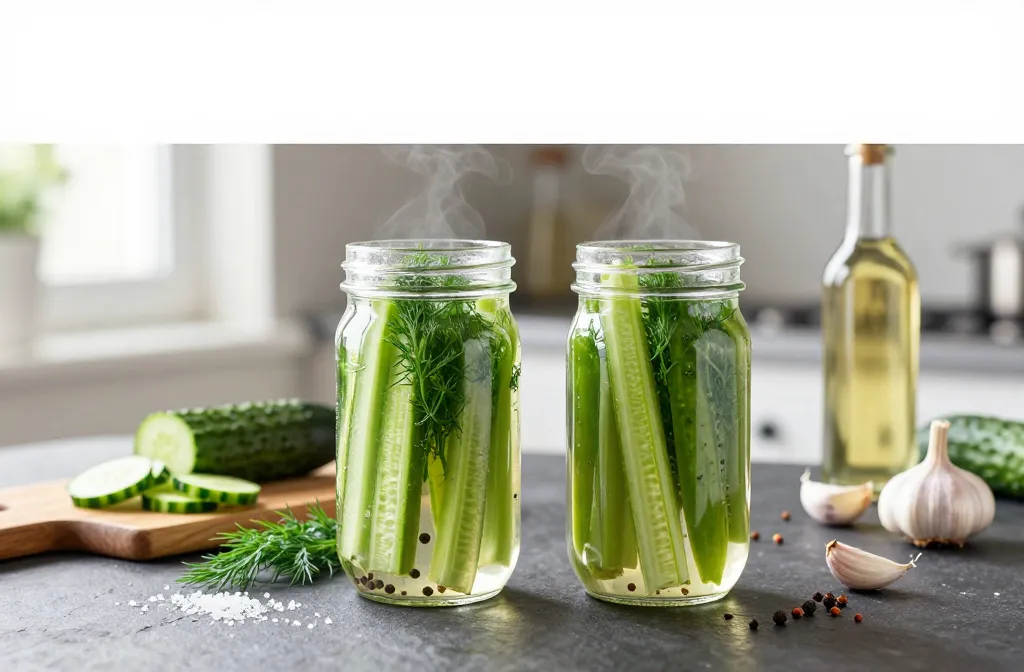
Your cucumber plants went a little too hard, didn’t they? Suddenly you’ve got a crisper drawer packed with green torpedoes and exactly zero salad motivation. Good news: you can turn that pile into crisp, garlicky refrigerator pickles in the time it takes to scroll one social feed. No canning, no drama—just jars of tangy goodness by tomorrow.
Why Refrigerator Pickles Beat Canning (Most Days)
You want fast, crunchy, and low-effort. Refrigerator pickles deliver. You don’t sterilize jars, you don’t boil anything for hours, and you keep the cucumbers cold so they stay snappy.
Plus, the flavor payoff? Immediate gratification. You taste a difference in 24 hours and a big glow-up in 3–5 days. If you want shelf-stable pickles for a year, sure, can them. If you want lunch tomorrow to taste better, make these.
The Basic Formula (AKA: The Pickle Math)
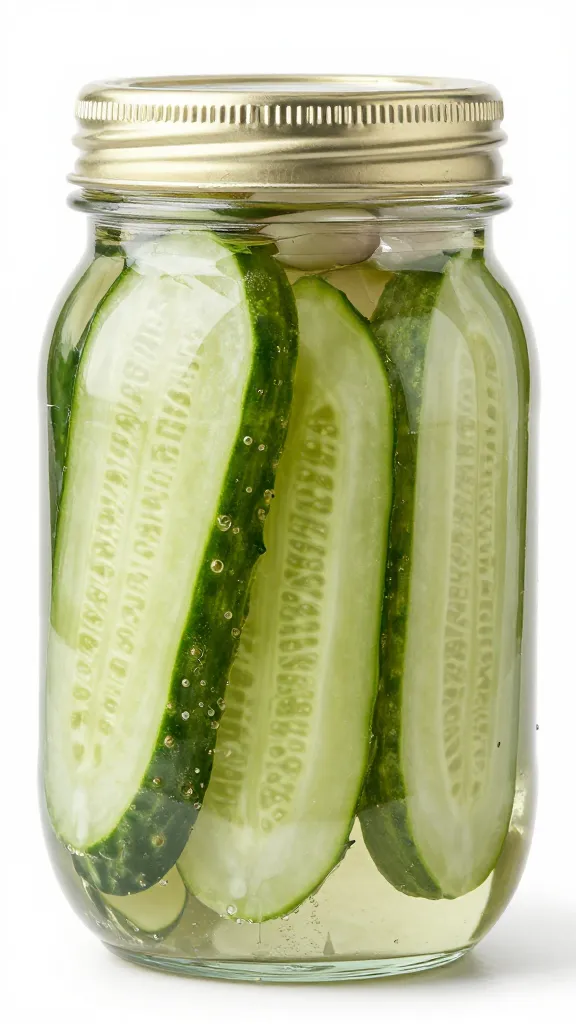
Let’s keep this simple. Use this base for one quart jar. Scale up or down as needed.
Brine (per quart):
- 1 cup vinegar (white or apple cider)
- 1 cup water
- 1 to 1.5 tablespoons kosher salt (not iodized)
- 1–2 teaspoons sugar (optional but highly recommended for balance)
In the jar:
- 4–6 small to medium cucumbers, sliced into spears or coins
- 2–4 cloves garlic, smashed
- 1 teaspoon whole black peppercorns
- Fresh dill sprigs (or 1 teaspoon dried dill)
- Optional: 1–2 bay leaves, 1 teaspoon mustard seeds, a pinch of red pepper flakes
Method, fast-tracked:
- Pack cucumbers and aromatics into a clean jar. Fill it tight, but don’t crush them.
- Warm brine ingredients in a small pot until salt and sugar dissolve. Do not boil.
- Pour warm brine over cucumbers to cover completely. Tap the jar to release air bubbles.
- Cool to room temp, cap, and refrigerate. Taste at 24 hours; peak flavor around day 3–5.
FYI: This ratio gives you bright, balanced pickles. Want face-puckering tart? Bump vinegar to 1.25 cups and decrease water to 0.75 cup.
Choosing the Right Cucumbers (Your Crunch Insurance)
Garden glut or not, not all cukes crunch the same. Pickling cucumbers (Kirby, gherkin types) stay firm and soak up flavor fast. They have fewer seeds and thinner skins.
Got slicing cucumbers? Use them—just slice thicker. Avoid overripe, bloated cukes with big seeds. They go mushy, and mushy pickles feel like betrayal.
Prep Moves That Keep Things Crisp
– Trim off the blossom end (the one opposite the stem) by 1/8 inch. It contains enzymes that soften pickles.
– Ice bath your slices for 15–20 minutes before brining. It perks up limp cucumbers like coffee on a Monday.
– Cut thicker coins (about 1/3 inch) for better crunch, IMO.
Flavor Profiles You’ll Actually Make Again
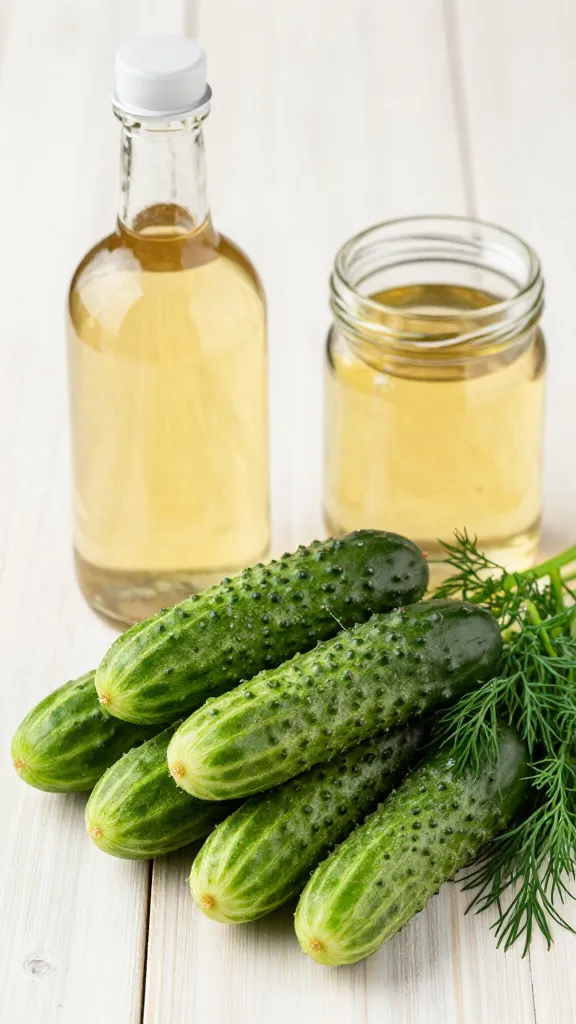
Let’s upgrade past “dill and done.” Here are combos that slap without getting weird.
Classic Deli-Dill
– Garlic, dill, black pepper, mustard seed
– Optional: coriander seed, bay leaf
– Vinegar: white
Result: clean, snappy, perfect on sandwiches.
Spicy “Fridge-Fire”
– Garlic, red pepper flakes, jalapeño slices, mustard seed
– Vinegar: white or apple cider
Result: heat that builds but doesn’t bully. Great with grilled meats.
Sweet-Hot Bread & Butter (Refrigerator Style)
– Thin coins, onion slivers, yellow mustard seed, celery seed
– Add 3–4 tablespoons sugar to brine
– Vinegar: apple cider
Result: nostalgic burger queens/knights will appreciate this.
Za’atar-ish Herb Bomb
– Dill, mint, oregano, lemon zest, sumac (or extra lemon zest if no sumac)
– Vinegar: white wine
Result: bright and herby. Excellent with roasted chicken.
Jar Tetris: How to Pack Like a Pro
Think upright for spears, layering for coins. Start with aromatics on the bottom, cucumbers next, then tuck herbs along the sides.
– Use a chopstick to wiggle out trapped air.
– Leave about 1/2 inch headspace at the top.
– Make sure the brine fully covers the cucumbers. Any bits sticking out turn floppy and sad, like wet socks.
Gear You Already Own
– Clean glass jars with tight lids (Mason jars, repurposed pickle jars, whatever doesn’t smell like last month’s curry)
– Small saucepan for brine
– Funnel if you’re feeling fancy; totally optional
Timing, Storage, and When to Eat the Whole Jar
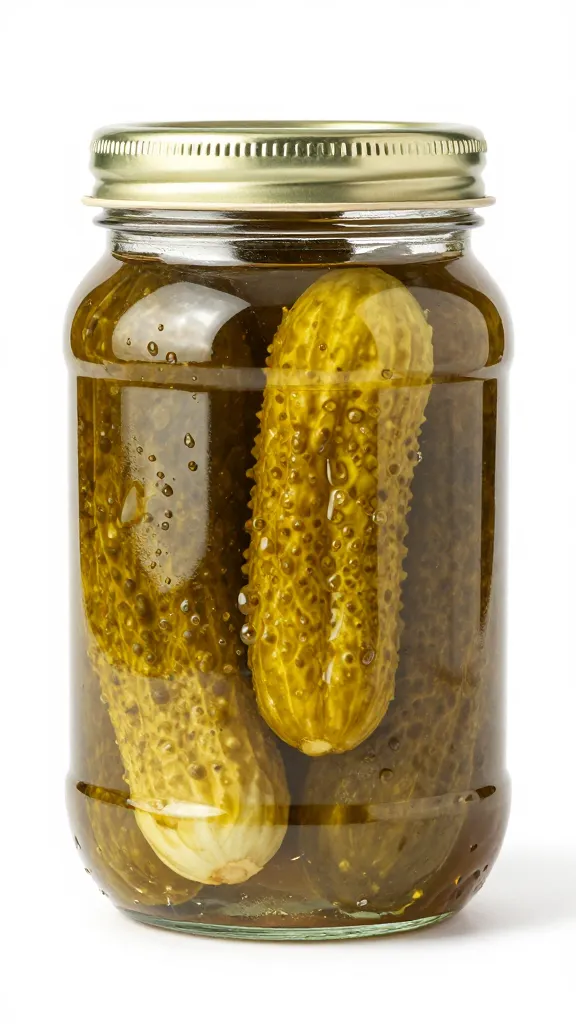
Refrigerator pickles work on your schedule.
– 2–4 hours: lightly seasoned, still mostly cucumber.
– 24 hours: legit pickle territory.
– 3–5 days: flavor fully bloomed, A+ crunch.
– Up to 4 weeks: still great; some herbs fade, but texture holds if you packed right.
Keep jars in the coldest part of your fridge. Always use a clean utensil. Don’t double-dip. You’re not a raccoon.
Troubleshooting: Crunch Killers and Flavor Flops
Stuff happens. Here’s the fix list.
– Mushy pickles? You used overripe cucumbers, sliced too thin, skipped the blossom-end trim, or poured boiling brine. Warm is fine; hot is not.
– Too salty? Next batch, drop salt to 1 tablespoon per quart. For the current jar, add a splash of water and vinegar in equal parts to dilute.
– Too sour? Add 1–2 teaspoons sugar and let it sit overnight. It balances the tang.
– Not enough punch? Add more garlic or dill, shake the jar, and give it another day. Flavor continues to migrate.
Add-Ins That Actually Matter
– Calcium chloride (a “pickle crisp” product): 1/8 tsp per quart for extra crunch. Optional but effective.
– Grape leaves: old-school tannins that help firmness. If your garden has them, toss one in.
– Onion: thin half-moons turn into bonus pickled onions. Zero notes, 10/10.
What to Do With a Whole Bunch of Pickles (Besides Eat Them Over the Sink)
You made jars. Now flex them.
- Chop and mix into tuna salad, egg salad, or chicken salad. Instant upgrade.
- Dice with red onion and parsley for a bright relish. Put on grilled sausages.
- Stack on burgers or tuck into breakfast burritos for tangy contrast.
- Toss coins into grain bowls with feta and tomatoes. Summer in a bowl.
- Use brine for potato salad or deviled eggs. Seriously—brine beats vinegar there.
Don’t Toss the Brine
– Whisk with olive oil and Dijon for a vinaigrette.
– Splash into Bloody Marys. You’re welcome.
– Marinate red onions or shredded carrots for quick-pickled sidekicks.
FAQ
Can I use table salt instead of kosher salt?
You can, but reduce the amount. Table salt packs tighter granules and tastes saltier. Use about 2 teaspoons table salt per quart instead of 1–1.5 tablespoons kosher. Also, avoid iodized salt if you can—it can turn the brine cloudy and tweak the flavor, IMO.
Do I need to sterilize jars for refrigerator pickles?
Nope. Wash jars and lids with hot, soapy water, rinse well, and you’re good. Since you store these in the fridge and eat them within weeks, sterilization isn’t necessary.
How long do refrigerator pickles last?
They stay tasty for 3–4 weeks. The flavor holds, and the texture stays firm if you keep them cold and fully submerged. If anything smells off or looks slimy, ditch it. When in doubt, throw it out—food safety first, FYI.
Can I mix different kinds of cucumbers in the same jar?
Yes, but expect slightly different textures. Pickling types stay crunchier than slicing cucumbers. If you mix, slice them uniformly and eat that jar sooner rather than later.
Do I have to heat the brine?
You don’t have to, but I recommend warming it to dissolve salt and sugar evenly. Pour it in warm, not boiling. Boiling brine can pre-cook your cucumbers and wreck the crunch. We don’t do soggy here.
Can I reduce the sugar to zero?
Absolutely. Sugar balances acidity and rounds flavors, but it’s optional. If you skip it, consider a slightly milder vinegar or add extra herbs so the tang doesn’t shout.
Conclusion
Leftover garden cucumbers aren’t a chore—they’re an opportunity in a jar. With a simple brine, a handful of spices, and a quick chill, you get bright, crunchy pickles that make everything else on your plate taste better. Start with the basic formula, then play—spicy, sweet, herby, whatever your fridge and mood allow. By tomorrow, you’ll wonder why you ever let cucumbers languish in that crisper, IMO.