
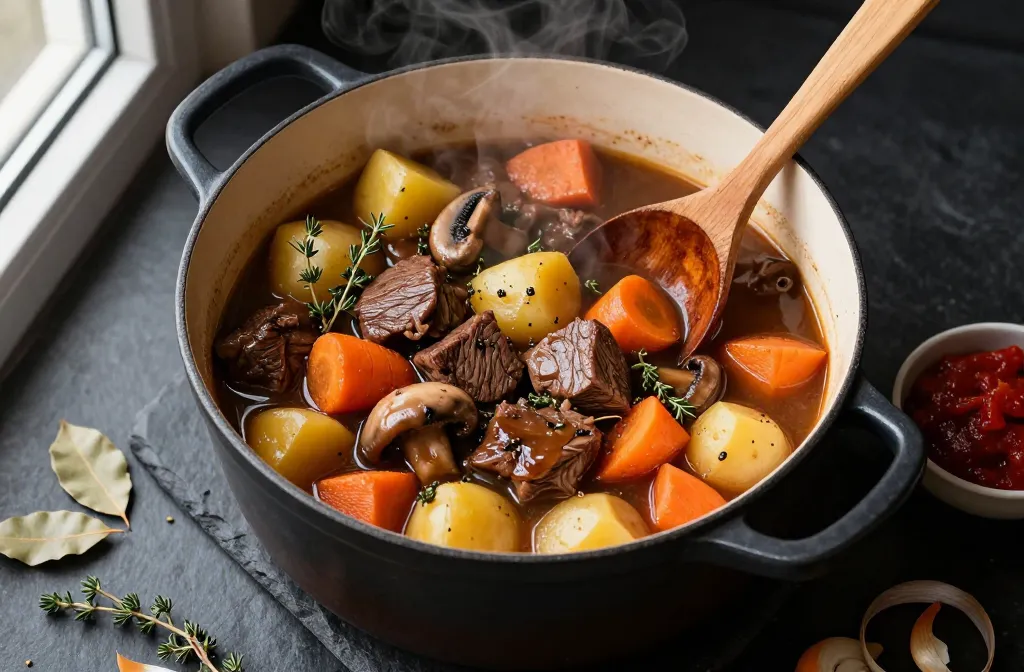
Leftover roast staring you down from the fridge? Perfect. We’re turning that lonely hunk into a cozy, one-pot fall stew that tastes like you planned it all along. No fussy steps, no ten-thousand-ingredient list, just warm, savory comfort. Grab a pot, pour something to sip, and let’s make your kitchen smell ridiculously good.
Why Leftovers Make the Best Stew
Leftover roast already brings deep flavor to the pot. You did the hard work yesterday, so today we just finesse. The meat’s cooked, the edges hold caramelized goodness, and that translates to instant richness.
Plus, stew loves a mix of textures. You get tender meat, velvety potatoes, and brothy vegetables that soak up flavor. Also, IMO, nothing beats the smug satisfaction of using what you have and still eating like royalty.
The Flavor Blueprint
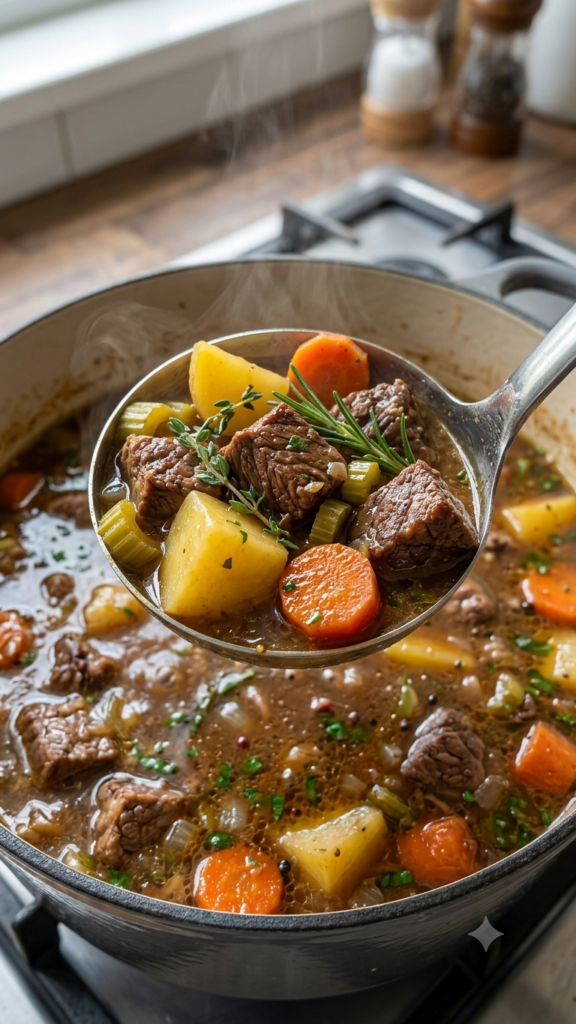
You only need a few building blocks. Think of them like a band: each one does its job, and together they rock.
- Fat + aromatics: A little oil or butter, onion, garlic, maybe celery. Bloomed spices if you’re feeling bold.
- Veg that holds up: Carrots, potatoes, parsnips, sweet potatoes, mushrooms. Use what you’ve got.
- Liquid: Broth (beef or chicken), maybe a splash of wine or cider for fall vibes.
- Acid + umami: Tomato paste, Worcestershire, soy sauce, balsamic, or a squeeze of lemon at the end.
- Herbs: Thyme, rosemary, bay leaves. Fresh or dried—no one’s judging.
Pro Tip: Balance
If your stew tastes flat, add acid. If it tastes sharp, add a little fat or sweetness (caramelized onions, a pinch of brown sugar, or roasted carrots). Salt last, taste often.
Step-by-Step: Your One-Pot Fall Stew
Let’s keep it unfussy and delicious. This method works for beef, pork, lamb, or even leftover rotisserie chicken (FYI, add chicken later so it doesn’t overcook).
- Brown your base: Heat 1-2 tablespoons oil in a heavy pot. Add chopped onion and a pinch of salt. Cook until golden at the edges. Stir in minced garlic for 30 seconds.
- Tomato paste magic: Add 1-2 tablespoons tomato paste. Cook until brick red and fragrant. This step adds serious depth.
- Deglaze: Pour in 1/2 cup red wine, white wine, or apple cider. Scrape up the browned bits. Let it reduce by half.
- Add veg: Toss in chopped carrots, potatoes, and mushrooms. Stir to coat in the tomato-wine goodness.
- Broth + boosters: Add enough broth to barely cover. Stir in 1 teaspoon Worcestershire or soy sauce, a bay leaf, and a sprig of thyme or 1/2 teaspoon dried.
- Simmer: Bring to a gentle simmer. Cover and cook 20-25 minutes, until vegetables almost soften.
- Leftover roast goes in: Add bite-size pieces of your roast. If you have pan drippings or jelly-like stock from the fridge, add that too (liquid gold!). Simmer 10-15 more minutes.
- Finish: Taste. Add salt, black pepper, and a splash of vinegar or lemon juice. If you like it thicker, mash a few potato chunks against the pot side or swirl in a cornstarch slurry.
Optional But Excellent
– A knob of butter at the end for silkiness
– A handful of chopped parsley for brightness
– A spoon of grainy mustard for tang
Vegetable Swaps That Actually Work
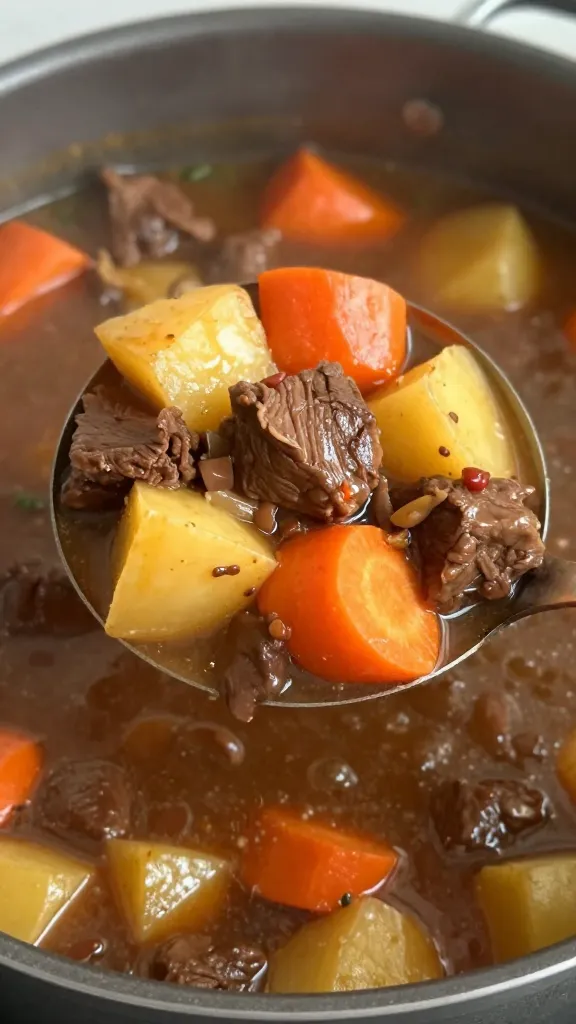
You don’t need a perfect grocery list. You need sturdy vegetables that won’t disappear.
- Root crew: Carrots, parsnips, rutabaga, turnips—earthy and sweet.
- Potatoes: Yukon gold for creamy texture; red potatoes for shape-holding; sweet potatoes for cozy sweetness.
- Mushrooms: Add umami and a “meaty” bite. Brown them early for best flavor.
- Winter squash: Butternut or kabocha works great. Peel and chunk; add a bit earlier since it takes time.
- Greens: Kale or chard in the last 5-10 minutes. Spinach if you must, but add right at the end or it’ll ghost.
Timing Cheat Sheet
– Long-cook veg (carrots, potatoes, squash): 25-30 minutes
– Medium (mushrooms, cabbage): 15-20 minutes
– Quick (peas, kale, corn): last 5-10 minutes
– Cooked meats: last 10-15 minutes, just to warm through
Three Flavor Profiles to Try
You can take this stew in different directions with minimal effort. Choose your own adventure.
Classic Comfort
– Thyme, bay leaf, Worcestershire
– Red wine and beef broth
– Finish with parsley and a splash of red wine vinegar
Maple-Dijon Harvest
– Rosemary, sage
– Apple cider and chicken broth
– Stir in 1 tablespoon Dijon and 1 teaspoon maple syrup at the end
– Great with pork or chicken leftovers
Mushroom-Umami Bomb
– Add dried porcini soaked in hot water; use the strained soaking liquid as part of your broth
– Soy sauce + a dab of miso
– Finish with black pepper and a pat of butter
– Beef or lamb sings here
Texture Tweaks: Thick, Brothy, or In-Between
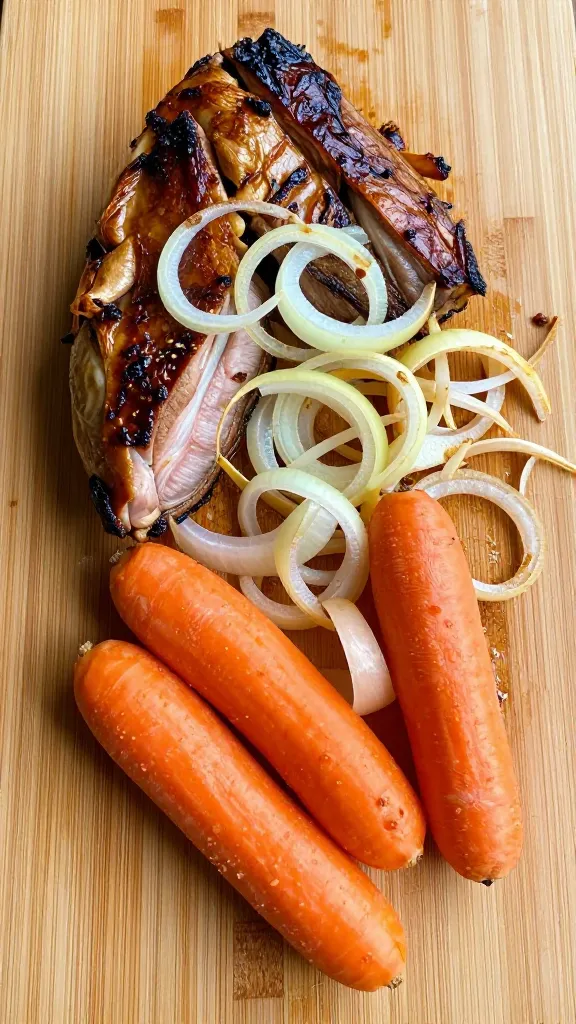
You run the show here.
- Thicker stew: Mash some potatoes into the liquid; or whisk 1 tablespoon cornstarch with cold water and stir into simmering stew; or add a spoon of flour while sautéing aromatics at the start.
- Brothier bowl: Add more stock or water. Adjust seasoning after.
- Silky finish: Swirl in a tablespoon of butter or a splash of cream right before serving. Don’t boil after adding cream or it might split and ruin your big moment.
Serving Ideas That Level It Up
You can absolutely eat it straight from the pot with a spoon. But if you want “I cooked” energy, do this:
- Crusty bread or biscuits: For dunking, obviously.
- Over buttered noodles or mashed potatoes: Carbs on carbs? Yes.
- Crispy topping: Toasted panko in butter with garlic powder and herbs. Sprinkle on top and act fancy.
- Acid pop: A quick gremolata (parsley, lemon zest, garlic) wakes everything up.
Make-Ahead, Storage, and Freezing
Stew improves overnight, like a sitcom character arc. The flavors meld and deepen. If you can, cook it earlier in the day and reheat gently later.
Storage Basics
– Cool fully, then refrigerate in airtight containers for up to 4 days.
– Reheat gently on the stove; add a splash of water or broth if it thickened.
– Freeze up to 3 months. Potatoes can get mealy, FYI. Swap them for par-cooked barley or use fewer potatoes if you plan to freeze.
Leftover Leftovers (Meta!)
– Shred meat and veg, stuff into hand pies with a little cheese.
– Spoon over polenta with extra black pepper.
– Thin with broth for a quick soup, then add noodles for “beef noodle stew,” which sounds made-up but tastes great.
FAQ
Do I need to sear the leftover roast again?
Nope. It’s already cooked. Searing might dry it out. Add it near the end so it warms gently and stays tender.
Can I skip the wine or cider?
Absolutely. Use extra broth and a teaspoon of vinegar or lemon juice at the end. You want that little pop of acidity either way.
How do I fix a bland stew?
Add salt in small pinches, then a splash of acid (vinegar, lemon). If it still needs help, stir in Worcestershire, soy sauce, or a dab of miso. Finally, finish with fresh herbs for brightness. IMO, a squeeze of lemon works small miracles.
What if my stew turned too thick?
Add warm broth or water, a little at a time, and stir. Taste and re-season. Thick isn’t bad, but you don’t want stew you can slice.
Can I use gravy from the roast?
Yes, and you should. Whisk it in with the broth and reduce the salt a bit. It will thicken the stew and add rich, roasty flavor like you meant to do this all along.
Is this doable in a slow cooker?
Yep. Sauté aromatics and tomato paste first on the stove (non-negotiable), then transfer to the slow cooker with veg and broth. Cook on low 5-6 hours. Add leftover meat for the last hour so it doesn’t go stringy.
Conclusion
Leftover roast doesn’t have to feel like homework. With a pot, a few pantry boosters, and some sturdy veg, you get a fall stew that tastes like a weekend project but fits on a weeknight. Keep it simple, finish with acid and herbs, and serve with something buttery on the side. Cozy, unfussy, and highly repeatable—just how soup season should be.