
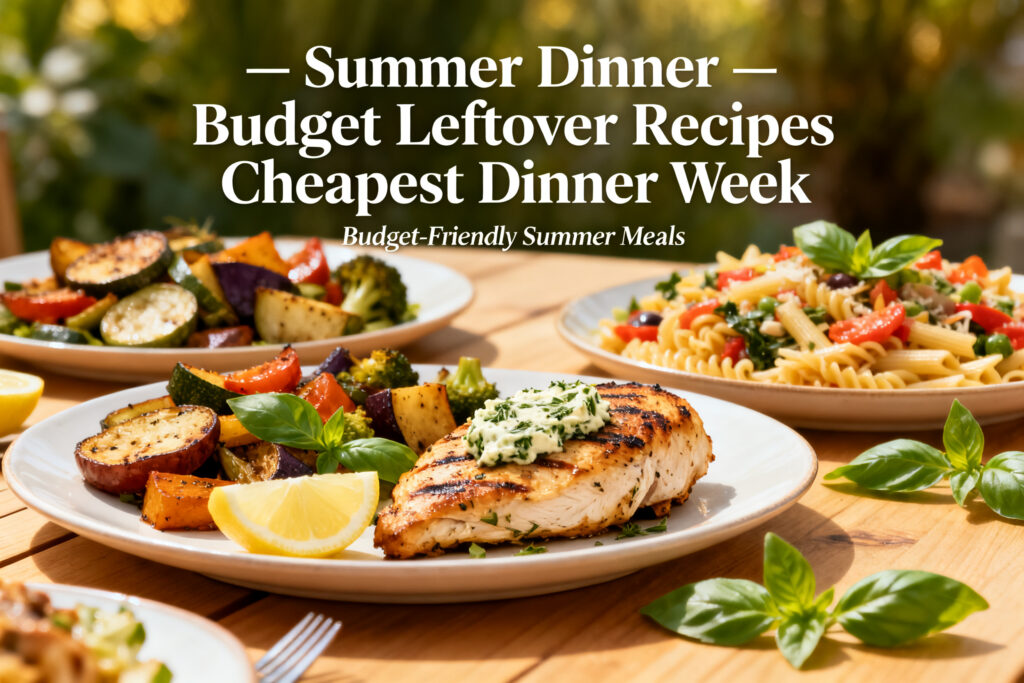
Summer is the season of quick meals, fresh flavors, and making the most of what’s already in your fridge. When money is tight or you just don’t want to waste food, a smart leftover plan can save the week. This guide gives you a simple, flexible recipe blueprint that turns bits of cooked meat, vegetables, rice, pasta, or beans into satisfying dinners.
It’s tasty, affordable, and perfect for busy nights. Best of all, it’s built for variety—no two nights need to taste the same.
Summer Dinner — Budget Leftover Recipes Cheapest Dinner Week - Easy Ways to Stretch What You Have
Ingredients
Method
- Pick your base. Choose cooked grains, pasta, tortillas, or greens. Aim for about 1 cup cooked per person or 2 cups loose greens.
- Add a protein. Use about 1/2–1 cup per person. Shred chicken, rinse canned beans, flake tuna, or cube tofu.
- Load up on produce. Add 1–2 cups chopped vegetables or fruit. Keep pieces small for better texture and faster eating.
- Make a quick sauce. Try 2 tbsp olive oil + 1 tbsp vinegar + pinch of salt and pepper. Or whisk yogurt with lemon, garlic, and herbs. Or mix soy sauce, lime, and honey for an Asian-inspired twist.
- Season boldly. Add spices or herbs. Taste and adjust salt, acid, and heat. Small tweaks make budget meals feel special.
- Finish with a topper. Add something crunchy or creamy: toasted nuts, seeds, crumbled cheese, crushed chips, or a spoon of salsa.
- Serve chilled or warm. In summer, cold or room temp meals shine. Warm gently if serving rice or pasta bowls.
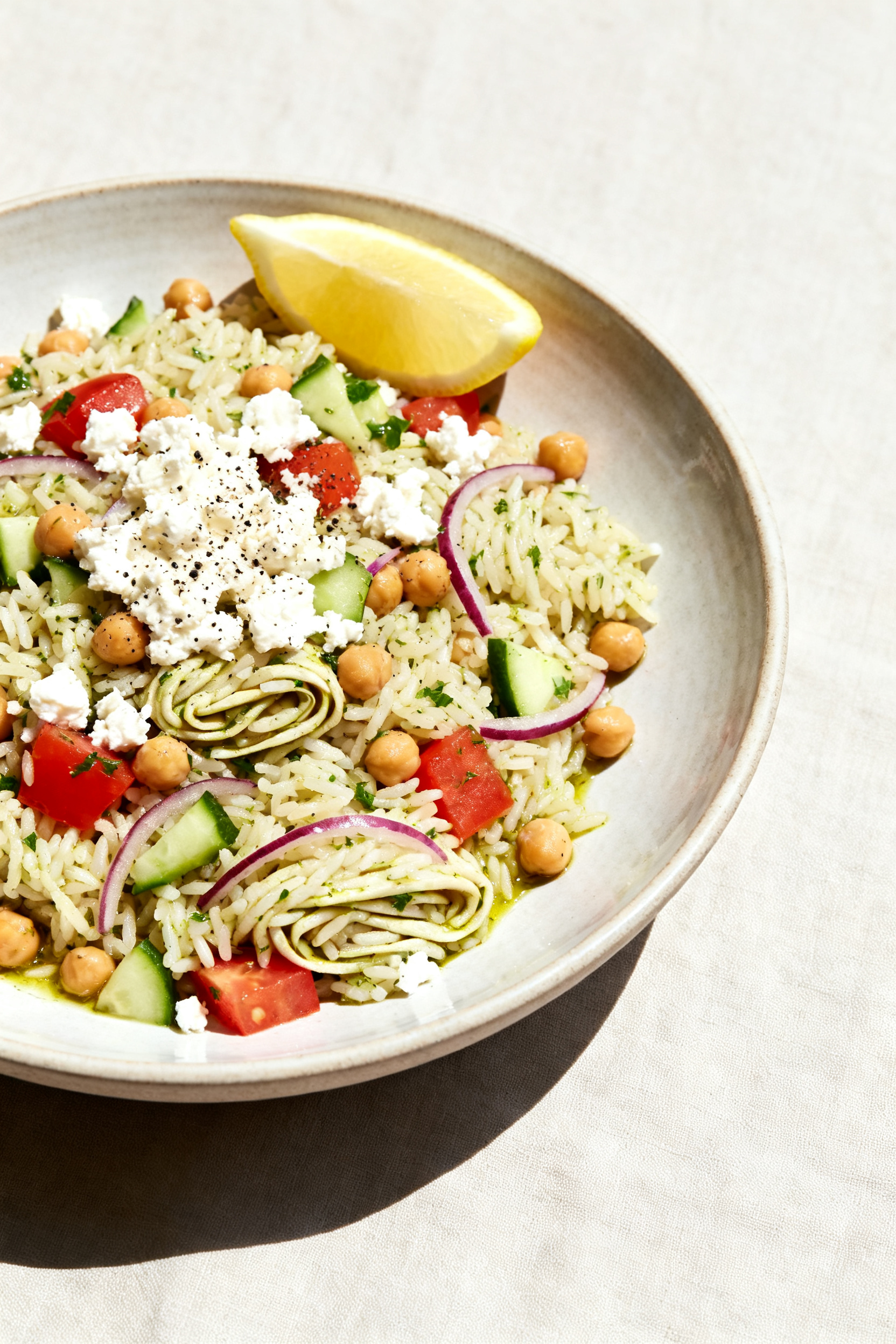
- Monday: Summer Rice Salad — Leftover rice + chickpeas + tomatoes, cucumber, red onion + olive oil, lemon, parsley + feta on top.
- Tuesday: Quick Tuna Couscous — Couscous + canned tuna + corn and diced peppers + Dijon, lemon, olive oil + capers or olives.
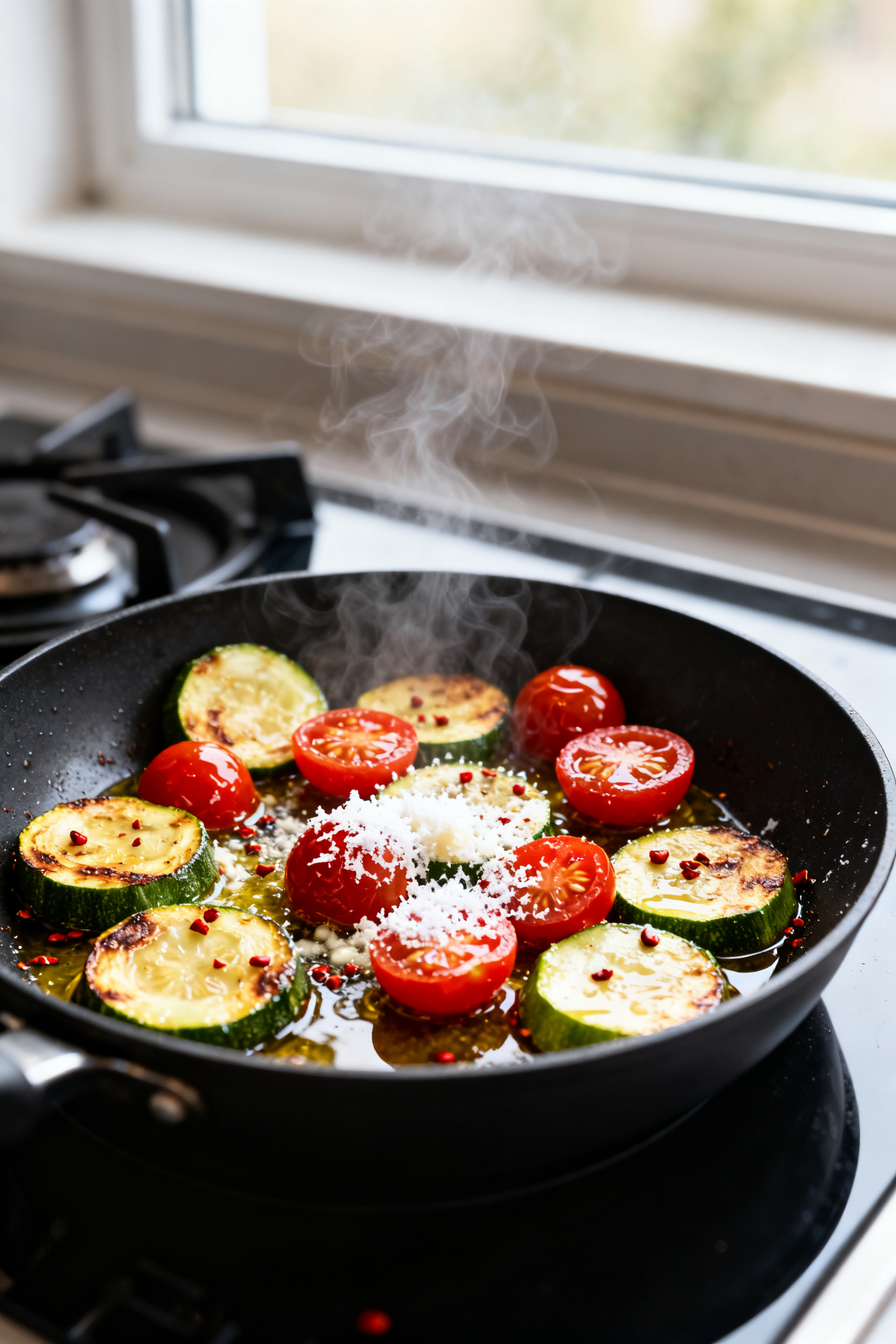
- Wednesday: Zucchini Pasta Toss — Leftover pasta + sautéed zucchini and garlic + cherry tomatoes + parmesan + chili flakes.
- Thursday: Tofu Lettuce Wraps — Crisped tofu + shredded carrots + cucumber + soy-lime-honey dressing + peanuts.
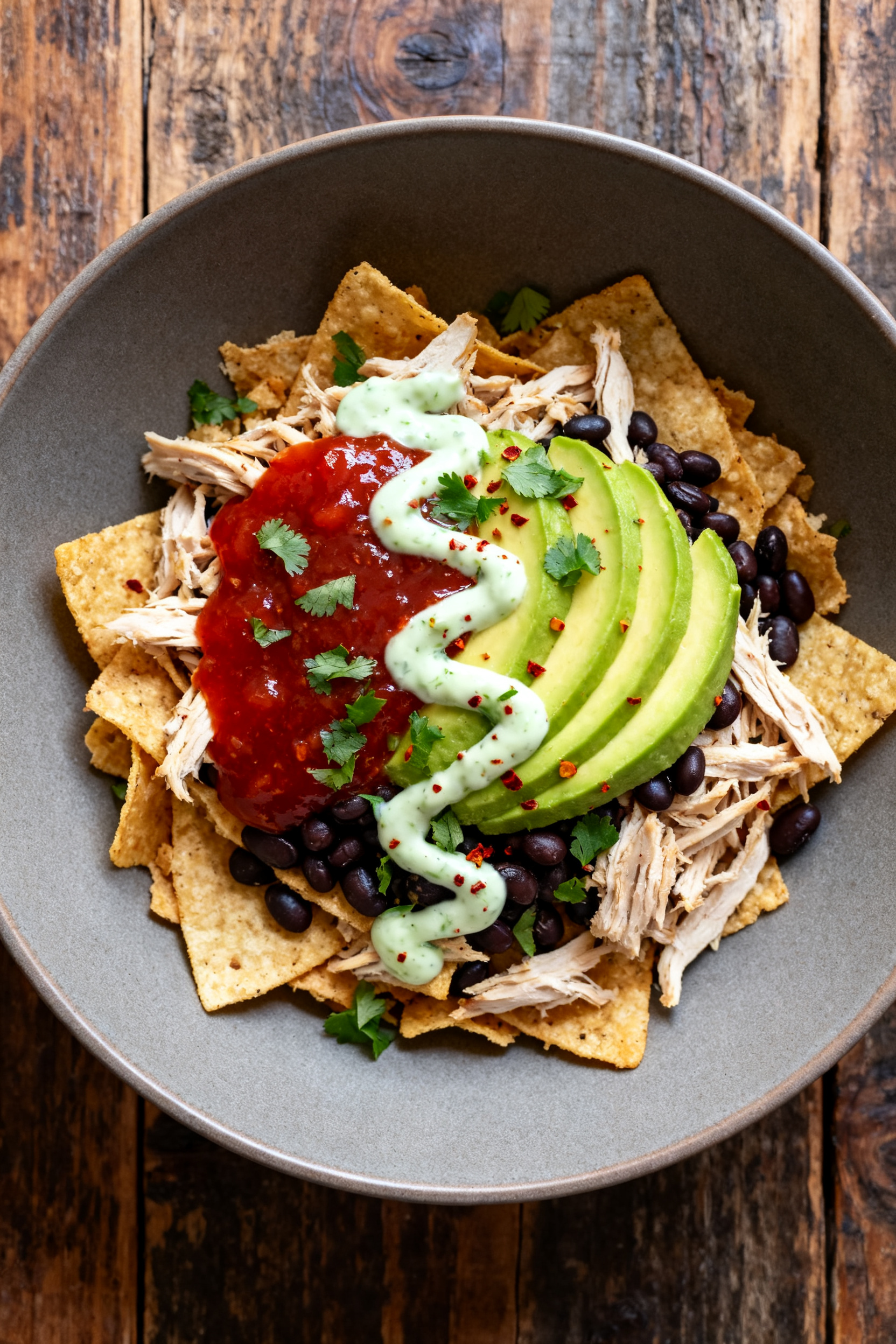
- Friday: Chicken Nacho Bowl — Crushed tortilla chips + shredded chicken + black beans + salsa + avocado + yogurt-lime drizzle.
What Makes This Special
This isn’t one single recipe—it’s a system for a whole week of dinners using leftovers. You’ll combine a base (like rice, couscous, or pasta), a protein (rotisserie chicken, beans, tofu), and fresh summer produce, then tie it together with a quick sauce or dressing.
The results are bright, filling, and affordable.
- Ultra-flexible: Mix and match what you have. It’s impossible to “do it wrong.”
- Summer-friendly: Minimal cooking, lots of fresh ingredients, and cool options for hot days.
- Budget-focused: Designed to use up leftovers and pantry staples so nothing goes to waste.
- Fast: Most meals come together in 15–25 minutes.
What You’ll Need
Think of this as a choose-your-own-adventure list. Pick what’s already in your kitchen and fill any gaps with low-cost basics.
- Bases (choose 1–2 for the week): Cooked rice, couscous, quinoa, pasta, tortillas, crusty bread, or greens (romaine, spinach, arugula).
- Proteins (use leftovers or affordable options): Shredded rotisserie chicken, canned tuna, chickpeas, black beans, eggs, firm tofu, lentils, leftover grilled meat or sausages.
- Summer veggies and fruits: Tomatoes, cucumbers, bell peppers, corn (fresh or frozen), zucchini, red onion, avocado, carrots, herbs (basil, parsley, cilantro), peaches or mango for a fresh twist.
- Flavor builders: Olive oil, vinegar (red wine, apple cider), lemon or lime, soy sauce, Dijon mustard, garlic, yogurt, mayo, hot sauce, honey.
- Spices and extras: Salt, pepper, paprika, chili flakes, cumin, oregano, taco seasoning, feta or shredded cheese, nuts, seeds, olives, pickles.
Step-by-Step Instructions
Use this core method any night of the week.
After the method, you’ll find five sample “Cheapest Dinner Week” ideas you can plug in.
- Pick your base. Choose cooked grains, pasta, tortillas, or greens. Aim for about 1 cup cooked per person or 2 cups loose greens.
- Add a protein. Use about 1/2–1 cup per person. Shred chicken, rinse canned beans, flake tuna, or cube tofu.
- Load up on produce. Add 1–2 cups chopped vegetables or fruit.
Keep pieces small for better texture and faster eating.
- Make a quick sauce. Try 2 tbsp olive oil + 1 tbsp vinegar + pinch of salt and pepper. Or whisk yogurt with lemon, garlic, and herbs. Or mix soy sauce, lime, and honey for an Asian-inspired twist.
- Season boldly. Add spices or herbs.
Taste and adjust salt, acid, and heat. Small tweaks make budget meals feel special.
- Finish with a topper. Add something crunchy or creamy: toasted nuts, seeds, crumbled cheese, crushed chips, or a spoon of salsa.
- Serve chilled or warm. In summer, cold or room temp meals shine. Warm gently if serving rice or pasta bowls.
Five Sample “Cheapest Dinner Week” Plates:
- Monday: Summer Rice Salad — Leftover rice + chickpeas + tomatoes, cucumber, red onion + olive oil, lemon, parsley + feta on top.
- Tuesday: Quick Tuna Couscous — Couscous + canned tuna + corn and diced peppers + Dijon, lemon, olive oil + capers or olives.
- Wednesday: Zucchini Pasta Toss — Leftover pasta + sautéed zucchini and garlic + cherry tomatoes + parmesan + chili flakes.
- Thursday: Tofu Lettuce Wraps — Crisped tofu + shredded carrots + cucumber + soy-lime-honey dressing + peanuts.
- Friday: Chicken Nacho Bowl — Crushed tortilla chips + shredded chicken + black beans + salsa + avocado + yogurt-lime drizzle.
Keeping It Fresh
- Store components separately. Keep bases, proteins, and cut veggies in individual containers.
Combine right before serving.
- Dress just before eating. Sauces can wilt greens. Pack dressing in a small jar if you’re taking it to go.
- Use clear labels. Mark cooked dates on containers. Most cooked grains and proteins last 3–4 days refrigerated.
- Refresh leftovers. Add a squeeze of lemon or a splash of vinegar and a tiny drizzle of oil to perk up day-old bowls.
Benefits of This Recipe
- Budget-smart: Uses what you already have and stretches small amounts of protein.
- Low effort: Minimal cooking, fast assembly, and fewer dishes.
- Nutritious: Balanced carbs, protein, and fiber with plenty of fresh produce.
- Customizable: Fits many diets—vegetarian, dairy-free, or gluten-free with simple swaps.
- Reduced waste: Turns random bits into full meals so you throw away less.
Common Mistakes to Avoid
- Overdressing greens. Too much sauce makes salads soggy.
Start small, then add more if needed.
- Skipping seasoning. Budget meals need bold flavor. Taste for salt, acidity, and heat before serving.
- Forgetting texture. Add crunch or creaminess to keep each bite interesting.
- Mixing everything too far ahead. Keep components separate if you won’t eat right away.
- Ignoring food safety. Don’t keep cooked meats or seafood more than 3–4 days. When in doubt, toss it.
Alternatives
- Gluten-free: Use rice, quinoa, corn tortillas, or greens instead of pasta or couscous.
- Dairy-free: Skip cheese and use avocado, tahini, or dairy-free yogurt for creaminess.
- Vegetarian or vegan: Swap meat for beans, lentils, tofu, or tempeh.
Use vegan dressings.
- High-protein: Add eggs, extra beans, edamame, or Greek yogurt-based sauces.
- No-cook night: Use canned beans, jarred roasted peppers, olives, and pre-washed greens with a quick vinaigrette.
FAQ
How can I keep costs as low as possible?
Plan around staples: rice, beans, eggs, canned tuna, and seasonal produce on sale. Buy one protein for the week—like a rotisserie chicken—and use it in several meals. Flavor with pantry items like vinegar, mustard, and spices instead of pricier specialty sauces.
What if my leftovers are bland?
Build flavor with salt, acid, and heat.
Add a big squeeze of lemon, a spoon of Dijon, chopped herbs, or chili flakes. Even a quick garlic oil—warm olive oil with a smashed garlic clove—can transform a dish fast.
Can I prep this for the whole week?
Yes, but store smart. Cook a big batch of a base, roast or prep a protein, and wash/chop sturdy vegetables.
Keep dressings separate and cut delicate items (like avocado or tomatoes) closer to serving.
What sauces work best in summer?
Light, bright options shine: lemon-olive oil vinaigrette, yogurt-garlic sauce, soy-lime-honey, or a quick salsa-lime mix. Keep a small jar in the fridge and shake before using.
How do I use tiny amounts of leftovers?
Combine them. A half cup of beans, a handful of greens, and a few cherry tomatoes can bulk out rice or pasta.
Small bits make great toppers—think crumbled bacon, shredded cheese, or toasted seeds.
Can I freeze components?
Yes. Cooked rice, beans, and cooked meat freeze well in flat freezer bags for up to 2–3 months. Thaw overnight in the fridge or reheat gently from frozen with a splash of water.
What if I don’t have fresh herbs?
Use dried herbs, but add them early so they hydrate.
Or lean on acid—lemon or vinegar—and a bit of garlic or onion to keep flavors bright.
How do I avoid soggy zucchini or cucumbers?
Salt and drain them for 10 minutes, then pat dry. For zucchini, a quick sauté to drive off moisture helps. Add cucumbers at the very end.
Is this kid-friendly?
Yes.
Keep sauces mild, set toppings in bowls, and let kids build their own plates. Offer a simple base, a familiar protein, and one new ingredient at a time.
What’s a good emergency pantry version?
Cook pasta, add a can of tuna and a can of chickpeas, toss with olive oil, lemon or vinegar, dried oregano, and chili flakes. Finish with any jarred olives or pickles for punch.
Final Thoughts
“Cheapest Dinner Week” doesn’t have to taste cheap.
With a smart base, a thrifty protein, and vibrant summer produce, you can turn random leftovers into dinners you’ll actually look forward to. Keep the method simple, season well, and finish with a crunchy or creamy topper. You’ll save money, reduce waste, and still eat something fresh and satisfying every night.
Printable Recipe Card
Want just the essential recipe details without scrolling through the article? Get our printable recipe card with just the ingredients and instructions.