

Leftovers get a bad rap, but they shouldn’t. They’re time-savers, budget helpers, and a quiet stress reducer on busy nights. A well-planned leftover can turn into a fast, satisfying meal with almost no extra work.
Plus, it cuts food waste, which is good for your wallet and the planet. With a few simple ideas and a bit of seasoning, last night’s dinner can feel brand-new today.
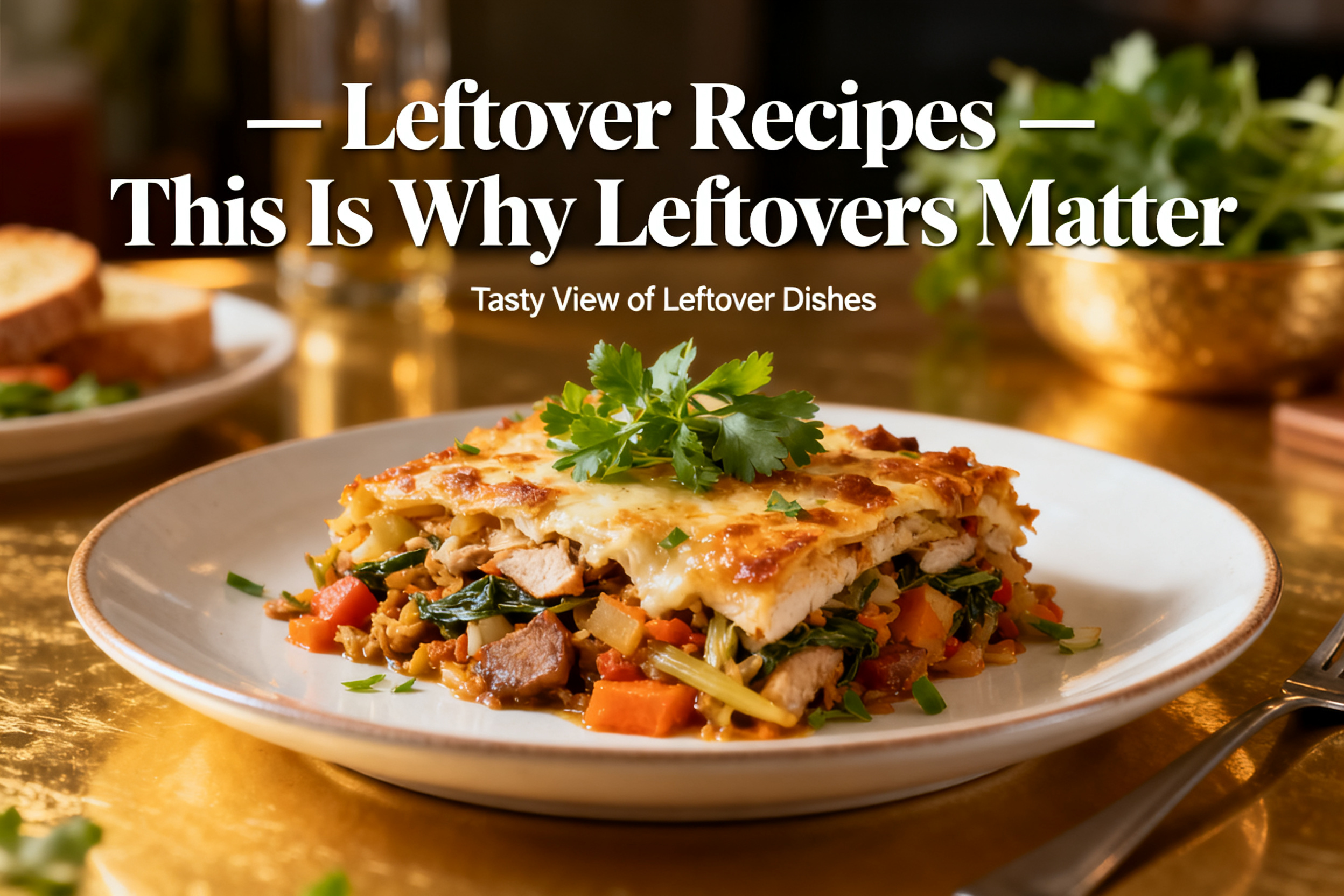
Leftover Recipes — This Is Why Leftovers Matter - Simple, Smart Ways to Eat Well
Ingredients
Method
- Pick your base: Choose a grain or starch to build on. Fluff rice, reheat pasta, or chop roasted potatoes into bite-size pieces.
- Prep the pan: Warm a large skillet over medium heat with 1 tablespoon olive oil. If using garlic or onions, add them now and cook until fragrant.
- Add vegetables: Toss in your leftover veggies. If they’re raw, cook until crisp-tender. If they’re already cooked, just heat through.
- Stir in protein: Add chicken, tofu, beans, or whatever you have. Season with salt, pepper, and a pinch of chili flakes if you like heat.
- Fold in the base: Mix in the rice, pasta, or potatoes. Stir so everything warms evenly and picks up flavor from the pan.
- Sauce it up: Add your chosen sauce. For a lighter option, use 1–2 tablespoons olive oil and a big squeeze of lemon. For bolder flavors, try 2 tablespoons soy sauce and 1 teaspoon sesame oil, or 2 tablespoons pesto. Stir to coat.
- Taste and adjust: Add more acid (lemon or vinegar), salt, or a dash of sweetness (honey or maple) to balance. If it’s dry, drizzle a bit more oil or a splash of water or broth.
- Finish fresh: Turn off the heat. Top with chopped herbs, green onions, and something crunchy. Serve warm in bowls.
What Makes This Recipe So Good
This recipe is more of a flexible framework than a single dish. It turns common leftovers—like roast chicken, cooked rice, or roasted vegetables—into a fresh, flavorful meal bowl or skillet toss.
- Fast: Ready in 15 minutes or less since the main components are already cooked.
- Versatile: Works with almost any protein, grain, and veg you have.
- Balanced: Protein + fiber + healthy fats keep you full and satisfied.
- Low waste: Helps you use what you have instead of letting it go bad.
- Customizable: Adjust spices, sauces, and toppings to match your mood.
What You’ll Need
- Cooked protein: Shredded chicken, sliced steak, tofu, chickpeas, or beans (about 2 cups).
- Cooked grain or starch: Rice, quinoa, farro, pasta, couscous, or roasted potatoes (about 3 cups).
- Cooked or raw vegetables: Roasted veggies, sautéed greens, cherry tomatoes, cucumber, corn, peppers, or frozen peas (2–3 cups).
- A flavorful sauce or seasoning: Options include soy sauce + sesame oil, pesto, salsa, curry paste + coconut milk, or lemon + olive oil.
- Fresh elements: Herbs (cilantro, parsley, basil), green onions, or a squeeze of citrus.
- Crunchy topping (optional): Toasted nuts, seeds, crushed tortilla chips, or crispy onions.
- Pantry basics: Olive oil, salt, pepper, garlic powder or fresh garlic, chili flakes (optional).
Instructions
- Pick your base: Choose a grain or starch to build on.
Fluff rice, reheat pasta, or chop roasted potatoes into bite-size pieces.
- Prep the pan: Warm a large skillet over medium heat with 1 tablespoon olive oil. If using garlic or onions, add them now and cook until fragrant.
- Add vegetables: Toss in your leftover veggies. If they’re raw, cook until crisp-tender.
If they’re already cooked, just heat through.
- Stir in protein: Add chicken, tofu, beans, or whatever you have. Season with salt, pepper, and a pinch of chili flakes if you like heat.
- Fold in the base: Mix in the rice, pasta, or potatoes. Stir so everything warms evenly and picks up flavor from the pan.
- Sauce it up: Add your chosen sauce.
For a lighter option, use 1–2 tablespoons olive oil and a big squeeze of lemon. For bolder flavors, try 2 tablespoons soy sauce and 1 teaspoon sesame oil, or 2 tablespoons pesto. Stir to coat.
- Taste and adjust: Add more acid (lemon or vinegar), salt, or a dash of sweetness (honey or maple) to balance.
If it’s dry, drizzle a bit more oil or a splash of water or broth.
- Finish fresh: Turn off the heat. Top with chopped herbs, green onions, and something crunchy. Serve warm in bowls.
How to Store
- Fridge: Store leftovers in an airtight container for 3–4 days.
Keep sauces and crunchy toppings separate so they stay fresh.
- Freezer: Most cooked grains, proteins, and many veggies freeze well for up to 2–3 months. Avoid freezing high-water raw veg like cucumbers.
- Reheat: Use a skillet with a splash of water or broth to revive texture. Microwave in short bursts, stirring between intervals.
- Label: Write the date and contents.
This keeps you from guessing and helps you use items in time.
Why This is Good for You
- Less stress: Knowing dinner is half done lowers decision fatigue and helps you eat at home more often.
- Better nutrition: Leftovers make it easy to build balanced plates with protein, fiber, and healthy fats.
- Budget-friendly: Using what you have cuts grocery costs and food waste.
- Consistent portions: Pre-cooked ingredients help you portion realistically and avoid overeating.
- Sustainable: Reducing waste means fewer resources used and less food in landfills.
What Not to Do
- Don’t let leftovers sit out: Refrigerate within 2 hours (1 hour if it’s hot and humid) to keep food safe.
- Don’t reheat repeatedly: Heat only what you’ll eat. Reheating multiple times affects quality and safety.
- Don’t mix new and old blindly: If your leftovers are near their limit, don’t combine them with freshly cooked food in the same container.
- Don’t skip seasoning: Leftovers can taste flat. Add acid, salt, and something fresh to wake them up.
- Don’t ignore texture: Balance soft grains with crunchy toppings or crisp veggies for a better bite.
Recipe Variations
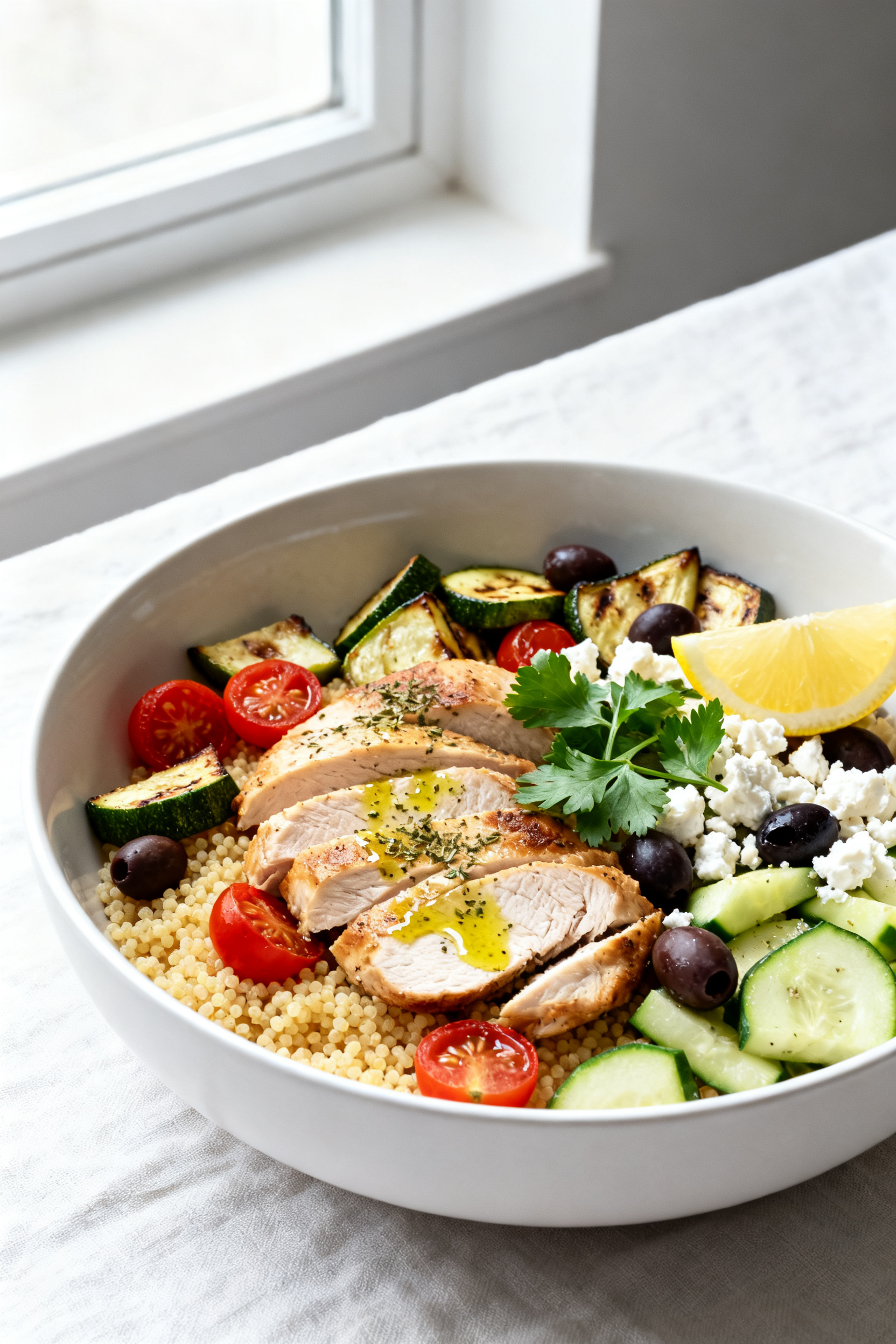
- Mediterranean Bowl: Leftover chicken, couscous, cucumber, tomatoes, olives, and feta.
Dress with lemon, olive oil, and oregano.
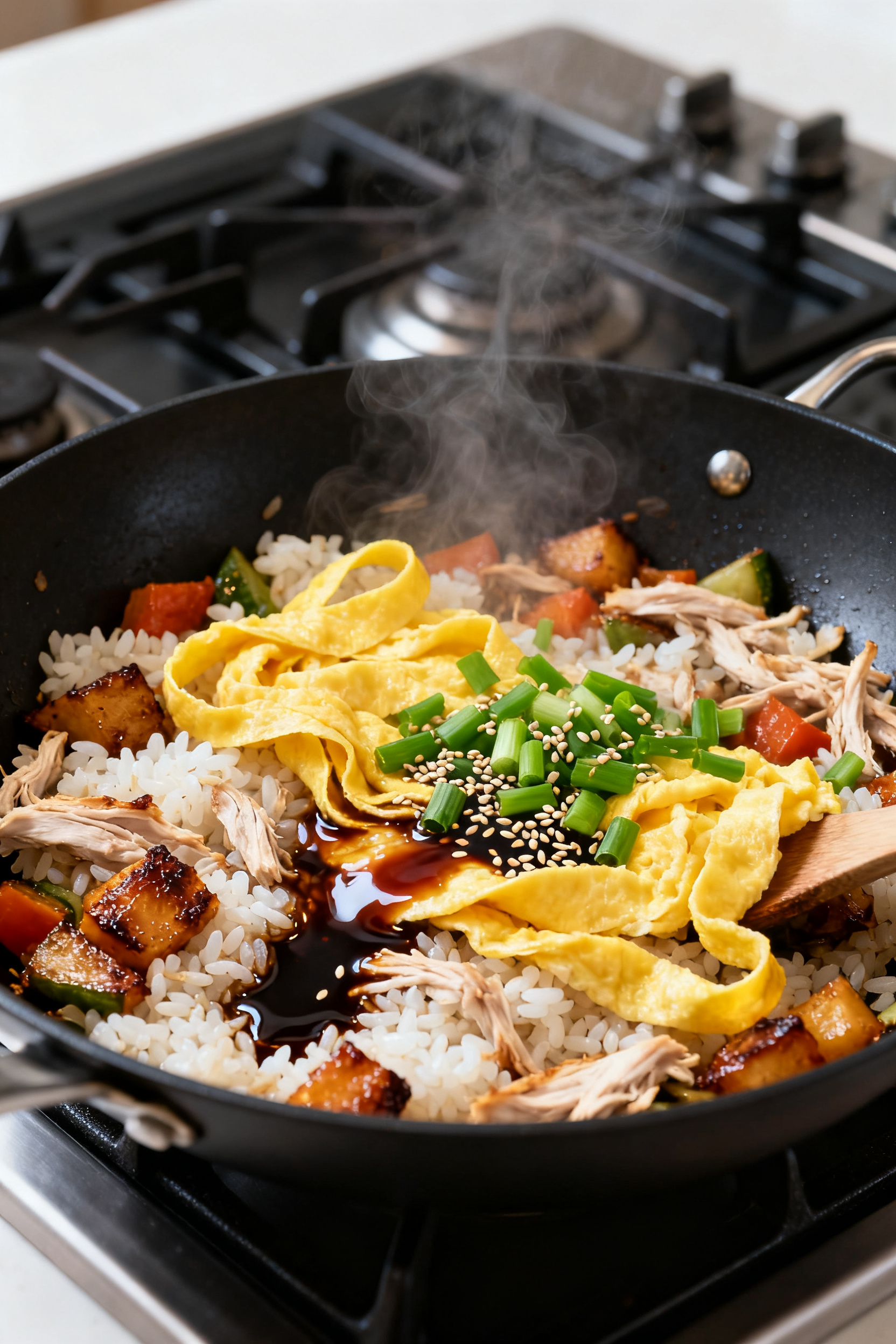
- Fried Rice-Style Skillet: Day-old rice, mixed veggies, scrambled egg or tofu, soy sauce, sesame oil, and green onions.
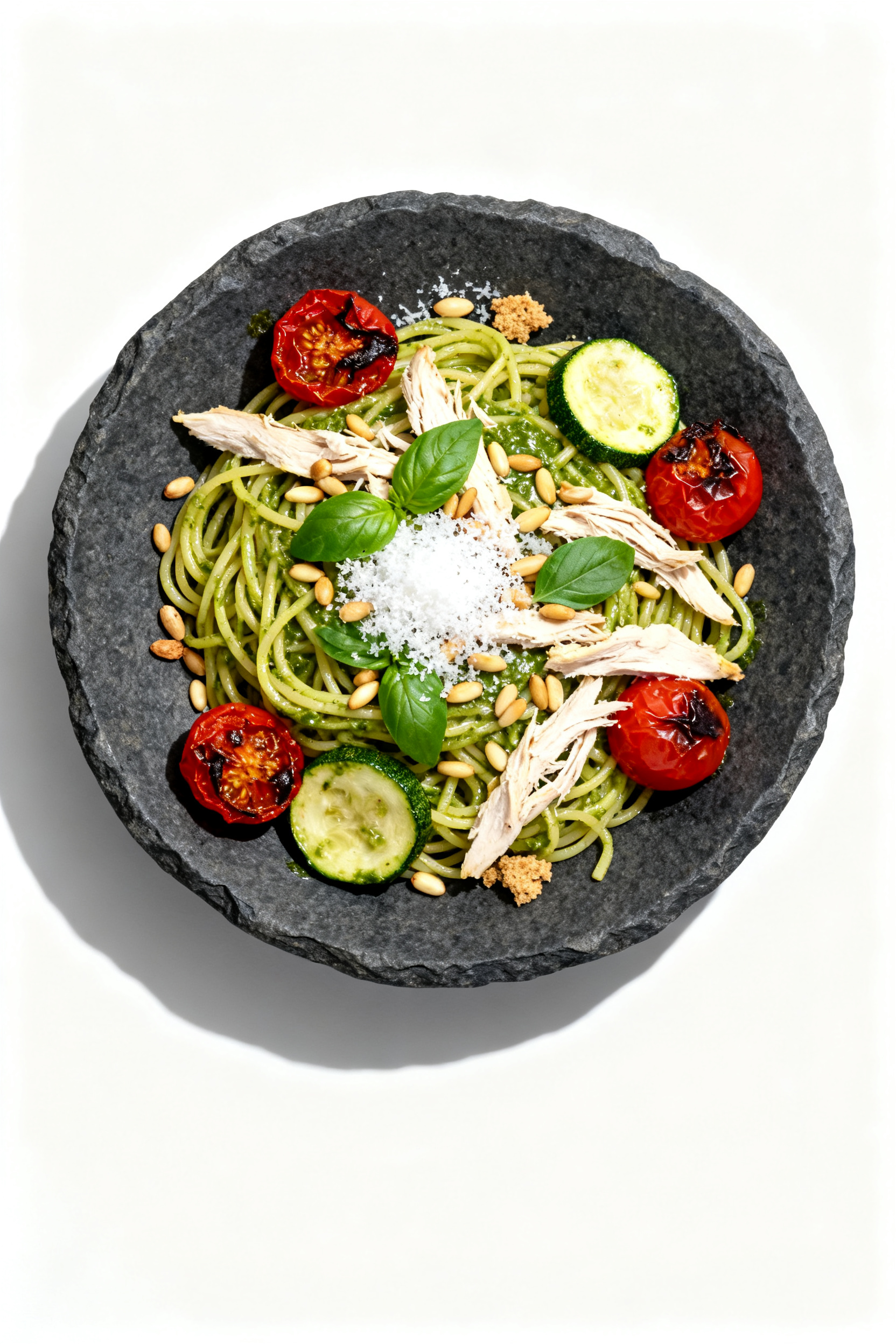
- Pesto Pasta Toss: Leftover pasta, roasted zucchini, cherry tomatoes, shredded rotisserie chicken, pesto, and toasted pine nuts.
- Tex-Mex Wraps: Leftover beef or beans, rice or potatoes, peppers, corn, salsa, and cheese in a tortilla. Add lime and cilantro.
- Curry Reinvented: Stir curry paste into coconut milk, then add leftover veggies and chickpeas. Serve over rice with lime.
- Sheet-Pan Nachos: Chips topped with leftover shredded meat or beans, corn, peppers, cheese.
Bake, then add avocado and salsa.
- Soup Stretch: Simmer leftover roasted veg with broth and seasonings. Blend for a smooth soup or leave it chunky.
FAQ
How long are leftovers safe to eat?
Most cooked leftovers are safe for 3–4 days in the fridge if stored properly. If you won’t use them in time, freeze them within that window.
When in doubt, check smell, texture, and appearance, but safety times are your best guide.
What’s the best way to reheat without drying food out?
Use gentle heat and moisture. In a skillet, add a splash of water or broth and cover briefly. In the microwave, cover the dish and heat in short intervals, stirring in between.
A drizzle of oil or sauce helps revive texture and flavor.
Can I mix different leftovers together?
Yes, as long as all items are still fresh and safe. Stick to similar flavor profiles or tie them together with a unifying sauce—like pesto, soy-sesame, or a simple lemon-olive oil dressing.
What should I do with small amounts that don’t seem useful?
Keep a “bits and bobs” container for small veggie pieces or proteins. Use them in omelets, quesadillas, soups, or grain bowls once you’ve built up enough.
How can I make leftovers feel new?
Add contrast and freshness.
Use acid (lemon, vinegar), fresh herbs, crunchy toppings, and a bold sauce. Changing the format—turning roast chicken into tacos or soup—also makes it feel like a new meal.
Is it okay to freeze cooked pasta or rice?
Yes. Freeze in portions with a tiny drizzle of oil.
Reheat with a splash of water or broth to bring back moisture. Al dente pasta freezes and reheats better than very soft pasta.
What containers should I use?
Airtight glass containers are great for reheating and reduce plastic use. If using plastic, pick BPA-free, microwave-safe options.
Label with the date so nothing gets lost.
Wrapping Up
Leftovers aren’t second-rate—they’re smart cooking. With a few basics and a go-to sauce, you can turn what you already have into something tasty and fresh in minutes. It saves time, money, and effort, and it helps you eat well on your busiest days.
Keep it simple, season boldly, and let your fridge work for you.
Printable Recipe Card
Want just the essential recipe details without scrolling through the article? Get our printable recipe card with just the ingredients and instructions.