
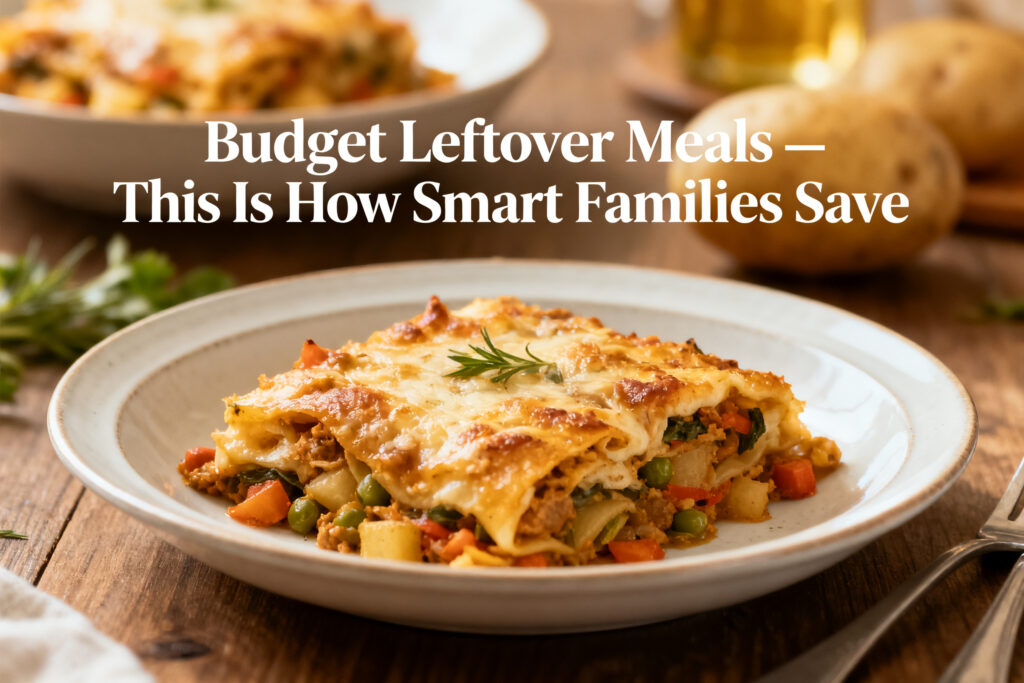
Smart families stretch their grocery dollars by giving leftovers a second life. It’s not about eating the same plate twice—it’s about turning last night’s chicken, rice, or veggies into something fresh and exciting. This approach saves time, money, and stress on busy weeknights.
Plus, it cuts food waste, which helps your budget and the planet. With a little planning and a few pantry staples, you can build delicious, low-cost meals everyone will actually want to eat.
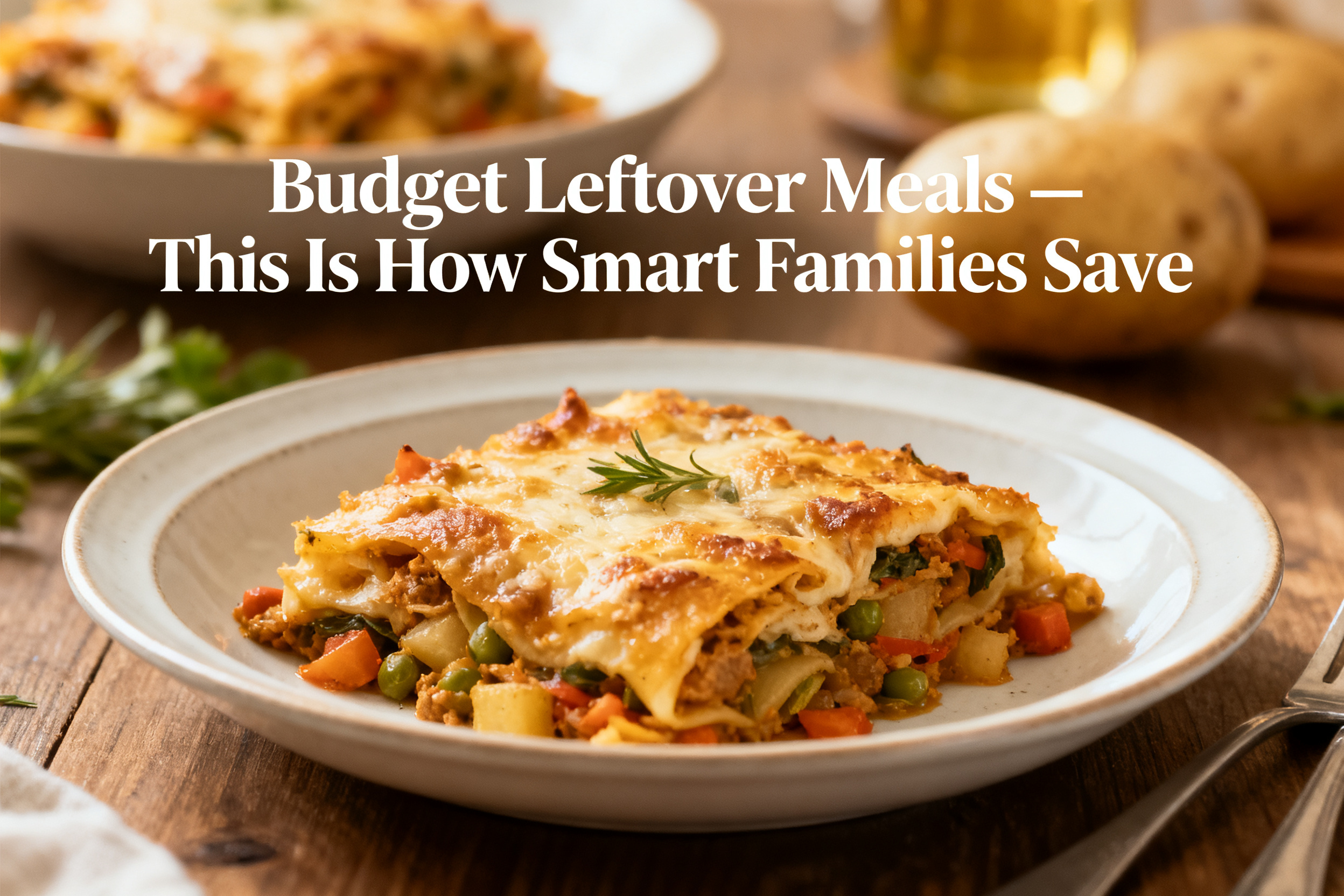
Budget Leftover Meals — This Is How Smart Families Save - Simple, Tasty Ways to Use What You Have
Ingredients
Method
- Take Inventory: Pull out all usable leftovers and set them on the counter. Aim for a protein, a base, some veggies, and a sauce or seasoning. This helps you see what can become a bowl, wrap, pasta bake, or soup.
- Pick Your Format: Choose a format that fits your ingredients: stir-fry bowl, quesadillas, fried rice, pasta skillet, soup, curry, loaded baked potatoes, or salad bowls. Format first, flavors second keeps things simple.
- Refresh the Base: If rice or pasta is clumpy, splash with water and microwave until fluffy. For tortillas or bread, warm them to soften. Roast cold potatoes in the oven or air fryer to re-crisp.
- Build Flavor Fast: Warm a pan with oil. Add aromatics if you have them—garlic, onion, or a spoon of tomato paste. Stir for 30–60 seconds to wake up flavor. Then add your leftover protein and veggies to heat through.
- Add Sauce or Seasoning: Choose one direction. Examples: soy sauce + sesame oil for an Asian-style bowl; taco seasoning + salsa for Tex-Mex; pesto + Parmesan for Italian; curry paste + coconut milk for a quick curry. One bold flavor is enough.
- Combine With the Base: Toss your warmed protein and veggies with rice, pasta, or potatoes. If using tortillas, layer the filling and fold. For soups, add broth and simmer. Adjust seasoning with salt, pepper, and acid (lemon or vinegar).
- Add a Binder (Optional): For bakes or quesadillas, add shredded cheese or a beaten egg to hold things together. For salad bowls, whisk a quick dressing: 2 parts olive oil, 1 part vinegar, pinch of salt, dash of mustard or honey.
- Top It Off: Finish with a garnish—fresh herbs, a squeeze of citrus, chopped nuts, yogurt, or hot sauce. Garnishes make leftovers feel new.
- Taste and Fix: Taste before serving. If it’s dull, add salt. If heavy, add acid. If too salty, add a splash of water or unsalted starch. Balance is key.
- Serve Smart: Offer sides that use up more bits—a simple green salad, buttered toast, or fruit. Keep portions reasonable to avoid more leftovers piling up.
Why This Recipe Works
This “recipe” is more of a flexible template than one strict dish. It shows you how to transform common leftovers into new, complete meals with minimal effort.
You’ll pair a base (like rice, pasta, or bread) with a protein, vegetables, and a quick sauce or seasoning. The result is fast, balanced, and uses what you already have. It’s budget-friendly, customizable, and perfect for families with different tastes.
Ingredients
Use this master list as your mix-and-match guide. You don’t need everything—just pick what matches your leftovers.
- Leftover Proteins: Rotisserie chicken, roasted turkey, cooked ground beef or turkey, sausage, baked tofu, beans or lentils, leftover steak or pork, flaked fish or canned tuna.
- Leftover Carbs/Bases: Cooked rice, quinoa, pasta, couscous, roasted potatoes, tortillas, flatbreads, stale bread for crumbs or croutons.
- Leftover Vegetables: Roasted veggies, steamed greens, salad odds and ends, corn, peas, sautéed peppers and onions, cooked mushrooms.
- Fresh Pantry Helpers: Eggs, cheese (any type), canned tomatoes, tomato paste, coconut milk, broth or stock, frozen mixed vegetables.
- Sauces and Seasonings: Soy sauce, hot sauce, salsa, pesto, curry paste or powder, Italian seasoning, garlic powder, onion powder, paprika, taco seasoning, olive oil, vinegar, mustard, mayonnaise, honey.
- Garnishes: Green onions, cilantro, parsley, lemon or lime wedges, yogurt or sour cream, nuts or seeds, pickles.
Step-by-Step Instructions
- Take Inventory: Pull out all usable leftovers and set them on the counter.
Aim for a protein, a base, some veggies, and a sauce or seasoning. This helps you see what can become a bowl, wrap, pasta bake, or soup.
- Pick Your Format: Choose a format that fits your ingredients: stir-fry bowl, quesadillas, fried rice, pasta skillet, soup, curry, loaded baked potatoes, or salad bowls. Format first, flavors second keeps things simple.
- Refresh the Base: If rice or pasta is clumpy, splash with water and microwave until fluffy. For tortillas or bread, warm them to soften.
Roast cold potatoes in the oven or air fryer to re-crisp.
- Build Flavor Fast: Warm a pan with oil. Add aromatics if you have them—garlic, onion, or a spoon of tomato paste. Stir for 30–60 seconds to wake up flavor.
Then add your leftover protein and veggies to heat through.
- Add Sauce or Seasoning: Choose one direction. Examples: soy sauce + sesame oil for an Asian-style bowl; taco seasoning + salsa for Tex-Mex; pesto + Parmesan for Italian; curry paste + coconut milk for a quick curry. One bold flavor is enough.
- Combine With the Base: Toss your warmed protein and veggies with rice, pasta, or potatoes. If using tortillas, layer the filling and fold.
For soups, add broth and simmer. Adjust seasoning with salt, pepper, and acid (lemon or vinegar).
- Add a Binder (Optional): For bakes or quesadillas, add shredded cheese or a beaten egg to hold things together. For salad bowls, whisk a quick dressing: 2 parts olive oil, 1 part vinegar, pinch of salt, dash of mustard or honey.
- Top It Off: Finish with a garnish—fresh herbs, a squeeze of citrus, chopped nuts, yogurt, or hot sauce. Garnishes make leftovers feel new.
- Taste and Fix: Taste before serving.
If it’s dull, add salt. If heavy, add acid. If too salty, add a splash of water or unsalted starch.
Balance is key.
- Serve Smart: Offer sides that use up more bits—a simple green salad, buttered toast, or fruit. Keep portions reasonable to avoid more leftovers piling up.
Storage Instructions
- Cool Quickly: Spread hot foods in a shallow container to cool before sealing. Store in airtight containers within two hours.
- Refrigerate or Freeze: Most cooked leftovers last 3–4 days in the fridge.
Freeze portions you won’t use by day three. Label with the date.
- Reheat Properly: Reheat to steaming hot. Add a splash of water or broth to prevent drying.
Stir midway for even heat.
- Separate Components: Store sauces and crunchy toppings apart so textures stay fresh when reheated.
- Use-First Box: Keep a “use-first” bin in the fridge so the oldest items don’t get lost in the back.
Benefits of This Recipe
- Saves Money: You’re building meals from food you already paid for.
- Cuts Waste: Fewer scraps end up in the trash.
- Fast Weeknights: Most makeovers take 15–20 minutes.
- Flexible and Family-Friendly: Each person can customize bowls or wraps to taste.
- Nutrition Boost: Mixing proteins, veggies, and whole grains creates balanced plates.
Common Mistakes to Avoid
- Overcomplicating Flavors: Too many sauces fight each other. Pick one theme.
- Skipping Moisture: Leftovers dry out. Add broth, water, or a little oil while reheating.
- Uneven Heating: Large chunks heat poorly.
Cut pieces into bite-sized bits for even warmth.
- Forgetting Texture: Add crunch (toasted crumbs, nuts) or freshness (herbs, lemon) to avoid a mushy result.
- Not Labeling: Unlabeled containers get ignored. Date and name your portions.
Variations You Can Try
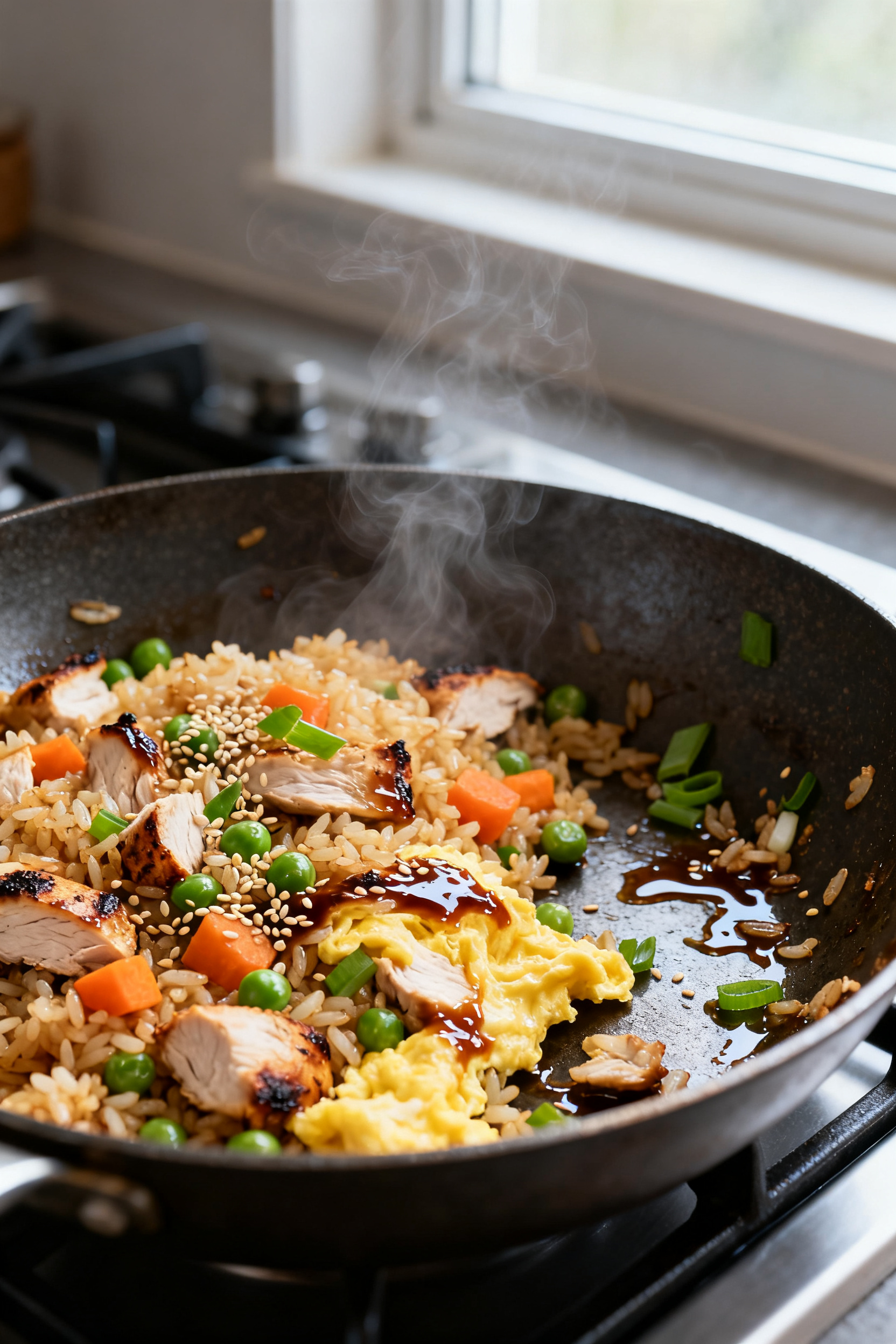
- Fried Rice Makeover: Leftover rice + chopped chicken or tofu + mixed veggies. Season with soy sauce, garlic powder, and a scrambled egg.
Finish with sesame oil and green onions.
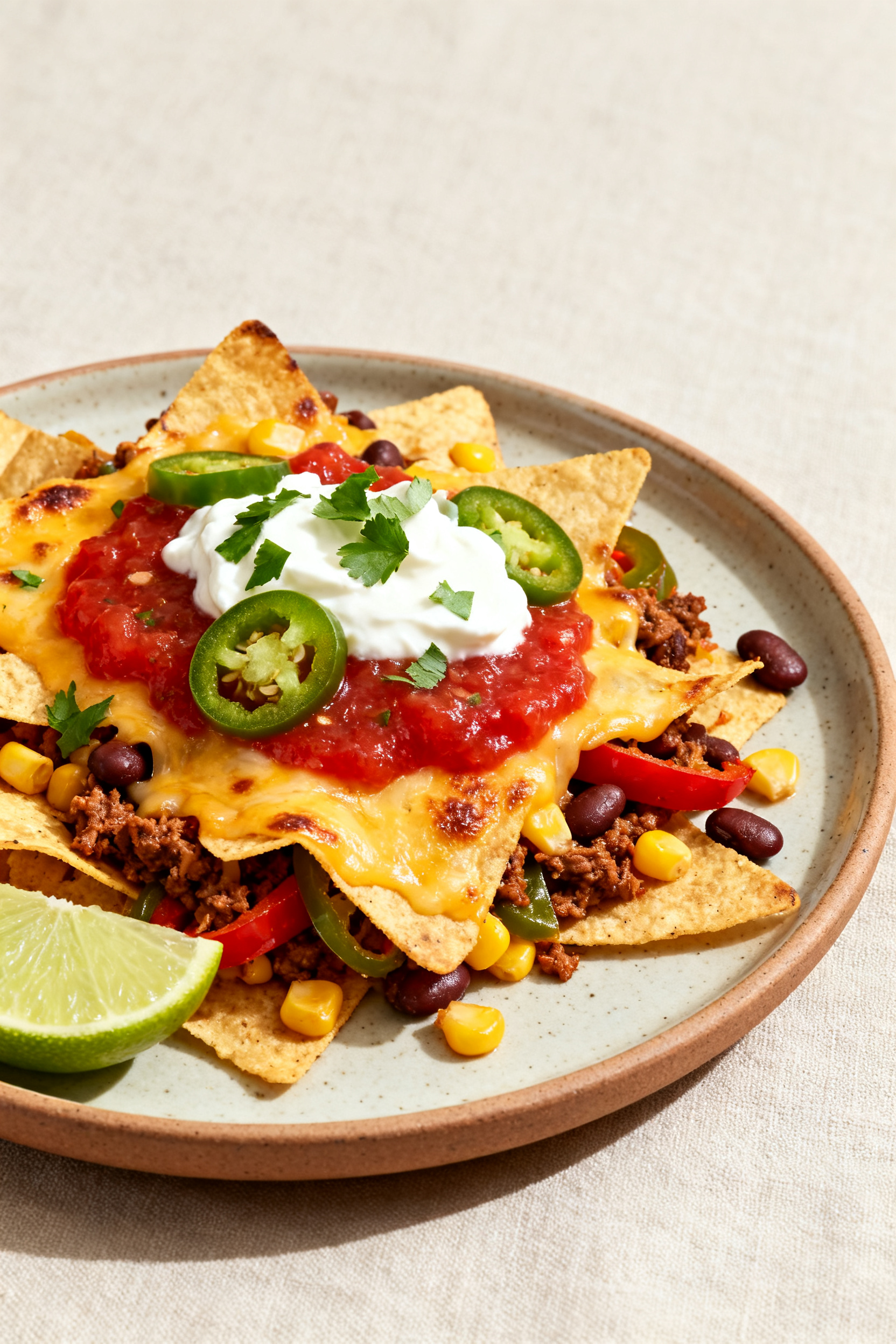
- Sheet-Pan Nachos: Tortilla chips + leftover beans or taco meat + corn and peppers. Top with cheese, bake until melted, and finish with salsa and yogurt.
- Pasta Skillet: Cooked pasta + roasted veggies + shredded chicken. Stir in pesto or a can of tomatoes with Italian seasoning.
Sprinkle Parmesan.
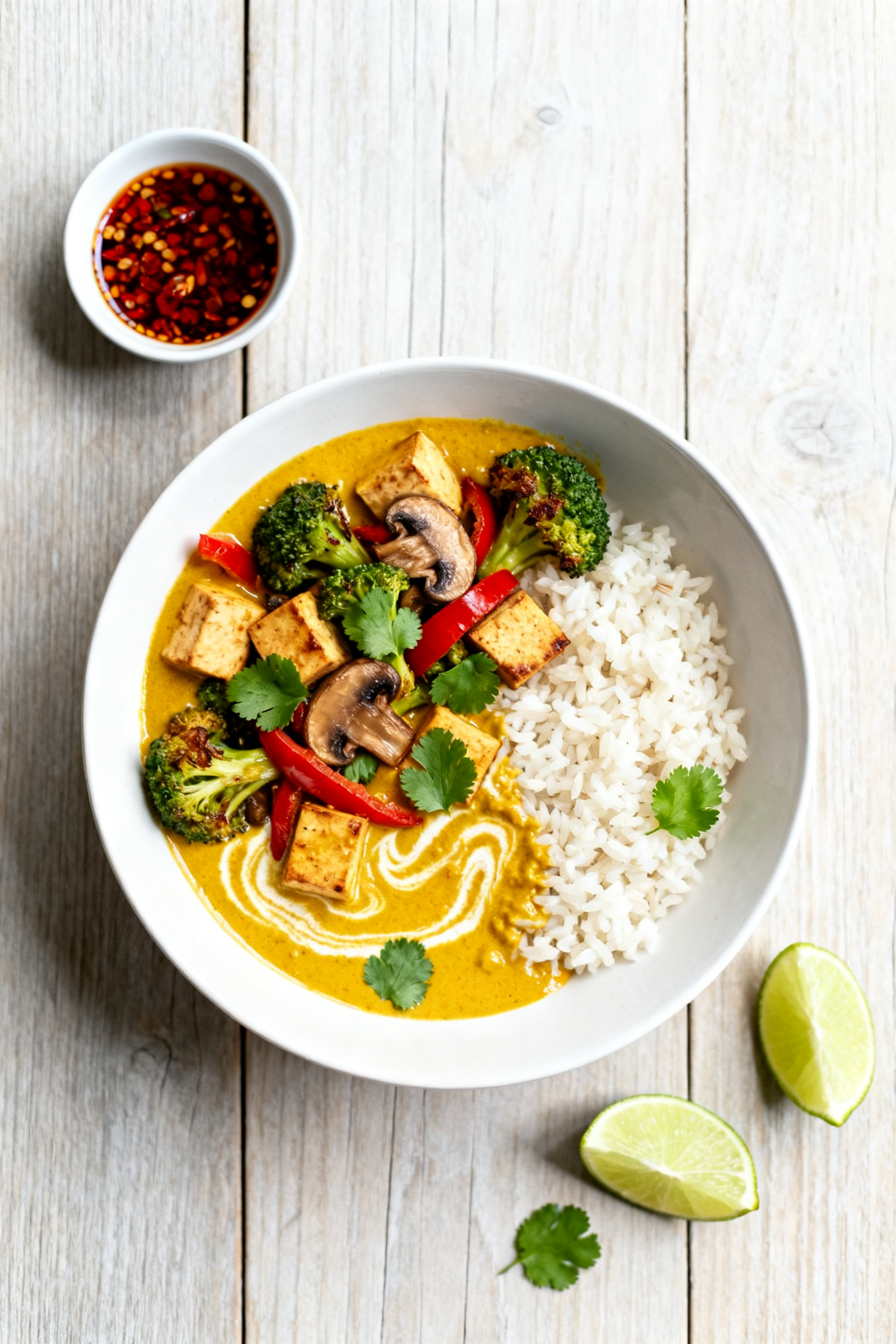
- Quick Curry: Any protein + mixed veggies + curry paste + coconut milk. Simmer and serve over rice with lime.
- Quesadilla Night: Leftover meat or beans + sautéed onions + cheese in tortillas. Crisp in a pan and serve with salsa.
- Soup Stretch: Sauté onion and garlic, add any chopped leftovers, pour in broth, and simmer.
Add pasta or rice if needed. Finish with herbs and lemon.
- Loaded Baked Potatoes: Reheat potatoes, mash the insides with a little butter and cheese, and top with chili, broccoli, or shredded chicken.
- Mediterranean Bowls: Quinoa or rice + cucumbers, tomatoes, olives + leftover salmon or chickpeas. Drizzle with lemon-olive oil and a dollop of yogurt.
FAQ
How long are leftovers safe to eat?
Most cooked leftovers are safe for 3–4 days in the fridge when stored properly.
If you won’t use them by day three, freeze them. Always reheat until steaming hot.
What if I only have small amounts of several things?
Combine them into a mixed bowl, fried rice, or soup. Small portions work great together when tied with one strong seasoning or sauce.
How do I keep reheated food from drying out?
Add a splash of water or broth, cover loosely, and reheat gently.
Stir halfway. For the oven, cover with foil. For the microwave, use a damp paper towel.
Can I mix different proteins?
Yes, as long as the flavors don’t clash.
Neutral pairings like chicken and beans or sausage and vegetables work well. Keep one seasoning theme to unify the dish.
What pantry staples should I always keep for leftovers?
Soy sauce, salsa, pesto or tomato paste, curry powder or paste, broth, olive oil, vinegar, garlic and onion powder, rice, and tortillas. These turn scraps into full meals fast.
Are leftovers safe for kids’ lunches?
Yes, if cooled quickly and kept cold with an ice pack.
Choose items that taste good at room temp—pasta salads, wraps, or grain bowls with a simple dressing.
How do I avoid leftover fatigue?
Change the format and texture. Turn roast chicken into crispy quesadillas, or mashed potatoes into cheesy potato cakes. Finish with a fresh topping for a new feel.
What if my leftovers already have strong flavors?
Match them with neutral bases like rice, plain pasta, or simple greens.
Add a little acid—lemon, vinegar—to brighten without overpowering.
Can I safely reheat rice and potatoes?
Yes. Store them promptly in the fridge after cooking and reheat thoroughly. Add a splash of water to rice and re-warm until steaming.
For potatoes, re-crisp in a skillet or oven.
How do I plan for purposeful leftovers?
Cook extra protein or grains on purpose early in the week. Keep a few sauces on hand and plan two “leftover nights.” You’ll save time and reduce midweek stress.
Final Thoughts
Budget leftover meals are not a compromise—they’re a strategy. With a simple format, a reliable seasoning, and a quick garnish, you can turn last night’s odds and ends into a fresh dinner in minutes. Use what you have, keep flavors focused, and finish with something bright.
That’s how smart families save money, cut waste, and still eat well every night.
Printable Recipe Card
Want just the essential recipe details without scrolling through the article? Get our printable recipe card with just the ingredients and instructions.