
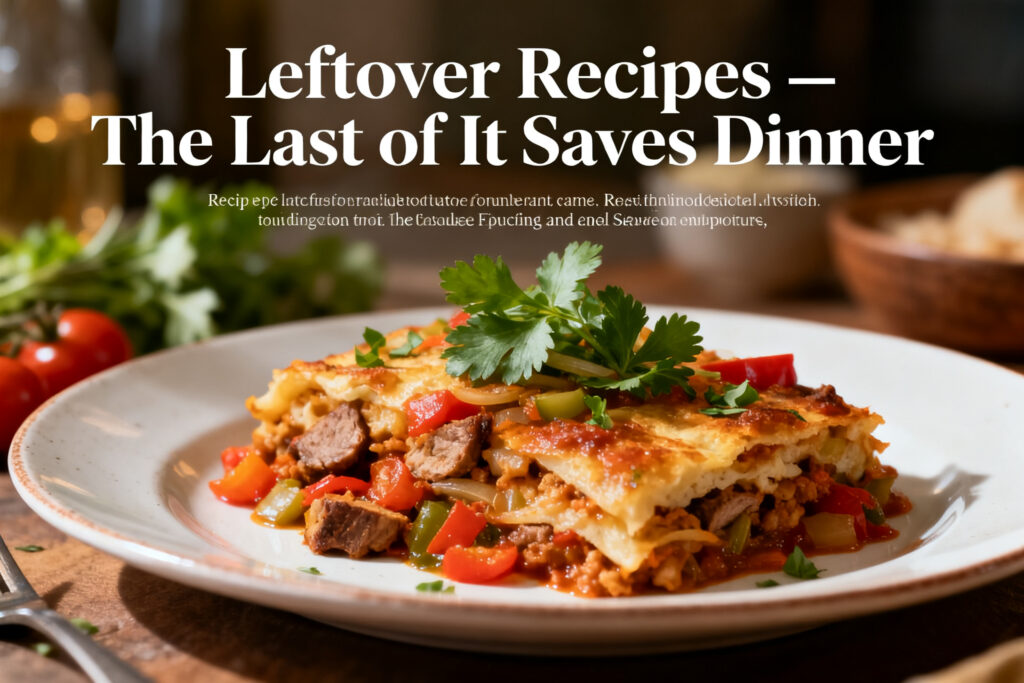
Leftovers don’t have to feel like a second-class meal. With a few smart moves, last night’s bits and pieces can become a fresh, cozy dinner that tastes intentional. Think skillet fried rice made from stray veggies, a hearty loaded baked potato bar from Sunday’s roast, or a bright frittata that puts extra greens to work.
This approach isn’t about strict rules—it’s about flexible ideas that make dinner fast, affordable, and actually exciting. If your fridge looks random, you’re in the perfect spot.
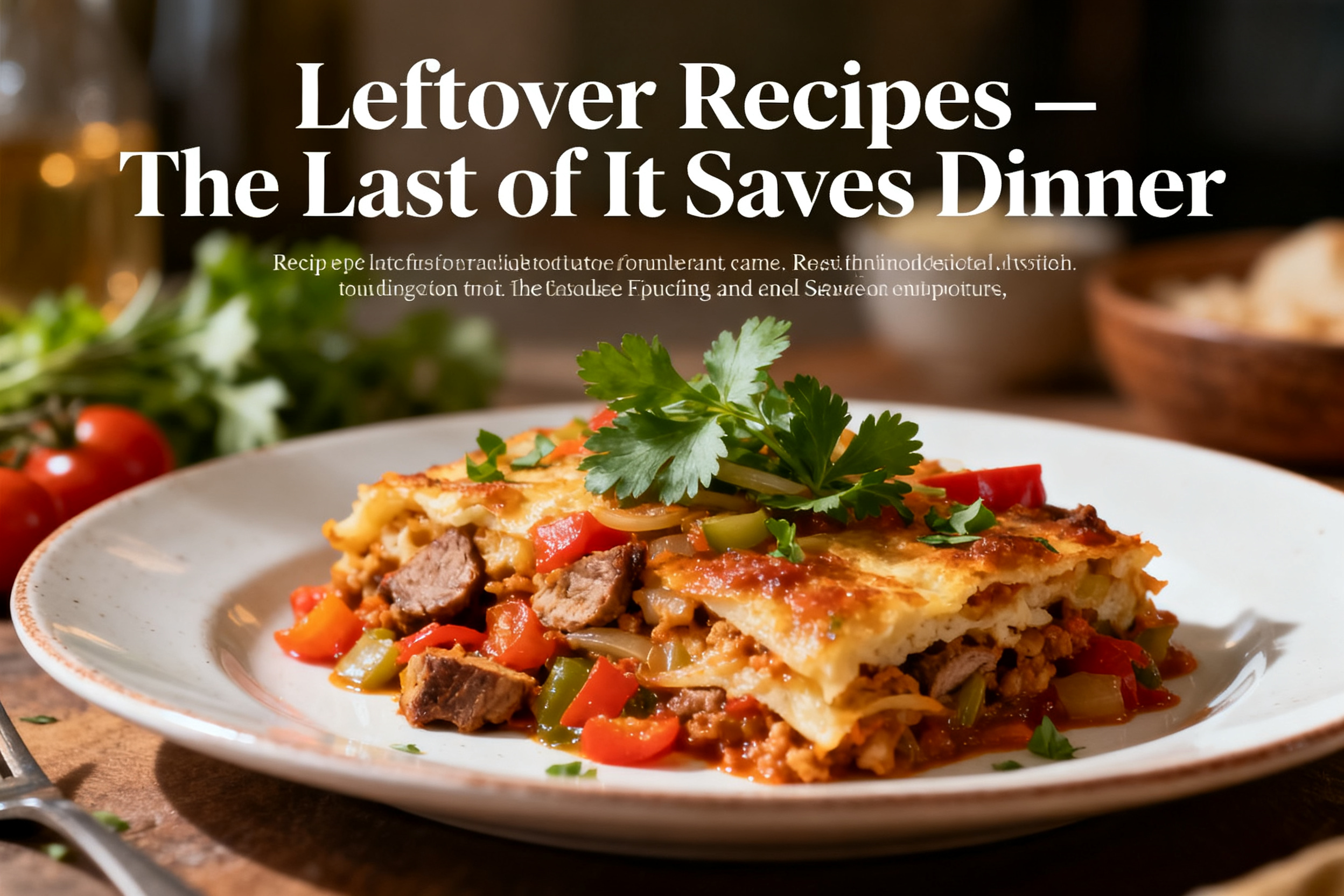
Leftover Recipes — The Last of It Saves Dinner - Simple, Smart, and Satisfying
Ingredients
Method
- Take inventory: Pull out 1 protein, 1 starch, 2–3 vegetables, and a sauce. Keep it balanced so everything cooks evenly.
- Refresh vegetables first: If they’re raw, chop small and sauté in a little oil with salt and pepper until crisp-tender. If already cooked, warm briefly to re-crisp edges. Add garlic or ginger near the end for a quick aroma boost.
- Add protein: Chop into bite-size pieces. Warm in the pan with the veggies so everything shares flavor. If using beans or tofu, let them brown a bit for texture.
- Stir in starch: Add rice, pasta, or potatoes. Break up clumps and spread out so it heats evenly. A splash of water helps loosen cold grains without drying out.
- Season smartly: Add salt, pepper, and a squeeze of lemon or a dash of vinegar to wake it up. Taste as you go. Cold leftovers often need more seasoning than fresh food.
- Sauce and bind: Stir in your chosen sauce. Start small; you can always add more. A tablespoon of butter or a drizzle of sesame oil at the end adds richness.
- Add toppings and texture: Finish with chopped herbs, cheese, toasted nuts, or something crunchy. Texture is what makes leftovers feel new.
- Serve hot: Plate immediately so nothing turns soggy. If making a bake, top with cheese or breadcrumbs and broil for 2–3 minutes until bubbly and crisp.
What Makes This Special
This “recipe” is really a reliable framework that turns almost any leftovers into a satisfying meal. You mix one protein, one grain or starch, a handful of vegetables, a sauce, and a topping or two.
The result is a dish that feels new, not reheated.
- Flexible by design: Works with chicken, beans, tofu, or whatever you have.
- Quick and low effort: Dinner in 20 minutes or less, most nights.
- Budget-friendly: Uses what you’ve already paid for.
- Low waste: Clears out the fridge while still tasting great.
- Endlessly customizable: Asian-inspired, Mediterranean, Tex-Mex—you choose.
What You’ll Need
Use what you have. The lists below are suggestions, not rules. Pick one or two from each category.
- Protein (1–2 cups): Cooked chicken, steak, pork, sausage, tofu, tempeh, beans, lentils, shrimp, or leftover eggs.
- Grain/Starch (2–3 cups): Cooked rice, quinoa, farro, pasta, roasted potatoes, tortillas, bread, or leftover pizza dough.
- Vegetables (2–3 cups mixed): Roasted veggies, sautéed greens, steamed broccoli, bell peppers, onions, corn, peas, carrots, spinach, tomatoes, mushrooms, or salad greens past their prime (not slimy).
- Sauce/Binding: Soy sauce, teriyaki, pesto, marinara, salsa, yogurt, tahini, barbecue sauce, curry paste with coconut milk, or a simple vinaigrette.
- Flavor boosters: Garlic, ginger, scallions, lemon/lime, vinegar, hot sauce, chili flakes, dried herbs, fresh herbs, cheese, butter, sesame oil.
- Toppings: Shredded cheese, feta, toasted nuts or seeds, crushed chips, croutons, olives, avocado, sour cream, pickled onions.
- Basics: Olive oil or neutral oil, salt, pepper, and a large skillet or sheet pan.
Optional: oven-safe dish for bakes and casseroles.
Step-by-Step Instructions
- Take inventory: Pull out 1 protein, 1 starch, 2–3 vegetables, and a sauce. Keep it balanced so everything cooks evenly.
- Refresh vegetables first: If they’re raw, chop small and sauté in a little oil with salt and pepper until crisp-tender. If already cooked, warm briefly to re-crisp edges.
Add garlic or ginger near the end for a quick aroma boost.
- Add protein: Chop into bite-size pieces. Warm in the pan with the veggies so everything shares flavor. If using beans or tofu, let them brown a bit for texture.
- Stir in starch: Add rice, pasta, or potatoes.
Break up clumps and spread out so it heats evenly. A splash of water helps loosen cold grains without drying out.
- Season smartly: Add salt, pepper, and a squeeze of lemon or a dash of vinegar to wake it up. Taste as you go.
Cold leftovers often need more seasoning than fresh food.
- Sauce and bind: Stir in your chosen sauce. Start small; you can always add more. A tablespoon of butter or a drizzle of sesame oil at the end adds richness.
- Add toppings and texture: Finish with chopped herbs, cheese, toasted nuts, or something crunchy.
Texture is what makes leftovers feel new.
- Serve hot: Plate immediately so nothing turns soggy. If making a bake, top with cheese or breadcrumbs and broil for 2–3 minutes until bubbly and crisp.
Keeping It Fresh
- Store components separately: Keep sauces, proteins, and grains in separate containers. Combine only when reheating for the best texture.
- Reheat gently: Use medium heat on the stovetop with a splash of water or broth.
Microwaving? Cover loosely and stir halfway.
- Label and date: Most cooked leftovers keep 3–4 days in the fridge. Freeze cooked grains and proteins up to 2–3 months.
- Revive with acid and heat: A squeeze of lemon and a quick sear or broil wakes up tired flavors fast.
Health Benefits
- Balanced meals, fast: This method naturally combines protein, carbs, fiber, and healthy fats.
- More vegetables: Leftover veggies slide easily into stir-fries, soups, frittatas, and grain bowls.
- Portion control: Using pre-cooked portions helps avoid oversized servings.
- Less food waste: Reduces unnecessary calories from takeout while keeping costs low.
- Lower sodium when you control the sauce: Use low-sodium broth or soy sauce and brighten with citrus and herbs instead of salt.
Common Mistakes to Avoid
- Overcrowding the pan: Everything steams and turns mushy.
Cook in batches if needed.
- Skipping seasoning: Cold food dulls flavors. Taste, adjust salt, add acid, and finish with herbs.
- Too much sauce: Drowns texture. Add gradually and stop when it lightly coats.
- Microwaving everything together: Heat dense items (like potatoes) longer than delicate greens.
Stagger reheating.
- Ignoring texture: Always add crunch—nuts, toasted breadcrumbs, or a quick broil.
Recipe Variations
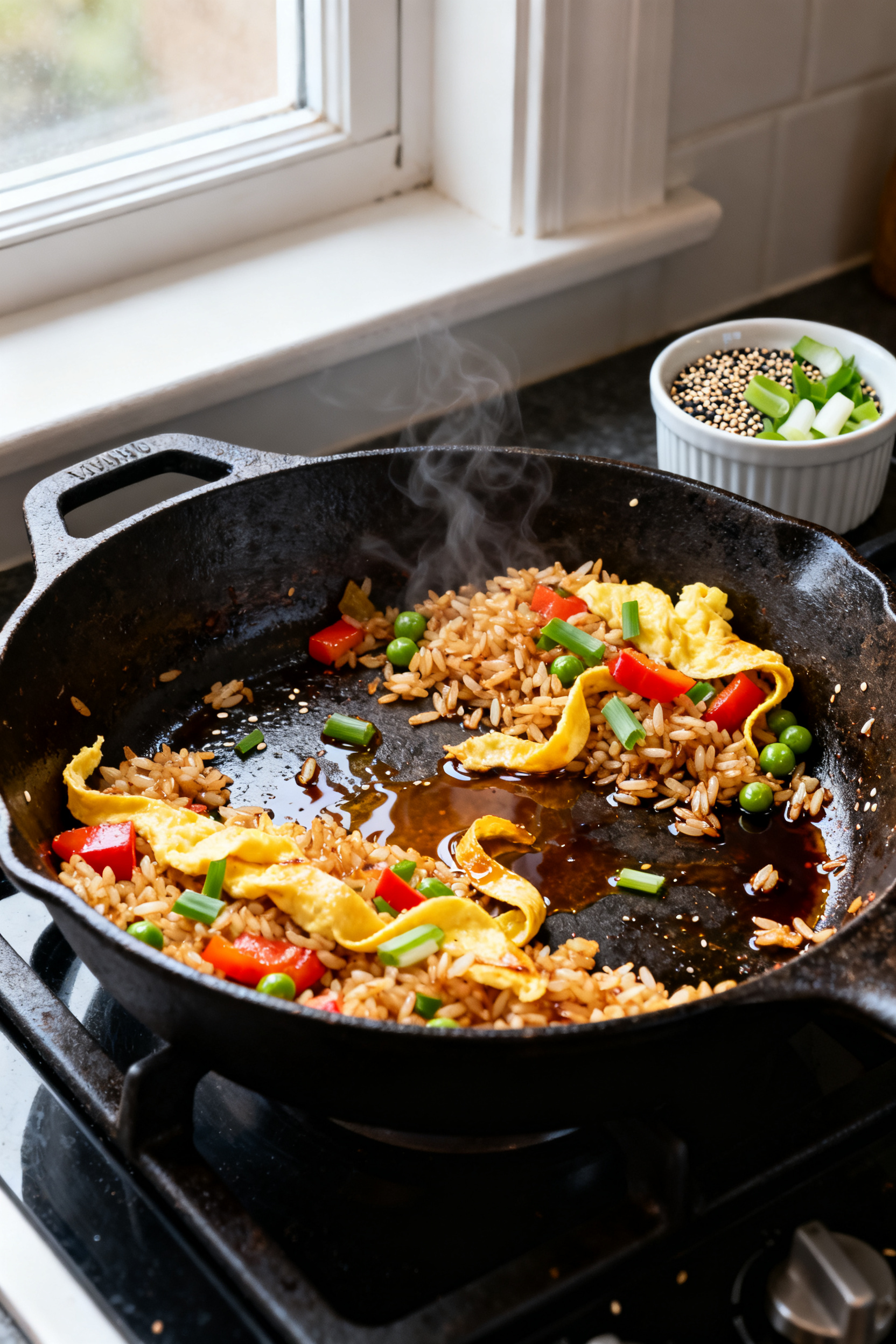
- Skillet Fried Rice: Leftover rice, chopped veggies, scrambled egg, soy sauce, sesame oil, scallions. Optional: chicken or shrimp.
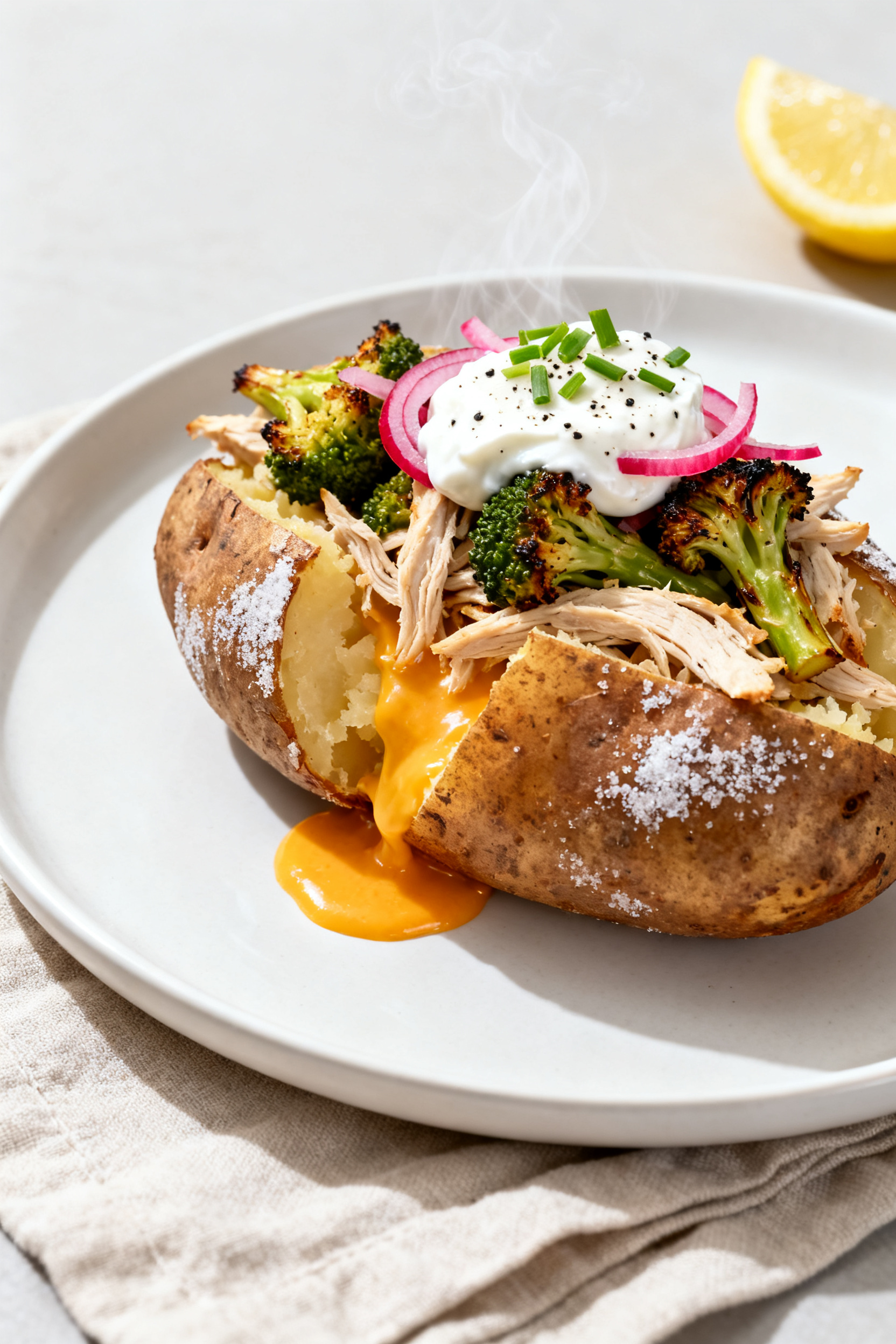
- Loaded Baked Potato Bar: Reheat roasted potatoes or bake quickly in the microwave. Top with shredded meat, beans, cheese, broccoli, and yogurt or sour cream.
- Sheet-Pan Nachos: Tortilla chips, shredded chicken or beans, leftover corn and peppers, cheese.
Bake until melted. Top with salsa, avocado, and lime.
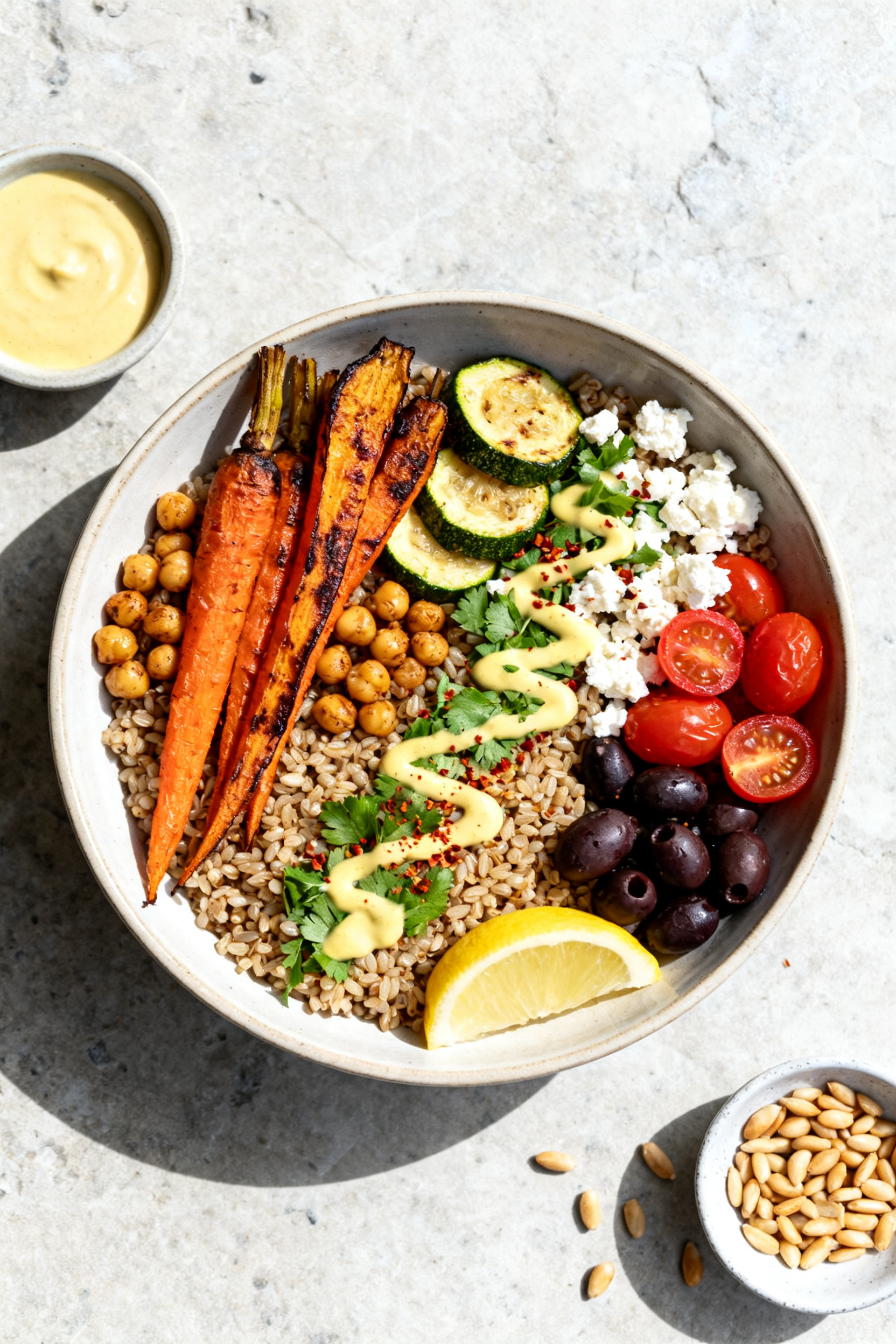
- Mediterranean Grain Bowl: Quinoa or farro, roasted veggies, chickpeas, olives, feta, and a lemon-tahini drizzle.
- Five-Minute Pesto Pasta: Toss leftover pasta with pesto, cherry tomatoes, and mozzarella. Add chicken or white beans for protein.
- Veggie Frittata: Whisk eggs with a splash of milk, fold in cooked veggies and cheese, and bake until set.
Great hot or cold.
- Quick Curry: Sauté onions and garlic, stir in curry paste, add coconut milk, and fold in leftover veggies and protein. Serve over rice.
- Soup Stretch: Simmer leftover roasted vegetables with broth, add beans or pasta, finish with lemon and herbs.
- Toast Upgrade: Pile sautéed greens and shredded chicken on toast, add a fried egg, and finish with hot sauce.
FAQ
How do I know if my leftovers are still safe to eat?
Most cooked foods are safe for 3–4 days in the fridge. If it smells off, looks slimy, or you’re unsure, toss it.
Reheat to steaming hot, especially for meats and rice.
Can I mix different proteins together?
Yes, as long as flavors play well. Chicken and beans, sausage and shrimp, or tofu with veggies work great. Cut everything to similar sizes so it heats evenly.
What if my rice or pasta is dry and clumpy?
Add a splash of water or broth and break up clumps in a hot pan.
A teaspoon of oil or butter helps restore softness and shine.
How do I avoid soggy vegetables?
Use high heat and don’t crowd the pan. Add cooked veggies near the end just to warm through. A quick broil can re-crisp edges.
What sauces work best for mixed leftovers?
Keep a few versatile options on hand: soy sauce, pesto, marinara, salsa, tahini, or yogurt with lemon and garlic.
Start with less than you think you need.
Can I freeze my finished dish?
It depends. Rice dishes, soups, and casseroles freeze well. Salads, dairy-heavy sauces, and potatoes can get grainy or watery.
Freeze components when in doubt.
How can I make it kid-friendly?
Use familiar flavors, mild sauces, and simple toppings like cheese or plain yogurt. Offer add-ons separately so everyone customizes their plate.
What’s the fastest option on a busy night?
A skillet fried rice or a quick quesadilla wins for speed. Both use one pan and are ready in under 15 minutes.
How do I add more protein without cooking from scratch?
Use canned beans, rotisserie chicken, pre-cooked sausages, or a quick scramble of eggs.
A sprinkle of nuts or seeds also bumps protein a bit.
Any tricks to make leftovers taste restaurant-level?
Balance salt, fat, acid, and heat. Finish with fresh herbs, a squeeze of lemon or lime, something crunchy, and serve it hot. Little touches make a big difference.
Wrapping Up
Leftovers aren’t a compromise—they’re a shortcut to a great dinner.
With a simple formula and a few pantry staples, you can turn random ingredients into something warm, fresh, and satisfying. Keep flavor boosters handy, pay attention to texture, and finish strong with herbs or crunch. The last of it really can save dinner, and maybe even become the meal you look forward to most.
Printable Recipe Card
Want just the essential recipe details without scrolling through the article? Get our printable recipe card with just the ingredients and instructions.