
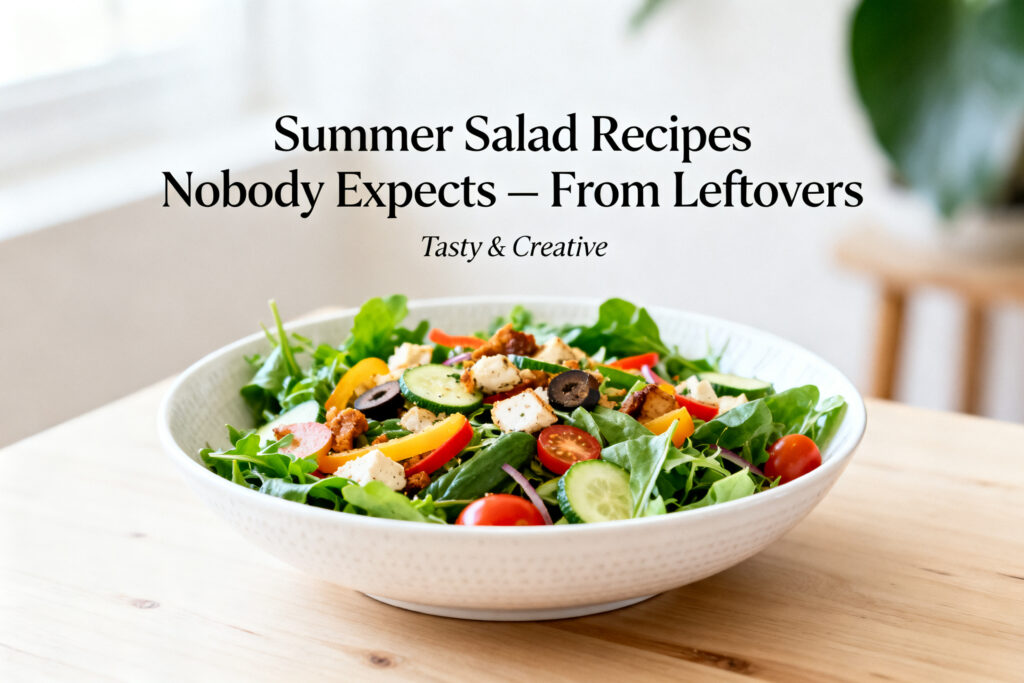
Leftovers don’t have to be boring. In summer, they can turn into the most surprising salads—the kind that makes people ask, “What’s in this?” This recipe is less about strict rules and more about using what you’ve got and making it shine. It’s crisp, bright, and full of texture, with a simple dressing that ties everything together.
You’ll get a satisfying lunch, a last-minute side, or a light dinner without heating up the kitchen.
The Summer Salad Nobody Expects → "Summer Salad Recipes Nobody Expects — From Leftovers" - Easy, Fresh, and Zero Waste
Ingredients
Method
- Chop your base. Rinse and dry your greens well. Tear or chop into bite-size pieces so every forkful feels balanced and easy to eat.
- Prep the leftovers. Slice proteins thinly against the grain. Flake fish gently. Break up grains with a fork to remove clumps. If anything looks dry, sprinkle with a bit of lemon juice to perk it up.
- Add crisp and juicy textures. Dice cucumber, bell pepper, and any crunchy veg. Halve cherry tomatoes. If using fruit like peaches or mango, slice thin so it blends, not dominates.
- Mix a quick dressing. In a small jar, combine 3 tablespoons olive oil, 1 tablespoon lemon or vinegar, 1 teaspoon Dijon, 1 teaspoon honey, a pinch of salt, and black pepper. Shake until creamy. Taste and adjust—if the salad has salty cheese or olives, keep the dressing lighter on salt.
- Season in layers. Toss the grains with a spoonful of dressing and a pinch of salt first. Do the same with the protein. This keeps the whole salad from tasting flat.
- Assemble gently. In a large bowl, add greens, dressed grains, dressed protein, and your crunchy/juicy elements. Drizzle on more dressing as needed. Toss lightly with your hands or tongs so nothing bruises.
- Finish strong. Add chopped herbs, a squeeze of citrus, and your crunchy topper. Taste again. Adjust with acid or salt if it needs a lift.
- Serve chilled or cool. If the leftovers were warm, chill the salad for 10 minutes to let flavors meld.
Why This Recipe Works
This salad leans on contrast: crisp veggies meet soft grains, and chilled proteins get lifted by a zesty dressing. It’s built for flexibility, so your fridge decides the direction—Mediterranean one day, Tex-Mex the next. The dressing is pantry-friendly and forgiving, using acid, a touch of sweetness, and good oil to pull flavors together. Nothing goes to waste, and every bite feels fresh, not “leftover.” Plus, it’s ready fast—no simmering, no baking, just thoughtful assembly.
Shopping List
- Base greens: Romaine, baby spinach, arugula, or mixed greens
- Leftover proteins (choose one or mix): grilled chicken, steak, salmon, shrimp, tofu, chickpeas, or beans
- Leftover grains: rice, quinoa, couscous, farro, or orzo
- Crunchy add-ins: cucumber, bell peppers, radishes, snap peas, celery, shredded carrots, red onion
- Juicy elements: cherry tomatoes, corn, peaches, mango, or watermelon (yes, fruit works)
- Herbs: cilantro, basil, mint, parsley, or dill
- Salty/tangy bites: olives, capers, feta, goat cheese, pickled onions
- Crunch toppers: toasted nuts or seeds (almonds, pumpkin seeds, pistachios), croutons, tortilla strips
- Dressing essentials: olive oil, lemon or lime, vinegar (red wine, apple cider, or rice), Dijon mustard, honey or maple syrup, salt, pepper
- Optional extras: yogurt (for a creamy dressing), garlic, chili flakes, hot sauce, avocado
Instructions
- Chop your base. Rinse and dry your greens well.
Tear or chop into bite-size pieces so every forkful feels balanced and easy to eat.
- Prep the leftovers. Slice proteins thinly against the grain. Flake fish gently. Break up grains with a fork to remove clumps.
If anything looks dry, sprinkle with a bit of lemon juice to perk it up.
- Add crisp and juicy textures. Dice cucumber, bell pepper, and any crunchy veg. Halve cherry tomatoes. If using fruit like peaches or mango, slice thin so it blends, not dominates.
- Mix a quick dressing. In a small jar, combine 3 tablespoons olive oil, 1 tablespoon lemon or vinegar, 1 teaspoon Dijon, 1 teaspoon honey, a pinch of salt, and black pepper.
Shake until creamy. Taste and adjust—if the salad has salty cheese or olives, keep the dressing lighter on salt.
- Season in layers. Toss the grains with a spoonful of dressing and a pinch of salt first. Do the same with the protein. This keeps the whole salad from tasting flat.
- Assemble gently. In a large bowl, add greens, dressed grains, dressed protein, and your crunchy/juicy elements.
Drizzle on more dressing as needed. Toss lightly with your hands or tongs so nothing bruises.
- Finish strong. Add chopped herbs, a squeeze of citrus, and your crunchy topper. Taste again. Adjust with acid or salt if it needs a lift.
- Serve chilled or cool. If the leftovers were warm, chill the salad for 10 minutes to let flavors meld.
Keeping It Fresh
Dress only what you’ll eat right away. Store components separately: greens in a container lined with a paper towel, grains and proteins in their own containers, and dressing in a jar.
Add herbs and crunchy toppings at the last minute so they stay bright and crisp. If you’re packing lunch, layer heavy items and grains on the bottom, greens in the middle, and add dressing just before eating.
Benefits of This Recipe
- Zero waste: Uses what you already have, reducing food waste and saving money.
- Fast and flexible: 10–15 minutes from fridge to table, no cooking required.
- Balanced and satisfying: Protein + fiber + healthy fats keep you full without feeling heavy.
- Endlessly customizable: Works with any cuisine profile and dietary preference.
- Meal-prep friendly: Make once, enjoy for a couple of days with smart storage.
What Not to Do
- Don’t overdress the salad. Soggy greens ruin texture. Start with less dressing and add as needed.
- Don’t skip seasoning. Even leftovers need salt and acid to taste fresh again.
- Don’t mix hot with cold without a plan. Warm grains are fine, but let proteins and greens stay cool for crunch.
- Don’t ignore texture. You need crisp, creamy, and crunchy.
Add nuts or seeds if things feel one-note.
- Don’t use wilted greens. If greens look tired, revive them in ice water for 10 minutes, then dry well.
Recipe Variations
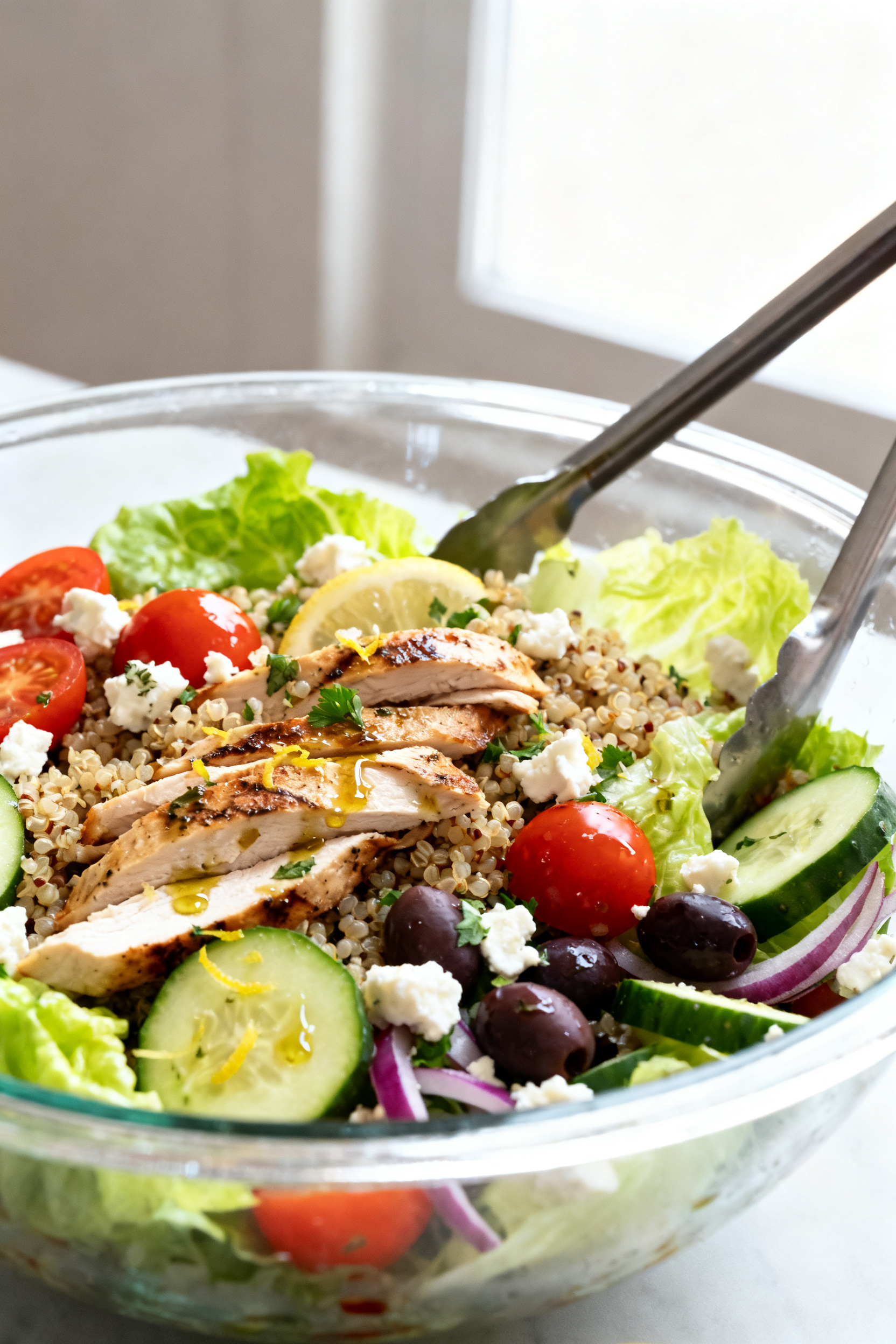
- Mediterranean Market: Leftover grilled chicken, quinoa, cucumber, tomatoes, olives, red onion, feta, parsley. Lemon-oregano dressing with olive oil and red wine vinegar.
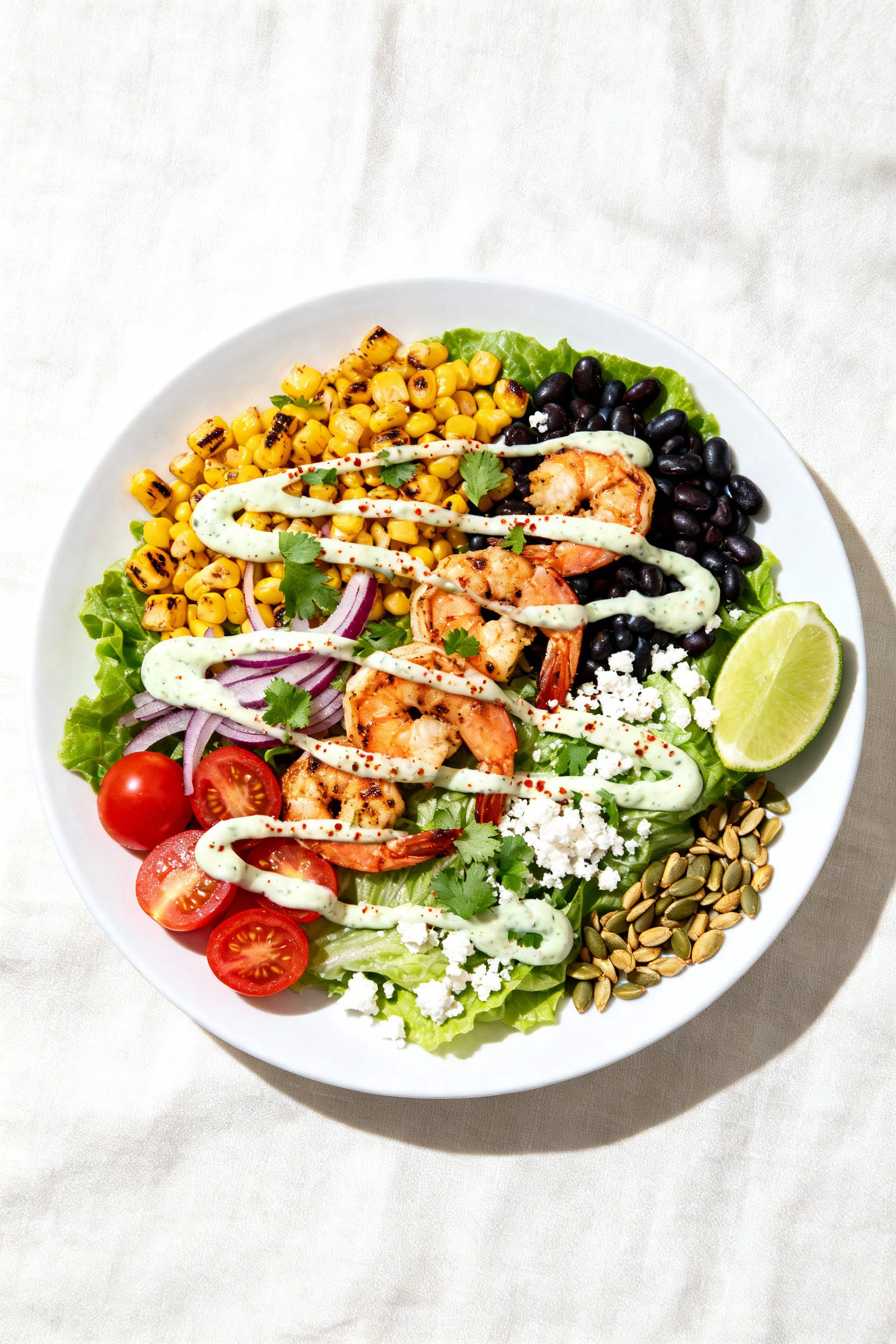
- Street Corn Vibe: Leftover corn, black beans or grilled shrimp, romaine, cherry tomatoes, red onion, cotija, cilantro. Lime-chili dressing with a dollop of yogurt and hot sauce.
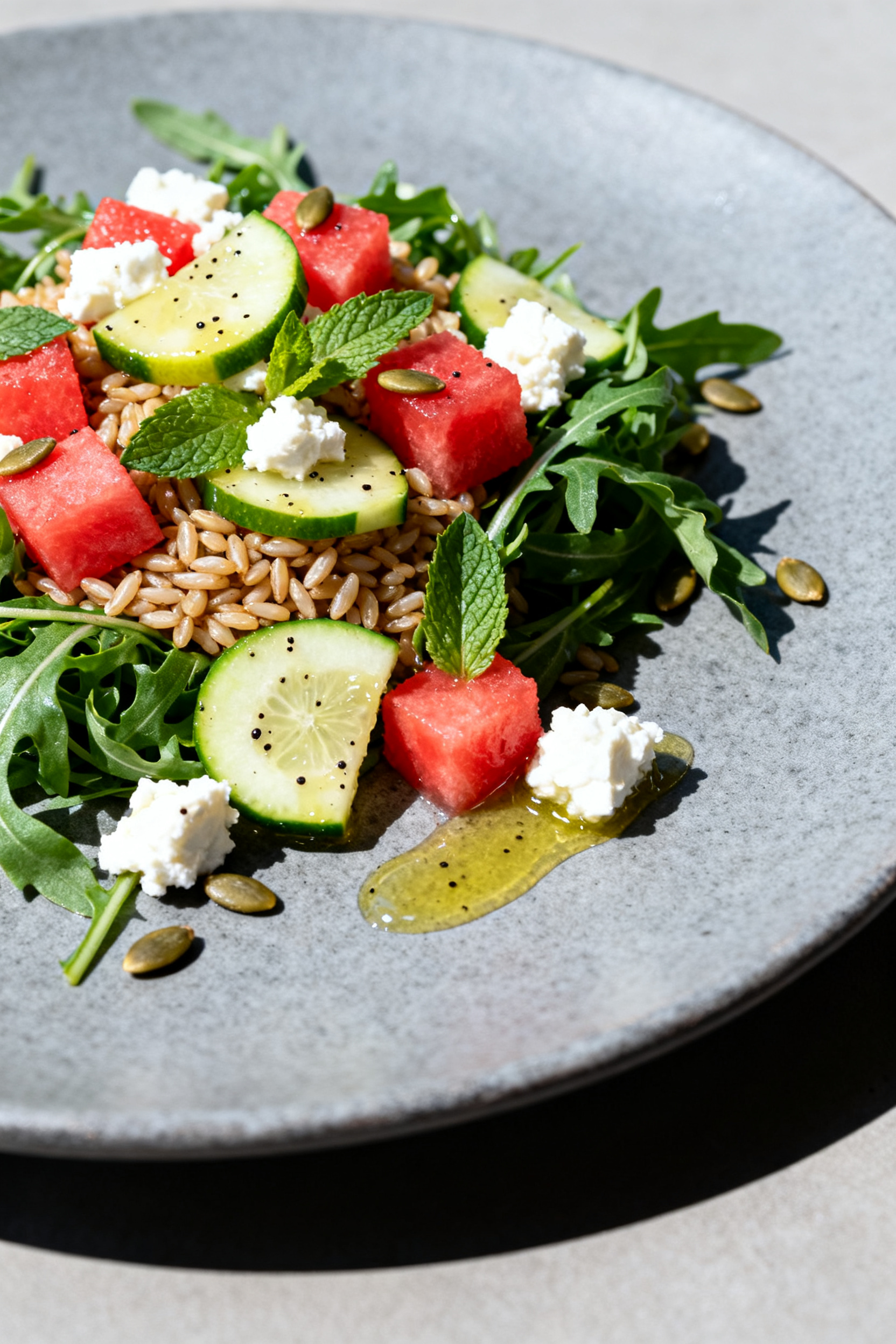
- Watermelon + Feta: Arugula, watermelon cubes, leftover farro, cucumber, mint, feta, pumpkin seeds.
Lime and honey dressing with a touch of chili flakes.
- Steakhouse Toss: Sliced steak, mixed greens, roasted potatoes or farro, cherry tomatoes, blue cheese, chives. Balsamic-Dijon dressing; finish with black pepper.
- Herby Salmon Bowl: Flaked salmon, baby spinach, leftover rice, snap peas, dill, capers, avocado. Lemon-mustard dressing with extra dill.
- Plant-Packed Power: Chickpeas or tofu, kale or romaine, quinoa, roasted veggies, sunflower seeds, tahini-lemon dressing with maple and garlic.
FAQ
Can I use wilted greens?
You can, but revive them first.
Soak in ice water for 10 minutes, spin or pat dry, and use them mixed with sturdier greens for better texture.
What if I don’t have Dijon mustard?
Use any mild mustard, a spoon of yogurt, or even a bit of mayo to emulsify the dressing. Or shake oil and acid vigorously and dress right before serving.
How long does this salad keep?
Undressed components keep 2–3 days. Once dressed, it’s best the same day.
Grain-heavy versions hold up better on day two than delicate greens.
Can I make it vegan or dairy-free?
Yes. Skip cheese or use a plant-based option. Sweeten the dressing with maple syrup.
For creaminess, use tahini or avocado instead of yogurt.
What proteins work best cold?
Chicken, salmon, shrimp, tofu, chickpeas, and beans all perform well chilled. Thin slices and a squeeze of citrus help them taste fresh.
How do I avoid a bland salad?
Season in layers, add herbs, and use enough acid. A final squeeze of lemon or a splash of vinegar at the end makes a big difference.
Is fruit really okay in a savory salad?
Absolutely.
Summer fruit adds sweetness and juiciness that balances salty and tangy elements. Keep pieces small and pair with herbs and cheese for contrast.
Final Thoughts
This is the kind of recipe that frees you from strict rules. Use what you have, keep textures varied, and season with confidence.
With a bright dressing and a few smart add-ins, leftovers become something worth craving. It’s fast, fresh, and quietly impressive—the summer salad nobody expects, but everyone finishes.
Printable Recipe Card
Want just the essential recipe details without scrolling through the article? Get our printable recipe card with just the ingredients and instructions.