

Got leftover chicken in the fridge and no plan for dinner? Perfect. You’re a few steps away from a budget-friendly, tasty meal that doesn’t feel like a repeat.
Leftover chicken is versatile, fast, and forgiving, which makes it ideal for busy weeknights. With a few pantry staples, you can turn last night’s roast into something new and satisfying. No stress, no waste, just real food that saves you time and money.

Leftover Chicken Recipes That Save Money Tonight - Simple Ways to Stretch What You’ve Got
Ingredients
Method
- Pick your path: Decide on a direction based on what you’ve got: tacos, pasta, fried rice, soup, salad, or a quick casserole. Keep it simple and avoid too many steps.
- Prep the chicken: Shred or chop it into bite-size pieces. If it’s dry, drizzle with a little olive oil, broth, or a squeeze of citrus to refresh it.
- Start with flavor: Heat a skillet with oil or butter. Sauté onion and garlic until fragrant, then add harder veggies like carrots and bell peppers. Season with salt, pepper, and your chosen spices.
- Add the chicken: Stir in the leftover chicken and let it warm through. Taste and adjust seasoning—this is your base for most meals.
- Choose your finish: Tacos or wraps: Add taco seasoning or chili powder, a splash of salsa, and a touch of lime. Serve in tortillas with cheese and lettuce.
- Pasta skillet: Toss with cooked pasta, a little pasta water, and Parmesan. Add spinach and lemon for freshness.
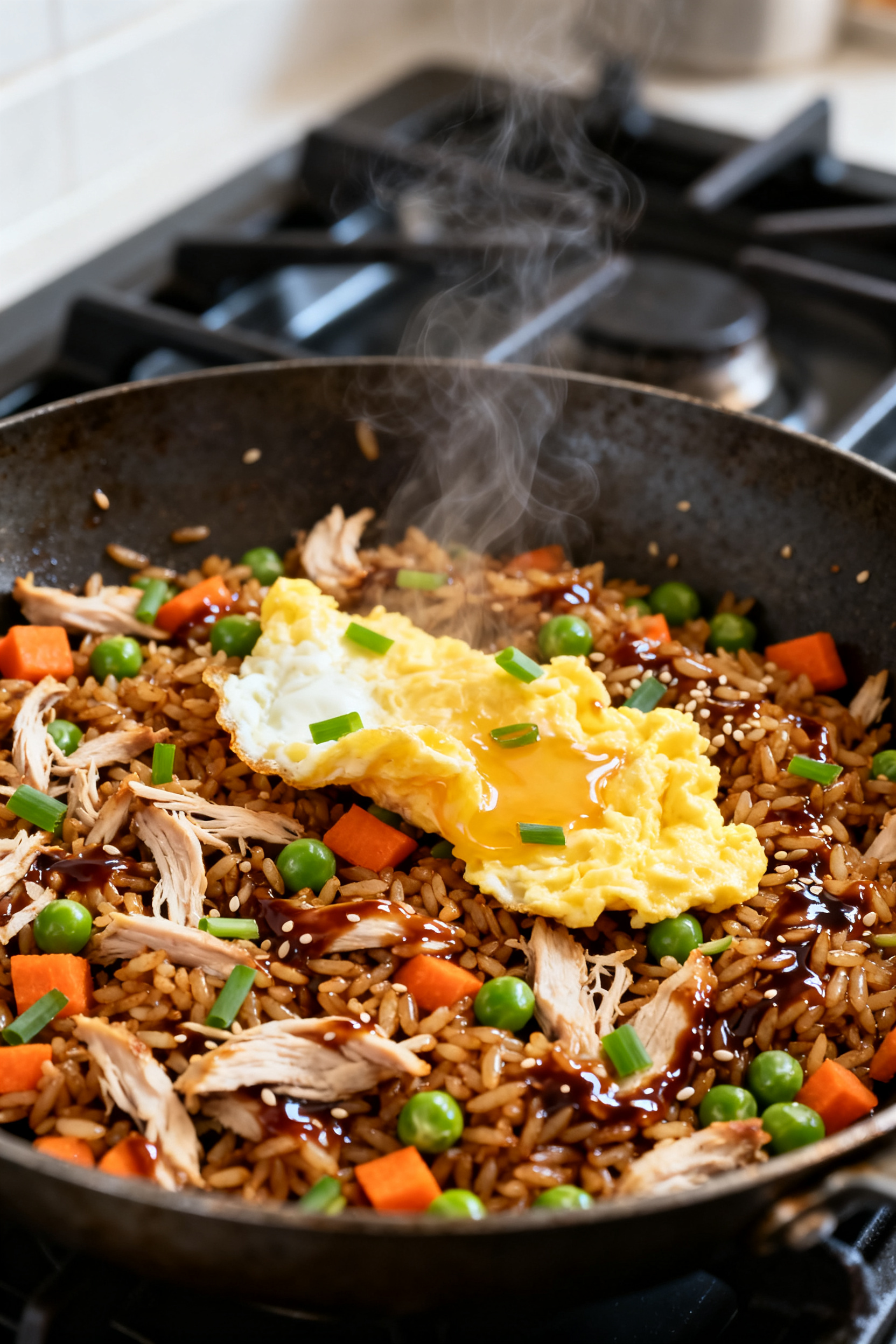
- Fried rice: Push chicken and veggies to one side, scramble an egg, then toss with cooked rice, soy sauce, and sesame oil.
- Soup: Add broth, simmer, toss in quick-cooking veggies or noodles, and finish with herbs.
- Creamy bake: Mix chicken with cooked rice or pasta, a creamy element (like Greek yogurt or cream soup), veggies, and cheese. Bake until bubbly.
- Salad bowls: Layer greens or grains, top with chicken, veggies, nuts, and a simple vinaigrette.
- Finish smart: Brighten with lemon or lime, fresh herbs, or a light drizzle of olive oil. These small touches make leftovers taste fresh.
What Makes This Recipe So Good
- Budget-friendly: You’re using what you already have, so every meal stretches your grocery budget further.
- Fast: Most dishes come together in 20–30 minutes since the chicken is already cooked.
- Flexible: Works with rotisserie, grilled, or baked chicken—white or dark meat.
- Customizable: Use your favorite spices, veggies, and sauces without strict rules.
- Family-friendly: These flavors are easy to love and simple to adjust for picky eaters.
What You’ll Need
- Leftover cooked chicken: Shredded or chopped, about 2–3 cups.
- Base ingredients (choose 1–2): Cooked rice, pasta, tortillas, bread, potatoes, or quinoa.
- Veggies: Onion, bell pepper, carrots, celery, frozen peas or corn, spinach, or any veggies you have.
- Sauces and seasonings: Olive oil or butter, garlic, salt, pepper, soy sauce, hot sauce, salsa, mustard, or your favorite spice blend.
- Cheese (optional): Cheddar, mozzarella, Parmesan, or feta.
- Creamy elements (optional): Greek yogurt, sour cream, cream cheese, or a can of cream soup.
- Fresh touches (optional): Lemon or lime, fresh herbs (cilantro, parsley), or green onions.
- Broth or stock (optional): For soups, stews, and skillet sauces.
How to Make It
- Pick your path: Decide on a direction based on what you’ve got: tacos, pasta, fried rice, soup, salad, or a quick casserole.
Keep it simple and avoid too many steps.
- Prep the chicken: Shred or chop it into bite-size pieces. If it’s dry, drizzle with a little olive oil, broth, or a squeeze of citrus to refresh it.
- Start with flavor: Heat a skillet with oil or butter. Sauté onion and garlic until fragrant, then add harder veggies like carrots and bell peppers.
Season with salt, pepper, and your chosen spices.
- Add the chicken: Stir in the leftover chicken and let it warm through. Taste and adjust seasoning—this is your base for most meals.
- Choose your finish:
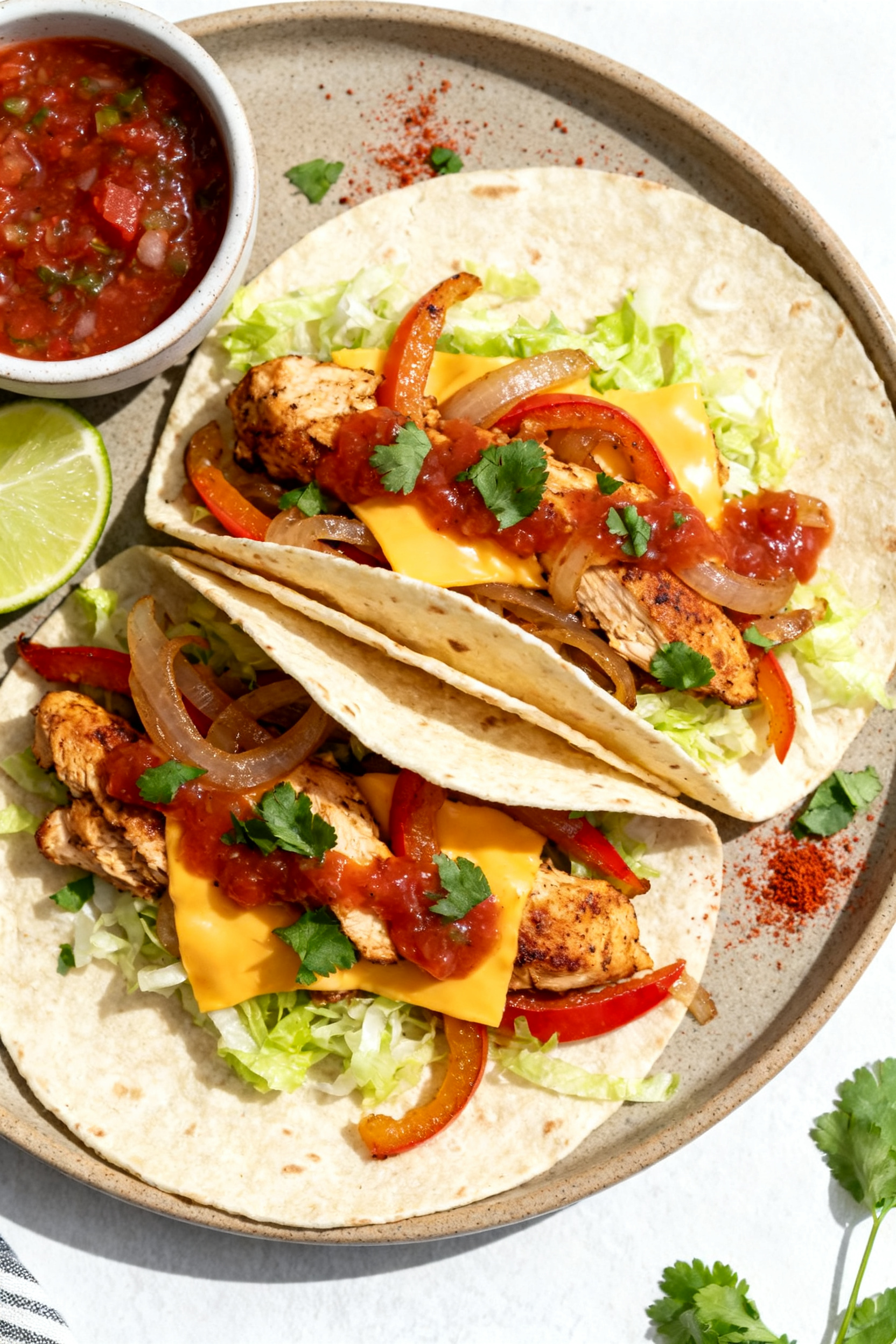
- Tacos or wraps: Add taco seasoning or chili powder, a splash of salsa, and a touch of lime. Serve in tortillas with cheese and lettuce.
- Pasta skillet: Toss with cooked pasta, a little pasta water, and Parmesan.
Add spinach and lemon for freshness.
- Fried rice: Push chicken and veggies to one side, scramble an egg, then toss with cooked rice, soy sauce, and sesame oil.
- Soup: Add broth, simmer, toss in quick-cooking veggies or noodles, and finish with herbs.
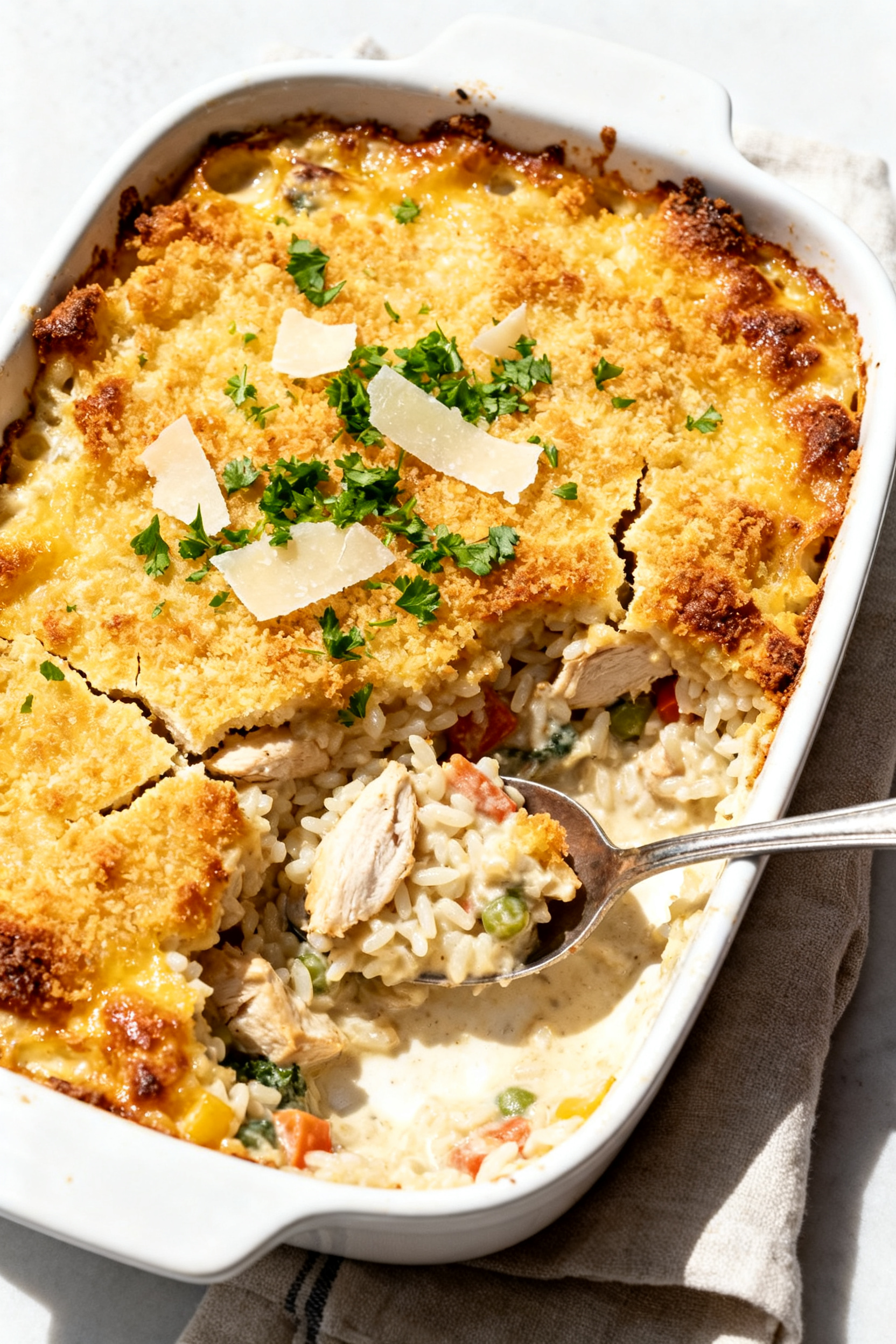
- Creamy bake: Mix chicken with cooked rice or pasta, a creamy element (like Greek yogurt or cream soup), veggies, and cheese. Bake until bubbly.
- Salad bowls: Layer greens or grains, top with chicken, veggies, nuts, and a simple vinaigrette.
- Finish smart: Brighten with lemon or lime, fresh herbs, or a light drizzle of olive oil. These small touches make leftovers taste fresh.
Storage Instructions
- Fridge: Store cooked leftover chicken dishes in an airtight container for 3–4 days.
Keep dressings and crunchy toppings separate.
- Freezer: Many dishes freeze well, especially soups, casseroles, and saucy pastas. Freeze up to 2–3 months. Thaw overnight in the fridge.
- Reheating: Add a splash of broth or water to keep things moist.
Warm gently on the stove or in the microwave, stirring halfway.
- Food safety: If your original chicken was cooked more than 3–4 days ago, don’t use it. When in doubt, throw it out.
Health Benefits
- Lean protein: Chicken supports muscle repair and keeps you full longer, which helps with steady energy and fewer snacks.
- Balanced meals: Pairing chicken with veggies and whole grains adds fiber, vitamins, and minerals without extra cost.
- Lower waste: Using leftovers reduces food waste, which is better for your wallet and the planet.
- Smart swaps: Choose olive oil over heavy butter, Greek yogurt instead of cream, and load up on veggies to lighten things up.
Pitfalls to Watch Out For
- Dry chicken: Fix with liquid. Add broth, sauce, or a squeeze of citrus while reheating.
- Over-salting: Leftovers can already be seasoned.
Taste before adding salt and balance with acid or herbs.
- Mushy textures: Don’t overcook pre-cooked chicken. Warm it just until heated through.
- Too many flavors at once: Pick a theme—Mexican, Italian, Asian-inspired—and stick with it for a cohesive taste.
- Old leftovers: Track dates. If you can’t remember when you cooked it, it’s safer to skip it.
Recipe Variations
- Weeknight Chicken Tacos: Sauté onion and peppers, add shredded chicken, taco seasoning, and a splash of water or salsa.
Serve with tortillas, cheese, lettuce, and lime.
- One-Pan Lemon Chicken Pasta: Warm chicken with garlic and spinach, toss with hot pasta, a little pasta water, olive oil, lemon juice, and Parmesan.
- Chicken Fried Rice: Sauté carrots and peas, add chicken, push to the side, scramble an egg, then stir in day-old rice, soy sauce, and sesame oil.
- Chicken and Veggie Soup: Simmer onion, celery, and carrot in broth, add chicken, noodles or rice, and finish with parsley and black pepper.
- Creamy Chicken Bake: Mix chicken with cooked rice, frozen veggies, a scoop of Greek yogurt or cream soup, and cheese. Top with breadcrumbs and bake until golden.
- BBQ Chicken Flatbread: Spread BBQ sauce on flatbread, add chicken, red onion, and cheese. Bake until bubbly and top with cilantro.
- Mediterranean Chicken Bowls: Combine chicken with cucumbers, tomatoes, olives, quinoa, feta, and a lemon-olive oil dressing.
FAQ
How long is leftover chicken safe to eat?
Leftover cooked chicken is safe in the fridge for 3–4 days.
If you won’t use it in that time, freeze it for up to 2–3 months. Always store it in an airtight container and reheat to steaming hot.
What’s the best way to keep chicken from drying out?
Moisten it during reheating with a splash of broth, water, or sauce. Cover the pan or dish to trap steam, and heat just until warmed through.
Can I use rotisserie chicken?
Yes.
Rotisserie chicken works great and adds built-in flavor. Just remove the skin if you prefer a lighter dish and shred the meat before using.
What if I don’t have many fresh veggies?
Use frozen veggies like peas, corn, or mixed vegetables. They’re affordable, last longer, and cook quickly.
Canned tomatoes or beans also make a great addition.
How do I make it gluten-free?
Choose corn tortillas, rice, potatoes, or gluten-free pasta. Check your sauces—use gluten-free soy sauce or tamari, and verify broths and spice blends are gluten-free.
Can I meal prep with leftover chicken?
Absolutely. Build bowls with grains, chicken, and roasted veggies.
Pack dressings separately and add fresh greens just before eating to keep textures crisp.
What’s a quick sauce that makes everything taste better?
Stir together Greek yogurt, lemon juice, olive oil, garlic, salt, and pepper for a fast, creamy sauce. Or mix soy sauce, honey, and a little vinegar for a sweet-savory glaze.
Final Thoughts
Leftover chicken doesn’t have to be boring or bland. With a few smart moves and pantry staples, you can turn it into tacos, pasta, fried rice, soup, or a simple bake—whatever fits your night.
Keep flavors focused, add a fresh finish, and don’t overthink it. You’ll save money, cut waste, and still sit down to something that tastes like you planned it all along.
Printable Recipe Card
Want just the essential recipe details without scrolling through the article? Get our printable recipe card with just the ingredients and instructions.