
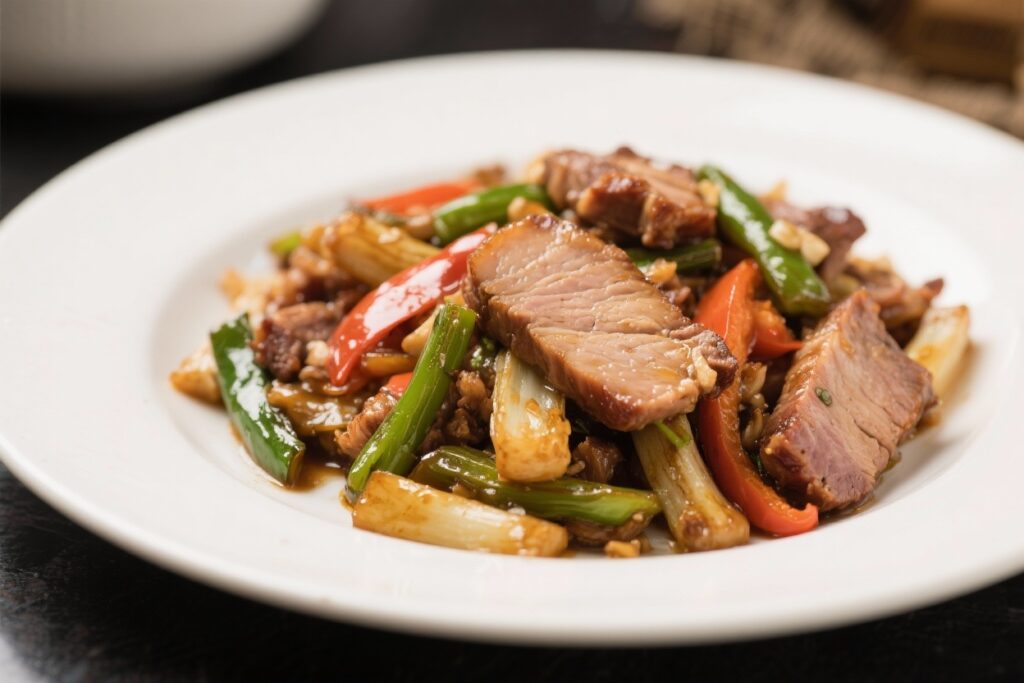
You cooked a gorgeous pork tenderloin last night. Today, it’s a cold, lonely Tupperware in the fridge. That’s not a fail—that’s an opportunity.
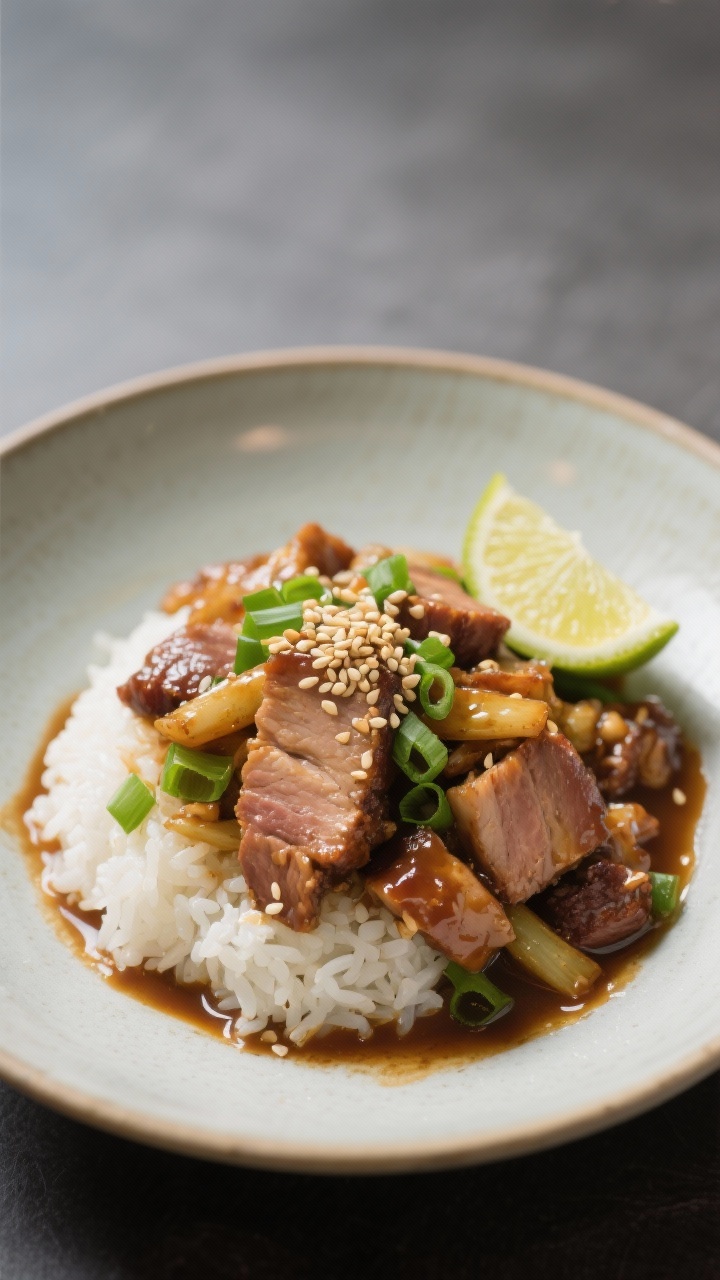
This Leftover Pork Tenderloin Stir Fry with Veggies turns scraps into a fast, high-protein, takeout-level win. It’s colorful, saucy, and unapologetically efficient. No stress, no culinary degree—just a sizzling pan and a plan that makes you look like you meant to meal prep.
What Makes This Special
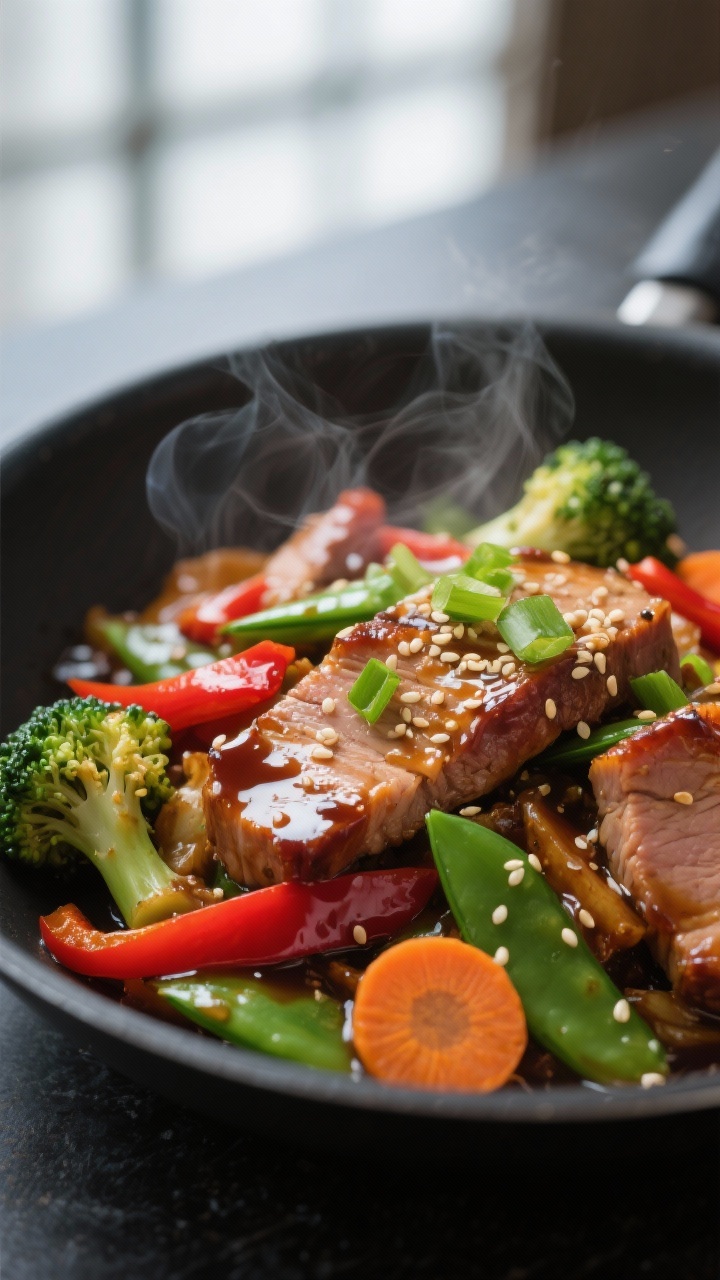
Most leftover pork recipes either dry out the meat or hide it in a casserole.
This one does neither. A quick stir fry keeps the pork juicy, coats everything in a punchy sauce, and brings your random produce back to life. The flavors are bright, savory, a little sweet, and fully customizable.
Plus, you’ll use what you already have.
That half-bag of broccoli? Those carrots you forgot? The bell pepper that’s flirting with expiration?
They’re all invited. And unlike takeout, you control the salt, sugar, and oil. Win, win, win.
Ingredients
- 12–16 oz leftover pork tenderloin, sliced into thin bite-size strips
- 2 cups mixed veggies (broccoli florets, bell pepper, snap peas, carrots, mushrooms, onion—use what you have)
- 2 cloves garlic, minced
- 1 teaspoon fresh ginger, grated (or 1/2 teaspoon ground ginger)
- 2 tablespoons neutral oil (avocado, canola, or peanut oil)
- 2 green onions, sliced (optional, for garnish)
- Sesame seeds (optional, for garnish)
For the sauce:
- 3 tablespoons soy sauce (or tamari for gluten-free)
- 1 tablespoon oyster sauce (optional, but excellent)
- 1 tablespoon rice vinegar (or lime juice)
- 1–2 teaspoons brown sugar or honey (adjust to taste)
- 1 teaspoon sesame oil
- 1/4–1/2 teaspoon red pepper flakes or sriracha (optional heat)
- 1/3 cup water or chicken broth
- 1–2 teaspoons cornstarch (for thickening)
To serve:
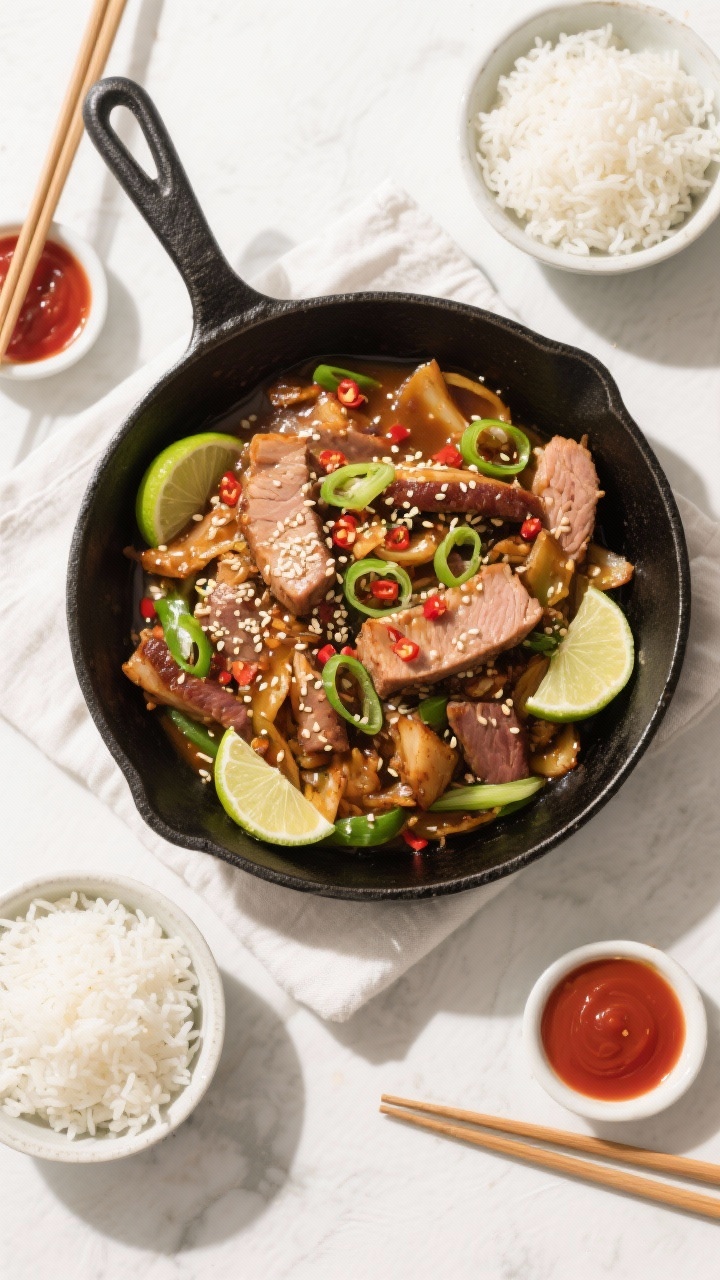
- Steamed rice, cauliflower rice, or noodles
- Fresh lime wedges (optional)
The Method – Instructions
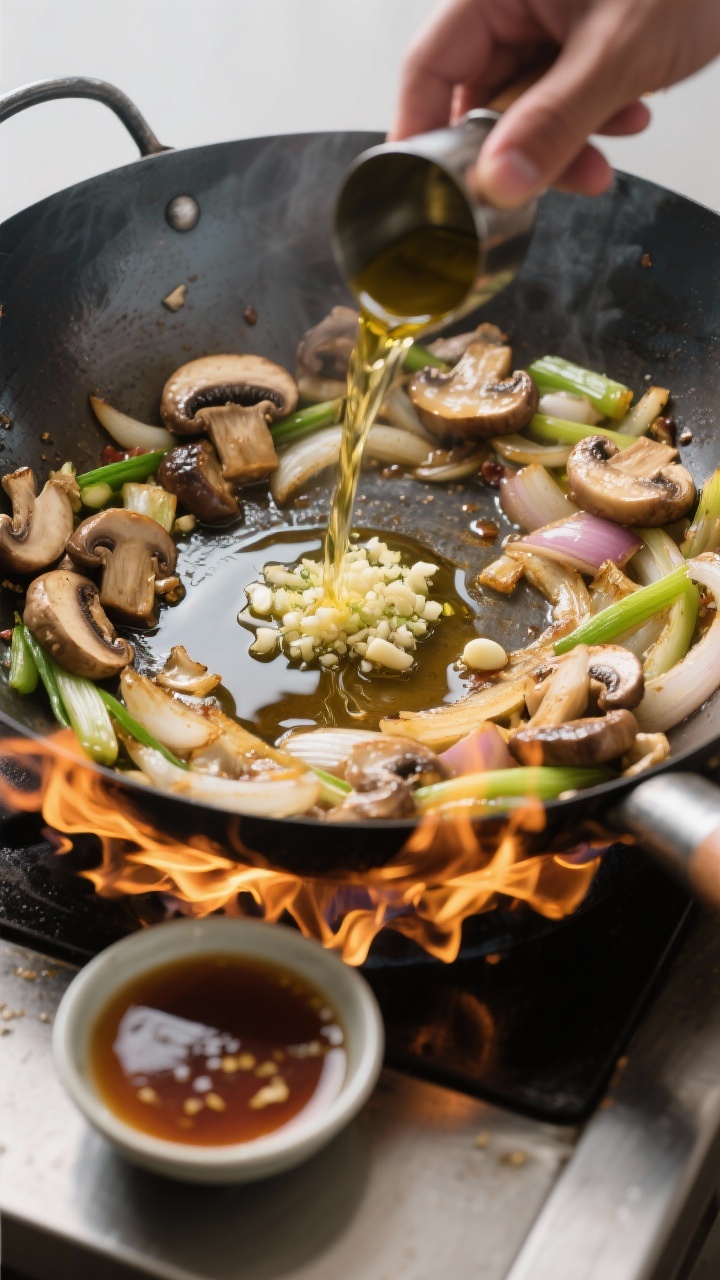
- Prep like a pro. Slice the leftover pork thinly against the grain.
Chop your veggies into bite-size pieces for quick cooking. Mince garlic and grate ginger.
- Whisk the sauce. In a small bowl, mix soy sauce, oyster sauce, rice vinegar, sugar/honey, sesame oil, pepper flakes, water/broth, and cornstarch until smooth. Set near the stove.
- Heat the pan hard. Place a large skillet or wok over medium-high to high heat.
Add 1 tablespoon oil and swirl until shimmering.
- Stir-fry the sturdy veggies. Add broccoli, carrots, or any firm veg. Cook 2–3 minutes, tossing, until bright and just tender at the edges.
- Add the tender veg. Toss in bell pepper, snap peas, mushrooms, or onion. Stir-fry another 2–3 minutes.
You want crisp-tender, not mush.
- Flavor base time. Push veggies to the edges, add remaining 1 tablespoon oil. Add garlic and ginger to the center. Stir 20–30 seconds until fragrant.
- Warm the pork, don’t cook it. Add sliced leftover pork and toss just until heated through—about 60–90 seconds.
Don’t overdo it or it’ll get dry. FYI, we’re just reviving it.
- Sauce and gloss. Give the sauce a quick stir (cornstarch settles), then pour it in. Toss everything for 1–2 minutes until the sauce thickens and coats the stir fry.
- Taste and adjust. Need salt?
Add a splash of soy. Want brightness? Squeeze lime or add a bit more vinegar.
Prefer heat? Hit it with sriracha.
- Serve immediately. Plate over rice or noodles. Garnish with green onions and sesame seeds.
Eat while it’s glossy and hot.
Storage Tips
- Fridge: Store leftovers in an airtight container for up to 3 days. Reheat in a hot skillet with a splash of water to revive the sauce.
- Freezer: You can freeze for up to 2 months, but some veggies may soften. Cool completely, portion, and seal well.
- Meal prep move: Keep rice and stir fry separate to avoid soggy grains.
Combine only when reheating.
Why This is Good for You
- Protein-forward: Tenderloin is lean, high in protein, and fills you up without a calorie bomb.
- Veg-loaded: You’re getting fiber, antioxidants, and color diversity—aka the easy way to feel great without salad fatigue.
- Controlled sodium and sugar: You decide the sauce balance, not a mystery kitchen. Small tweaks = big health wins.
- Fast and low-oil: Quick, high-heat cooking keeps nutrition intact and avoids greasy takeout vibes.
Don’t Make These Errors
- Overcooking the pork. It’s already cooked; you’re reheating. Keep it brief or it’ll turn chalky.
- Skipping the cornstarch. Without it, your sauce won’t cling—it’ll puddle.
Not the look we want.
- Crowding the pan. Overloaded pans steam, not sear. Cook in batches if needed for that crisp-tender magic.
- Adding garlic too early. Burnt garlic = bitter. Add it after the veggies have a head start.
- Forgetting acid. A touch of vinegar or lime makes everything pop.
Otherwise, it can taste flat.
Different Ways to Make This
- Sweet-heat pineapple: Add pineapple chunks and swap honey for brown sugar. Finish with chili flakes.
- Garlic black pepper: Extra garlic, lots of coarse black pepper, and a squeeze of lime. Simple and bold.
- Sesame-ginger: Double the ginger, add extra sesame oil at the end, and toss in toasted sesame seeds.
- Thai-ish: Use fish sauce + lime + a pinch of sugar.
Add basil at the end for a fresh hit. Not authentic, but ridiculously good.
- Low-carb: Serve over cauliflower rice. Increase veggies for volume.
IMO you won’t miss the noodles.
- Peanut crunch: Stir in 1–2 tablespoons peanut butter to the sauce with a splash more water. Top with crushed peanuts.
FAQ
Can I use other leftover meats?
Absolutely. Chicken, steak, or even shrimp work great.
Adjust timing—shrimp needs barely any heat, and steak should be warmed quickly to avoid turning tough.
What if I don’t have oyster sauce?
Skip it or sub hoisin for sweeter vibes. You can also add a bit more soy sauce plus a pinch of sugar for balance.
Do I need a wok?
Nope. A large skillet works fine.
The key is high heat and space so your veggies sear instead of steam.
How do I keep veggies crisp?
Cut them evenly, cook firm veggies first, and don’t overfill the pan. Stop when they’re crisp-tender; they’ll continue to soften slightly in the hot sauce.
Can I make it gluten-free?
Yes—use tamari or coconut aminos instead of soy sauce, and check that your oyster sauce (if using) is GF. The rest is naturally gluten-free.
What if my sauce is too thick?
Whisk in a tablespoon of water or broth at a time over heat until it loosens to your liking.
Cornstarch thickens fast, so small adjustments win.
How spicy should it be?
Up to you. Start with a pinch of red pepper flakes and add more at the end. You can also serve with sriracha or chili crisp on the side for heat lovers.
Final Thoughts
This Leftover Pork Tenderloin Stir Fry with Veggies is fast, flexible, and ridiculously satisfying.
It rescues your leftovers, clears your crisper, and makes dinner feel intentional—even if it wasn’t. Keep the sauce formula handy and you’ll never stare at day-old pork again. Smart cooking is just good systems, and this one pays off every time.
Now go make that pan sing.
Printable Recipe Card
Want just the essential recipe details without scrolling through the article? Get our printable recipe card with just the ingredients and instructions.